Portuguese
  Spanish


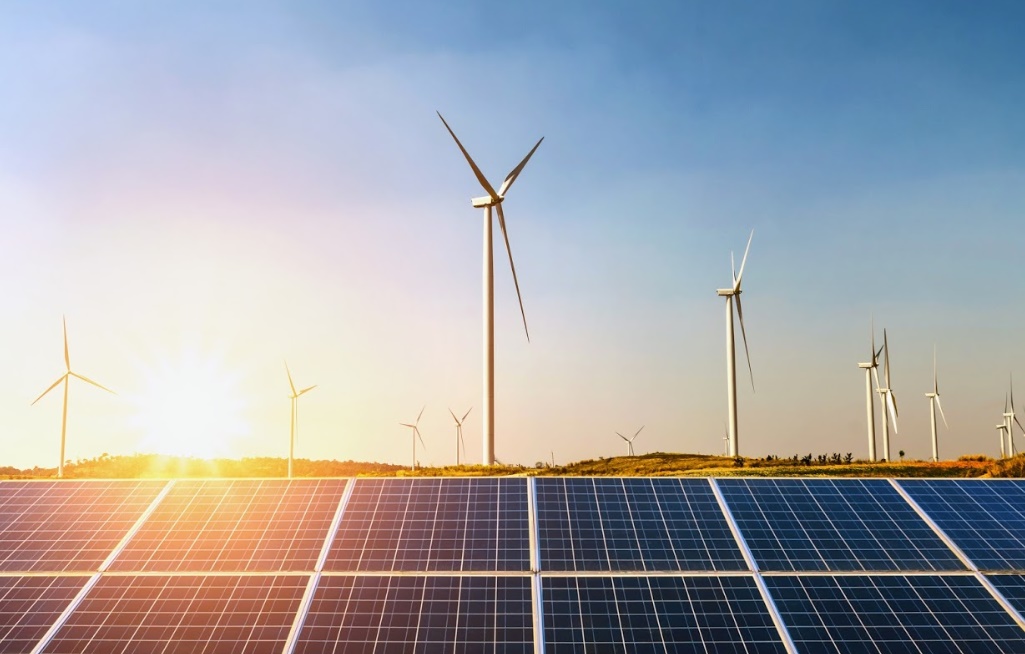

In Third Place in the Global Renewable Energy Ranking, Brazil Has the Capacity to Stop Importing Energy and Generate Various Jobs
In terms of renewable energy, Brazil ranks third in the global alternative energy sources ranking, including bioenergy, wind, solar, hydroelectric, and geothermal. According to a survey conducted, if Brazil continues to invest in clean energy such as solar and wind, 1.2 million jobs will be created by 2025. Currently, China and the United States lead the generation ranking.
Check Out Other News of the Day:
- Small Power Plants That Use Renewable Sources Will Have Discounts on Electricity Prices, According to Government Project
- Absolar Shows That Distributed Solar Photovoltaic Energy Reached the Mark of 500 Thousand Consumer Units
- Study Points Out That at Least US$ 14 Trillion Will Have to Be Invested in Electricity by 2050
Energy Generation Through Renewable Sources:
In terms of solar energy, last year the country entered the ranking of the 20 largest producers of photovoltaic energy, occupying the 16th position. Brazil is one of the only significant solar producers in Latin America known in the market, moving up five positions in the comparison between 2018 and 2019.
In turn, the wind source makes Brazil the seventh country with the largest installed capacity in the sector. This means that about 30 million Brazilian households receive this clean energy supply every month, consolidating its position as the second largest source of electricity in Brazil.
-
Fired during apartheid and with a little borrowed money, an electrician started with a borrowed truck and transformed electrical services into a group connected to energy, real estate, and infrastructure in South Africa.

-
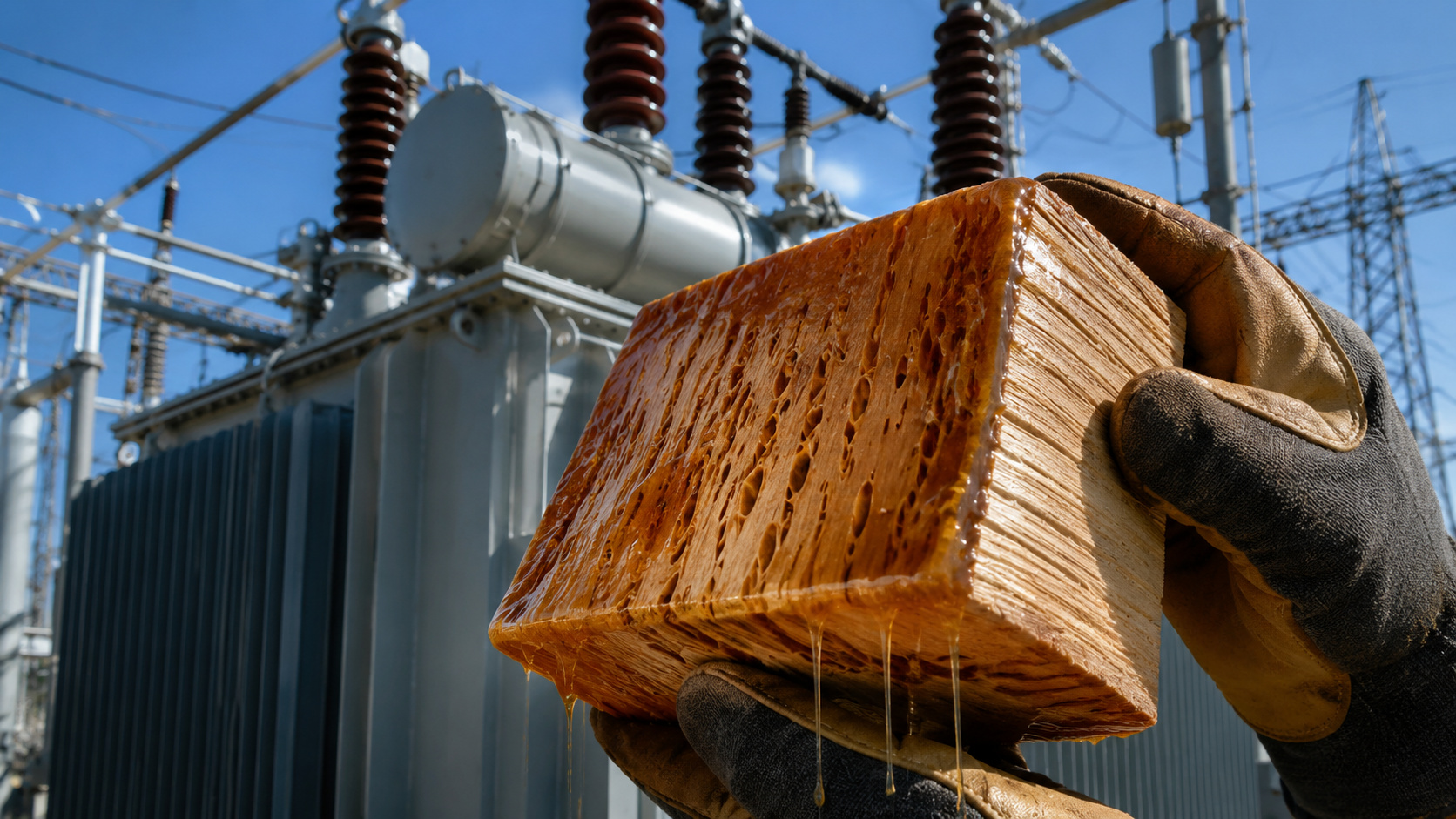
Wood has ceased to be just a construction material in Yale research and has become insulation for electrical transformers that face intense heat, aging, and increasing pressure from the renewable energy-powered grid.
-
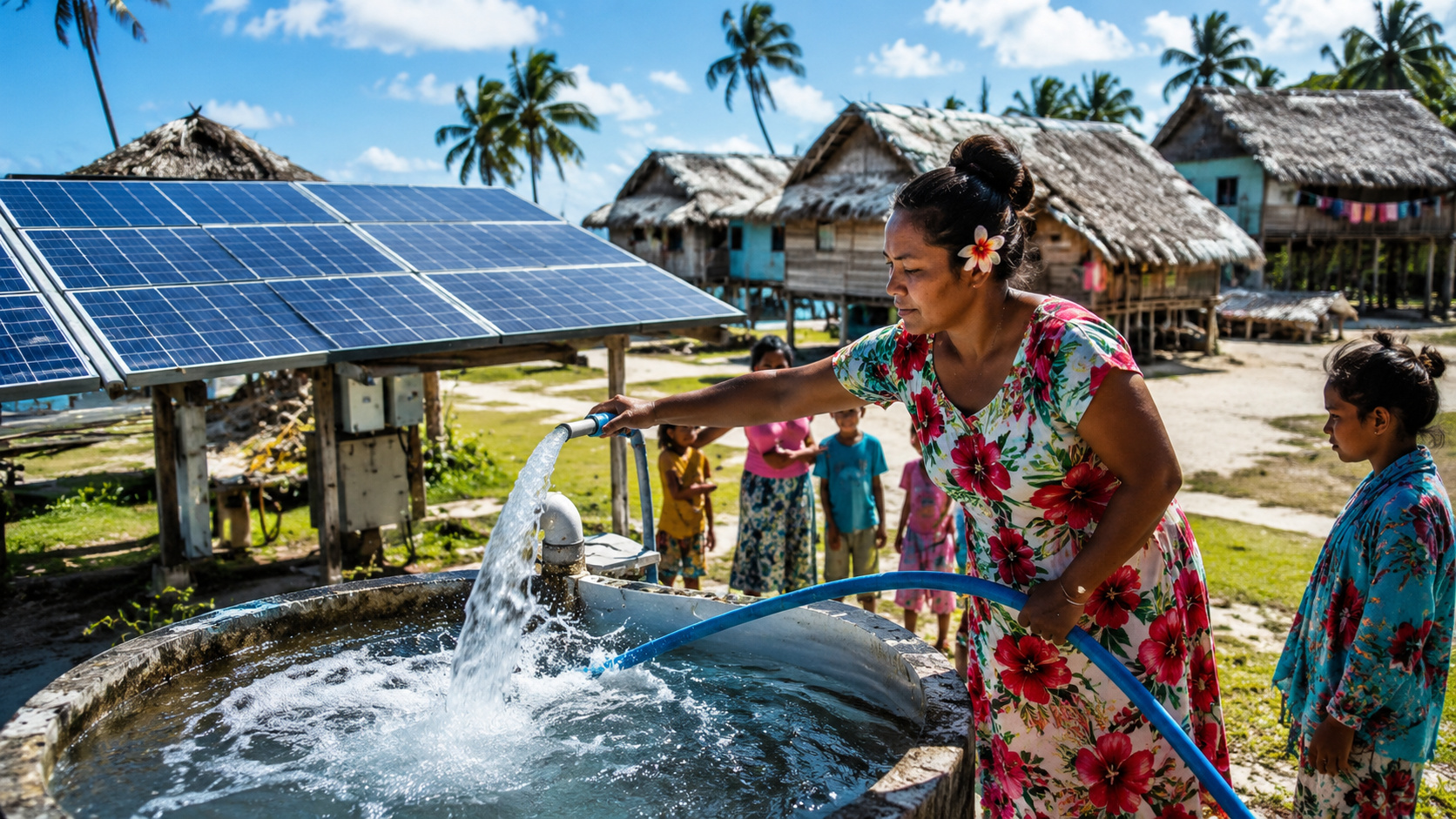
More than 1,000 residents of a remote island in Kiribati now have clean water and electricity with solar systems operated by the community itself.
-
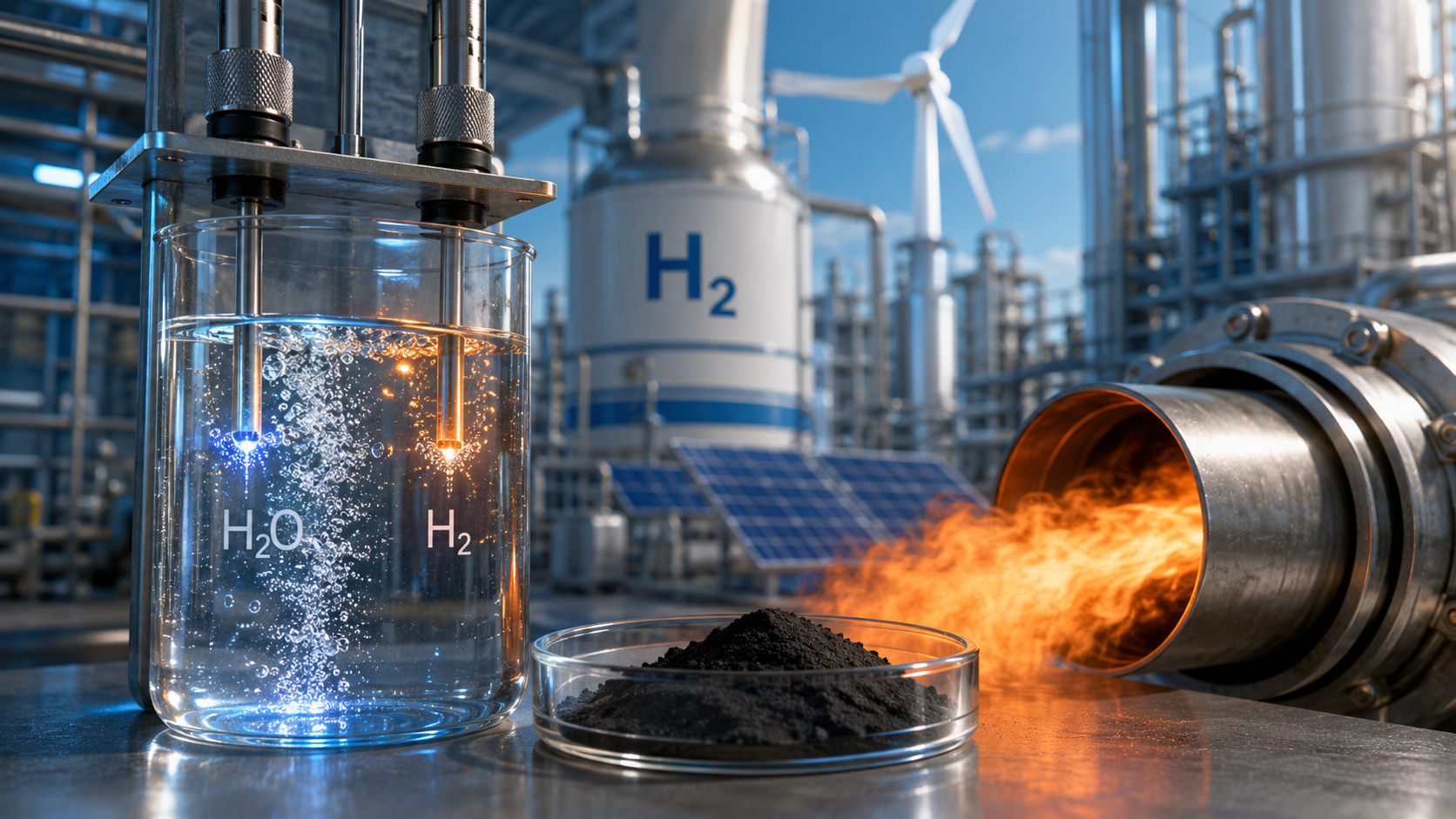
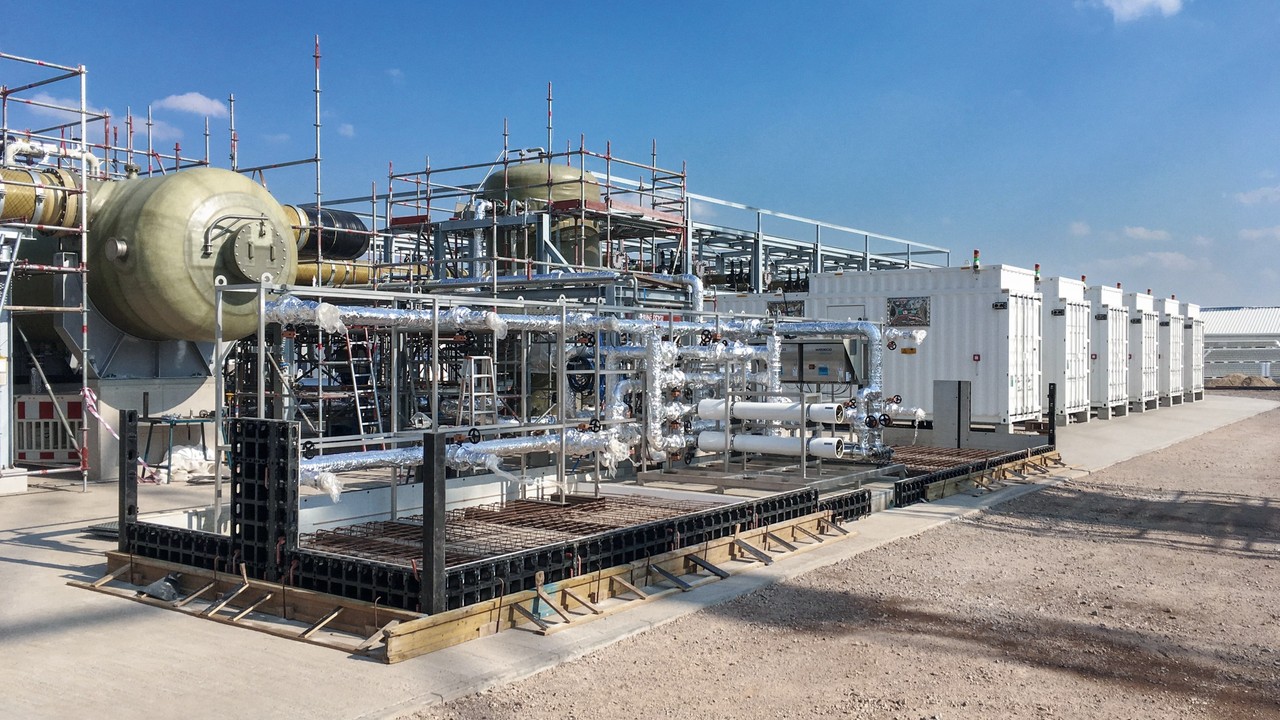
Ceará brings together 7 giants and R$ 66 billion to transform Pecém into the largest green hydrogen hub in Brazil, with final decisions expected by the end of 2026.


Job Creation:
The labor market in the renewable sources system is very vast, with investments made in the sector, costs, the competitiveness of the investment, and system updates also having a positive impact.
According to a report from the World Economic Forum, “Competition for the end user is likely to increase the quality of services offered, which may encourage improvements across the entire value chain.”