Portuguese
  Spanish


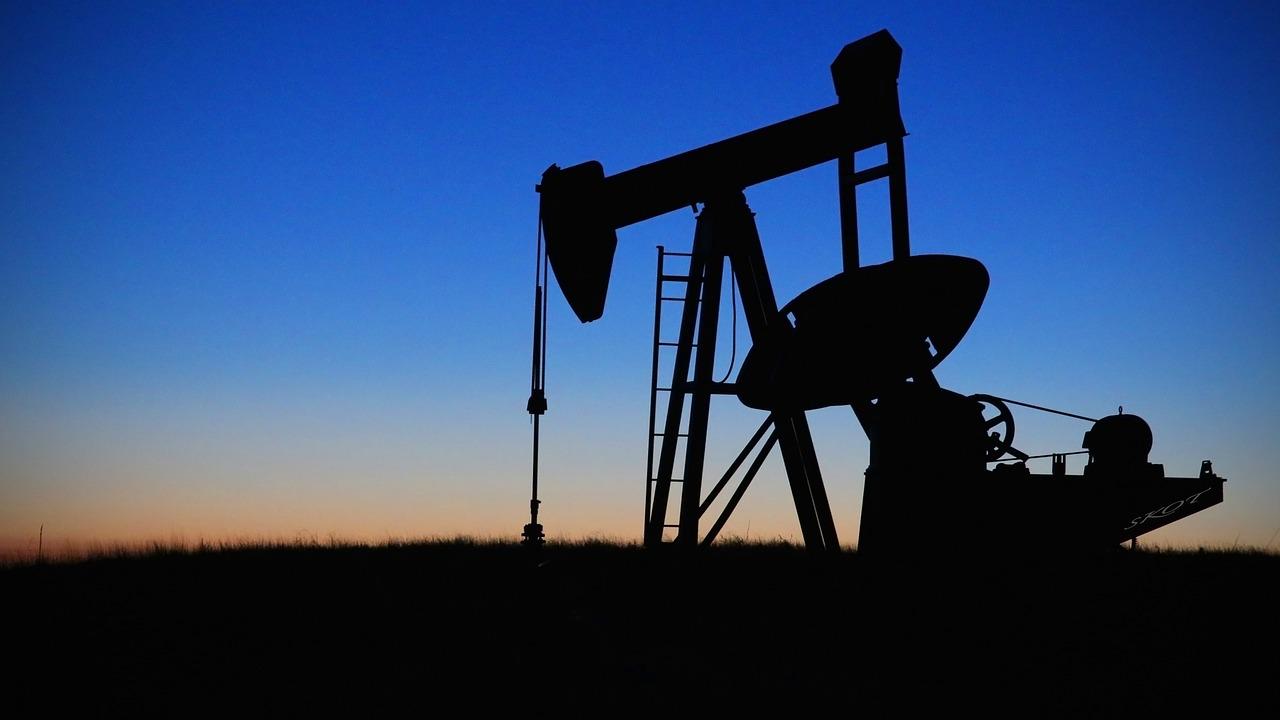

Opec Document Showed That, In April, Brazil Saw An Increase Of 18 Thousand Bpd In Its Oil Production
On last Tuesday (14th), the monthly report from the Organization of the Petroleum Exporting Countries (Opec) was released, announcing that Brazil is expected to support the increase of oil supply in 2022.
According to the document, Brazil experienced a growth of 18 thousand barrels per day (bpd) in its oil production in April, when the average was 3 million barrels daily.
Opec also showed that Brazil is expected to have a supply of liquid fuels of around 3.6 million bpd this year, representing a cut of 78 thousand bpd compared to last month’s projection.
-
The Chamber releases R$ 10 billion to hold the price of diesel until December and proves that Brazilian fuel remains tied to Congress.

-
It’s official: Petrobras takes 75% of block 3 in São Tomé and Príncipe and debuts as an offshore operator outside South America.
-
With a record production of nearly 3 million barrels per day, Petrobras resumes importing diesel in July, highlighting the bottleneck in Brazilian refining.
-
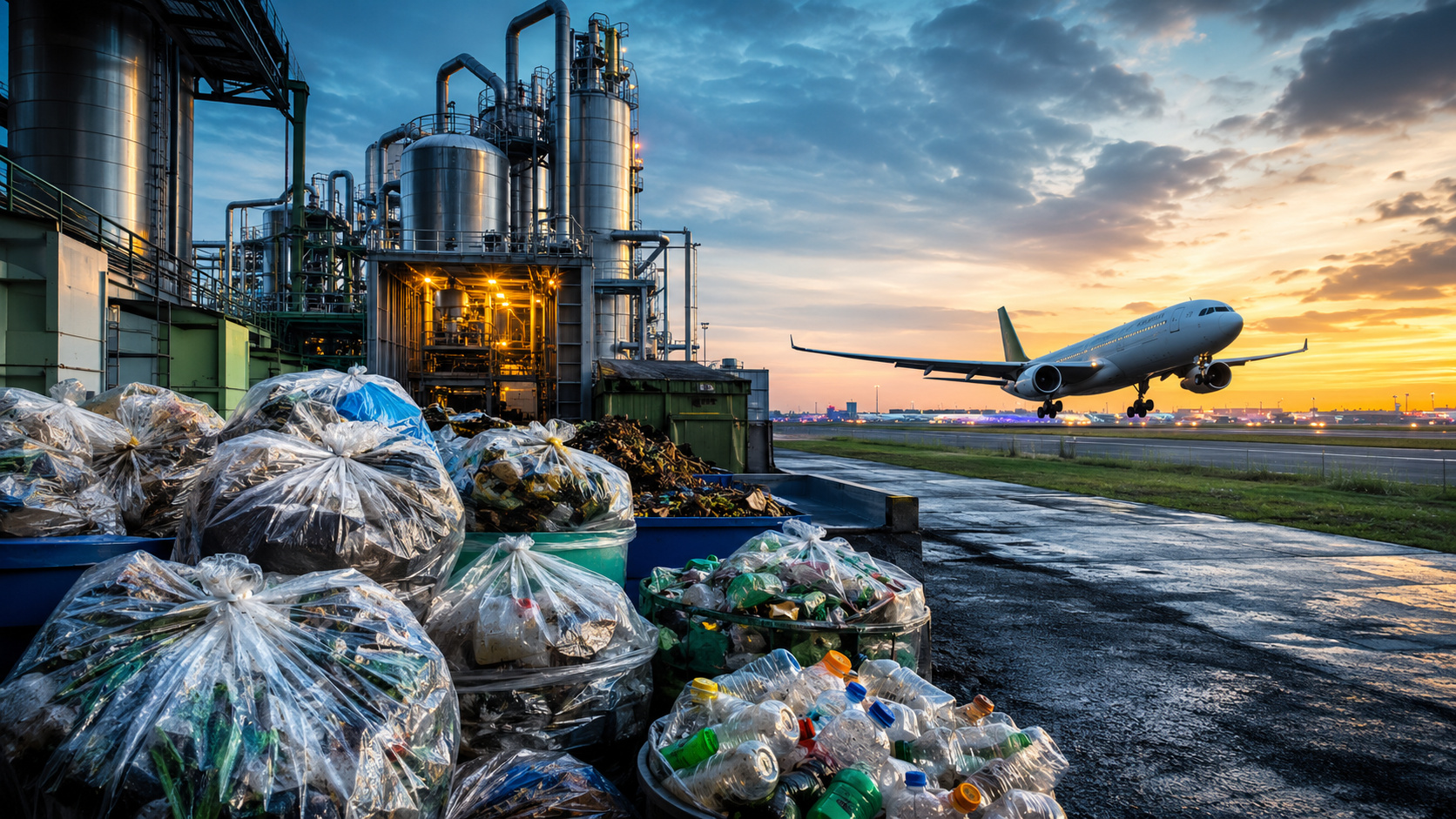
Qantas and Airbus Invest in Company Aiming to Convert Unsorted Household Trash into Jet Fuel


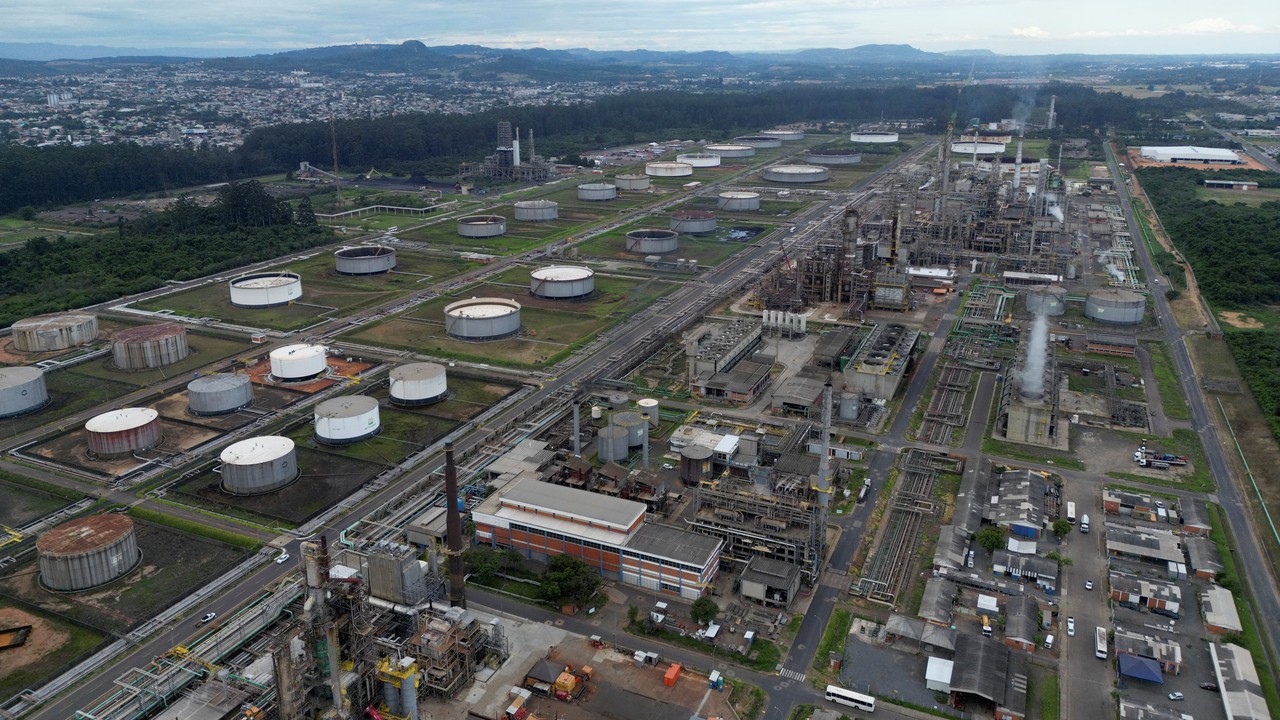
For the year 2022, in year-on-year comparison, there should be a growth of 200 thousand bpd in the supply of Brazilian liquid fuels, including biofuels, with an average of 3.8 million bpd, a figure unchanged from the previous month.
In the latest forecasts, Opec expects the Brazilian economy to grow by 1.2% this year. Previously, the expected increase was 0.7%.
Opec Maintains Forecast For The Rise In Oil Demand
In the monthly report published by Opec, it was also reported about the forecast for an increase in global oil demand in 2022, which remains unchanged at 3.36 million bpd. Thus, if confirmed, consumption would reach 100.29 million bpd this year.
Of the growth, Opec estimates that the Organization for Economic Cooperation and Development (OECD) will account for 1.77 million bpd, while non-OECD countries will account for 1.6 million bpd.
In this context, Opec expects that easing supply bottlenecks may help sustain the demand for oil and the recovery of global tourism.
Oil Supply Outside Opec
Opec declared that, for 2022, the forecast for growth in oil supply from outside the cartel was a reduction of 250 thousand bpd, remaining at 2.1 million bpd.
The oil production from Russia, in turn, underwent a downward revision of 250 thousand bpd this year, while the production from the United States, also for next year, remained at 1.3 million bpd.
According to Opec, the main contributors to the increase in oil supply in 2022 are expected to be the United States, Canada, Brazil, Kazakhstan, China, and Guyana. Countries expected to see declines in production, on the other hand, are Russia, Indonesia, and Thailand.
About Opec
The Organization of the Petroleum Exporting Countries is an intergovernmental organization composed of 13 nations, founded on September 15, 1960. Among the five founding members are Saudi Arabia, Venezuela, Iran, Iraq, and Kuwait. Currently, Opec is headquartered in Vienna, Austria.
The aim of this group is to regulate oil production and marketing among member countries, making their product more competitive and attractive in the international market.
In this regard, Opec acts to control the price of barrels to ensure stability so as not to harm member countries, as well as controlling production, that is, the quantity of oil to be produced and marketed in the market.
In September 2018, Opec represented 44% of global oil production, as well as 81.5% of the world’s proven oil reserves, which demonstrates the group’s importance and influence on the global fuel market.