Portuguese
  Spanish


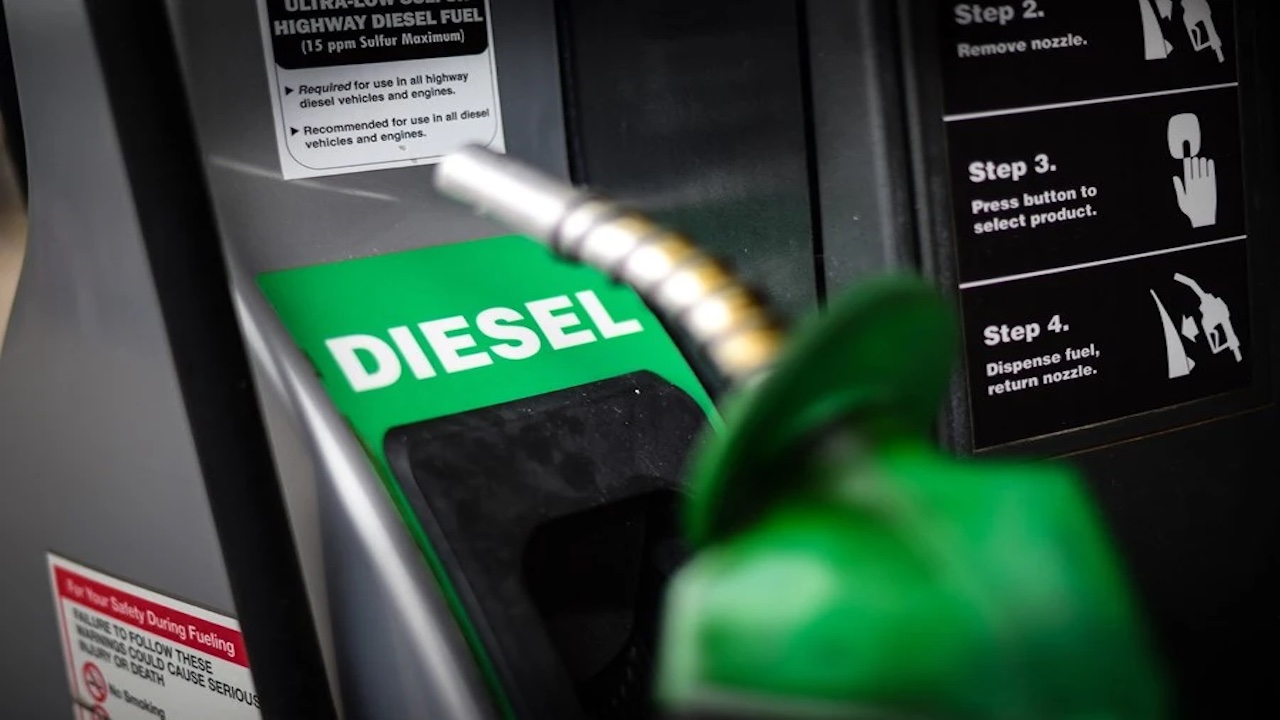

Beyond Diesel Oil, Airplanes, Inputs for Fertilizers, Oil, Vessels, and Vaccines Were Also Other Products Imported by Brazil
Although 2021 was a problematic year for foreign trade, imports ended on a high note in Brazil, with a growth of 23.94% compared to 2020. In total, US$ 232,835,014,412.13 were imported, against US$ 189,966,960,360.48, according to data from Logcomex released in the Brazilian Import Report of 2021. Among this list, some items were highlighted. “We can highlight diesel oil, airplanes, inputs for fertilizers, oil, vessels, and vaccines,” explains Helmuth Hofstatter, CEO of Logcomex.
Read Also
- Multinational ExxonMobil, the Largest Oil Company in the U.S., Halts Billion-Dollar Operations and Cancels New Investments in Russia
- Partnership Between the Largest Producer of Niobium on the Planet CBMM and the Canadian Multinational Nano One Predicts New Investments in Lithium-Ion Batteries
- After Russia’s Invasion of Ukraine, the United States Worked with 30 Other Countries to Release 60 Million Barrels of Oil from Reserves Worldwide to Curb Prices and Stabilize the International Market
- Permanent Production Sharing Offer (OPP): ANP Publishes Pre-Register and Initiates Public Consultation for Bidding of 11 Oil Blocks in the Pre-Salt
According to the Survey, the Top 10 Products Imported by Brazil Were:
- Diesel Oil – US$ 7,201,218,153.62;
- Airplanes – US$ 6,914,067,189.94;
- Potassium Chlorides – US$ 4,233,282,479.30;
- Oil – US$ 3,995,257,604.67;
- Vessels – US$ 3,682,325,704.34;
- Vaccines – US$ 3,635,382,845.82;
- Turbofans – US$ 3,482,754,046.70;
- Urea – US$ 3,198,102,239.98;
- Diammonium Hydrogen Phosphate – US$ 2,989,603,633.22;
- Bituminous Coal – US$ 2,610,270,262.65.
Click here to see the full report.
Additionally, the leading countries in imports remain China and the United States, followed by Germany, Argentina, and France. When we talk about destination ports and airports, the Port of Santos and Viracopos Airport stand out.
-
With a record production of nearly 3 million barrels per day, Petrobras resumes importing diesel in July, highlighting the bottleneck in Brazilian refining.

-
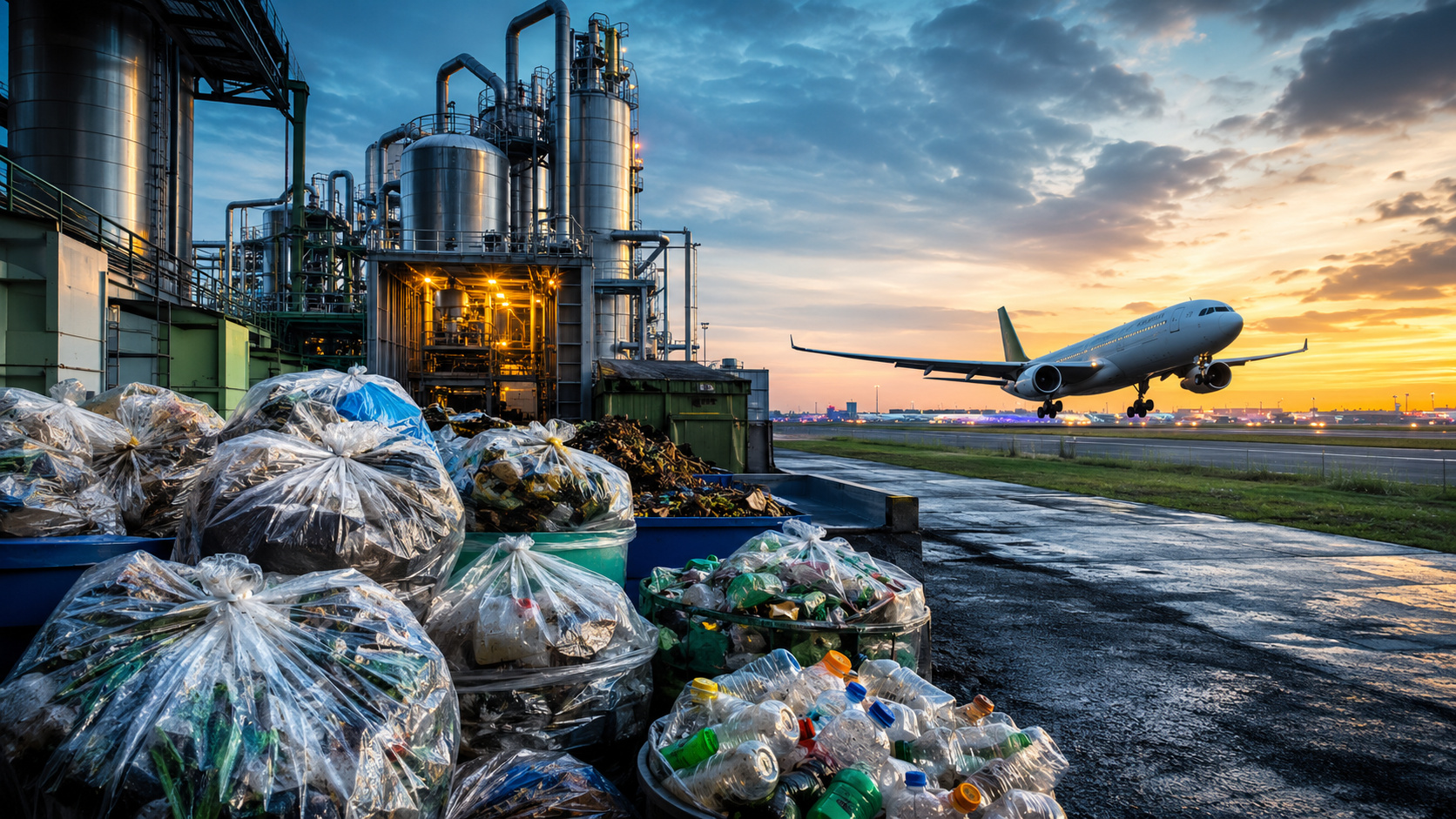
Qantas and Airbus Invest in Company Aiming to Convert Unsorted Household Trash into Jet Fuel

-
Brazil’s ANP Opens 86 New Oil Blocks in the Equatorial Margin, Expanding the Amazon River Mouth Frontier

-
OPEC+ Boosts Oil Supply by 188,000 Barrels per Day in July 2026, Leading to Price Drop from $112 to $89 per Barrel in Under Two Months


Use of Gas (CNG or Biomethane) as Fuel Came to Save Consumers’ Budgets and Becomes a Better Alternative to Replace Gasoline and Diesel in Light and Heavy Vehicles, Further Reducing Pollution
The use of gas (CNG or Biomethane) as fuel in light and heavy vehicles is one of the solutions found as an alternative to the use of gasoline and diesel to reduce pollution and also for those looking to ease the burden of the constant price hikes in fuels.
In Rio de Janeiro, the use of CNG in passenger vehicles is common, based on the cost-benefit ratio of the product and also helps combat GHGs (greenhouse gases).
Through Environmental Governance (ESG), companies have been demanding “environmentally correct” behavior from the market. With that in mind, as an alternative to diesel and gasoline, some trucks and agricultural machines powered by gas can be observed. This technology, which uses Otto cycle engines, allows the use of both CNG (a fossil fuel, but less polluting) and Biomethane (gas obtained from the anaerobic fermentation of organic material). Read the full article here.