






 Portuguese
  Spanish


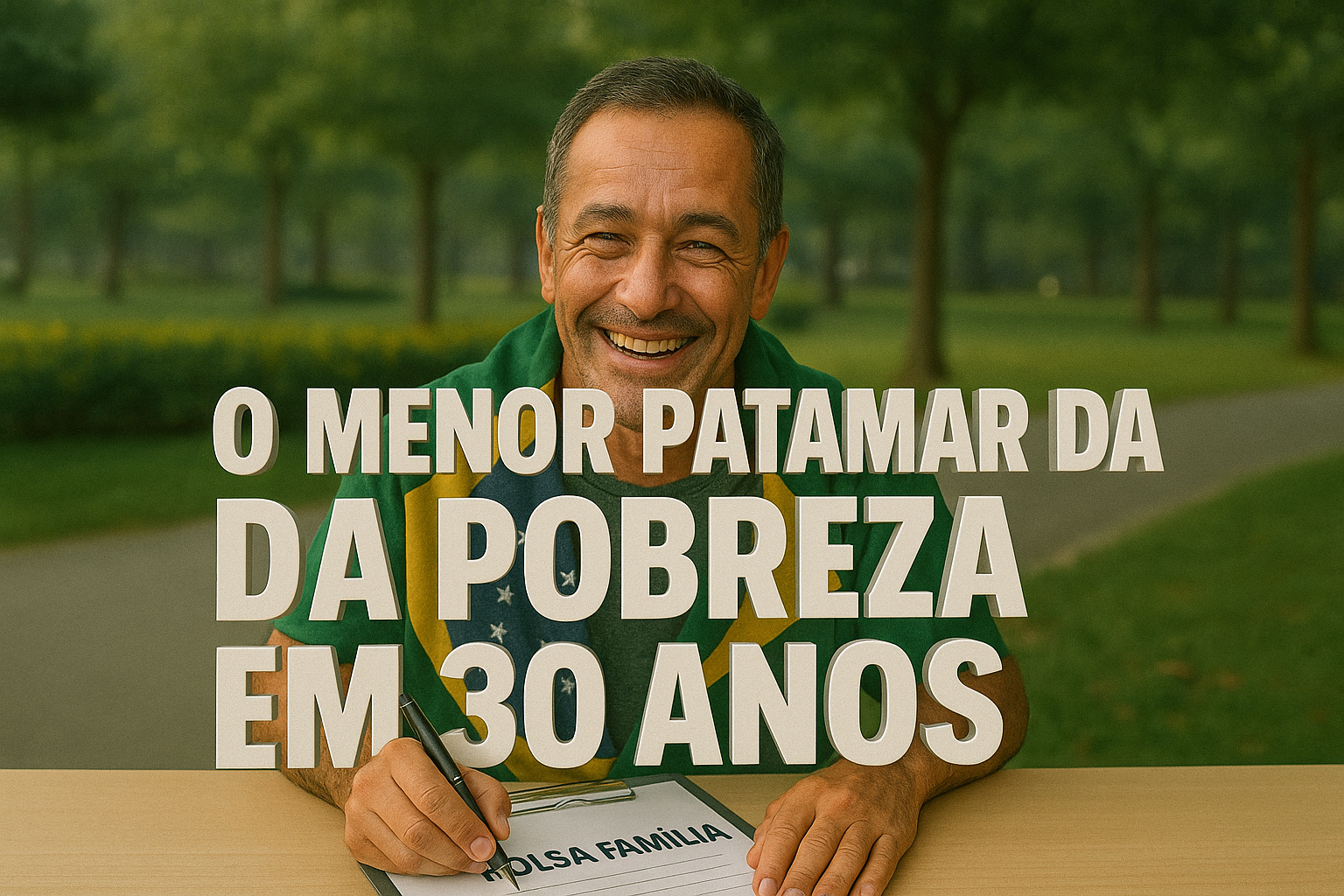


Social Indicators in Brazil Show Significant Improvement Between 2021 and 2024, According to Ipea and IBGE
A major social change was recorded in Brazil, according to a study released by the Institute for Applied Economic Research (Ipea) on November 25, 2024.
The data reveal that poverty, extreme poverty, and inequality reached, in 2024, their lowest levels since 1995, attracting national attention for showing robust recovery after the pandemic.
The average monthly income of Brazilians, measured by the Continuous Pnad from IBGE, reached R$ 2,015, the highest value in 30 years, while the country reduced extreme poverty to less than 5% of the population.
This progress represents one of the most significant social movements in recent decades.
Technical Investigation Reveals Recovery Trajectory in Two Cycles
The improvement did not happen continuously. According to researchers Pedro Ferreira de Souza and Marcos Hecksher, it was concentrated between 2003 and 2014 and between 2021 and 2024, periods marked by strong economic stimulus and expansion of social policies.
-
Brazil’s 2026 Tax Refund: Record 9.58 Million Filers in Largest Payout Ever, But a Key Detail on Priority Recipients Draws Nationwide Attention

-
Itaú Alters Hybrid Work Model, Increasing Office Days from 2028, Prompting Employees to Adjust to New Routine
-
Facing Labor Shortage, Japan Plans to Invest $34 Million to Attract Foreign Workers in Construction, Healthcare, Industry, and Commerce

-
Brazilian City Makes Remarkable Leap, Becomes 4th Wealthiest in the Country with GDP of R$ 134.1 Billion




The study points out that an active labor market and income transfers had an equivalent weight in the post-pandemic recovery. For the reduction of extreme poverty, the impact of transfers was even greater.
According to the authors, “the results indicate that, in the long term, Brazil has improved significantly”, reinforcing the importance of continuous and well-targeted policies.
Economic and Social Impacts of the Expansion of Bolsa Família
The country significantly increased social investments. Between 2019 and 2024, Bolsa Família and BPC grew by 135% in inflation-adjusted values, raising the relative expenditure from 1.2% to 2.3% of GDP.
Thus, Bolsa Família increased from 13.8 million families in 2019 to more than 20 million at the beginning of 2024, a number revised to 18.6 million in November 2024 after a registration update.
In addition, the minimum benefit of R$ 400 in 2022 rose to R$ 600 in 2023, maintaining eligibility for families with income of up to R$ 218 per capita.
The federal budget for 2025 allocated R$ 158 billion to the program, second only to pensions, health, and education.
Souza states that, despite the significant amount, “the program remains well-targeted and presents an important return in poverty reduction”.

Fiscal Pressure, Limits of Expansion, and Future Challenges
Between 2021 and 2024, social indicators improved due to a strong fiscal stimulus environment.
However, the researcher warns that this cycle has come to an end, reducing the space for new expansions.
To maintain the progress, he advocates for a balanced fiscal policy, lower interest rates, and consistent investments, especially in construction, a sector that traditionally absorbs a large volume of labor.
Despite the 2026 elections, Souza does not see a risk of abrupt cuts.
He emphasizes that Brazil remains highly unequal and that severe adjustments rarely find political consensus.
Gradual Planning and Ongoing Reforms
Currently, the country focuses on gradual measures, such as:
- Pé de Meia Program, which can improve educational indicators;
- Tax Reform, which provides cashback for low-income families;
- Income Tax Reform, with expected effects at the top end of the income scale.
Souza adds that the current data is based only on household surveys from the IBGE.
Thus, a more complete picture depends on the 2024-2025 POF and information from the Federal Revenue Service, which will be released in the future.
What Does the Future Hold for Brazil?
Experts assess that the country is at a decisive moment. The ability to transform social gains into lasting prosperity will depend on stable governance, targeted policies, and continuity of investments.
Meanwhile, the challenge will be to balance fiscal responsibility, economic growth, and protection for the most vulnerable populations.
What do you believe is more important for the country in the coming years: maintaining focus on social policies or prioritizing gentle fiscal adjustments to ensure stability?








