Portuguese
  Spanish



High Agricultural Productivity Will Keep Brazil’s Trade Balance Strong in Coming Years, Says Economist
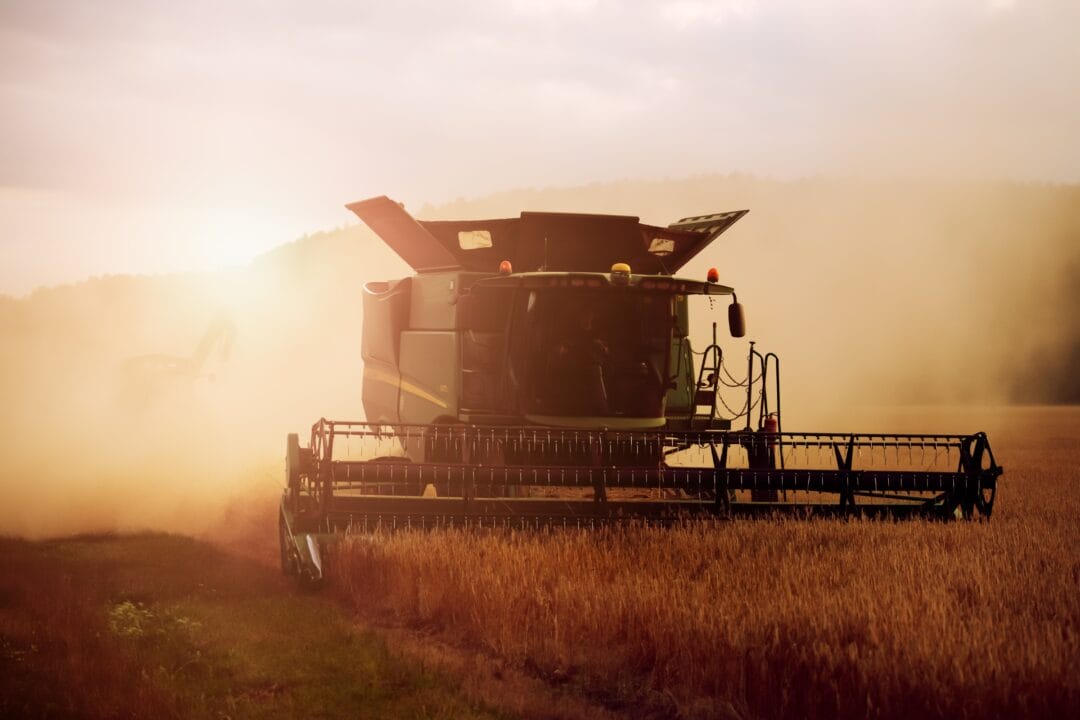
Study indicates that the increase in productivity of the agricultural sector is expected to boost Brazil’s trade balance surplus to US$ 95 billion in 2023, a value 50% higher than the previous record. Brazil led global agricultural productivity among 187 countries, particularly due to the greater increase in agricultural activity and the approval of tax reform. In addition, there was an increase in the imported volume of capital goods related to the agricultural sector. Factors contributing to the productivity increase included reforms in the research and financing systems, investments in research, biological nitrogen fixation, adoption of direct planting, and maintenance of integrated systems. However, the year 2024 may show a slight reduction in the trade balance surplus due to a smaller agricultural harvest. Besides the agricultural sector, oil production also stands out as one of the drivers of the trade balance.
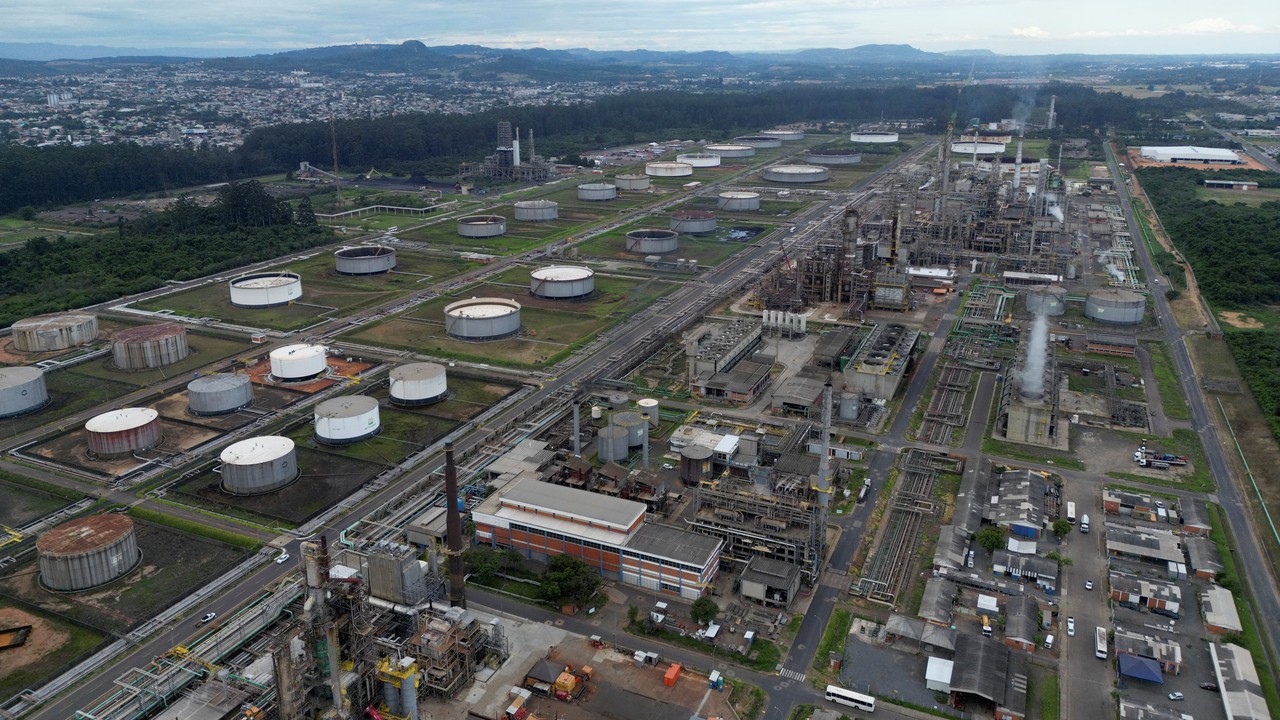
Oil production in Brazil has been showing growth in recent years and is expected to continue boosting the trade balance. The commodity’s production in Brazil grew by 20% over the past seven years, with a projected increase of 80% in production for the next seven years. The explanation for the growth in oil production lies in the increase in export volume and the reduction in imports driven by prices, attributed to the exploration of the commodity in the pre-salt layer. Considering the production curve expected by EPE, Brazil is set to join the group of the five largest oil exporters in the world by the end of the decade, potentially increasing government revenue through the production sharing regime.
-
The Chamber releases R$ 10 billion to hold the price of diesel until December and proves that Brazilian fuel remains tied to Congress.

-
It’s official: Petrobras takes 75% of block 3 in São Tomé and Príncipe and debuts as an offshore operator outside South America.
-
With a record production of nearly 3 million barrels per day, Petrobras resumes importing diesel in July, highlighting the bottleneck in Brazilian refining.
-
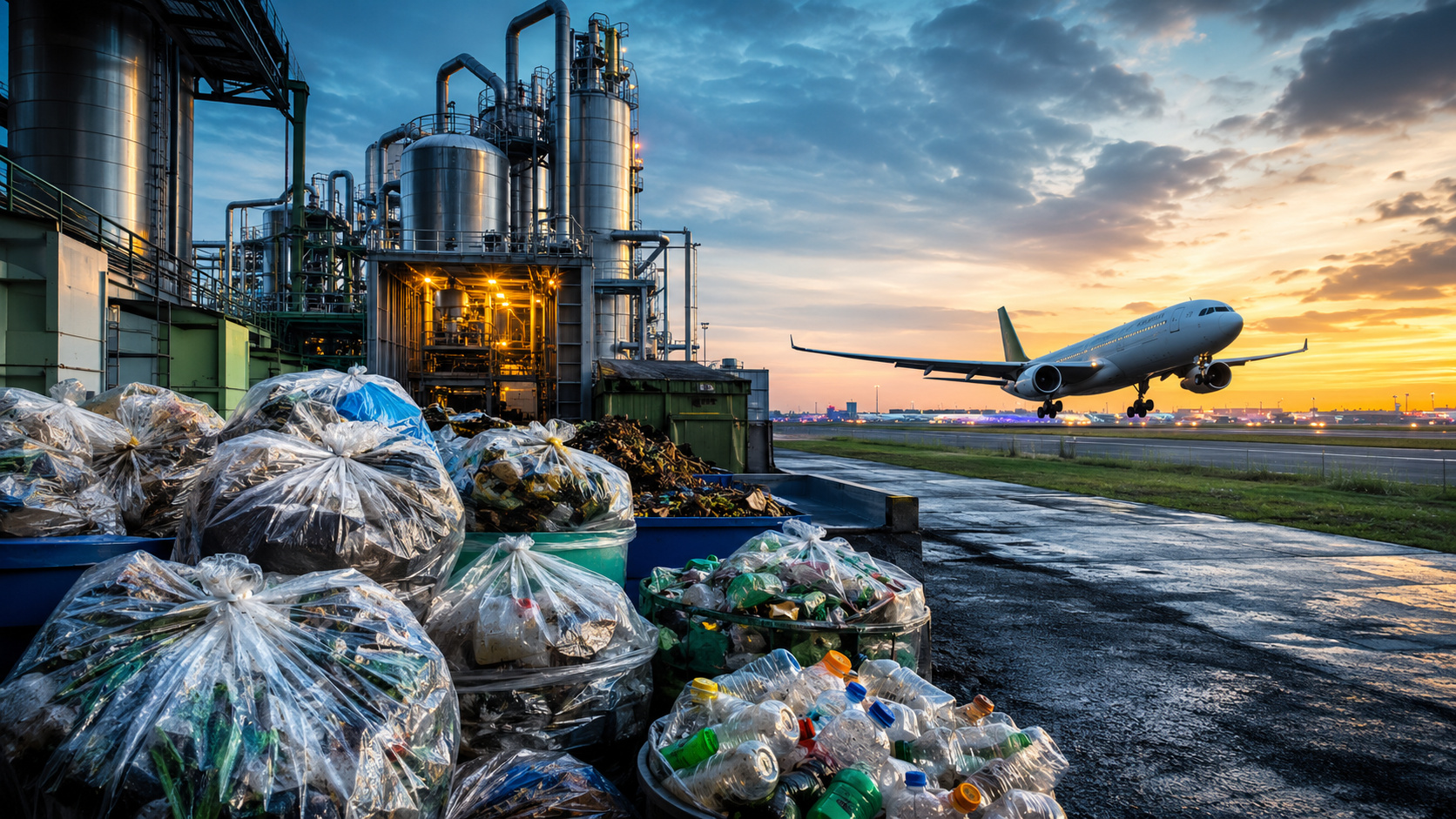
Qantas and Airbus Invest in Company Aiming to Convert Unsorted Household Trash into Jet Fuel


Projection of Brazil’s Trade Balance Surplus for 2023 and 2024
Study indicates that the increase in productivity of the Agricultural sector is expected to boost the surplus of Brazil’s Trade Balance to US$ 95 billion in 2023, a value 50% higher than the previous record. Brazil led global agricultural productivity among 187 countries, particularly due to the greater increase in agricultural activity and the approval of tax reform. In addition, there was an increase in the imported volume of capital goods related to the agricultural sector. Factors contributing to the productivity increase included reforms in the research and financing of Production, investments in research, biological nitrogen fixation, adoption of direct planting, and maintenance of Integrated Systems. However, the year 2024 may show a slight reduction in the Trade Balance due to a smaller Agricultural Harvest. Besides the Agricultural sector, Oil Production also stands out as one of the drivers of the Trade Balance.
Oil Production in Brazil has been showing growth in recent years and is expected to continue boosting the Trade Balance. The commodity’s production in Brazil rose by 20% over the last seven years, with a projected increase of 80% in Production for the next seven years. The explanation for the growth in Oil Production lies in the increase in exports and the reduction of Imports driven by prices, due to the exploration of the commodity in the pre-salt layer. Considering the production curve expected by EPE, Brazil will join the group of the five largest oil exporters in the world by the end of the decade, potentially increasing government revenue through the production sharing regime.
See Also: Fiscal Target – Lula Gives Confident Vote to Haddad

Graduated in Electrical Engineering from one of the country's technical education institutions, the Instituto Federal Fluminense - IFF (formerly CEFET), he worked for several years in the offshore oil and gas, energy, and construction sectors. Today, with over 8,000 publications in online magazines and blogs on the energy sector, the focus is to provide real-time information on the Brazilian job market, macro and microeconomics, and entrepreneurship. For questions, suggestions, and corrections, please contact us at informe@clickpetroleoegas.com.br. Please note that we do not accept resumes at this contact.