






 Portuguese
  Spanish


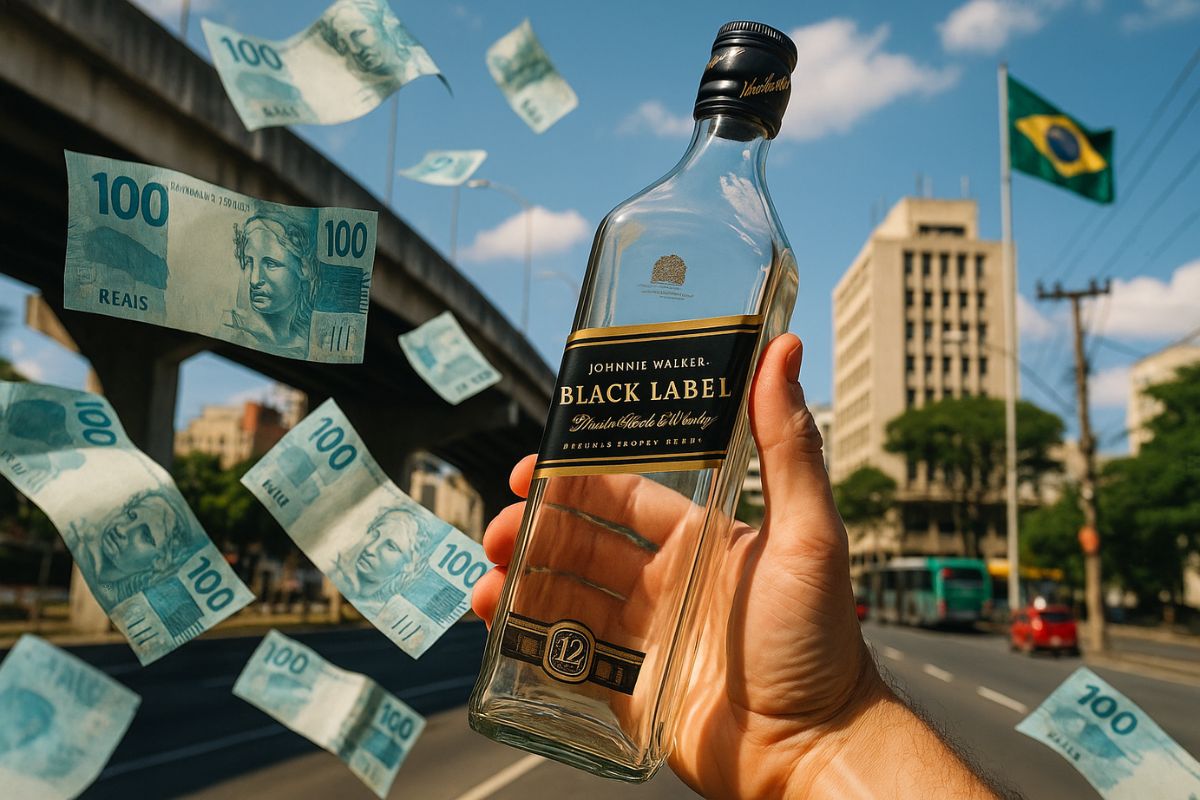

The Trade of Empty Whisky Bottles on Sites Like Shopee, OLX, and Enjoei Moves Hundreds of Reais Per Unit and Concerns Authorities and Manufacturers, Who Warn That Original Vessels Are Being Used in Counterfeiting Scams That Deceive Even Experts and Put Consumer Health at Risk
What Started as an “Innocent” Market for Decoration and Collecting Items Has Turned into a Risk Channel for Frauds: Empty Whisky Bottles Are Being Sold for Up to R$ 400 on Popular Marketplaces and Are Already Concerning the Industry and Regulatory Bodies.
According to Experts, These Original Vessels Sold with Intact Caps, Labels, and Seals Feed the Illegal Market for Counterfeit Beverages, Where Criminals Reuse the Bottles to Package Adulterated Liquids. The Result is Products Visually Indistinguishable from the Originals, Capable of Deceiving Even Those Who Work in the Sector.
The Parallel Market of Empty Bottles
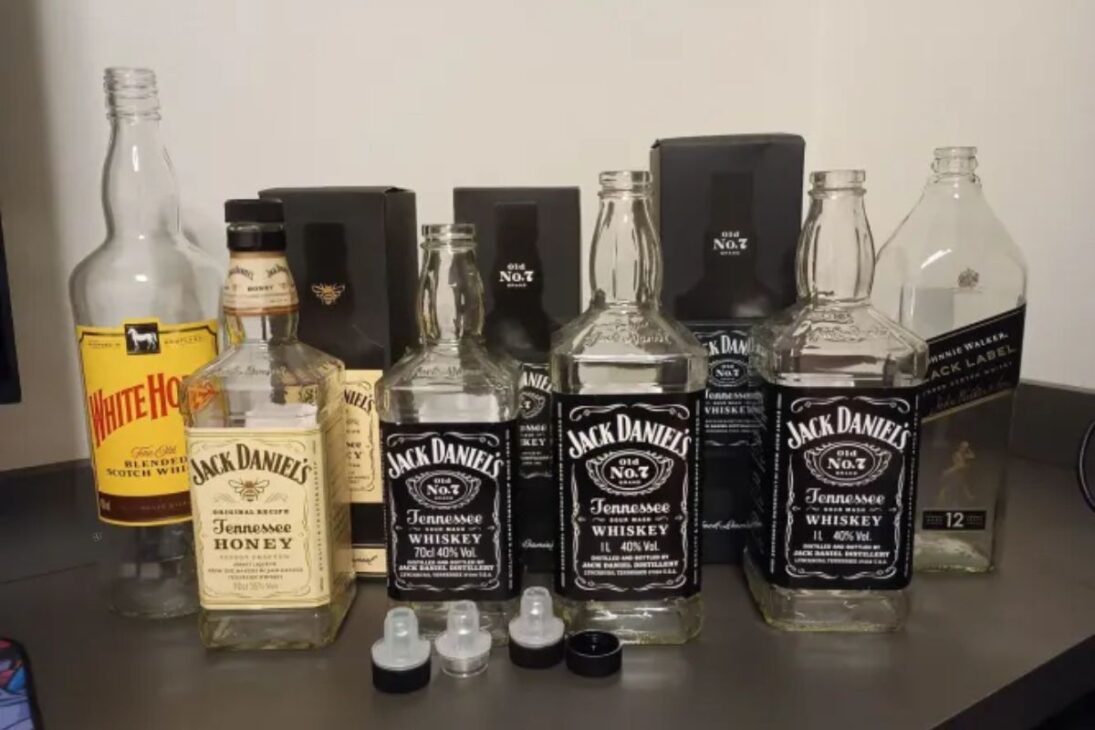
According to a Report from Folha, Advertisements for Empty Whisky Bottles from Brands Like Johnnie Walker, Jack Daniel’s, and Blue Label Proliferate on Platforms Like OLX and Shopee.
-
Brazilian Job Market Surprises: Unemployment Falls to 5.6%, Hits Record Low for May, Brazilian Incomes Rise, and Underemployment Reaches Lowest Level Ever Recorded by IBGE

-
Chinese E-commerce Giant Predicts Robots Will Replace 700,000 Delivery Workers as Autonomous Vehicles Expand to 200 Cities, Offering Training for Workers to Maintain Their Machines

-
Trump warns Europe with 100% tariff threat on digital tax, potentially impacting wine and trade agreements
-
As Homeownership Becomes Unattainable in Brazil, Japanese Municipalities Offer Abandoned Houses for as Low as $3,000 to Revitalize Aging, Emptying Cities


A Set of Three Common Units, for Example, Is Offered for R$ 40, While Premium Models Reach R$ 400 Just for the Vessel.
In Some Cases, The Original Caps Are Sold Separately, Costing Up to R$ 150 for the Set.
These Prices Draw Attention for a Simple Reason: In Supermarkets, a Sealed Bottle of the Same Product Costs About R$ 100 to R$ 150.
This Means That the Empty Bottle is Worth as Much as the Whisky Itself, a Distortion Driven by the Interest of Counterfeiters.
How Bottles Are Used in Scams
The So-Called Illegal Refill is Today One of the Main Methods of Counterfeiting Distilled Beverages in the Country.
Fraudsters Repurpose Authentic Bottles and Original Caps, Fill Them with Low-Cost Liquids Often Containing Non-Potable Alcohol, and Reapply Labels and Seals to Simulate Authenticity.
“These Bottles Are Bought to Deceive the Consumer.
There is an Illegal Market Behind Them, and Platforms Need to Remove the Advertisements Immediately,” Says Eduardo Cidade, President of the Brazilian Association of Distilled Beverages (ABBD), Which Brings Together Companies Like Diageo (Owner of Johnnie Walker and Smirnoff) and Pernod Ricard (Absolut, Chivas Regal).
He Advocates for Integrated Regulatory Action Between Police and Health Authorities.
The Reaction of Platforms and Authorities
After Being Questioned by the Press, Shopee and Enjoei Removed Several Ads.
Shopee Stated That It Works to Remove Irregular Content and Requires Compliance with Legislation by Sellers.
Enjoei Reported That It Has Adhered to the Guide of the National Council to Combat Piracy (CNCP) and Has Started Adopting New Proactive Blocking Measures.
The Procon-SP Explains That, Although the Sale of Empty Bottles Is Not Illegal in Itself, There Is a Risk of Irregularity When There Are Signs of Fraudulent Use or Unapproved Offer.
The Agency Advises Consumers to Report Suspicious Ads and Notify Police Authorities Whenever There Is a Possibility of Adulteration.
The Risks Behind Counterfeit Beverages
The Distilled Beverage Industry Warns That Consuming Adulterated Beverages Can Be Fatal.
In Recently Investigated Cases, Samples of Counterfeit Whisky Showed Contamination by Methanol, a Toxic Substance Used to Reduce Costs in Clandeestine Production and Associated with Severe Cases of Poisoning.
In Addition to Health Risks, the Scam Affects Bars, Distributors, and Legitimate Brands, Reducing Tax Revenue and Undermining Consumer Trust.
“When a Fake Bottle Circulates with the Brand of a Serious Company, Everyone Loses, Including the State,” Says an Executive from the Industry.
A Crime Disguised as Common Commerce
Many Ads Try to Disguise the Intent to Commit Fraud by Using Descriptions Such as “For Decoration” or “Artisanal Use.”
However, The Presence of Original Caps, Labels, and Seals Raises Alarms About the Real Destination of the Products.
In Practice, It Is the Perfect Material to Create a Fake Original, Ready to Deceive the Market.
The Ministry of Justice, Through the National Consumer Secretariat (Senacon), Stated That It Is Monitoring the Case and Notifying Suspicious Content on Digital Platforms.
The Department Highlighted That The Trade of Bottles and Caps Can Facilitate Adulteration and Fraudulent Resale and Advised Marketplaces to Reinforce Traceability and Seller Identification.
The Challenge of Regulation and Consumer Education
Experts Point Out That, As Long As There Is Demand for Cheap Beverages of Dubious Origin, There Will Be Room for Scams Involving Empty Whisky Bottles.
Regulation, No Matter How Strict, Does Not Replace Public Awareness.
Buying Distilled Beverages from Official Sources and Sealed Packaging Remains the Safest Way to Avoid Financial Loss and Health Risks.
“If the Price Seems Too Good to Be True, It Probably Is a Fraud,” Reinforces Industry Associations.
The Trade of Empty Whisky Bottles Exposes A Link Between Luxury Consumption and the Growing Crime of Counterfeiting That Silently Infiltrates Online.
And You, Do You Think That The Sale of These Vessels Should Be Prohibited on E-Commerce Sites, Even for Those Claiming Decorative Use? How to Balance Freedom of Sale and Consumer Protection? Share Your Opinion in the Comments and Let Us Know If You’ve Witnessed Similar Cases.


