Portuguese
  Spanish


Eve, Embraer’s subsidiary, maintains eVTOL tests, strengthens billion-dollar cash, and bets on certification for 2028.
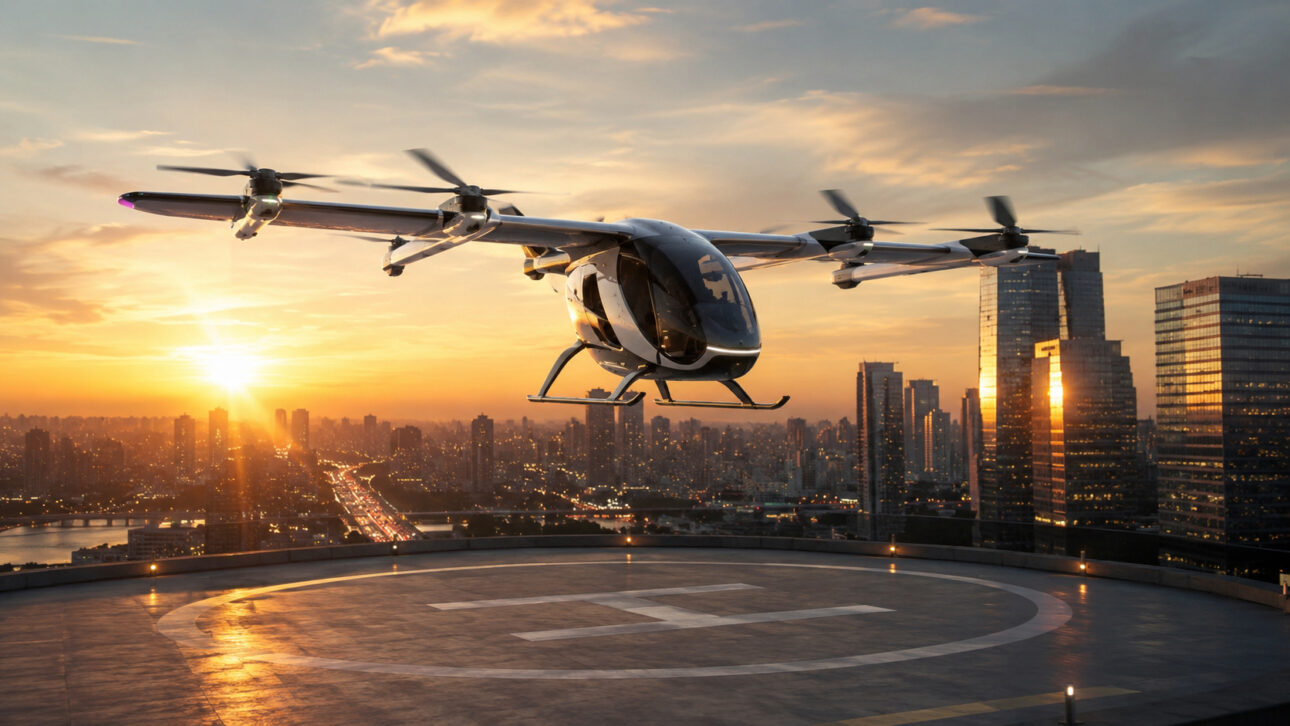
One of the most watched projects in Brazilian electric aviation returned to the spotlight after a new update from Eve, Embraer’s company focused on urban air mobility.
The company reaffirmed the goal of obtaining certification for its electric flying car with vertical takeoff and landing, known as eVTOL, in 2028.
According to information released by Reuters and UOL, the aircraft remains in the testing and technical validation phase, while the company prepares the next stages of the regulatory process.
-
Harvard Researchers Develop Biological Clock to Estimate Life Expectancy, Potentially Transforming Human Aging Studies

-
Methane, natural fuel lakes, ice, and a nitrogen-rich atmosphere make Titan central to NASA’s plans for the first “space fuel station” to speed up missions beyond Mars.
-
16-Year-Old Kentucky Student Solves Long-Standing Biomedical Challenge, Wins Top Young Scientist Award at $9 Million Science Fair
-
Teen Invents Biodegradable Material from Shrimp Shells That Decomposes 1.5 Million Times Faster Than Regular Plastic




Eve also emphasized that it intends to manage its resources cautiously in the coming years, maintaining strict control of expenses until certification.
Billion-dollar cash supports project advancement
The update also drew attention to the company’s financial situation.
In the first quarter of 2026, Eve recorded a cash balance of US$ 441 million, approximately R$ 2.43 billion.
According to Johann Bordais, an executive at Eve, this cash should sustain the company’s operations until the certification stage planned for 2028.
The company highlighted four central points of the current planning:
- eVTOL certification goal in 2028
- Cash of US$ 441 million
- Liquidity considered sufficient until 2028
- Strict control of expenses in the coming years
Eve also forecasts that cash consumption in 2026 will be at the lower end of the estimate, calculated between US$ 225 million and US$ 275 million.
Certification schedule underwent adjustments
The certification deadline has already been changed more than once throughout the project’s development.
Initially, Eve expected to complete the process in 2026.
The projection then moved to 2027 and, more recently, was shifted to 2028.
Even with the adjustments, the company maintains active development of the aircraft, with necessary tests and validations to meet the sector’s regulatory requirements.
This process is considered essential for the eVTOL to advance safely within civil aviation standards.
Anac considers timeline realistic
The new forecast received a positive evaluation from the National Civil Aviation Agency, Anac.
Earlier this week, the agency’s president, Tiago Faierstein, told Reuters that the timeline presented by Eve is compatible with the current stage of the project.
According to him, the timeline is realistic.
Faierstein also highlighted that Eve’s tests have been successful, reinforcing the positive assessment of the program’s progress.
This indication from Anac strengthens the view that the company is on a feasible path to seek certification in 2028.

Electric aviation gains ground in Brazil
Eve’s project remains among the main bets of Brazilian electric aviation.
With a billion-dollar budget, ongoing tests, and a timeline considered viable by the regulator, the company is trying to consolidate its place in the urban air mobility market.
The eVTOL proposal involves an electric aircraft for vertical takeoff and landing, aimed at urban and regional travel.
Before any commercial operation, the model needs to go through all the certification stages required by aviation authorities.
What to expect until 2028?
In the coming years, Eve should focus efforts on continuing tests, managing funds, and advancing regulatory requirements.
The certification expected for 2028 remains the main milestone of the program.
Meanwhile, the company maintains financial caution and seeks to demonstrate that Embraer’s flying car project can advance within a timeline considered realistic by Anac.
Do you believe that electric flying cars can transform urban mobility in the coming years, or are they still far from the reality of cities? Share your opinion!