Portuguese
  Spanish


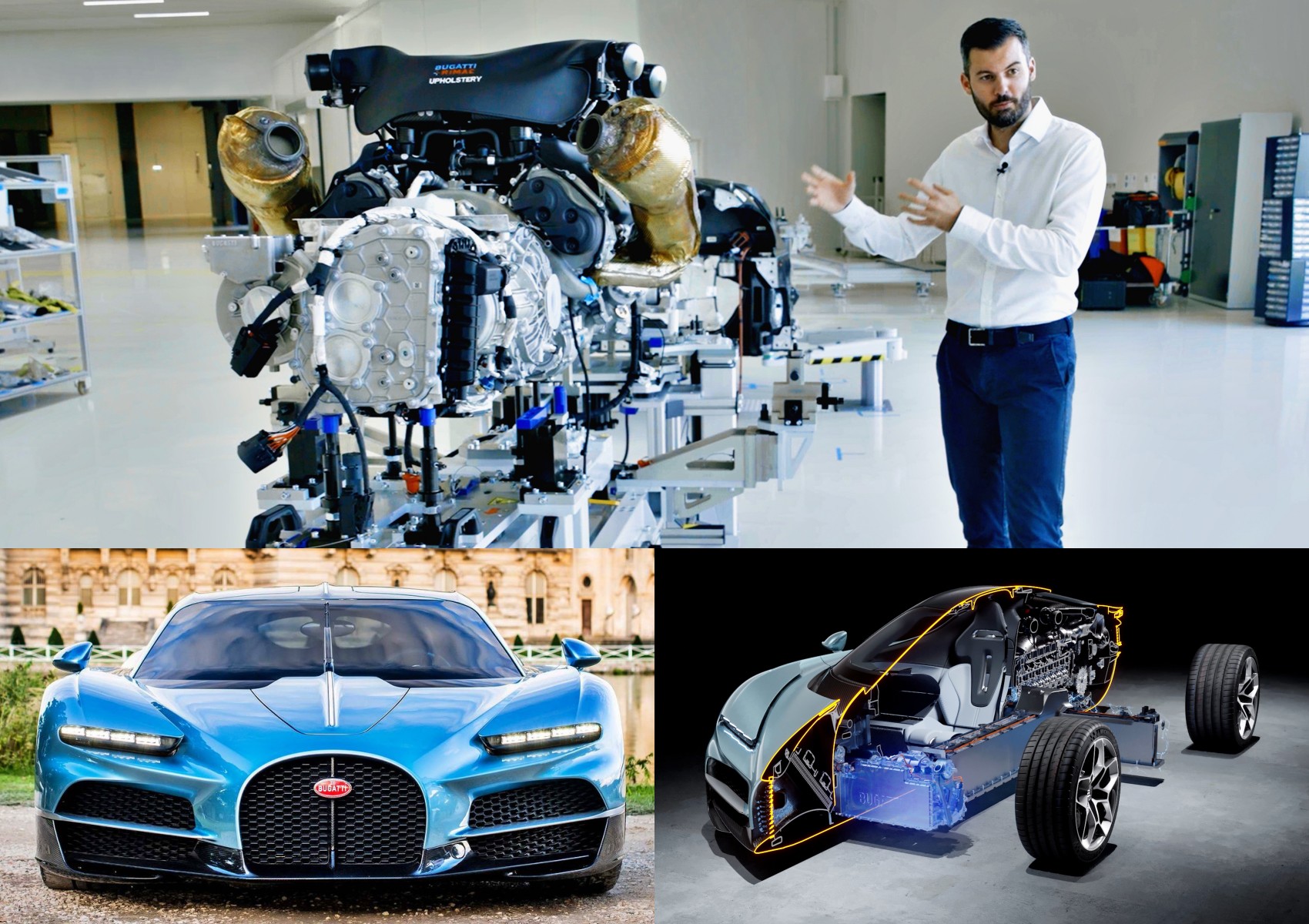


With V16 Engine Developed by Cosworth, Three Electric Motors and Total Power of 1,800 HP, the Tourbillon Redefines the Concept of Hypercar.
Bugatti has revealed to the world its new supercar, the Tourbillon. The model marks a new era in the brand’s engineering, combining tradition and innovation with a hybrid system that integrates a naturally aspirated V16 engine and three electric motors.
The set impresses with its numbers and technical choices.
Gross Power with New Architecture
At the heart of the Tourbillon is the new 8.3-liter V16 engine, developed in partnership with Cosworth. The engine is naturally aspirated and reaches 9,000 rpm, producing an impressive power on its own. Together with the electric motors, the car achieves a total of 1,800 horsepower.
-
Suitcase-sized hydrogen engine spins at 25,000 rpm, nearly doubling the efficiency of conventional cars and replacing exhaust smoke with water vapor

-
1983 Chevrolet Runs Over 100,000 km Without Gasoline, Powered by Wood Chips, Reaches 125 km/h in Airport Test

-
Workshop Converts Giant Tractor Tire Tricycle into a Three-Wheel Drive Hybrid with 36,000-Watt Electric Motor Capable of Climbing Hills

-
Sales of Brazil’s Cheapest Electric Car Halted Before First Deliveries: E-Motors Suspends Emova Easy Due to Import Tax Increase and Rising Freight Costs




The V16 represents a significant change from the quad-turbo W16 used in the brand’s previous models, such as the Veyron and Chiron.
The focus now is on a high-rev aspirated setup, which reinforces the emotional and sporty character of the car.
Unique Hybrid System
The electrification of the Tourbillon was done in collaboration with Rimac, a company known for its expertise with high-performance electric cars.
According to Mate Rimac, CEO of Bugatti Rimac, the electric motors do not replace the combustion engine. Instead, they complement it, allowing the V16 to operate at maximum performance and excitement.
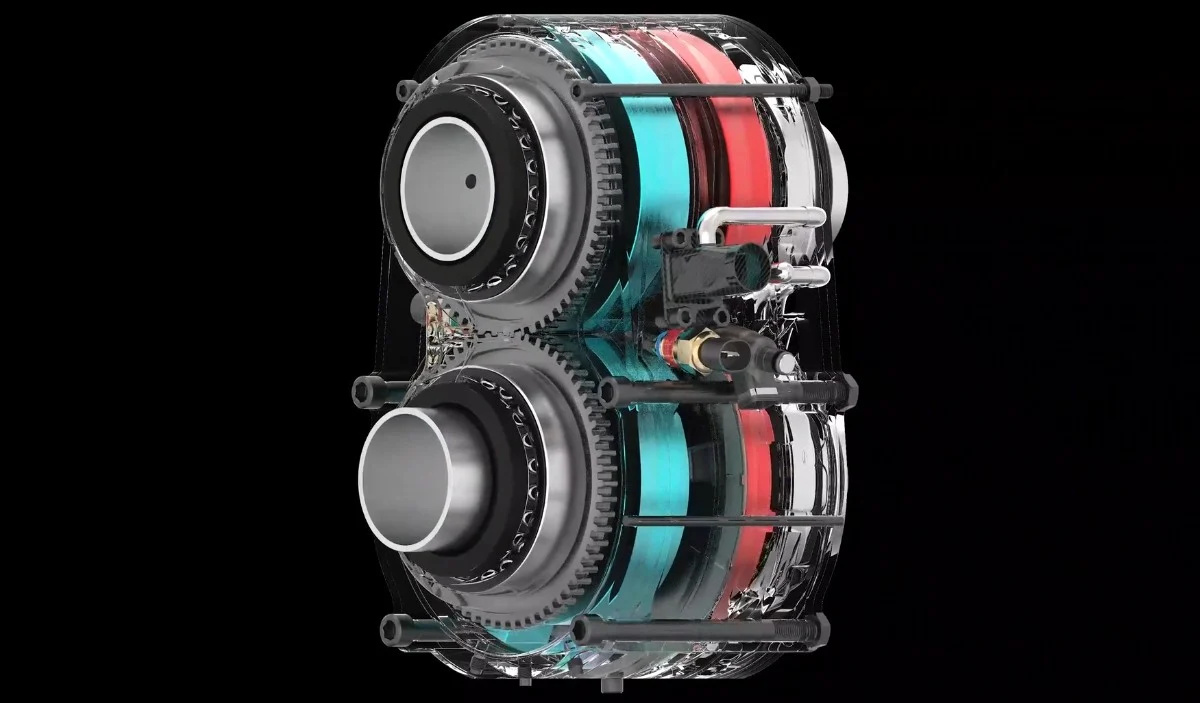
There are three electric motors in total: two on the front axle and one at the rear. Together, they add 800 horsepower. The rear electric motor is capable of reaching up to 24,000 rpm and also contributes to torque vectoring, improving drivability.
Integrated Battery and Electric Range
The electrical system is powered by a T-shaped 24.8 kWh and 800-volt battery. This battery is integrated into the car’s carbon composite monocoque, which reduces the total weight of the structure. As a result, the Tourbillon can run more than 60 km in 100% electric mode.
The electric motors are also responsible for providing torque at low rpms, eliminating the typical lag in the response of the engine.
Additionally, the system acts as a starter motor and allows for energy regeneration during use, recharging the battery.
Lightness and Extreme Performance
Despite the complexity of the system, Bugatti has managed to keep the weight under control. The rear assembly, which includes the V16 engine, eight-speed dual-clutch transmission, and electric motor, weighs 430 kg. This represents a reduction compared to the previous system used in the Chiron.
The predicted top speed of the Tourbillon exceeds 444 km/h, reinforcing its status as a next-generation hypercar.
The Tourbillon is currently in the Prototype Validation (VP) phase. This means that about 90 to 95% of the development has already been completed.
The model has not yet hit the streets, but it represents the future of Bugatti by uniting traditional engineering with modern hybrid solutions.