Portuguese
  Spanish


The sandwich tile may seem simple by the price per square meter, but the real cost of an embedded roof includes metal structure, gutters, flashings, screws, silicone, and labor. In a 130 m² project, EPS, PUR, and PIR change performance, budget, and risk of infiltration when poorly executed together.
The sandwich tile was analyzed by a builder in a real townhouse project with 180 m² of built area and 130 m² of roofing, in São Carlos, in the interior of São Paulo. The goal was to show how much an embedded roof costs when the tile, metal structure, labor, gutters, flashings, screws, and silicone are included in the calculation.
The information was extracted from a video published on the channel Renan Sousa Engenharia e Construção on July 10, 2026. In the content, the builder compares three sandwich tile scenarios, with filling in EPS, PUR, and PIR, and warns that looking only at the tile price can distort the final budget.
Tile price does not show the real cost of the roof
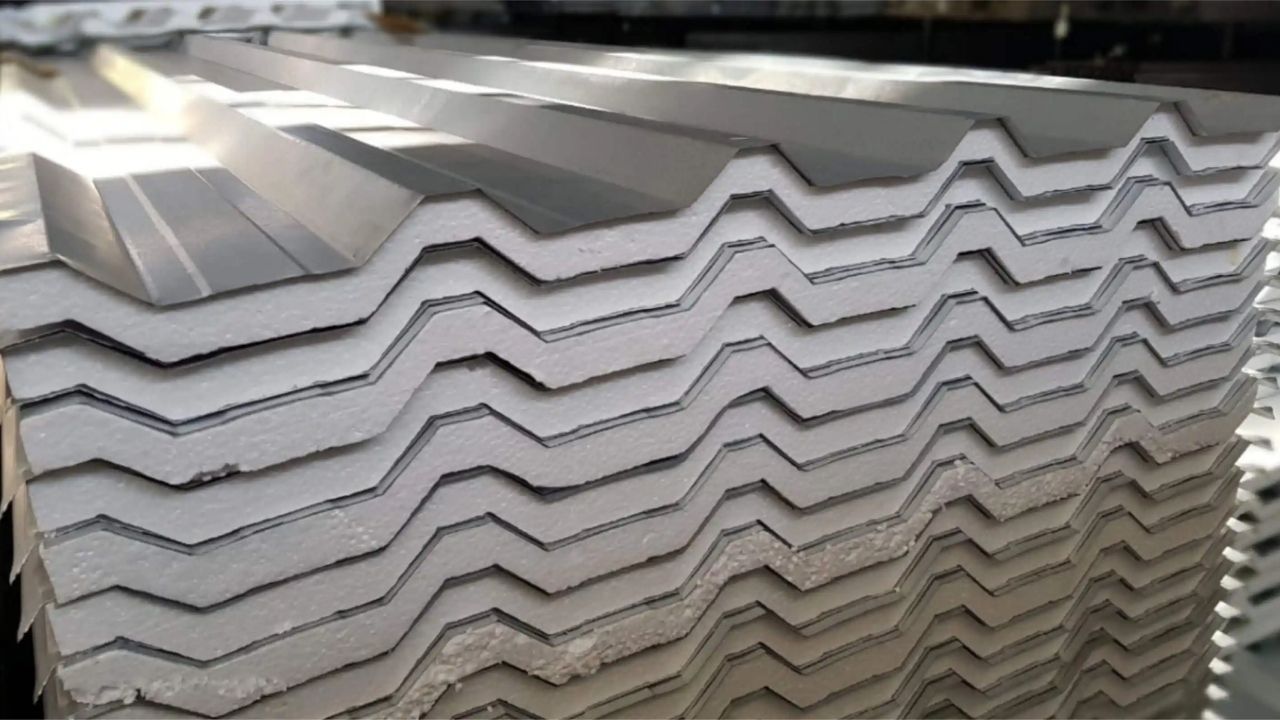
The most common mistake, according to the builder, is to calculate the roof only by the value of the tile per square meter. This simplified calculation ignores indispensable items for the system to truly function, especially when the roof is hidden behind the parapet.
-
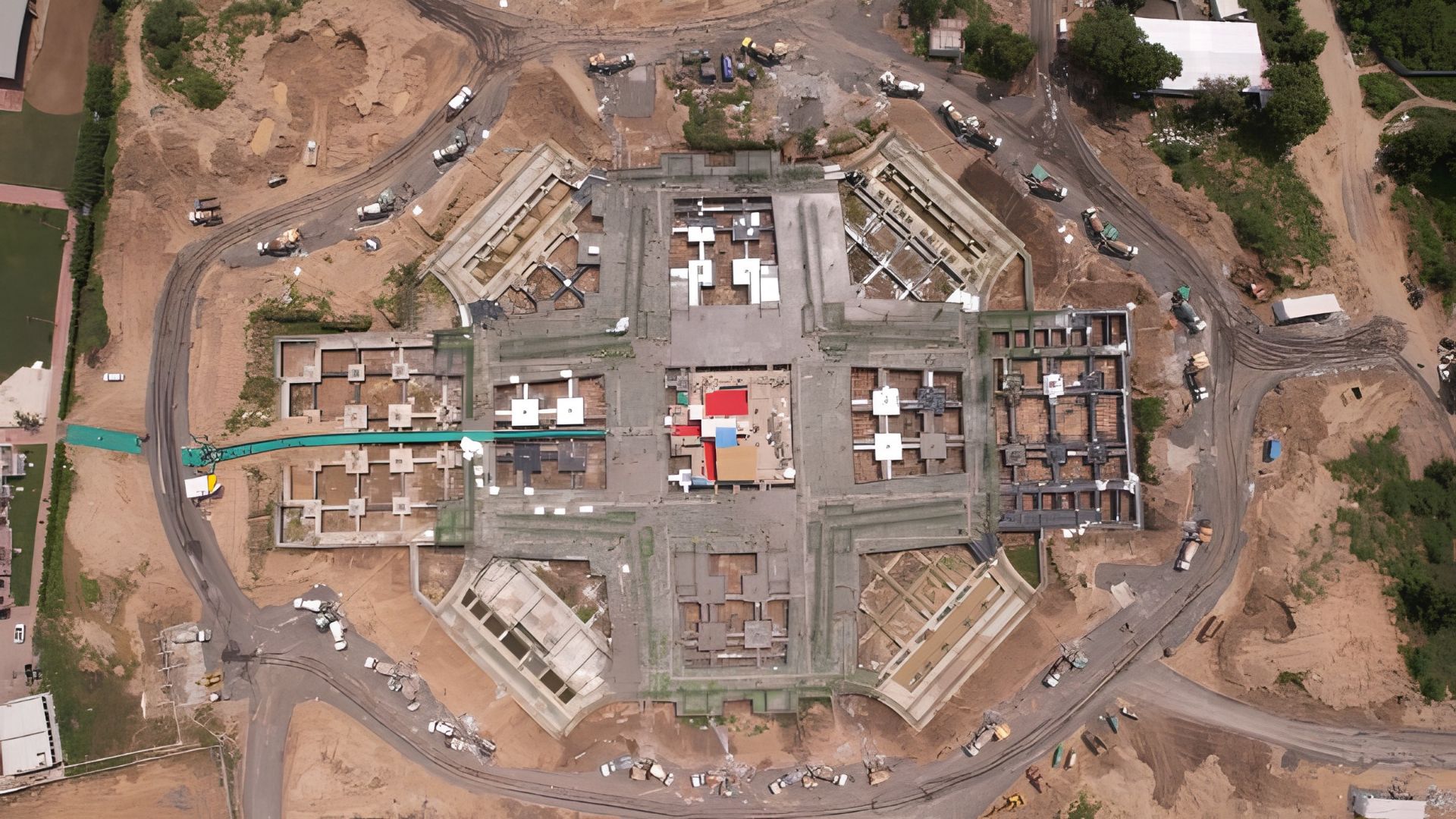
285 trucks work non-stop for 54 hours, pour over 24,000 m³ of concrete, and place a religious temple in the Golden Book of World Records with the largest foundation ever built for this type of construction.

-
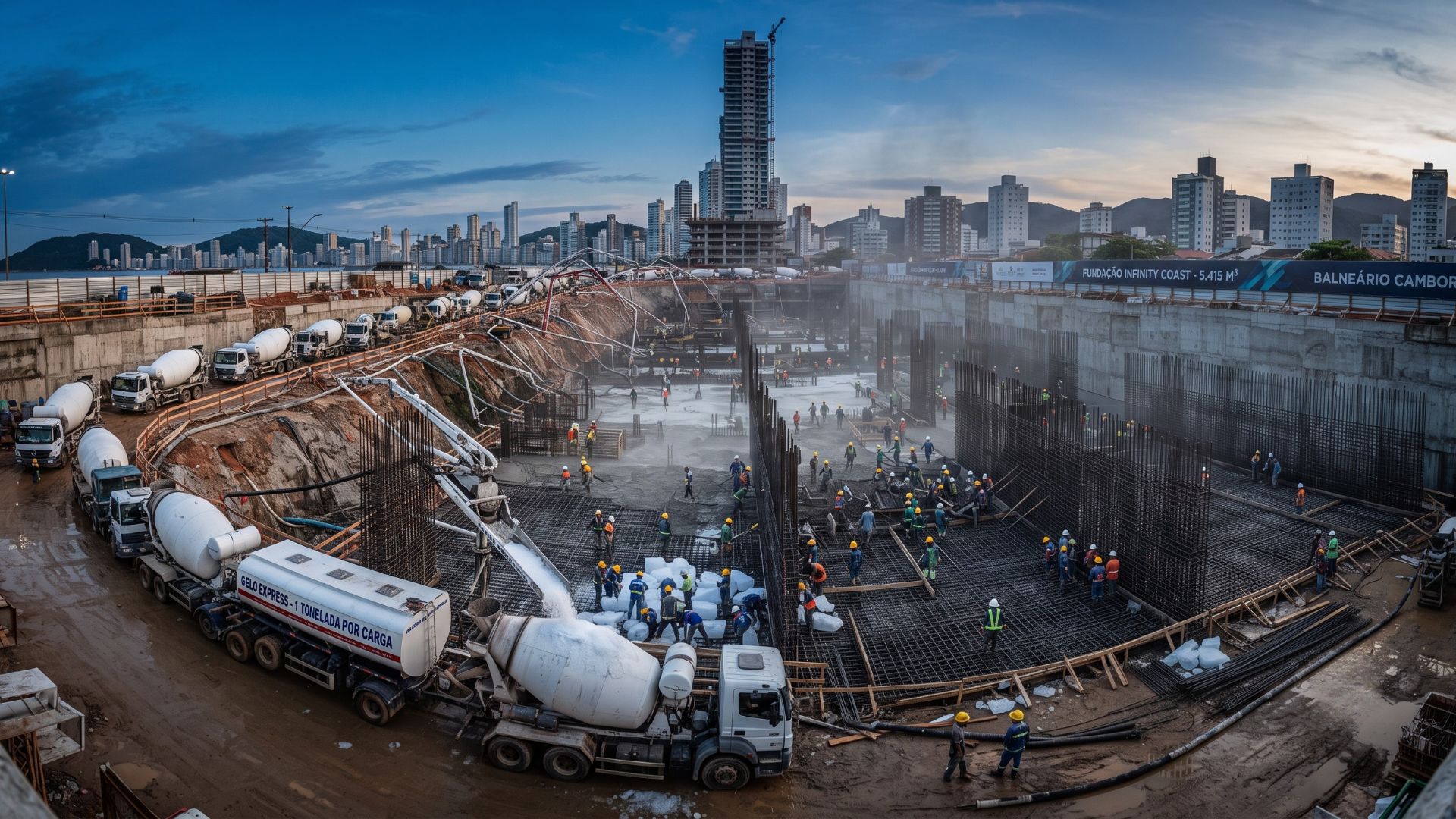
775 concrete mixer trucks poured 5,415 m³ of concrete, 570 thousand kg of steel reinforced the block, and one ton of ice was added to each load to lay the foundation of the Infinity Coast, a 234.7-meter residential tower in Balneário Camboriú.
-
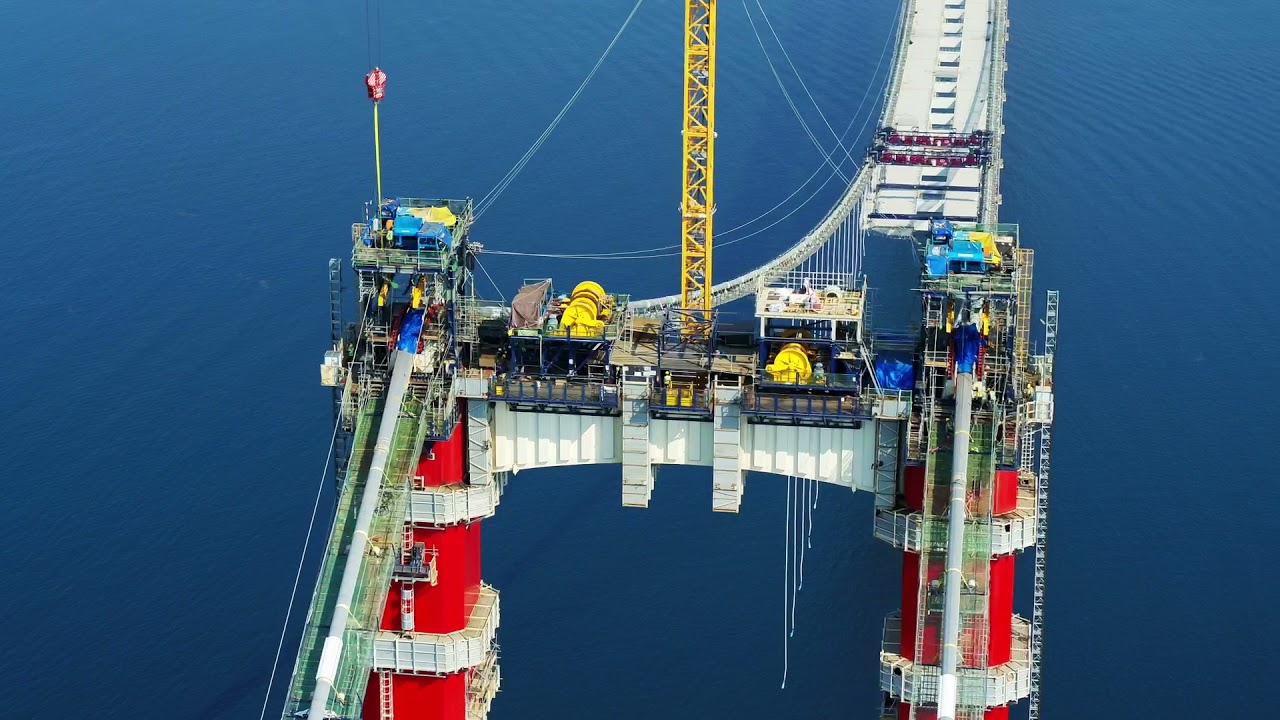
At midnight, a 330-ton crane lifted a 155-ton piece to 318 meters over the Dardanelles Strait, marking the record lift of the 1915 Çanakkale Bridge, the largest suspension bridge in the world, which reduced the crossing to just 6 minutes.

-
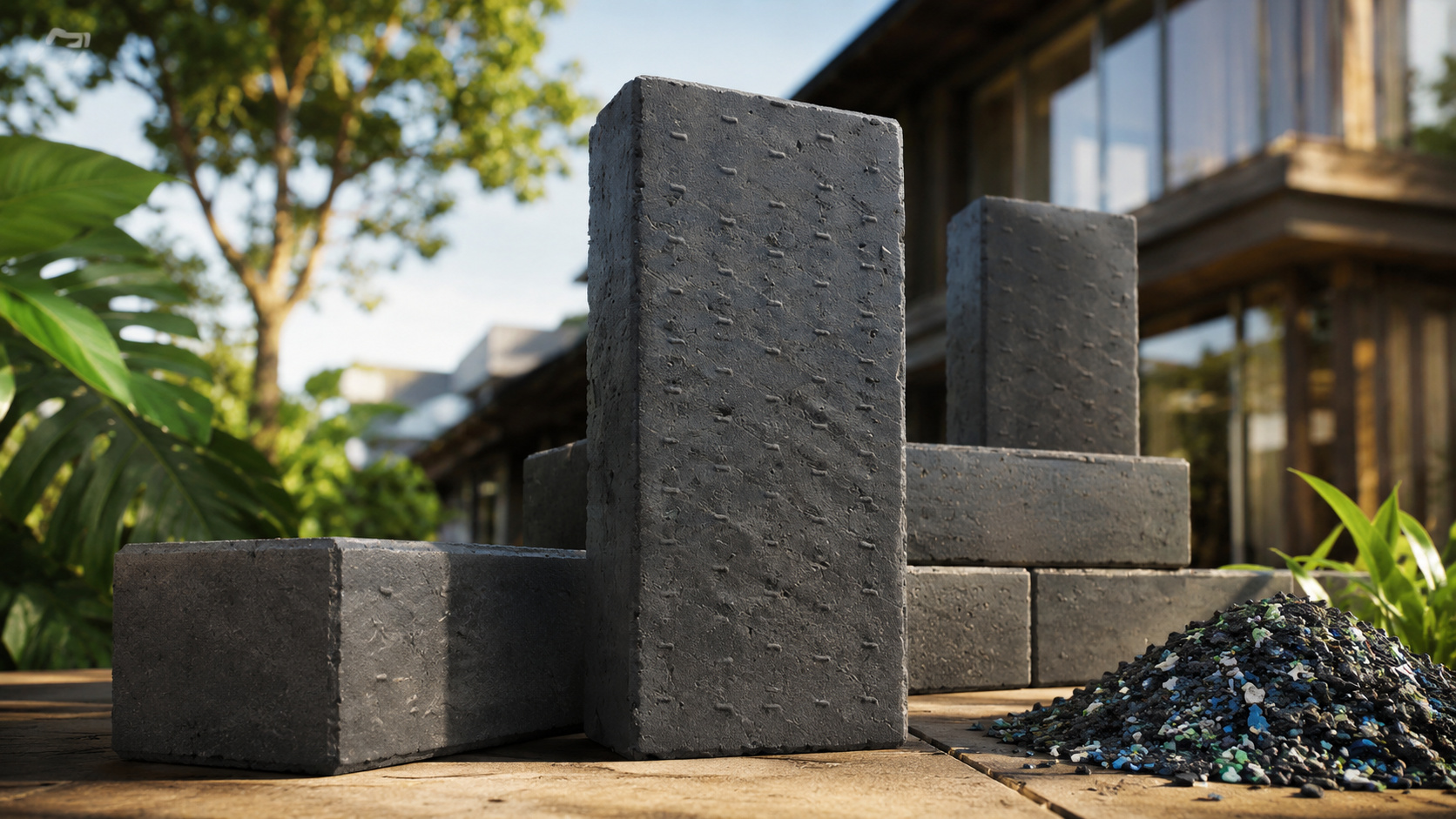
An architect transformed plastic waste into bricks that fit together like Lego, and with just four people, built a 40 m² two-bedroom house in five days for about US$ 6,800, proving that street pollution can become a roof for the poor.

In practice, a roof with sandwich tile needs a metal structure, assembly, gutters, flashings, screws, silicone, and specialized labor. When all these items are included in the budget, the final value is quite different from the first estimate made only with the tile price.
Real project uses embedded roof in 180 m² townhouse
The example used by the builder is a medium-standard townhouse with 180 m² of built area, located in São Carlos. The considered roofing has 130 m², a smaller area than the total square footage of the house, something common in townhouses.
The chosen solution was an embedded roof, hidden by the parapet. This type of roof is frequent in modern constructions because it leaves the facade straighter, cleaner, and more contemporary. But the aesthetics only work well when the water drains correctly and the sealing points are well executed.
Embedded roof requires more care against infiltration
In a common roof, water naturally flows down the tiles to the edge. In the embedded roof, the water needs to be collected, conducted, and disposed of through gutters and vertical conductors. Therefore, any error in inclination, sizing, or sealing can cause problems.
According to the builder, infiltrations, wall stains, water backflow, and wet plasterboard are usually linked to failures in gutters and flashings. These items are hidden and hardly appear in the construction photo, but they can be the first suspects when water starts to enter.
How the sandwich tile works
The sandwich tile, also called isotelha in some regions, is made up of two metal sheets with an insulating material in between. This internal core is what changes much of the thermal, acoustic performance, durability, and cost of the system.
The three types compared in the budget were EPS, PUR, and PIR. The external structure looks similar, but the filling changes the efficiency and price. Therefore, choosing a sandwich tile is not just about deciding on the appearance of the roof, but rather the expected performance for the construction.
EPS is the most economical option among the three scenarios
The sandwich tile with EPS was presented as the most accessible scenario of the comparison. In the budget for the 130 m² construction, the cost of the EPS tile was R$ 12,134, being the lowest value alternative among the three types analyzed.
According to the builder, this option usually makes sense when the goal is to improve thermal and acoustic comfort compared to a simple metal tile, but keeping the budget more controlled. It delivers superior performance to a common trapezoidal tile, without reaching the cost of more advanced cores.
PUR increases performance and also the budget
The tile with PUR, made with polyurethane, appears as a higher standard alternative than EPS. In the presented example, the cost of the tile with this filling was R$ 16,600 for the same 130 m² coverage.
The justification for this choice lies in the superior thermal and acoustic performance. The builder explains that PUR may be of interest when the client seeks more comfort and is willing to pay a little extra for it. The decision depends on the available budget and the expected performance level for the house.
PIR has higher performance, but it needs to fit the budget
The third scenario was the sandwich tile with PIR, identified as the highest performing alternative among the three options mentioned. In this case, the cost of the tile was R$ 18,150, a higher value than EPS and PUR.
PIR was presented as a solution with better thermal and acoustic performance, greater durability, and superior behavior in relation to flame propagation. Even so, the builder emphasizes that it is pointless to choose the most expensive material if the construction budget does not allow it. The best choice needs to align with the project and the financial reality of the construction.
Metal structure comes before the tile
Before the installation of the sandwich tile, the roof needs a metal structure capable of safely supporting the pieces. In the presented case, the cost of the structure materials was R$ 5,530, while the labor cost was R$ 3,200.
Combined, these two stages amounted to R$ 8,230 even before purchasing the tile. This value is often ignored by those who only calculate the square meter of the roof, but it is the structure that defines support, inclination, fixation, and the roof’s operational capacity.
Gutters and flashings almost match the cost of EPS tile
The part of gutters, flashings, finishes, and embedded labor amounted to R$ 11,000 in the presented example. This value is noteworthy because it is quite close to the cost of the EPS tile, budgeted at R$ 12,134.
For the builder, this is one of the points that should not be economized on in any way. In embedded roofing, gutters and flashings are responsible for sealing gaps between the tile and masonry and properly directing water. When this stage fails, the rework after the construction is complete can be much more expensive.
Final cost changes with each type of filling


With all items combined, the complete coverage with EPS sandwich tile amounted to approximately R$ 31,300. This was the lowest total cost among the three scenarios analyzed for the 130 m² construction.
In the scenario with PUR, the total value was around R$ 35,800. With PIR, the approximate cost reached R$ 37,400. The difference shows that the insulating material changes the budget, but it is not the only factor that weighs on the final cost of the roofing.
Choice should not be made solely based on the lowest price
The builder states that there is no single right or wrong tile for all projects. EPS can meet projects with a more controlled budget, while PUR and PIR may make sense when the client seeks superior performance and is willing to invest more.
The decision needs to consider region, project, expected comfort, durability, execution, and total budget. Looking only at the price of the sandwich tile can lead to an incomplete choice, because the system depends on the combination of tile, structure, sealing, slope, and labor.
Infiltration can arise from poorly calculated decision
A poorly executed embedded roof can cause infiltration, stains, water return, and damage to the ceiling. The problem is not necessarily with the tile, but with the sum of decisions made during the project and installation.
Therefore, the builder emphasizes the importance of thinking about the complete system. A small saving on gutter, flashing, slope, or fastening can compromise an entire roof, especially when water does not have an easy outlet as in a traditional apparent roof.
Complete account avoids budget surprise
The main lesson from the example is that the real cost of a roof with sandwich tile goes far beyond the value of the piece. Metal structure, labor, gutters, flashings, screws, silicone, and assembly can completely change the initial estimate.
Before choosing between EPS, PUR, and PIR, it is ideal to compare the entire system, not just the price per square meter. Do you think it’s worth paying more for thermal performance and lower risk of infiltration, or do you prefer to save on the roof and reinforce other points of the construction? Share your opinion.