





 Portuguese
  English
  Spanish
  3 min of reading
  0 comments


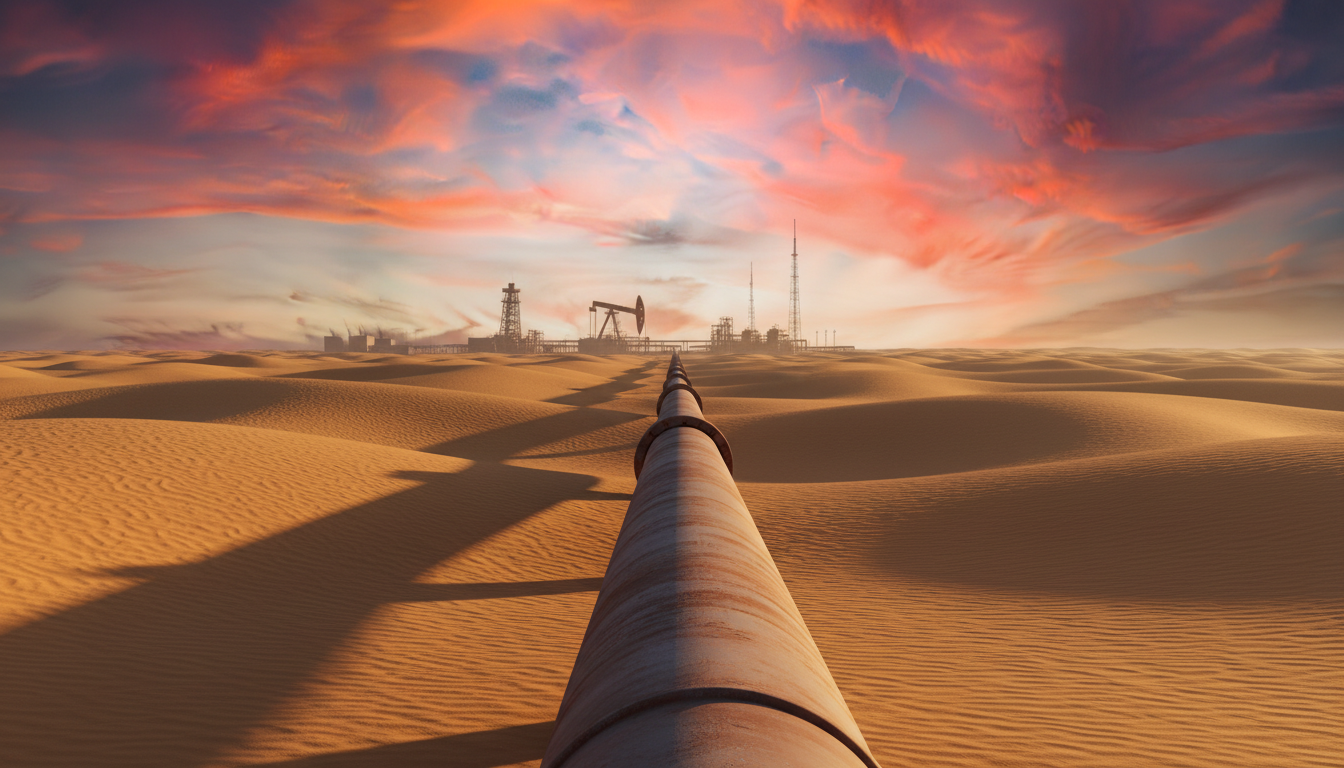
Drone hit East-West Pipeline pumping station on April 8, 2026, hours after ceasefire between the US and Iran, cutting 700,000 barrels per day from a pipeline with a capacity of 7 million
The pipeline was built in the 1980s, during the Iran-Iraq War, so Saudi Arabia could export oil without relying on the Strait of Hormuz. Four decades later, a single drone proved that the alternative route is also vulnerable. On April 8, 2026, around 1 PM local time, an attack hit a pumping station of the East-West Pipeline, interrupting the flow of 700,000 barrels of oil per day — exactly the scenario the infrastructure was designed to avoid.
As reported by O Cafezinho, the attack occurred hours after a two-week ceasefire between the United States and Iran. The Saudi state agency confirmed the cut in flow but did not officially disclose those responsible.

Hormuz closed, pipeline hit: oil trapped on both sides
The East-West Pipeline has the capacity to transport up to 7 million barrels per day, connecting the Persian Gulf to the Red Sea. At the same time, the Strait of Hormuz — responsible for 20% of all global oil, less than 40 km wide — remained with severely reduced traffic, close to a shutdown, even after the ceasefire.
-
BYD officially enters the semiconductor race by launching the Xuanji A3, a self-developed chip in China that reinforces the technological verticalization strategy and can reduce costs in millions of smart vehicles.

-
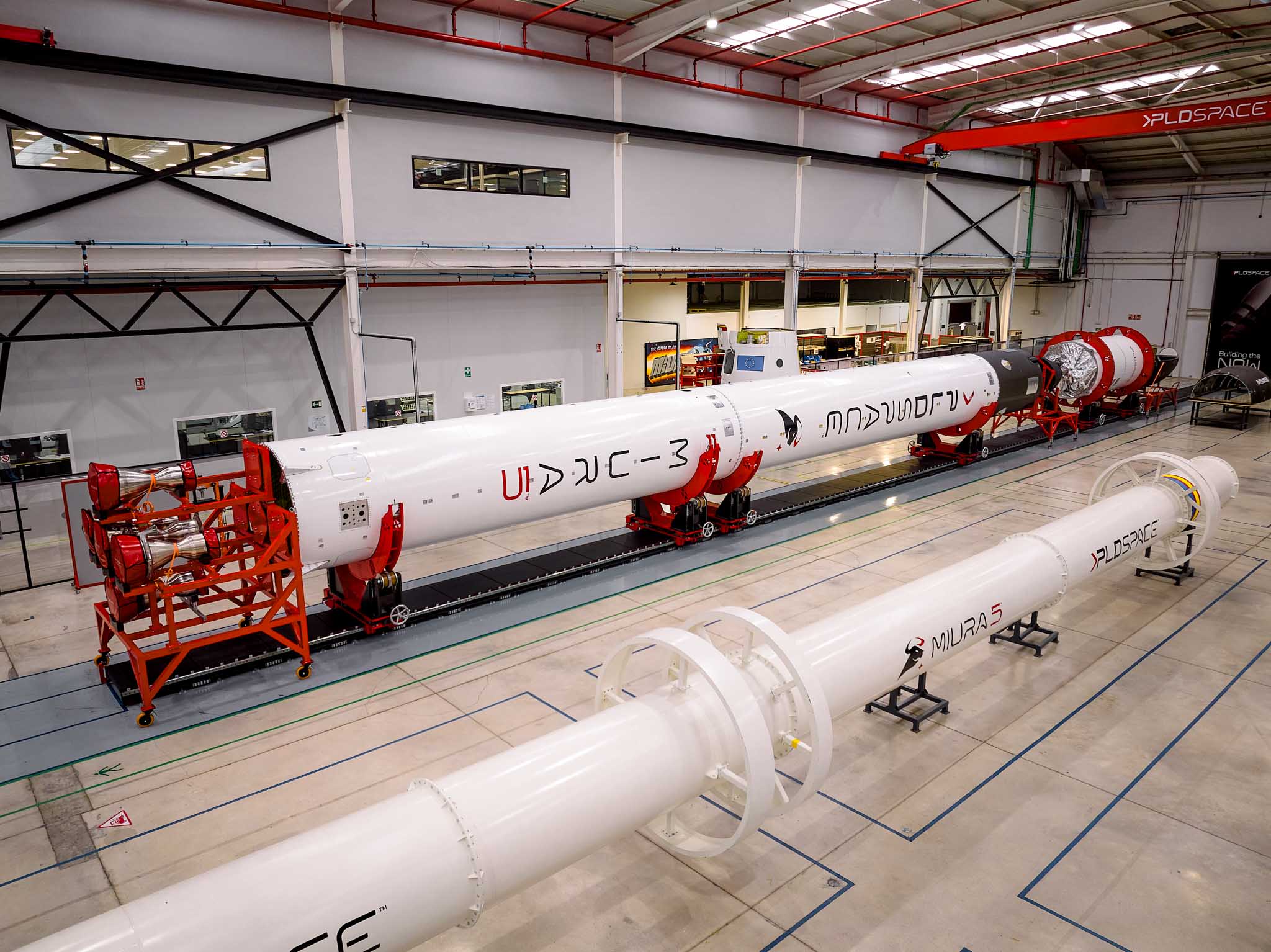
While SpaceX lands rockets as a routine, Spain wants to enter orbit with its own recoverable microlauncher; the Miura 5 emerged from a Spanish startup, gained a complex in Kourou, and aims to transform small satellites into a sovereign European market.

-
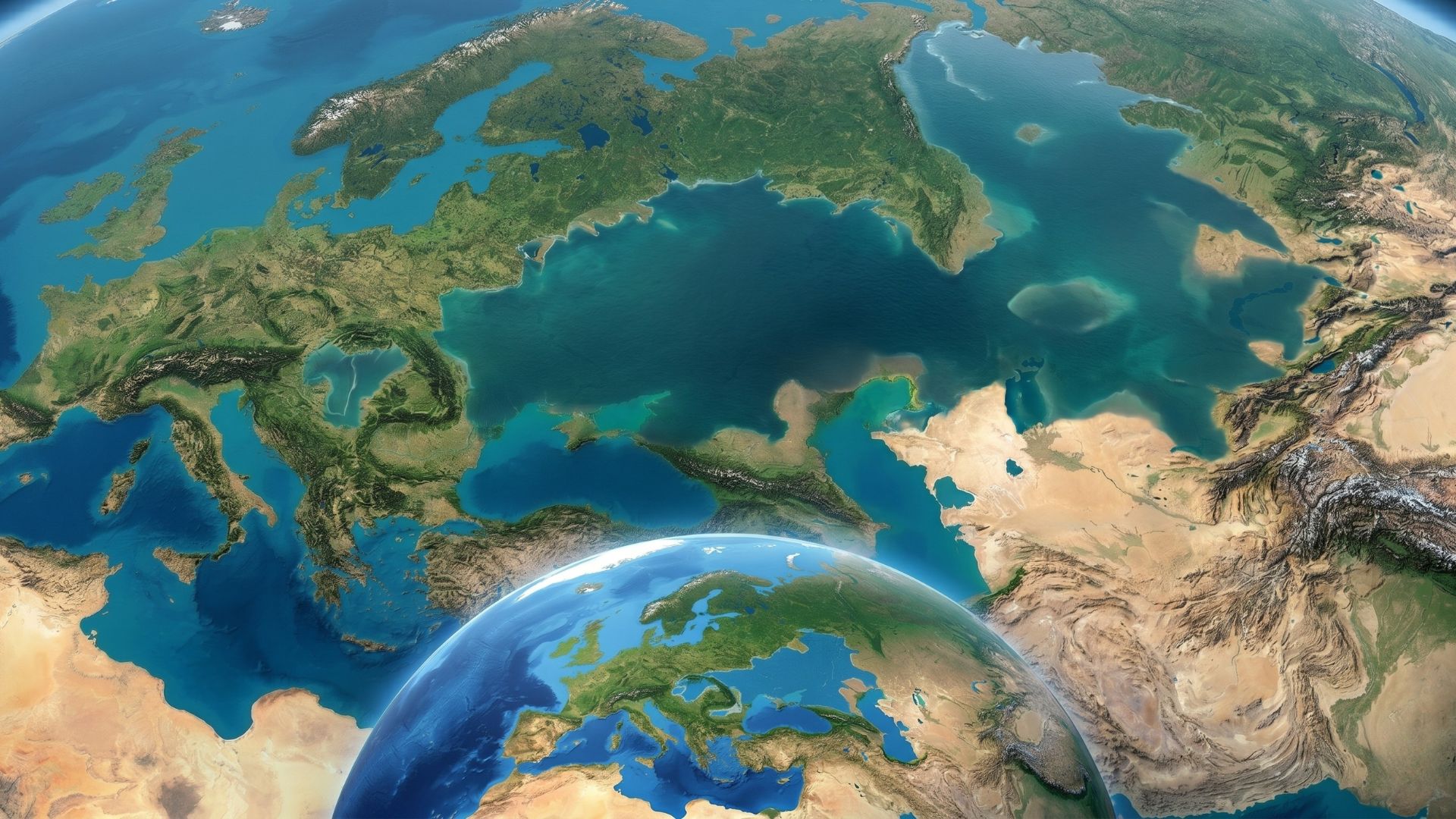
Seven researchers from the Netherlands, Brazil, Russia, Romania, and Germany have reconstructed the largest lake that ever existed on Earth: about 10 million years ago, the Paratethys covered 2.8 million km², lost up to 70% of its surface, exposed 1.75 million km² of dry seabed, and transformed an ancient sea of Eurasia into a colossal geological scar.

-
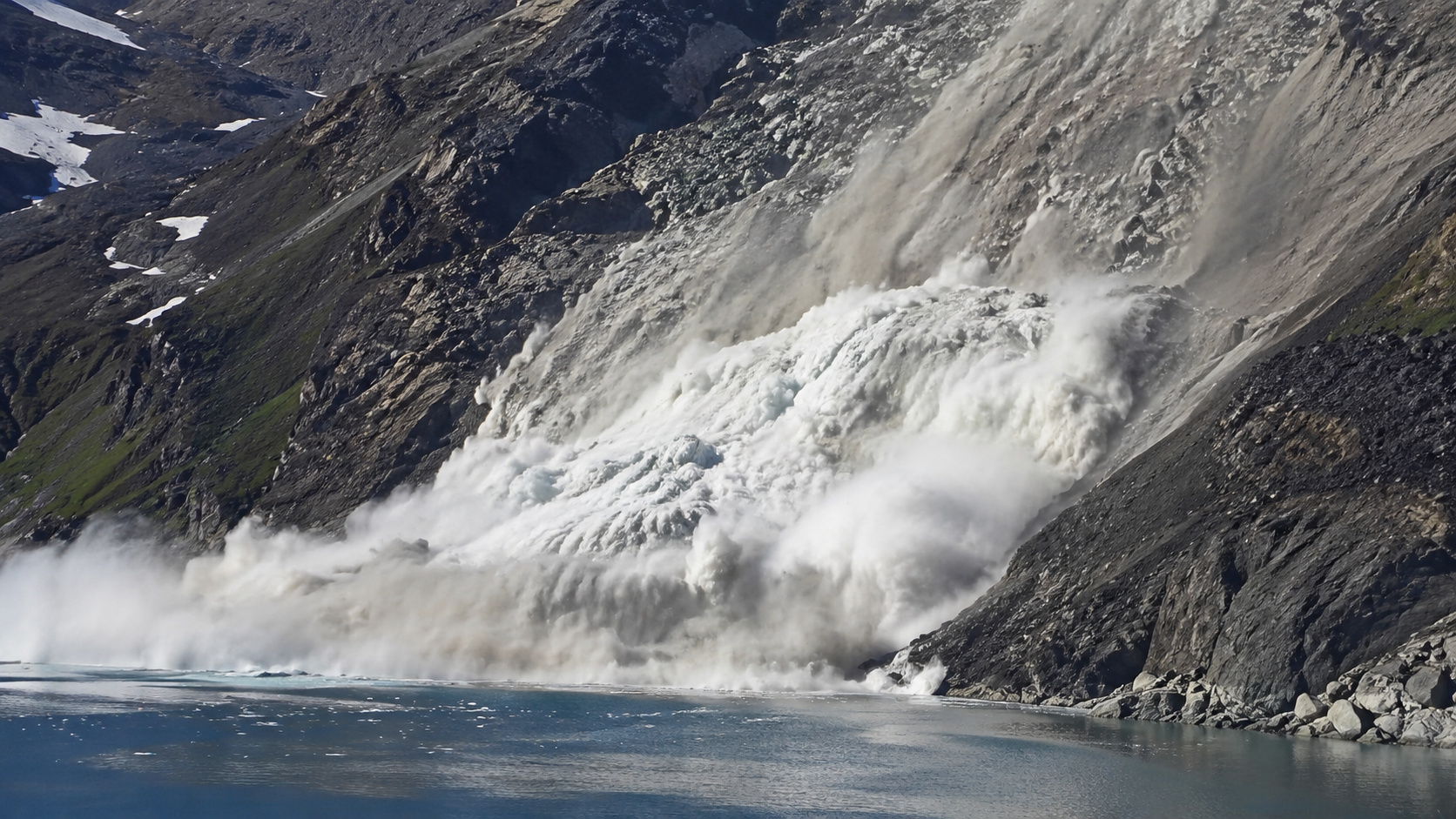
68 researchers from 15 countries deciphered the tremor that made the Earth vibrate like a bell for nine days: 25 million m³ of rock and ice, a volume sufficient to fill about 10,000 Olympic swimming pools, collapsed into a fjord in Greenland, triggered a 200-meter megatsunami, and revealed a climate catastrophe that science did not expect to see on this scale.

With Hormuz practically blocked and the East-West hit, Saudi Arabia — the world’s largest oil exporter — saw its two main export routes compromised simultaneously.
Attacks on the Manifa and Khurais fields had already reduced Saudi production by 600,000 barrels per day. Thus, the total impact exceeded 1.3 million barrels daily — nearly the entire production of countries like Norway.
Other episodes of the crisis in the Strait of Hormuz continue to reshape the global energy map. Chinese supertankers were the first to cross Hormuz after the truce, testing the new navigation reality in the region.

Oil returns to $100: what the market did in the following hours
On April 10, 2026, West Texas Intermediate (WTI) futures contracts for May reached $100.40 per barrel before retreating to $97.89. Brent for June hit $97.59, a 1.7% increase. As analyzed by Exame, analysts at Goldman Sachs predicted that buyers would turn to strategic reserves and alternative sources for at least another month.
Beciri, quoted by CNBC, summarized the situation: “There is no known or established way to cross the Strait of Hormuz. There isn’t even a clear way to contact the Iranians to find out how to do it.”

What is still unknown — and why the situation may worsen
Saudi Arabia has not officially disclosed those responsible for the attack. Journalistic sources suggest involvement of armed groups or state actors linked to Iran, but there is no official confirmation. The extent of the damage to the infrastructure and the timeline for restoration also remain unknown — Saudi statements have been vague so far.
If the flow in Hormuz does not normalize and the East-West takes time to be repaired, the impacts could quickly escalate. Importing economies like China, Japan, and Europe may face supply shortages. However, if repairs are swift and Hormuz partially reopens, prices could fall below $90 — a scenario that no analyst dismisses, but few consider likely in the short term.




Be the first to react!