






 Portuguese
  Spanish




BYD Company Makes Revolutionary Announcement for Electric Cars While Facing Slavery Controversy at Its First Brazilian Factory.
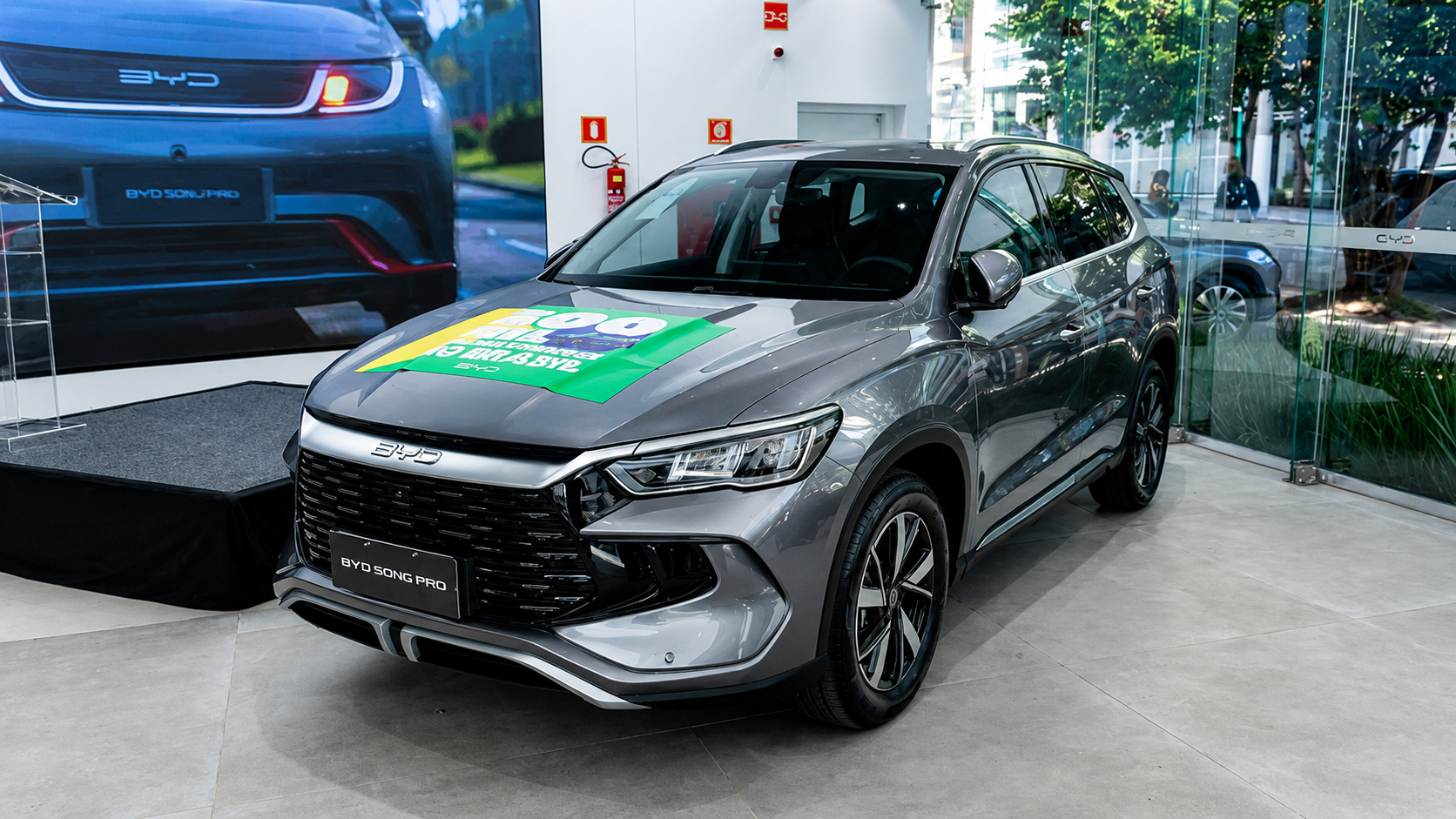
BYD, one of the largest electric vehicle manufacturers in the world, announced that it will start production of its first cars in Brazil from March 2025. The new factory, located in Camaçari, Bahia, marks an important step for the Chinese automaker’s expansion in Latin America. However, the project faces controversy involving allegations of slave-like working conditions, raising questions about labor practices and local impact.
Vehicle Production in Brazil: A New Era
The Camaçari factory will be BYD’s first facility to produce flex hybrid vehicles in the world, combining electric motors, gasoline, and ethanol. According to the announcement made during a meeting with President Luiz Inácio Lula da Silva, the automaker aims to produce 150,000 vehicles by the end of 2025 and reach an annual capacity of 300,000 units in 2026.
Brazil, considered BYD’s largest market outside of China, will have its automobiles destined for both domestic consumption and neighboring countries in South America. With an investment of 620 million dollars, the manufacturing complex in Bahia represents a milestone in advancing electric vehicle technology in the country.
-
Chery Offers Lifetime Battery Warranty and Car Replacement for Major Failures Under New Chinese Regulations

-
Nissan Discontinues Qashqai SUV Amid Cost-Cutting, Chinese Competition, and Product Line Review
-
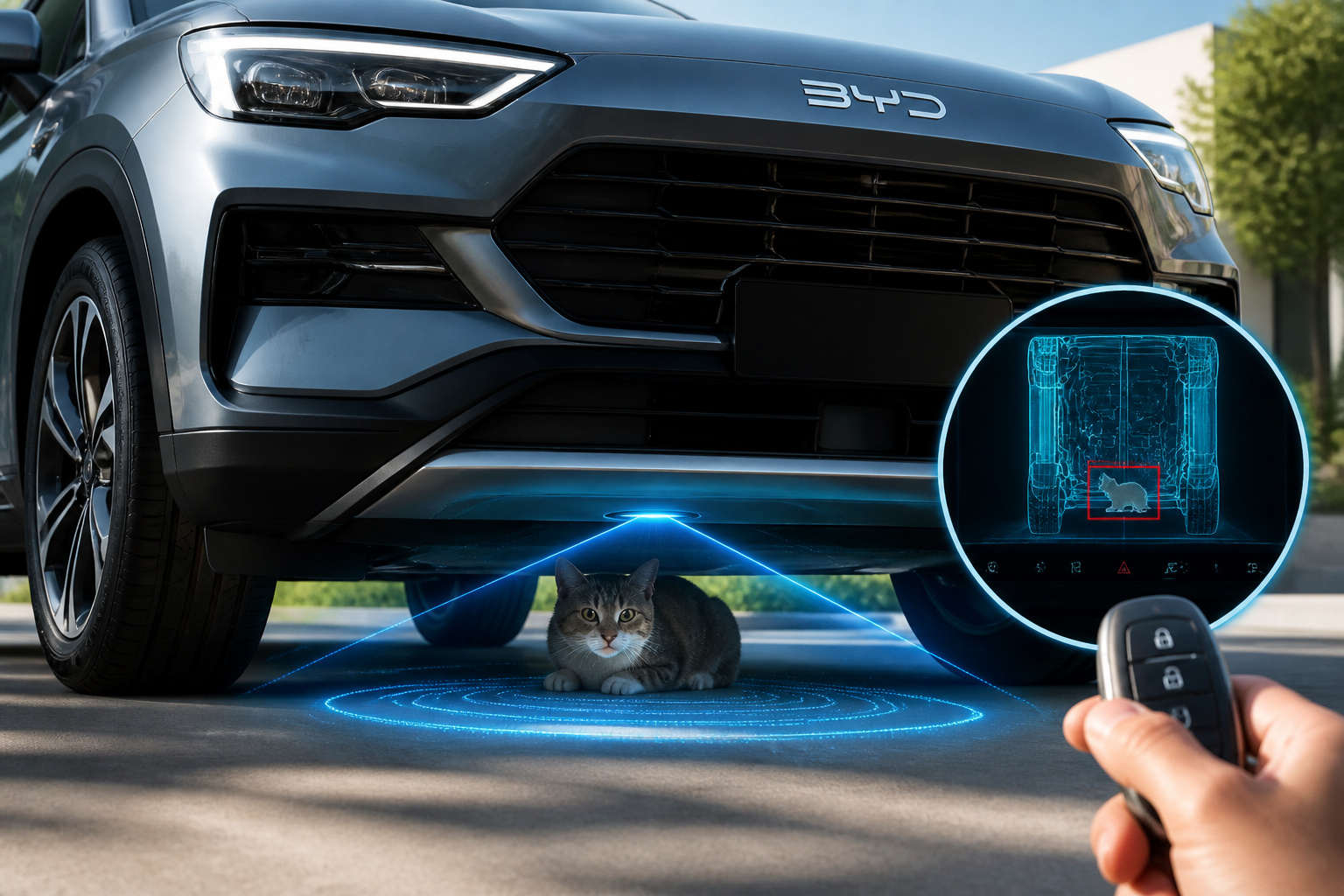
BYD Patents Revolutionary System Using Computer Vision to Detect Animals Under Cars Before Starting, Preventing Tragedies

-
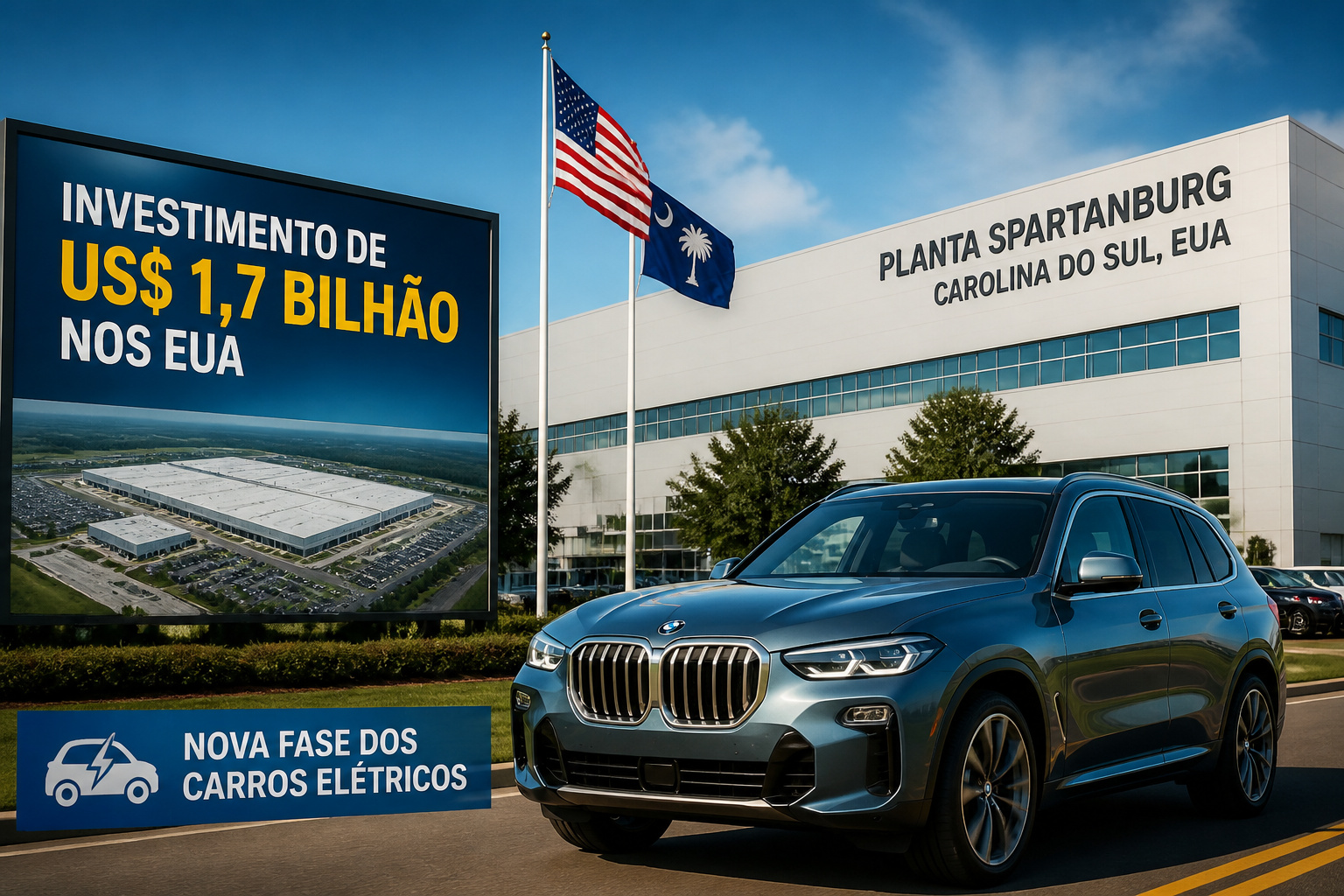
BMW Completes $1.7 Billion Investment in the U.S. for Electric Vehicle Production, Positions South Carolina for New Generation as Rivals Reassess EV Race
Slave Labor Controversy
Despite the optimism regarding production expansion in Brazil, BYD faces a serious labor controversy. Recently, the company was the target of an operation by the Labor Public Ministry (MPT), which found 163 workers in conditions akin to slavery at a construction company hired to work on the factory installation.
According to Brazilian authorities, the workers were linked to the Chinese contractor Jinjiang Group, which allegedly withheld passports from 107 employees and operated illegally in the country. The situation also involves accusations of human trafficking, with the entry of around 500 Chinese workers on temporary visas.
In response to the allegations, BYD stated that it has severed ties with the contractor Jinjiang and committed to regularizing working conditions. However, the case has brought serious repercussions, including the suspension of new temporary visas for the company by the Brazilian government.
Impacts on Bilateral Relations and BYD Expansion
The scandal has generated tension in the relations between Brazil and China, questioning the promised benefits of the factory installation. Brazil, which seeks to attract foreign investments to promote local job creation, sees the Chinese model of bringing labor from its own country as a challenge for generating job opportunities for Brazilians.
The investigation also comes at a delicate moment for BYD, which is in the midst of global expansion and seeks to consolidate its leadership in the electric vehicle market. Brazil, where nearly 20% of BYD’s sales outside of China occurred in 2024, is a strategic pillar for the automaker’s international plans.
However, the allegations of slave labor may have significant consequences for the company, including restrictions on bank financing and damage to its reputation.
Future of Production and Monitoring
Despite the impact of the investigations, BYD claims that the production at the Camaçari factory is still slated to begin in March 2025. According to labor auditor Liane Durão, who leads the investigation, inspectors will continue to monitor the automaker’s operations to ensure that working conditions are appropriate.
The establishment of BYD’s factory in Brazil brings promises of technological innovation and positive economic impact, but also highlights significant challenges related to labor practices. As the automaker advances in its production plans, the allegations of slavery underscore the importance of strict monitoring and a commitment to respecting human rights.
With the electric vehicle sector expanding, BYD’s response to the accusations will be crucial in defining its position in the global market and its relationship with Brazil as one of the company’s main production hubs.







Esses bahianos sempre alegando trabalho escravo! Só querem rede.
Alguém se surpreendeu com as práticas escravagistas dos “carasdekombi”?
Este reporte está deslizando na maionese. Quem primeiro fabricou e ainda fabrica o primeiro híbrido Frex no Brasil foi a Toyota.
Desculpe, mas ele disse: primeira fábrica da BYD no mundo a produzir veículos flex.