






 Portuguese
  Spanish


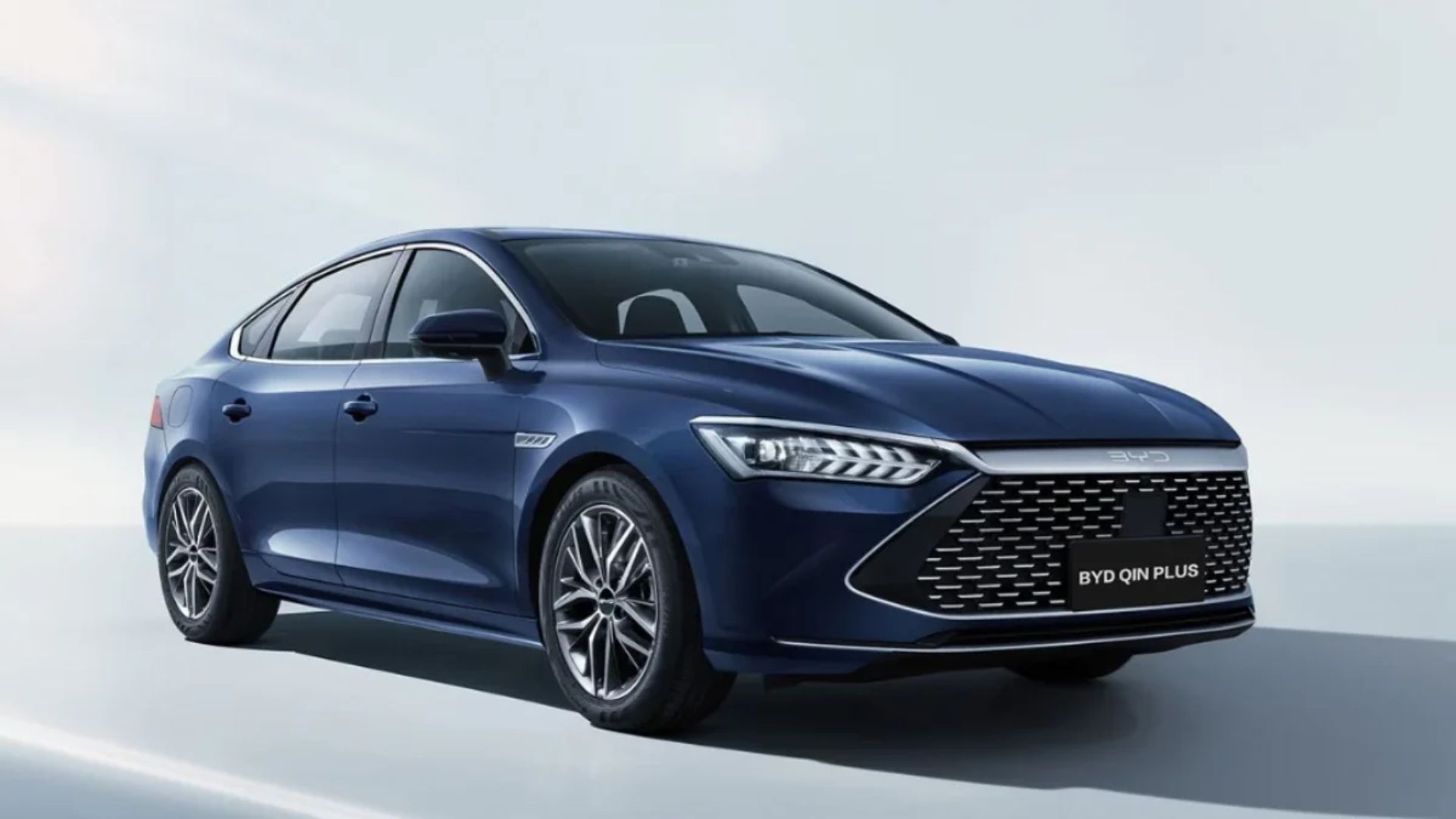


With An Announced Range Of Over 2,000 Km And Next-Generation Hybrid Engine, The BYD Qin Plus Is Set To Be The Next Step For The Brand To Compete With The Toyota Corolla In Brazil, Aiming For Efficiency And Cutting-Edge Technology.
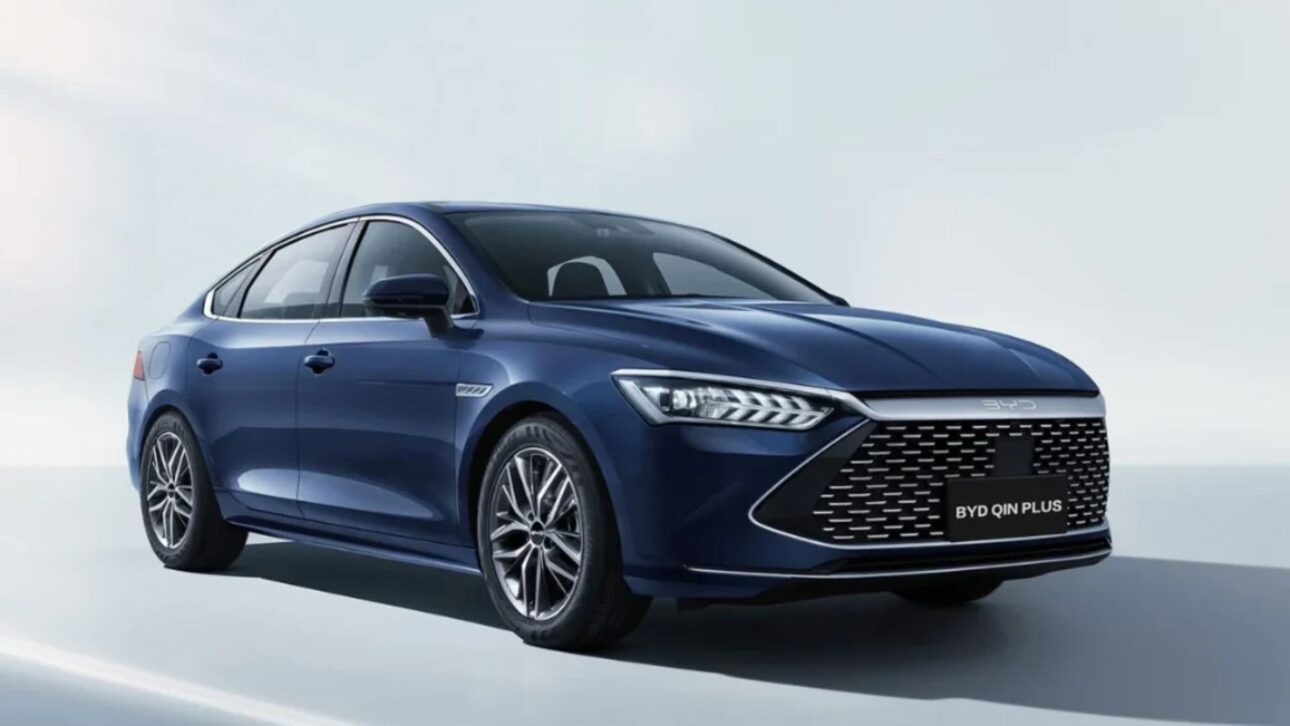
The BYD Qin Plus has been registered with the INPI and stands out as the brand’s next plug-in hybrid aimed directly at the Toyota Corolla in Brazil.
The strategy is to position it below the BYD King to expand the manufacturer’s presence in the sedan segment, with the strong appeal of a combined range exceeding 2,000 km, thanks to the latest evolution of the company’s hybrid system.
What Is Confirmed For Brazil
For now, there is a design registration with the Brazilian authority and an indication that the Qin Plus will serve as a more accessible option to the King.
-
Sales of Brazil’s Cheapest Electric Car Halted Before First Deliveries: E-Motors Suspends Emova Easy Due to Import Tax Increase and Rising Freight Costs

-
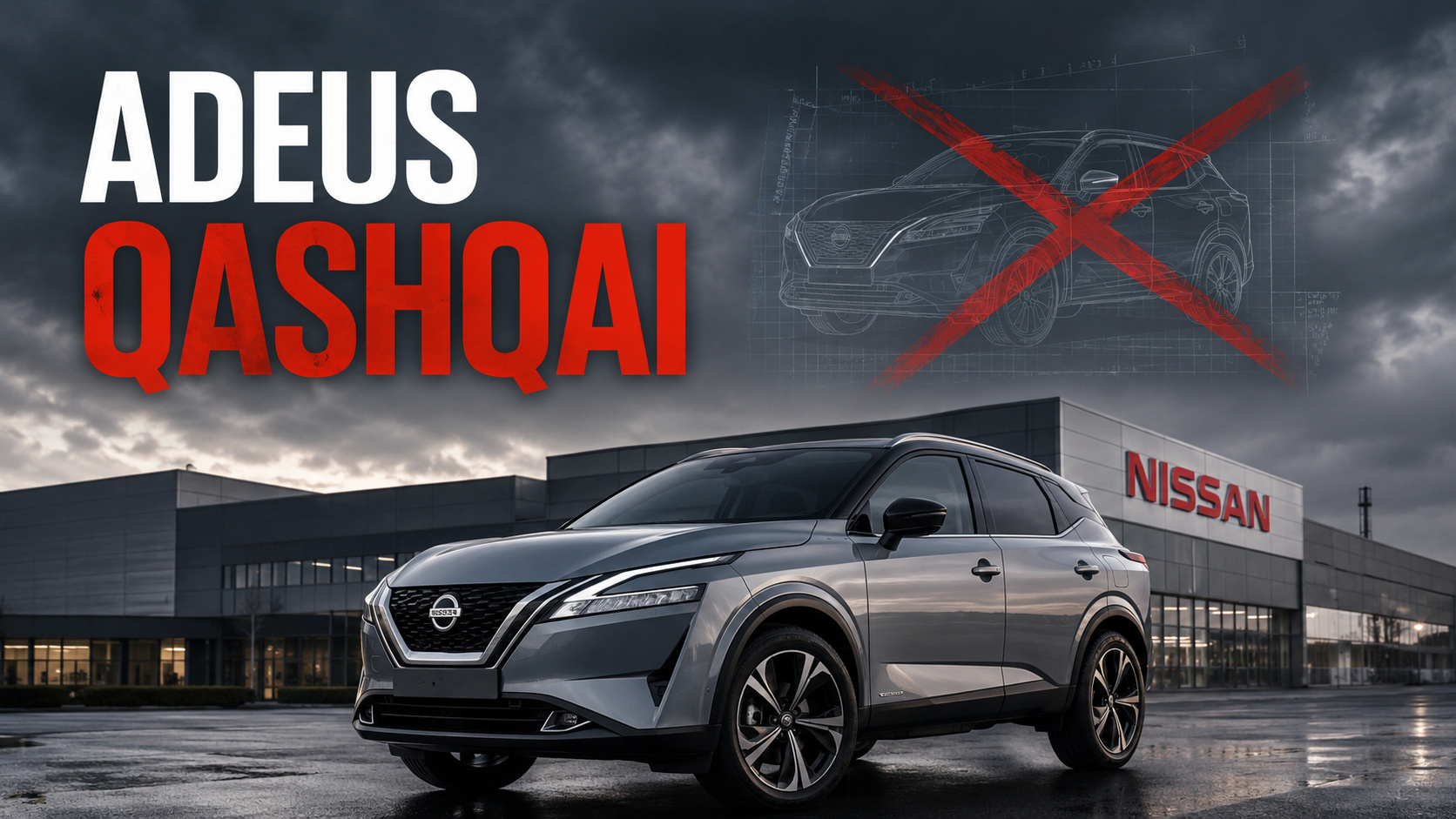
Nissan Discontinues Qashqai SUV Amid Cost-Cutting, Chinese Competition, and Product Line Review

-
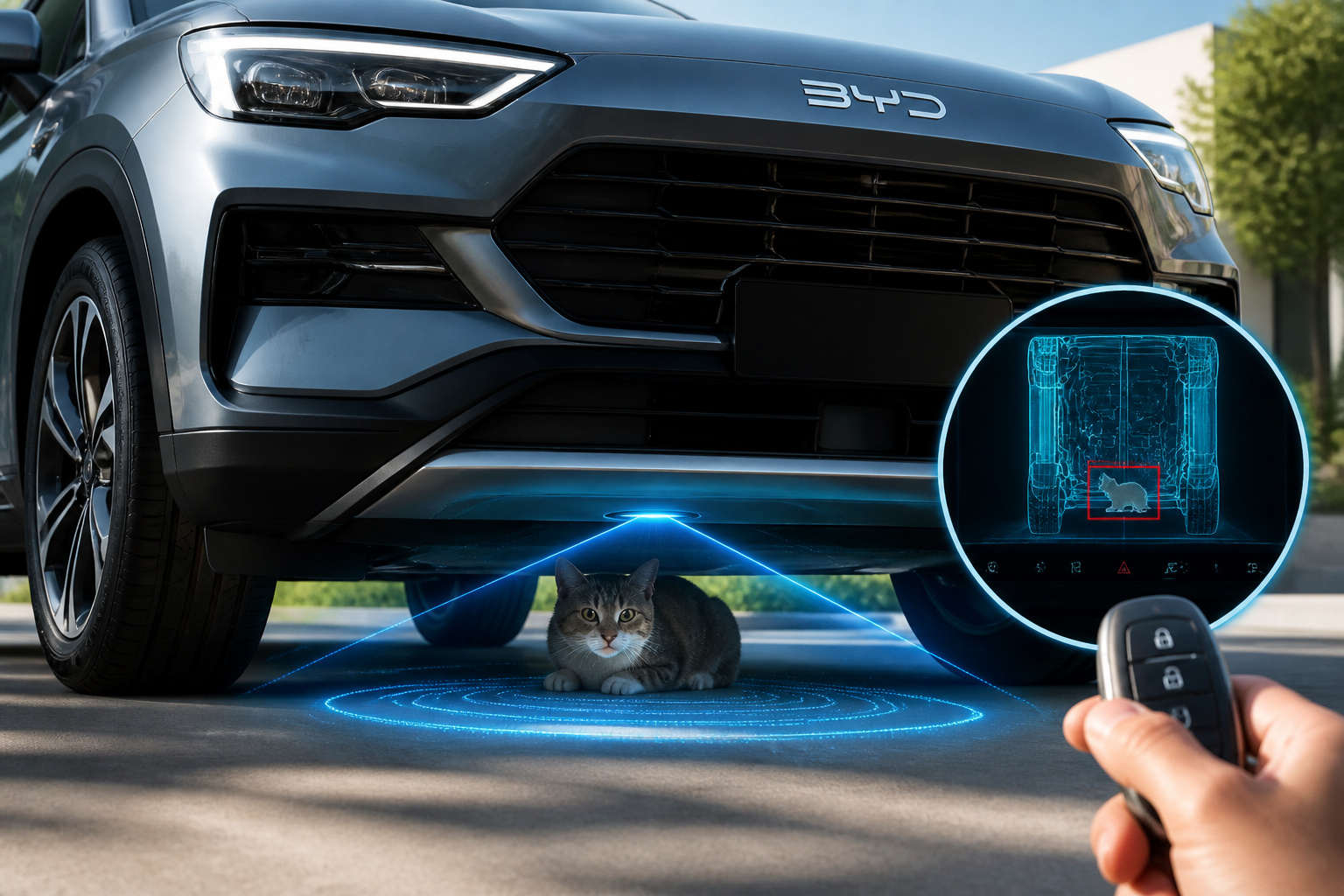
BYD Patents Revolutionary System Using Computer Vision to Detect Animals Under Cars Before Starting, Preventing Tragedies

-
Study Reveals Why Cars Are More Expensive to Produce and Buy in Brazil Compared to Mexico, Highlighting Taxes, Logistics, and Industrial Costs as Key Factors.


This move adds to other processes the company is undergoing in the country, but there is no official launch date or version definition yet.
Specialized publications report that the sedan may be produced locally in the future; however, the manufacturer has not confirmed a timeline.
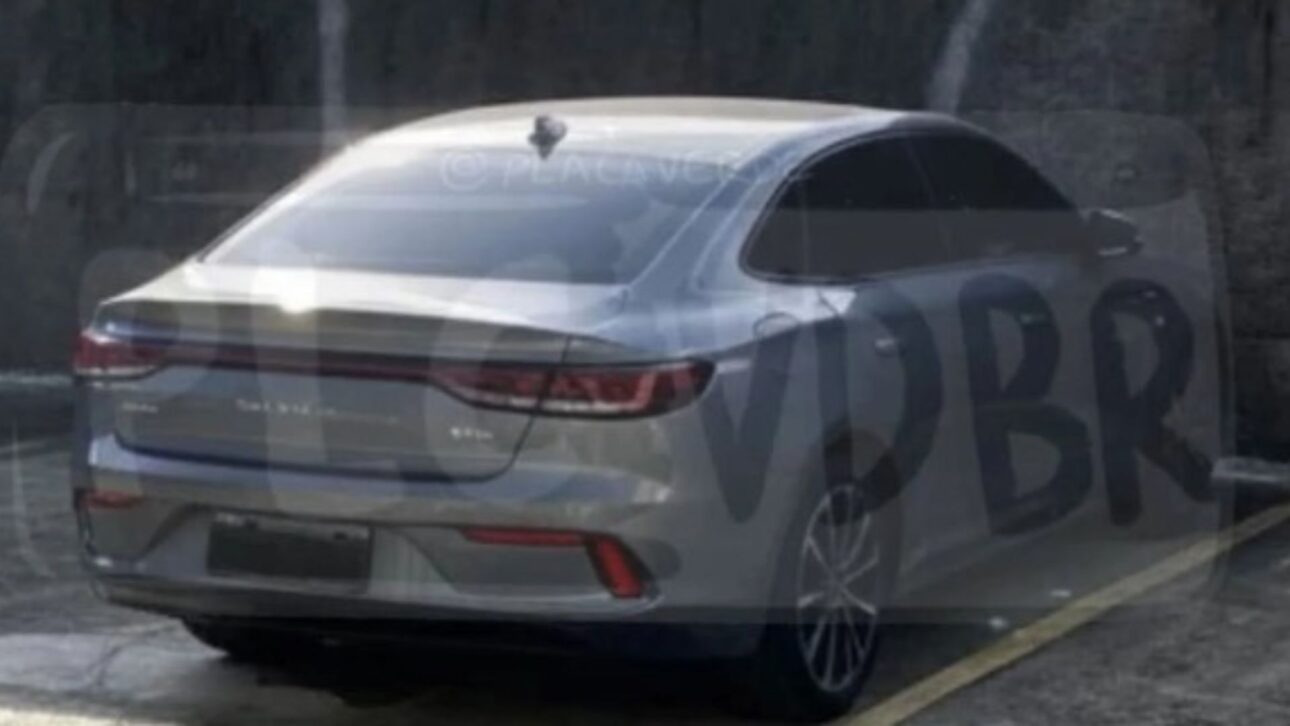
Design And Size: Classic Of The Dynasty Family
In design, the Qin Plus follows the identity of the Dynasty family, featuring a large grille and interconnected taillights.
Although it resembles the King, it adopts a unique front-end configuration — a solution already seen in sedans from the line in China.
In dimensions, the latest generation of the Qin Plus DM-i measures 4.78 meters in length and has a wheelbase of 2.718 meters, which is typical for current mid-size sedans and greater than that of the Corolla, which has 4.63 meters in length and a wheelbase of 2.70 meters.
What Is Behind The Range Above 2,000 Km
The leap in efficiency comes from the fifth generation of BYD’s hybrid, the DM-i 5.0, which has reduced the reported consumption to 2.9 L/100 km under depleted battery condition and increased the combined range to up to 2,100 km.
These figures were introduced globally with the launch of the Qin L and Seal 06 in China and serve as a benchmark for the brand’s new wave of PHEVs.
It is this advancement that supports the promises of urban usage with minimal gasoline expenditure and extensive driving in electric mode.
Powertrain: How The Qin Plus Works
The mechanical foundation combines a 1.5 naturally aspirated engine (Atkinson cycle) with a front electric motor.
In the Qin Plus DM-i 2025, the configuration reported in China uses a combustion engine of 74 kW (99 hp) and an electric motor of 120 kW (161 hp), with battery options allowing 43 km or 90 km of travel in 100% electric mode.
Depending on the 65-liter tank and calibration, the Qin line achieves claims of over 2,000 km of total range; in some versions, specialized publications report 2,055 km.
And The “Up To 217 Hp” In The Title?
The up to 217 hp refers to the variants of the DM-i 5.0 architecture with electric motors of 160 kW, applied in models like the Qin L — a sedan positioned above the Qin Plus — and in derivatives with the same technical base.
In the Qin Plus 2025 shown in Chinese stores, the announced power for the electric motor is 120 kW, a value that may vary according to the versions sold in each market.
Internal Space And Equipment
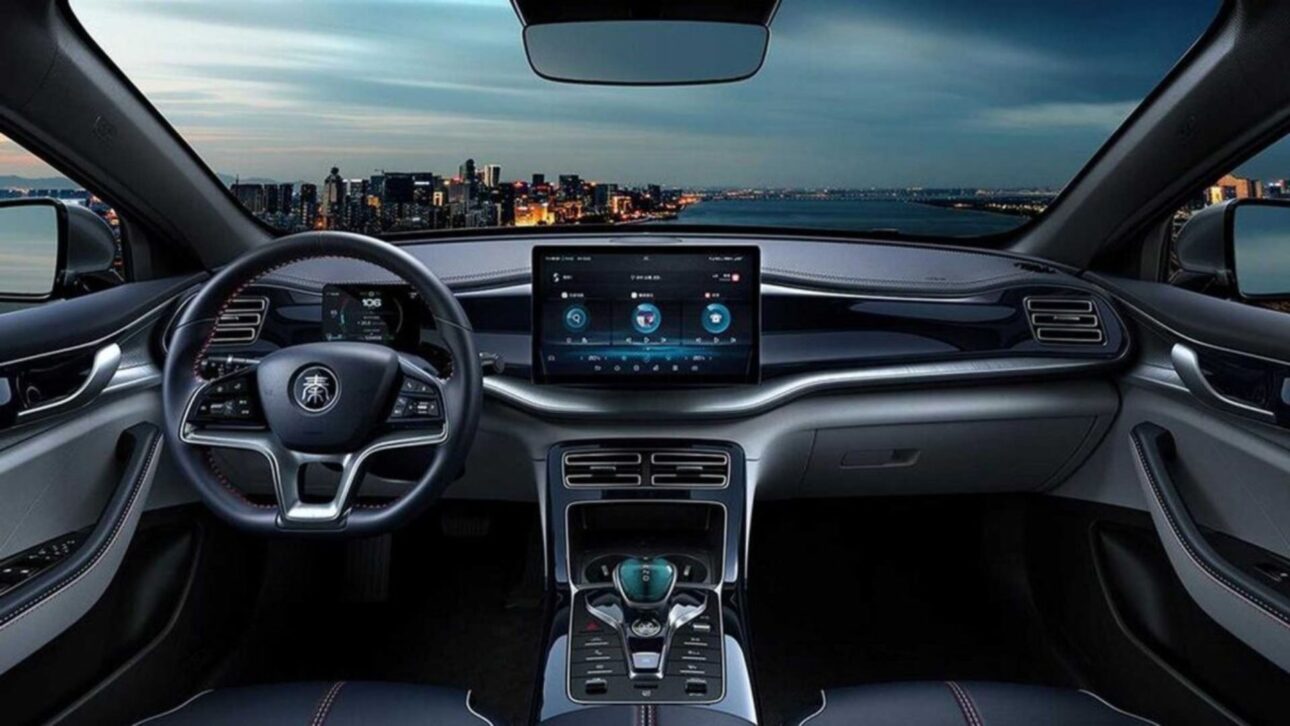
Inside, the sedan adopts a clean dashboard and retains the well-known setup of the brand, with a central screen of 10.1” or 12.8” (depending on the version) and an 8.8” digital panel.
In entry-level versions offered in China, the active driving assistance package is simplified, which helps reduce costs.
The proposal aligns with the positioning below the King, which in Brazil offers a 12.8” rotating screen and a more robust standard content.
Qin Plus X Corolla X King: Where Each One Is Positioned
While the Corolla remains a traditional reference among mid-size sedans, BYD is building a staircase of products.
The Qin Plus is set to act as a gateway to plug-in hybrid sedans, aiming for a more competitive price and very low consumption.
The King, in turn, already homologated in the country, claims up to 1,200 km of combined range and offers a more robust package of technology and finish.
In this arrangement, the offensive increases coverage of price ranges and exerts more pressure on the segment leader.
What Is Left To Know
The BYD is keeping secrets about deadlines, versions, and prices for the Brazilian market.
There is also no Inmetro homologation with local consumption or range data, a step that usually adjusts numbers reported in the Chinese cycle to national measurements.
The registration with the INPI, however, indicates that the sedan is on the radar of the Brazilian operation and may be the next chapter in the brand’s expansion in the country.
Why Does The Range Vary So Much?
The differences arise from the measurement cycle, the size of the tank and the battery, and the energy management strategy.
In Chinese cycles like the CLTC, results tend to be more favorable than in protocols used in the West.
BYD itself, upon launching the DM-i 5.0, presented 2.9 L/100 km and 2,100 km as the maximum reference for the system.
Brazilian publications list 2,055 km for certain configurations of the Qin Plus.
In Brazil, official numbers will only be known after the Inmetro verification.
What To Expect When (Or If) It Arrives
If it confirms its debut, the Qin Plus is expected to focus on extremely low cost per kilometer in daily use and simplified maintenance typical of plug-in hybrids.
The package with electric mode for urban commutes and the combustion engine operating in higher efficiency ranges could make it a rational alternative for fleets and families looking to reduce fuel costs without giving up range.
It remains to be seen how BYD will define versions, content, and pricing to directly confront the lines of the Corolla in the Brazilian retail market.
With this scenario, what will weigh most in your decision for a mid-size hybrid sedan: entry price, electric range for urban use, or comfort and safety equipment?


