






 Portuguese
  Spanish
 3 min of reading
  0 comments


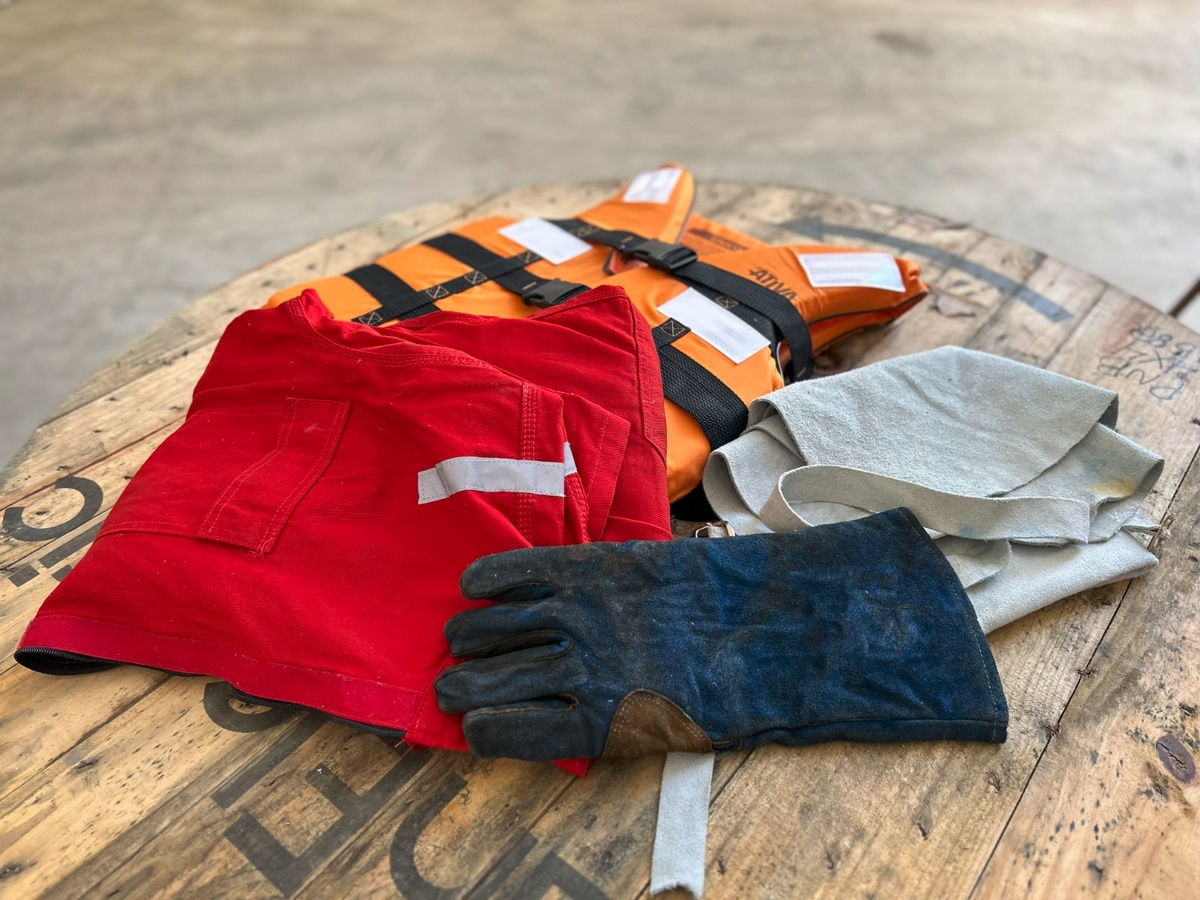
The Initiative Combines Waste Reuse, Social Impact, and Environmental Efficiency, Integrating Local Partnerships and Measurable Goals Since 2025.
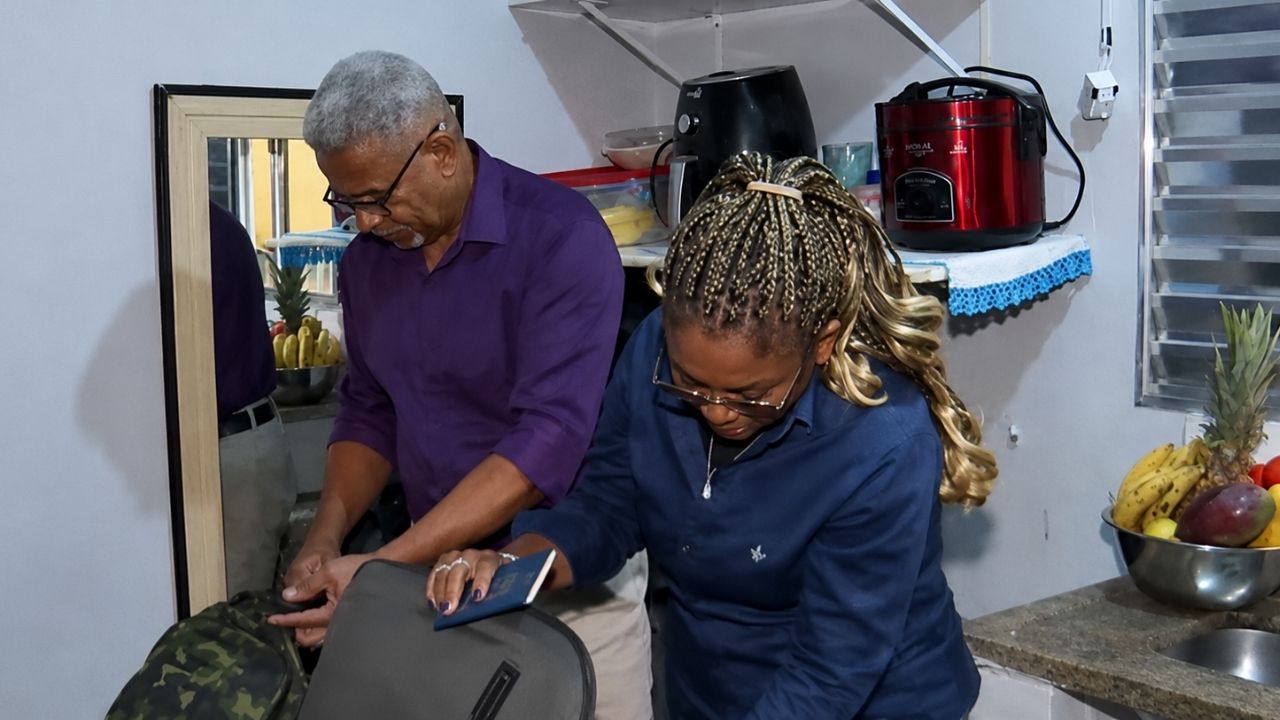
Since the second semester of 2025, Camorim Serviços Marítimos has intensified its environmental agenda with the project Upcycling: Redefining Waste, which redefines the destination of PPE and internal waste. Thus, overalls, aprons, gloves, and vests, previously discarded, become bags, wallets, laptop cases, pouches, and keychains, adding value and reducing impacts.
In this context, through the project, 155 kg of textile material have been transformed into 600 recycled items, which in turn avoided the emission of 186.5 kg of CO2e. Therefore, the results reinforce circular economy and greenhouse gas mitigation, according to internal metrics assessed by the company in 2025.
At the same time, the initiative generates social impact by partnering with the Global South Women Institute. The school-factory, based in Niterói (RJ), has been operating for eight years in responsible textile waste management, consequently promoting the economic empowerment of refugee, migrant, and Brazilian women through industrial sewing.
-
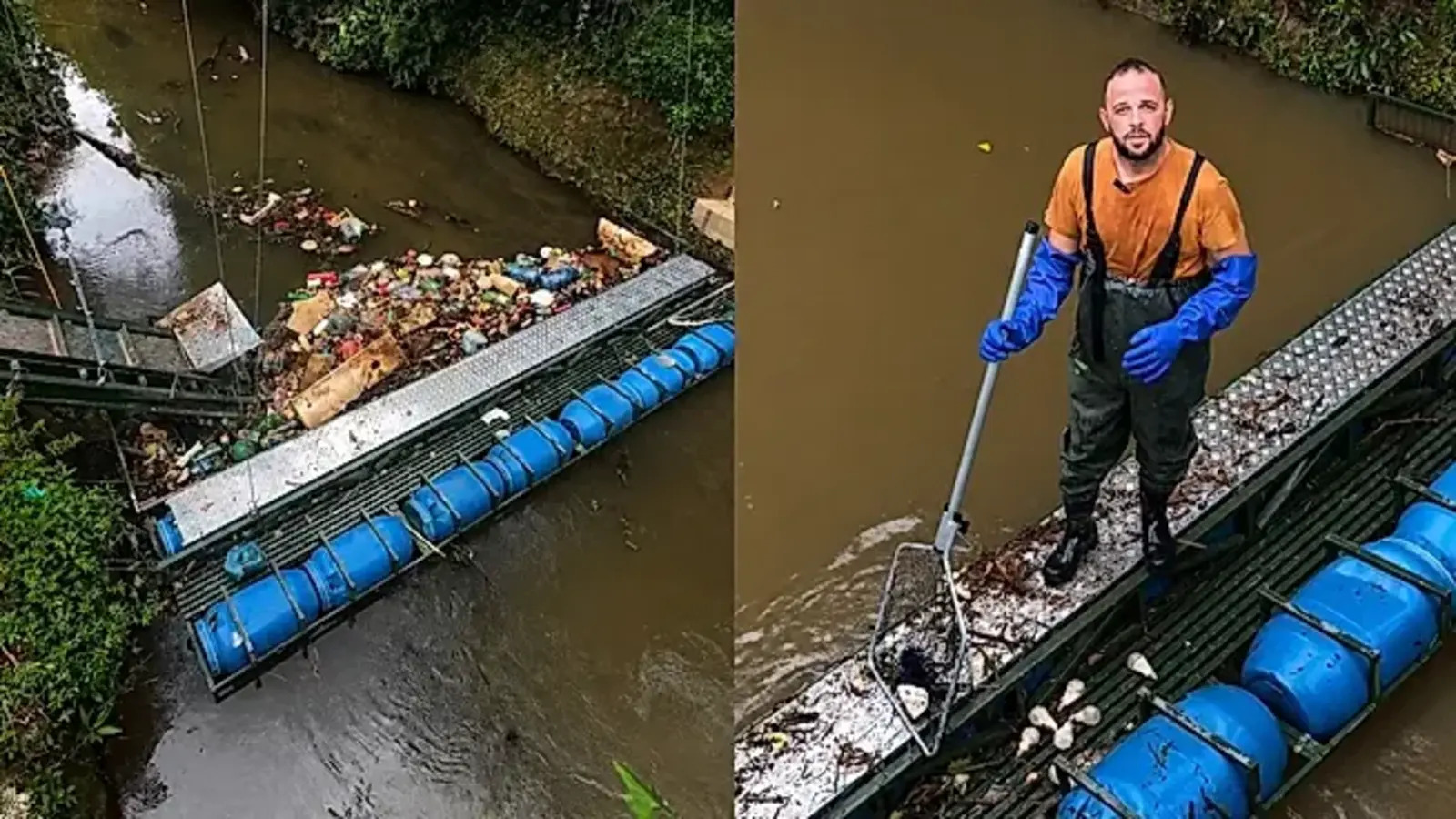
Brazilian promises his children to save a river, creates an eco-barrier in his backyard, has already removed more than 40 tons of trash from the water, and even inspires the idea in other states of the country.

-
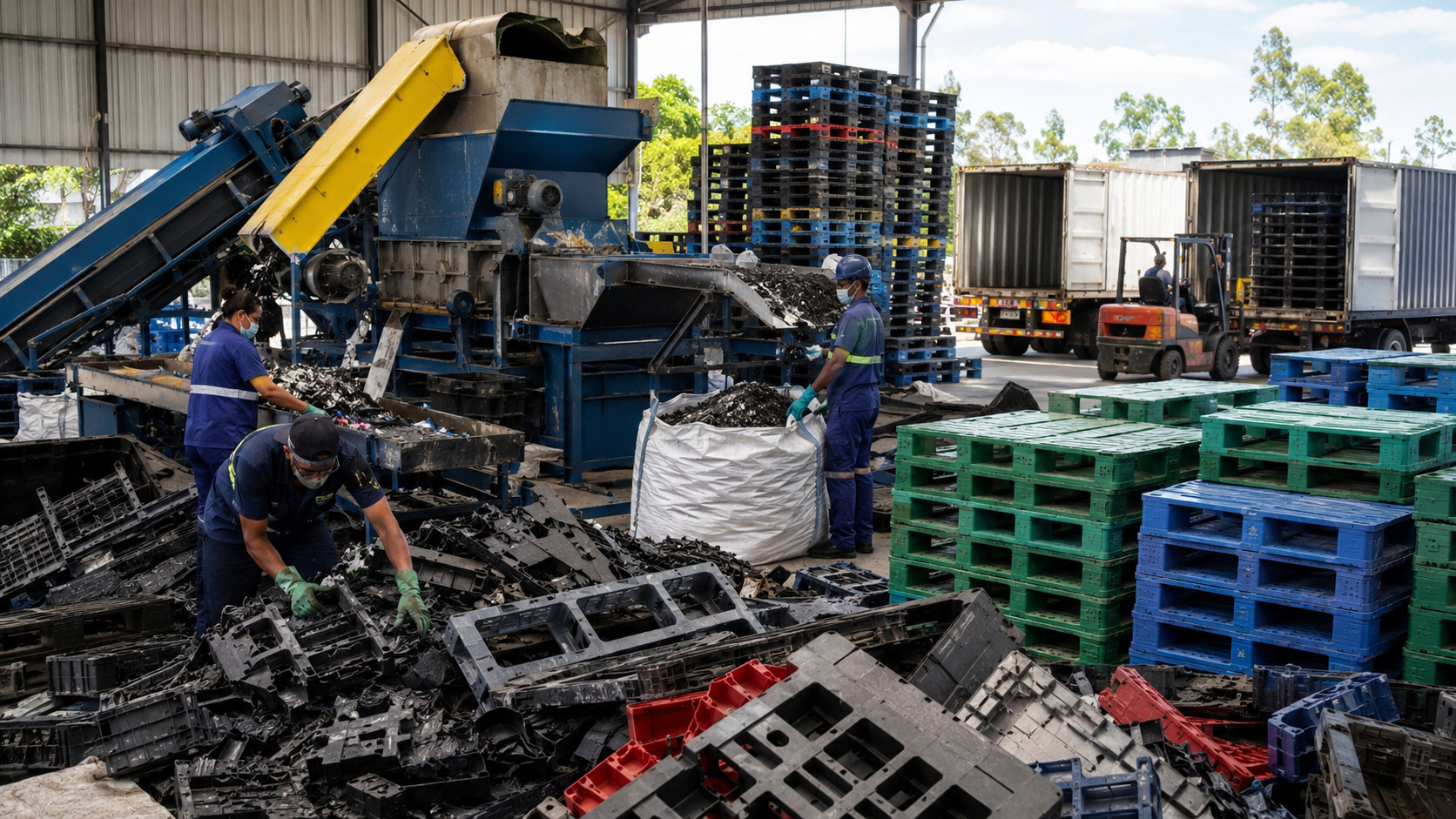
How a Brazilian company created a system that transforms broken pallets of any brand into new assets, recycles 80 tons of plastic per month, and found a profitable solution to a problem that challenges industries across the country.

-
Invasive bullfrog capable of devouring other amphibians and laying up to 20,000 eggs is found in Florianópolis, raising an alert about the threat to native fauna.
-
It looks like a baby, but it’s an adult: meet the Bornean pygmy elephant, the smallest elephant in the world threatened by habitat loss.


Meanwhile, annually, Camorim acquires an average of five thousand uniforms for its employees. Therefore, following safety standards, periodic PPE exchanges are made, which still generate internal waste. In light of this, the goal for 2026 is that most of these materials will be converted into new eco-friendly products, thereby expanding circularity and productive inclusion.
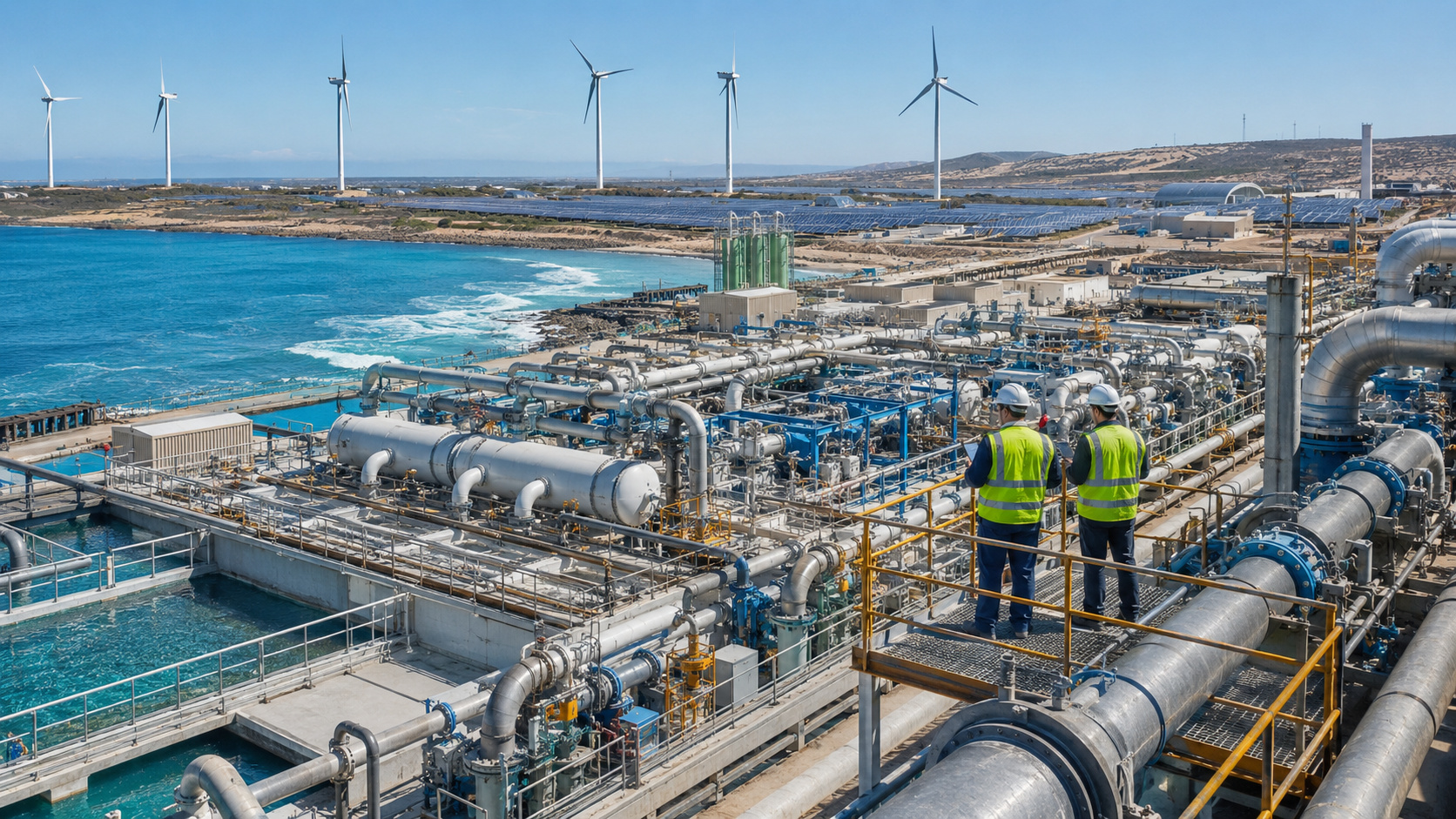
In parallel, the company adopts environmental practices in its facilities and vessels. At the Niterói shipyard, since 2024, actions such as rainwater reuse through capture tanks and solar panel usage for energy generation have been implemented, optimizing resources and reducing operational costs.
Additionally, Camorim is currently in the implementation phase of the Selective Collection Program, started in 2025. Thus, the initiative enhances the sorting and disposal of waste, ensuring proper treatment. As part of the program, the company has acquired a hydraulic press for baling paper, cardboard, and plastic, which consequently optimizes storage, facilitates logistics, and adds value to recyclables. The estimate is to reduce waste volume by 30% by the end of 2026, according to the company’s environmental management.
Furthermore, another relevant action was the introduction of the Project Light-Earth in the ports of Rio de Janeiro and Itaguaí in 2024. Thus, the tugs now receive energy from fixed shore sources during their stay in ports, which equals the carbon sequestration of 75,500 trees, covering more than 40,000 m² of forest, according to operational estimates.
Finally, Eduardo Adami, Vice President of Camorim, highlighted in 2025 that “teams are seeking creative solutions to mitigate environmental impacts on land and sea,” in addition to establishing partnerships with social impact, reinforcing sustainable development in the maritime sector and for society.
About Camorim — Camorim Serviços Marítimos, a 100% Brazilian company, celebrates 30 years of operation in 2025. Considered a 360° hub in logistics and navigation, it employs over 1,300 employees, operates more than 150 vessels, maintains a shipyard in Niterói with a Private Use Terminal (TUP), and operates in the ports of Rio de Janeiro, São Paulo, Espírito Santo, Paraná, Rio Grande do Sul, Pará, and Maranhão.





Be the first to react!