Portuguese
  Spanish


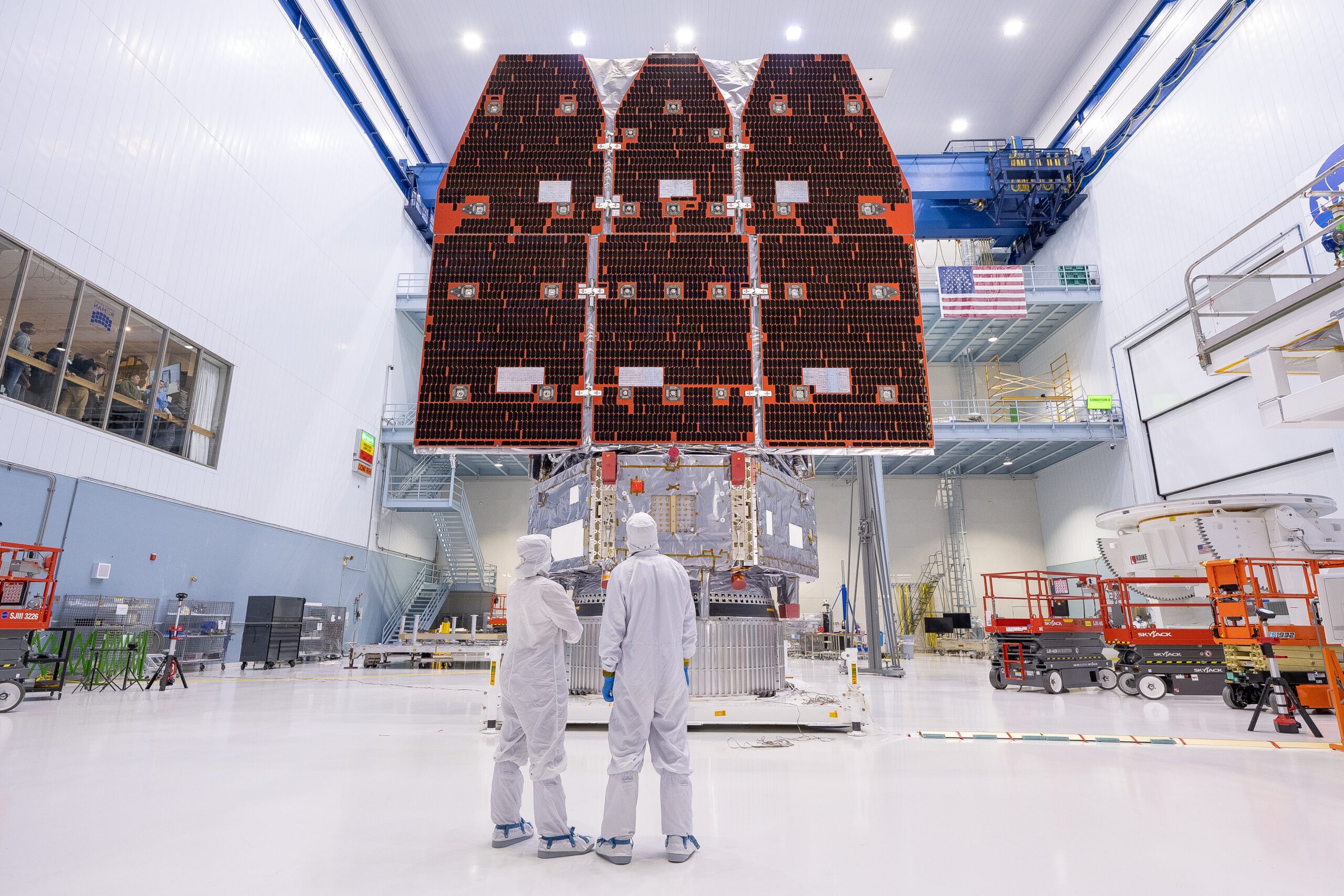
The Nancy Grace Roman Space Telescope, NASA’s next big bet, has arrived at the launch base in Florida for the final stretch before going into space, and promises to open a new era of astronomy: with a gigantic field of view, it is expected to catalog about one hundred thousand new planets outside the Solar System and help unravel the greatest mysteries of the universe.
Astronomy is experiencing a golden moment, and it is about to get even better. After the success of the James Webb telescope, NASA is preparing to launch the Roman, a space observatory that adopts an opposite and complementary strategy: instead of looking very deep into small patches of the sky, it will photograph huge areas at once, like a panoramic camera of the cosmos.
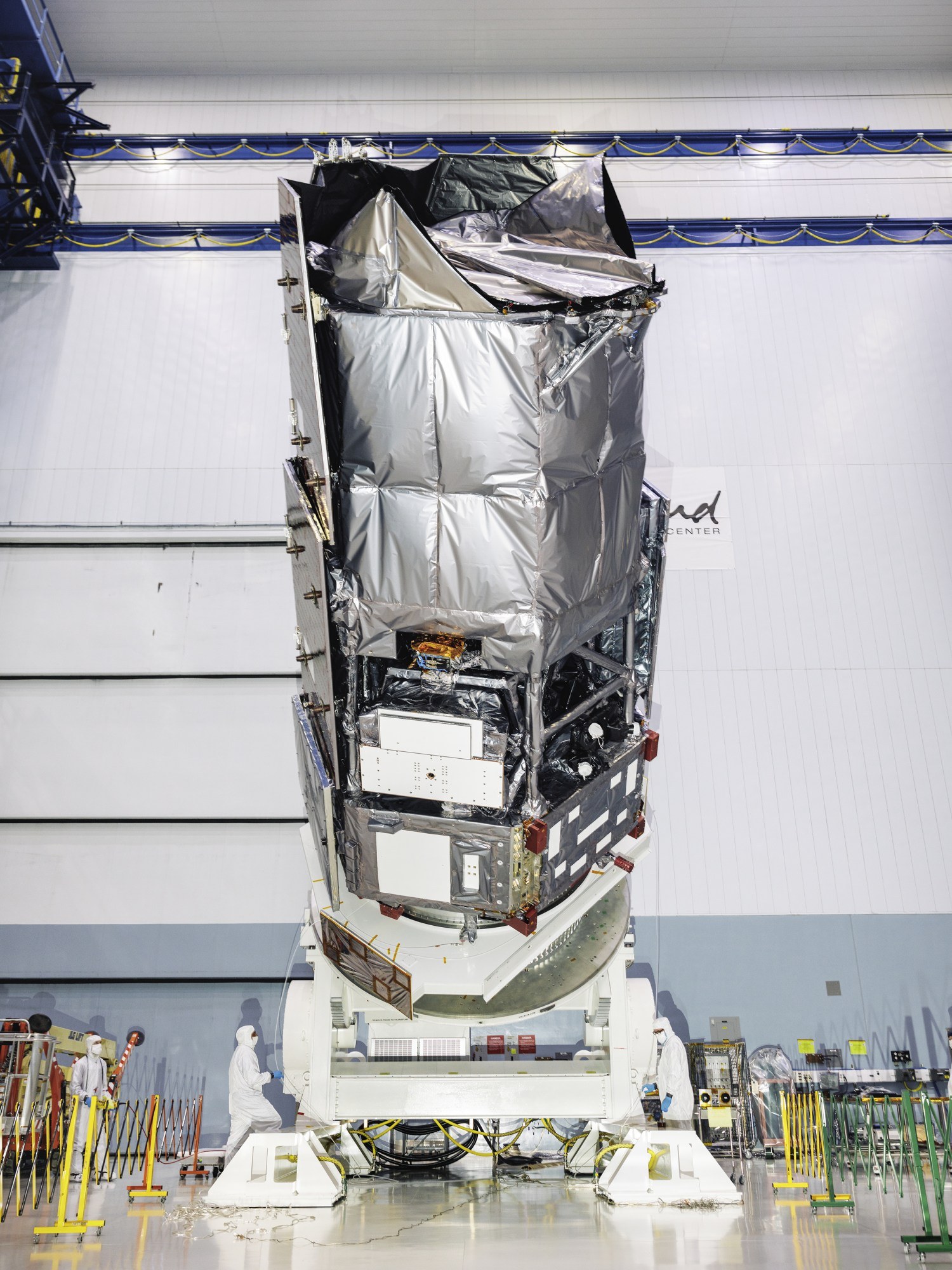
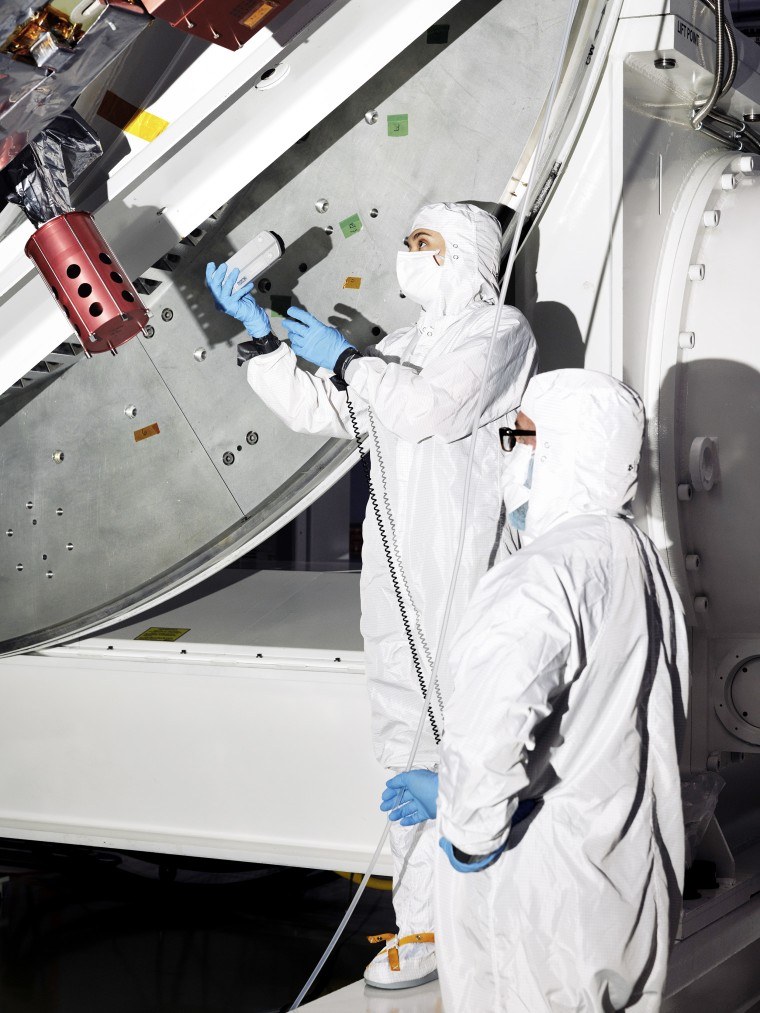
The equipment has arrived at the Kennedy Space Center in Florida for the final tests and preparations before launch. It is the phase in which the telescope, assembled and verified, enters the countdown to leave Earth and begin its mission more than a million kilometers away from the planet.
The difference from the Webb
Many people will compare the Roman with the James Webb, but they do different things. The Webb is like a powerful telephoto lens, capable of seeing extreme details of very distant and ancient objects, focusing on small regions. The Roman is the opposite: it has a field of view about a hundred times larger than the Hubble, sweeping large swaths of the sky at once.
-
Humanoid Robots Transition from Demonstrations to Real Work in Factories

-
Anti-poaching patrol in Thailand accidentally discovers hidden cave with 2,000-year-old petroglyphs, geometric engravings, and mysterious three-finger patterns on sandstone walls.

-
Russia Deploys Largest Nuclear Icebreaker in Arctic Capable of Breaking Through Three-Meter-Thick Ice
-
TCL Launches Energy-Efficient Refrigerator in Brazil, Promising 70% Less Consumption Than Competitors





This difference changes the type of discovery possible. While the Webb deepens knowledge about specific targets, the Roman conducts mass surveys, cataloging millions of objects and capturing rare phenomena that only appear when observing a lot of sky at once. The two telescopes complement each other, covering opposite ends of space exploration.
It’s the difference between studying a tree in detail and mapping the entire forest. Both perspectives are precious for understanding the universe.
One hundred thousand planets and the mysteries of the dark
The number that draws the most attention is that of exoplanets. It is estimated that the Roman could discover about one hundred thousand new planets outside the Solar System, a gigantic leap compared to everything found so far combined. It will do this using techniques that detect the gravitational effect and slight variation in brightness that a planet causes, even without seeing it directly.
But the mission goes far beyond counting planets. One of the main objectives of the Roman is to investigate dark energy, the mysterious force that accelerates the expansion of the universe and that no one yet fully understands. By mapping how galaxies are distributed and move apart over cosmic time, the telescope can provide decisive clues about this, which is one of the greatest questions in science.
Also on the list is dark matter, the invisible substance that seems to hold galaxies together. Together, dark energy and dark matter make up most of the universe, and we barely know what they are. The Roman was designed, in large part, to tackle this huge gap in our knowledge.
A tribute to the mother of Hubble
The name of the telescope carries a beautiful story. Nancy Grace Roman was a NASA astronomer known as the mother of Hubble, for having been a central figure in the creation of the space telescope that revolutionized astronomy. Naming the new observatory in her honor is a recognition of the often forgotten role of women who helped build the space age.
This symbolism adds to the scientific ambition of the project. The Roman is the result of years of work by thousands of engineers and scientists, and represents a multi-billion dollar investment in the idea that it is worth spending to understand the universe. In a time of budget cuts and disputes, sending such a telescope into space is also a statement about the importance of basic science.
A new era of sky observation
The arrival of the Roman marks a change of scale in astronomy. Combined with the Webb and the large telescopes under construction on Earth, it forms a fleet of instruments that will, together, multiply what we know about the cosmos in the coming years. It is a period comparable to the beginning of the space age due to the number of expected discoveries.
The flood of data that the Roman will generate is so large that scientists are already preparing artificial intelligence tools just to sift through it. Finding one hundred thousand planets and mapping millions of galaxies means processing volumes of information that no human could analyze alone, and AI becomes an indispensable partner in modern astronomy.
For those who look at the sky and wonder if we are alone, the Roman is a fascinating promise. Each new planet cataloged is one more address in the universe, a world that might, perhaps, have the conditions to harbor life. Multiplying this catalog by one hundred thousand is multiplying the chances of, one day, finding something extraordinary.
For now, the telescope waits in Florida for the moment to depart. When it finally ascends, it will carry with it the expectations of a generation of scientists and the promise to transform, once again, the way we see the universe and our place in it.
Do one hundred thousand new planets in the catalog truly increase the chance of one day finding life out there?