






 Portuguese
  Spanish


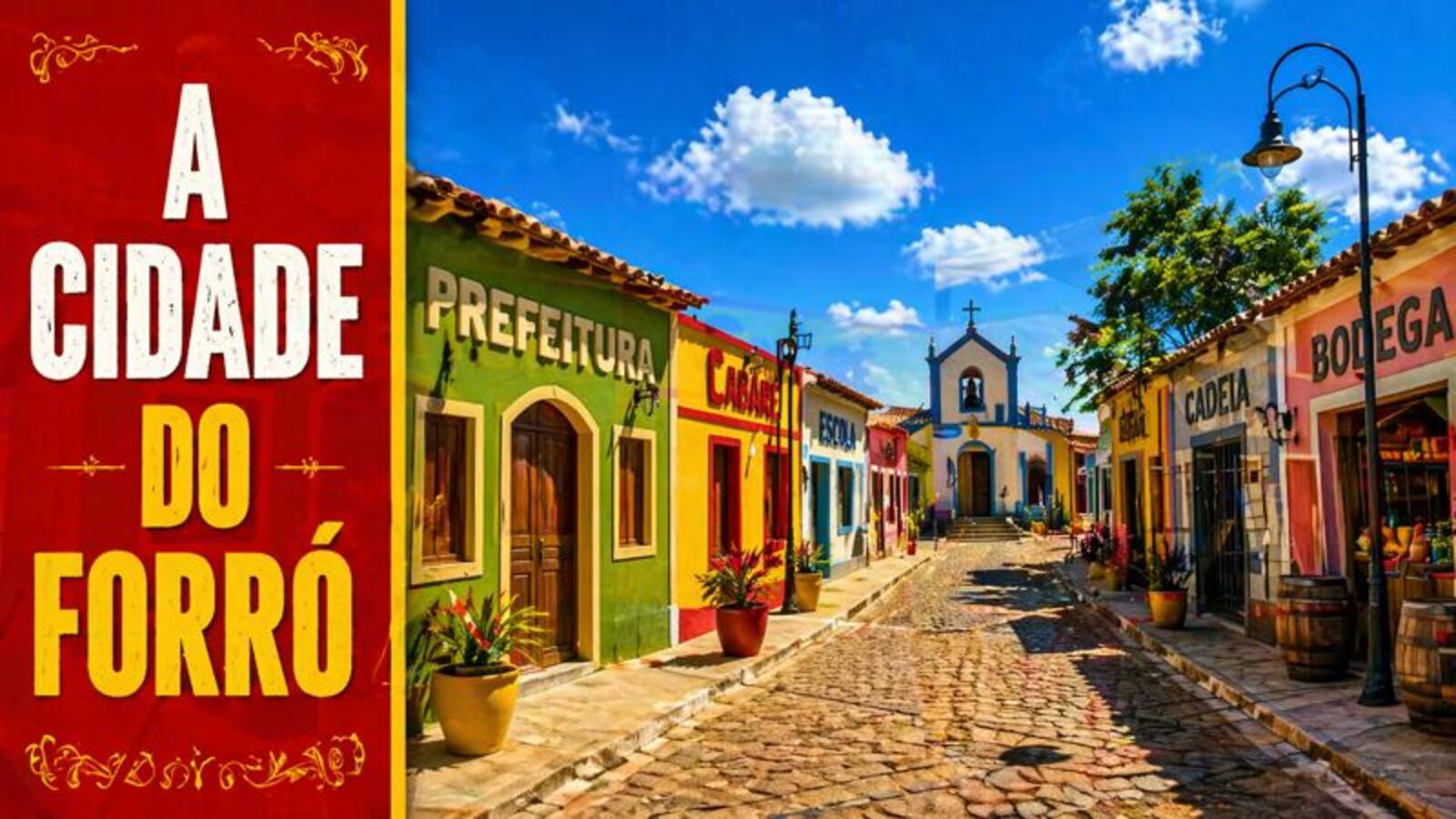

City of Forró transforms farm in the Potiguar hinterland into a cultural attraction with a scenic village, Northeastern memory, and official heritage recognition
The City of Forró, created within the Tome Xote Farm in Olho D’Água do Borges, in Rio Grande do Norte, brought together memory and tradition by transforming the property into an attraction inaugurated in 2023.


City of Forró recreates villages of the hinterland
The Tome Xote Farm drew attention for housing a scenic city designed to remind visitors of rural localities and preserve traditions of Northeastern cultural identity.
The space features streets, historical buildings, and settings that evoke another time. Visitors to the site find colorful little houses, a church, shops, and environments that replicate the daily life of decades past.
-
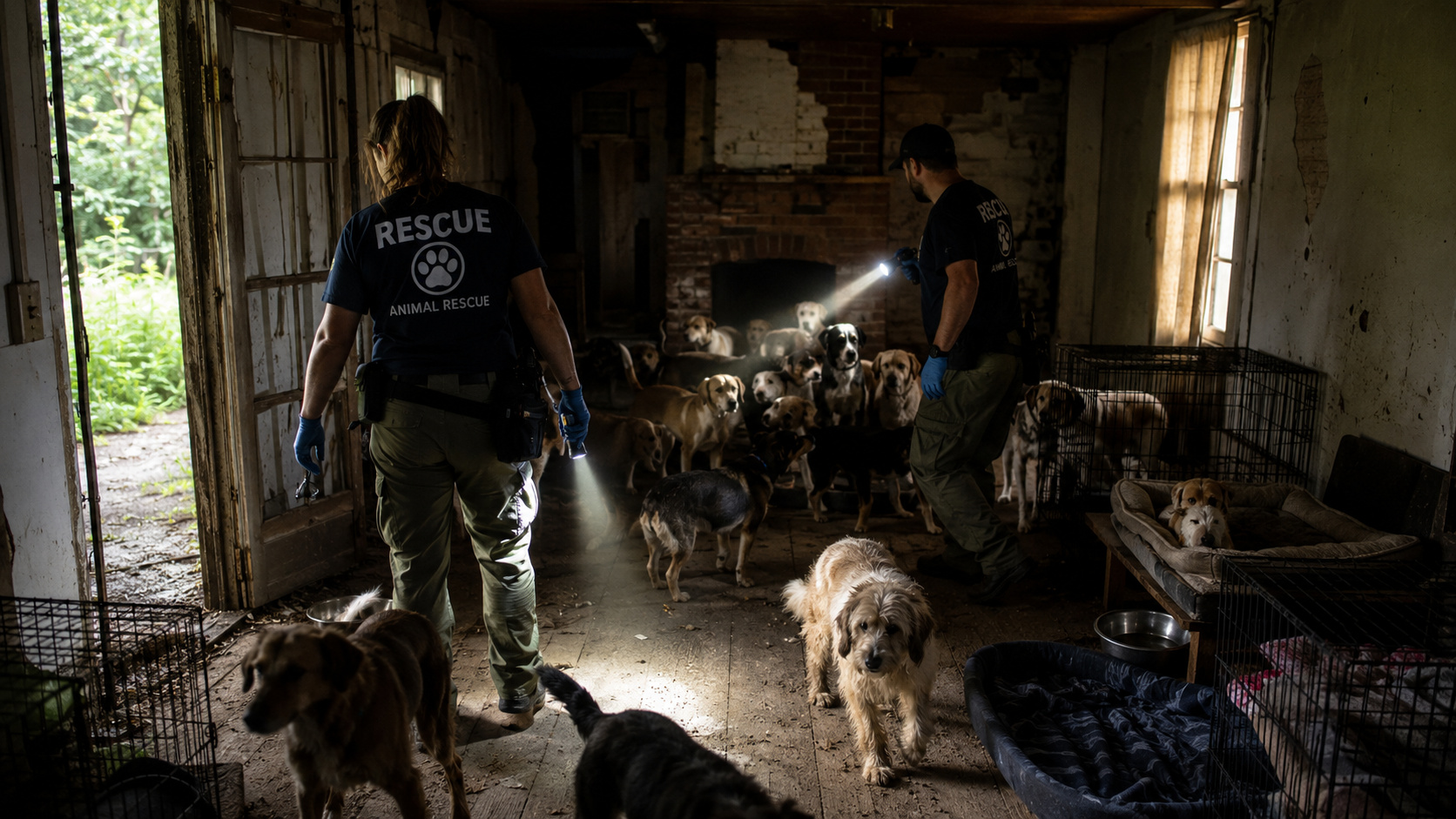
Rescue Teams Use Flashlights to Find 47 Dogs in Abandoned, Powerless U.S. Home, Offering Them a Fresh Start Through Responsible Adoption

-
Siblings Discover 1939 Superman Comic in Late Mother’s Attic, Sets Record at $9.12 Million Auction

-
12-Year-Old Discovers 80-Million-Year-Old Marine Tylosaurus Fossil During Kansas Field Trip
-
At 24, Beatriz Becomes First Woman from Mato Grosso to Work on Live Power Lines with Energisa, Starting as a Meter Reader in 2022


The proposal was developed within a single private property. Instead of functioning solely as a farm, the site gained a village inspired by Northeastern villages from the 1930s and 1940s.
Tome Xote Farm became a regional tourist spot
The City of Forró is located in Olho D’Água do Borges, in the interior of Rio Grande do Norte, about 300 kilometers from Natal. Inaugurated in 2023, it quickly transformed into a regional tourist spot.
The buildings scattered throughout the village include a town hall, school, grocery store, church, cabaret, jail, and various houses distributed along the streets.
The ensemble was designed to recreate historical elements linked to the popular imagination of the hinterland.
The project was envisioned by the singer and songwriter Dorgival Dantas. The artist is associated with the proposal to value Northeastern culture through a space that blends memory, coexistence, and tradition.
Scenic structure was built to function
Despite the scenic proposal, the mini city was built to function for real. The houses have complete internal structures, with beds, bathrooms, air conditioning, and typical decor aimed at historical ambiance.
The environments include old radios, rustic furniture, religious paintings, and historical objects. The intention was to make the visit a broad experience, capable of bringing the public closer to references from the Northeast.
The church was not created merely as a backdrop. The space was designed to host real celebrations and includes the future possibility of community weddings, an idea mentioned as a way to promote social actions for local residents.
The bodega serves as a gathering point. Here, visitors find regional products, handcrafted items, typical foods, and cultural souvenirs, enhancing the proposal of immersion in the history and customs of the Northeast.
In addition to the village, the Fazenda Tome Xote features a fixed stage for shows, dressing rooms, communal areas, and facilities prepared for large events, especially during June festivities and other festive experiences.
Recognition Expanded the Value of the Project
In May 2024, the project received official recognition as an Intangible Cultural Heritage of Rio Grande do Norte.
The title reinforced the historical and symbolic value of the initiative, which combines tourism, memory, and the appreciation of Northeastern roots.
The farm was born from an affectionate memory of the artist, who grew up participating in parties in small rural communities.
The proposal was to recreate a collective feeling of belonging, uniting music, community, and tradition.
Today, the property transcends the idea of a private farm and establishes itself as a vibrant cultural space. Visitors find not only photogenic settings but a narrative built from the resistance and creativity of the Northeast.
City of Forró Transforms Memory into Legacy
More than a tourist attraction, the City of Forró represents a return to origins. After achieving national success, Dorgival Dantas decided to invest in the place that shaped his story and transformed childhood memories into a permanent cultural legacy.
Amidst music, tradition, and symbolic architecture, the City of Forró expanded the Fazenda Tome Xote. The project brought together scenography, tourism, and preservation in a space to maintain Northeastern memory.
With information from CARAS.


