






 Portuguese
  Spanish


New SUVs From Caoa Chery Arrive in the Market to Boost the Growth of the Brand in the Brazilian Automotive Sector. Discover the Hybrid Versions of the Tiggo 7 and Tiggo 8 Presented by the Company
Caoa Chery, a company that combines national expertise with Chinese technology, has already shown that it’s possible to develop vehicles of high quality, advanced technology, and premium finish. Now, the brand announces two major novelties for the Brazilian automotive market: the new Tiggo 7 and Tiggo 8 SUVs. Initially, the models will be imported, but will later be manufactured at the Caoa Chery unit in Anápolis (GO), strengthening national production.
Know What Will Change in the New SUVs From Caoa Chery Tiggo 7 and Tiggo 8
The main novelty for the Brazilian automotive market is the engine of the Caoa Chery Tiggo 7 Pro Plug-In Hybrid. The model received two electric motors combined with a 1.5 turbo combustion engine. This, which makes up the new SUVs from Caoa Chery, can now deliver 317 hp of power and 56.6 kgfm of torque. The transmission features DHT technology and manages the three motors intelligently.
The result is an acceleration from 0 to 100 km/h in just 6.8 seconds. Despite the power, the brand claims that fuel consumption can reach 36.9 km/l in the city and 30.2 km/l on the highway. The 100% electric capacity of the model is 63 km. The Tiggo 7 PHEV is also somewhat larger in dimensions compared to its mild hybrid version.
-
Brazil Plans to Launch Ethanol-Fueled Hybrid Cars in 2026 as an Alternative to Fully Electric Vehicles

-
Hyundai HB20S 2026 Surpasses Onix with Turbo Engine, Fuel Efficiency of 15.2 km/l, and Over 750 km Range, Leading Compact Sedan Sales in Brazil with 5,205 Units Sold.

-
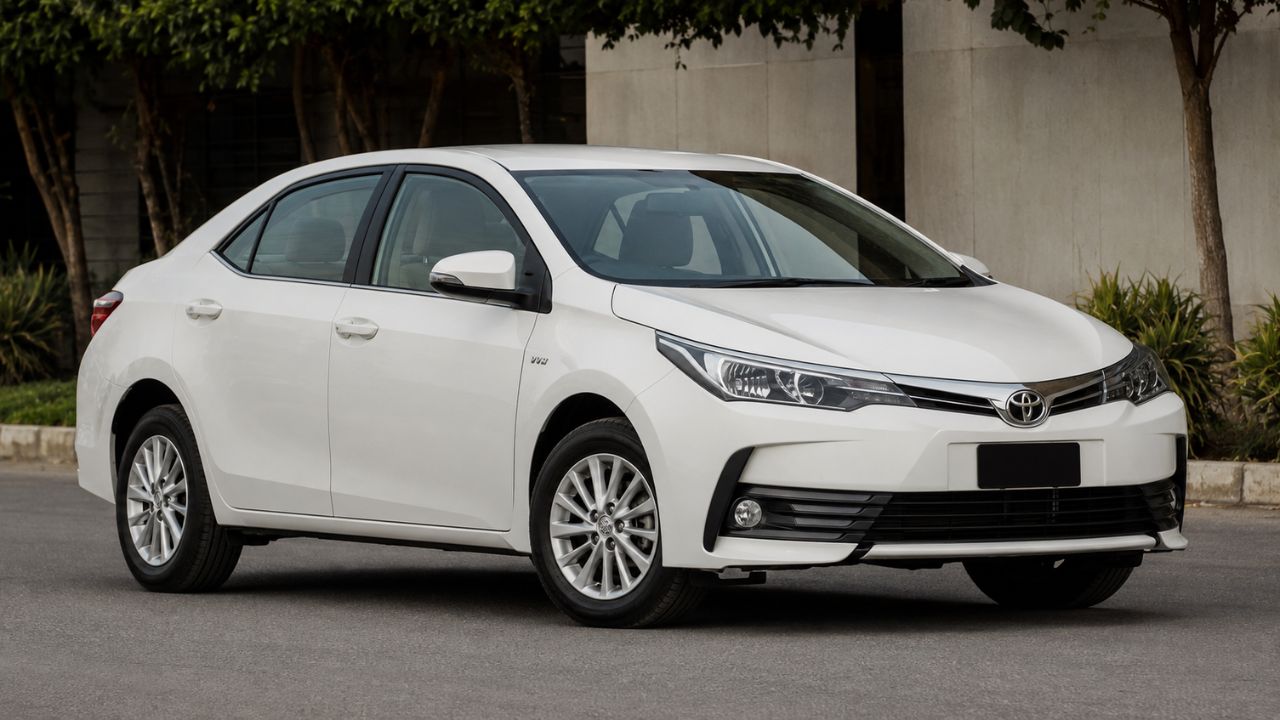
Toyota Corolla GLi Upper 2019: Affordable Sedan with Spacious Trunk, 1.8 Flex Engine, CVT Automatic, and Seven Airbags Offers Comfort and Safety

-
Hyundai Elantra 2026 Returns with AI, Digital Cabin, and i20-Inspired Design Transformation



Inside, the new SUVs from Caoa Chery also received updates. The Tiggo 7 now features a center console with brushed steel materials and a 50W induction turbo charger. The model also comes equipped with the Max Drive system, which provides driving assistance, such as adaptive cruise control, emergency braking, lane departure warning, and lane-keeping assistance, among others.
Tiggo 8 Also Receives Major Changes for the Brazilian Automotive Market
In addition to the Tiggo 7, the brand presented the first 7-seater hybrid with two electric motors. The new Tiggo 8 PHEV has undergone changes for the 2025 line. The brand’s most expensive vehicle maintains performance with three motors (two electric and one combustion). According to Caoa Chery, several changes have evolved the Tiggo 7 and Tiggo 8.


In the case of the Tiggo 8, for example, the 0 to 100 km/h time is now 7.02 seconds (previously 7.05 seconds). In terms of consumption, the seven-seater SUV from the Chinese brand achieves 32.7 km/l in the city and 27.9 km/l on the highway. The electric range is 54 km.
In dimensions, the model for the Brazilian automotive market remains the same. The trunk capacity can reach 1,930 liters with the rear seats folded down. Aesthetically, this, which is one of the new SUVs from Caoa Chery, now comes with a front grille design featuring chrome details, in addition to an illuminated logo.
The Strategy of Caoa Chery With the Launch of the Tiggo 7 and Tiggo 8
The launch of the new SUVs from Caoa Chery is part of the brand’s growth strategy in the country. It is important to mention that the brand ended 2024 with an unprecedented performance, achieving a growth of 93.6% compared to the previous year.
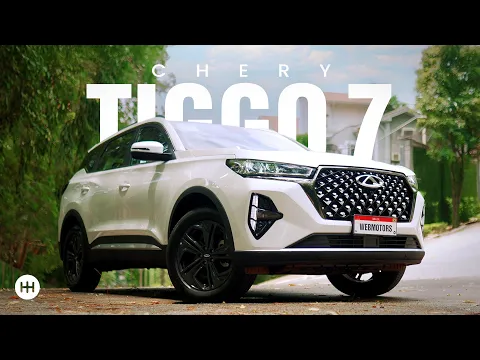
In total, 60,929 units were sold, which increased the brand’s market share to 3.1% according to Fenabrave data. This result reflects the success of the manufacturer’s strategy to expand its presence in the Brazilian automotive market.
The Tiggo line models have been the main drivers of the brand’s growth, such as the Tiggo 7 Sport, Tiggo 5x, and Tiggo 8 PRO. Now, the brand plans to continue this growth with the hybrid Tiggo 7 and Tiggo 8.


Cadê os 63km/l? É na soma dos 2 veículos?