Portuguese
  Spanish


Discover How Renewable Energy Training Transforms Careers, Businesses, and Communities by Promoting Sustainability, Innovation, and New Opportunities for a Cleaner Future.
The search for sustainable energy sources did not arise recently. On the contrary, it has been gaining momentum over time, in light of environmental changes and the exhaustion of natural resources.
Within this context, renewable energy training offers a practical and promising solution.
Indeed, skilled professionals can tackle the environmental and economic challenges of the 21st century with effective responses.
-
Brazilian scientists are simultaneously advancing two research projects on clean hydrogen and driving solutions that could transform the energy matrix, enhance industrial competitiveness, and accelerate large-scale emission reduction targets.

-
Advancement in renewable energy: A R$ 150 million project launched by Petrobras and Finep aims to create state-of-the-art electrolyzers for green hydrogen, strengthening national research and preparing Brazil to compete in a billion-dollar energy market.
-
Illiterate or semi-literate grandmothers were trained to repair solar systems, open rural workshops, and light up homes that still depended on kerosene.
-
The world has bet on green hydrogen as the fuel of the future, but now faces the side effect: producing 1 kilogram requires about 9 liters of ultrapure water, and the largest projects on the planet are precisely in the driest regions of the Earth, where water is already scarce for people.





Therefore, more than just a simple technical qualification, this training transforms communities, boosts businesses, and improves the quality of life for people.
The Energy Transition and Its Historical Context
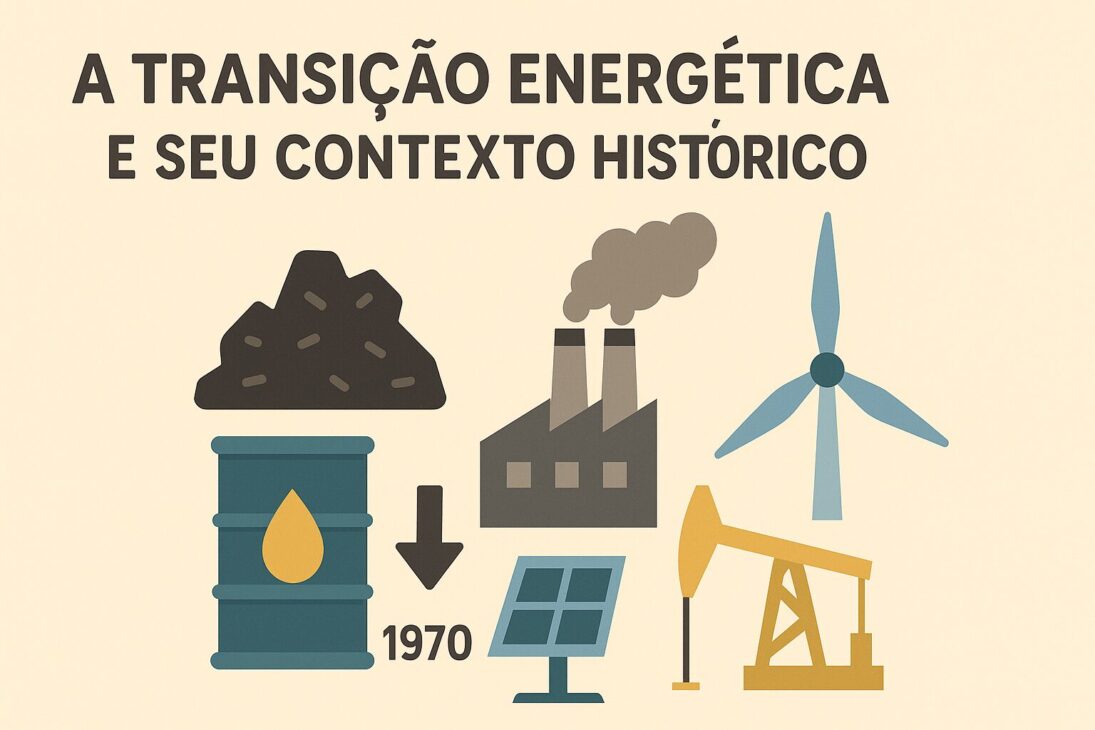
Since the Industrial Revolution, which started in the 18th century, humanity has primarily relied on fossil fuels, such as coal, oil, and natural gas.
These resources were fundamental for economic growth and technological advancement.
However, the burning of these fuels caused serious environmental impacts, especially the emission of greenhouse gases, which contribute to global warming.
According to the Intergovernmental Panel on Climate Change (IPCC), an organization linked to the UN, fossil fuel emissions are the main drivers of the climate changes we currently face.
In the 1970s, two events marked the urgency for seeking alternatives: the oil crisis and the Stockholm Conference of 1972, which brought to light the need to preserve the environment.
The International Renewable Energy Agency (IRENA), founded in 2009 to promote the use of clean energy, highlights that the 2000s were crucial for technological advancement and the increasing adoption of renewable energies, such as solar and wind.
Moreover, the Brazilian government, through the Ministry of Mines and Energy, has been investing in technical training programs since the early 2000s to train professionals to meet the growing demand for clean energy in the country.
These historical facts show that, besides technological innovations, the energy transformation depends on the preparation of qualified individuals to design, install, and manage these systems.
What is Renewable Energy Training?
Renewable energy training involves technical and practical education so that professionals can work with clean energy sources.
Educational institutions, such as SENAI and federal universities, offer courses ranging from solar panel installation to planning and maintenance of wind and biomass systems.
This training prepares professionals for a rapidly growing market, as the demand for sustainable energy increases worldwide.
The Energy Research Company (EPE), linked to the Brazilian government, reinforces that technical qualification is essential to expand access to renewable energy and ensure the safety of installed systems.
Therefore, those who qualify gain an important competitive edge, contribute to reducing carbon emissions, and help build a more sustainable economy.
The Training in People’s Daily Lives
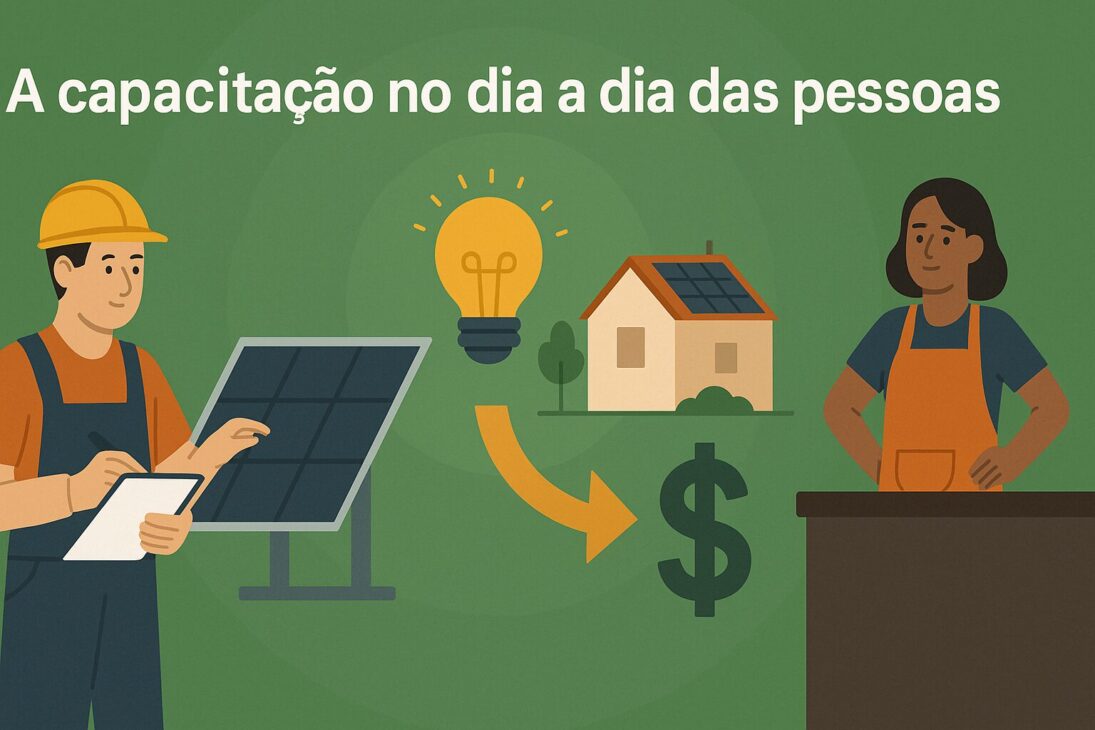
Even if you do not work directly with renewable energy, you feel the effects of this training in daily life.
For example, a well-prepared technician ensures the safe and efficient installation of a residential solar system.
Qualified engineers create solutions to provide clean energy to entire neighborhoods, while small entrepreneurs reduce their costs with the use of renewable energy.
Additionally, training enables access to energy in rural communities, which previously suffered from a lack of stable electricity.
According to EPE data, initiatives like mini solar and hybrid plants have brought energy to remote areas of Brazil, improving quality of life and stimulating local entrepreneurship.
The Importance of Training for Companies
For companies, adopting renewable energy brings cost reduction and greater competitiveness.
However, to implement these solutions effectively, the presence of trained professionals is essential.
Through training, businesses can customize their energy sources, whether a small store installing solar panels or an industry setting up its own photovoltaic plant.
Moreover, companies that invest in sustainability gain greater value in the market, aligning with ESG (Environmental, Social, and Governance) practices, increasingly demanded by investors.
Thus, prepared professionals directly contribute to business innovation and growth, meeting this new global demand.
The Future of Training and Sustainable Energy
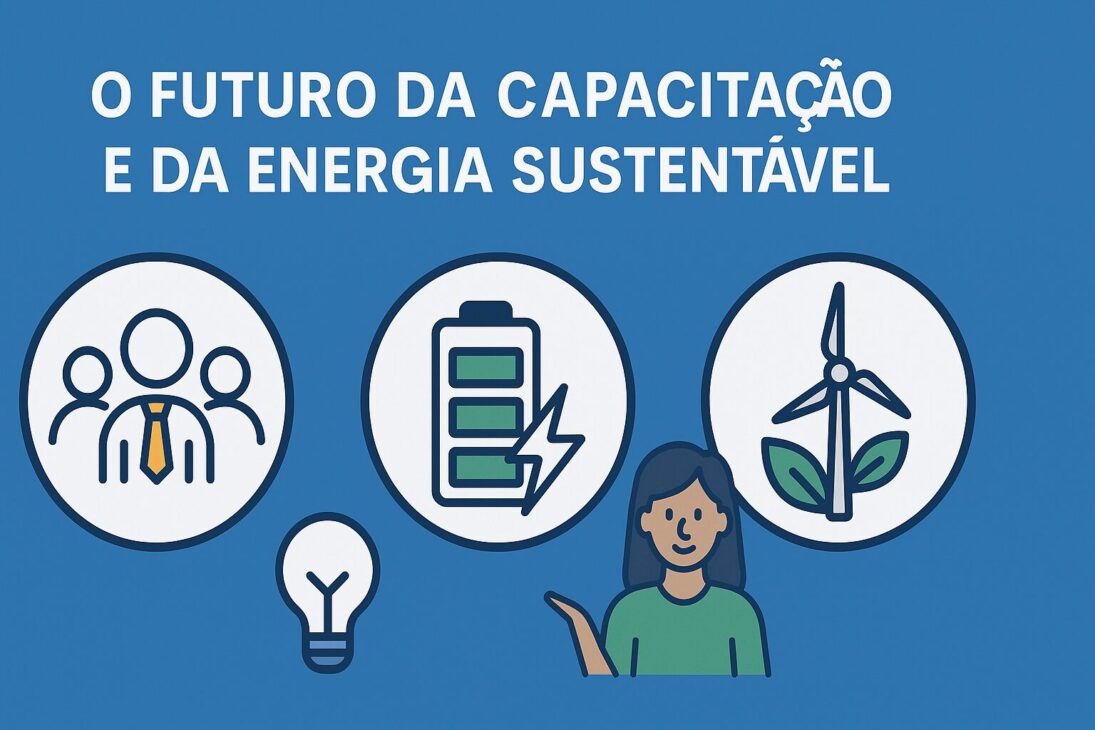
The current climate crisis pressures governments and private sectors to adopt ambitious decarbonization targets.
As a result, the demand for qualified professionals in renewable energy is growing exponentially.
According to IRENA, the sector could generate over 40 million jobs by 2050, and training will be the way to fill these positions.
However, training goes beyond techniques: it represents a mindset shift that values sustainability, social justice, and responsible development.
The Ministry of Mines and Energy of Brazil emphasizes that this energy transition must be just, ensuring that no one is left behind.
Additionally, the technology sector evolves rapidly, with the growth of batteries for storage, smart grids, green hydrogen, and sustainable buildings.
Therefore, the constant updating of professionals is necessary to keep up with these innovations and their social and environmental impacts.
The Power of Training for Transformation
Renewable energy training is a powerful tool for transforming lives.
From students to entrepreneurs, those who qualify become active agents of change.
With knowledge, it is possible to turn ideas into concrete actions, strengthen careers, boost businesses, and contribute to a more sustainable planet.
Therefore, investing in training means investing in the future, preparing for the opportunities and challenges ahead.