






 Portuguese
  Spanish


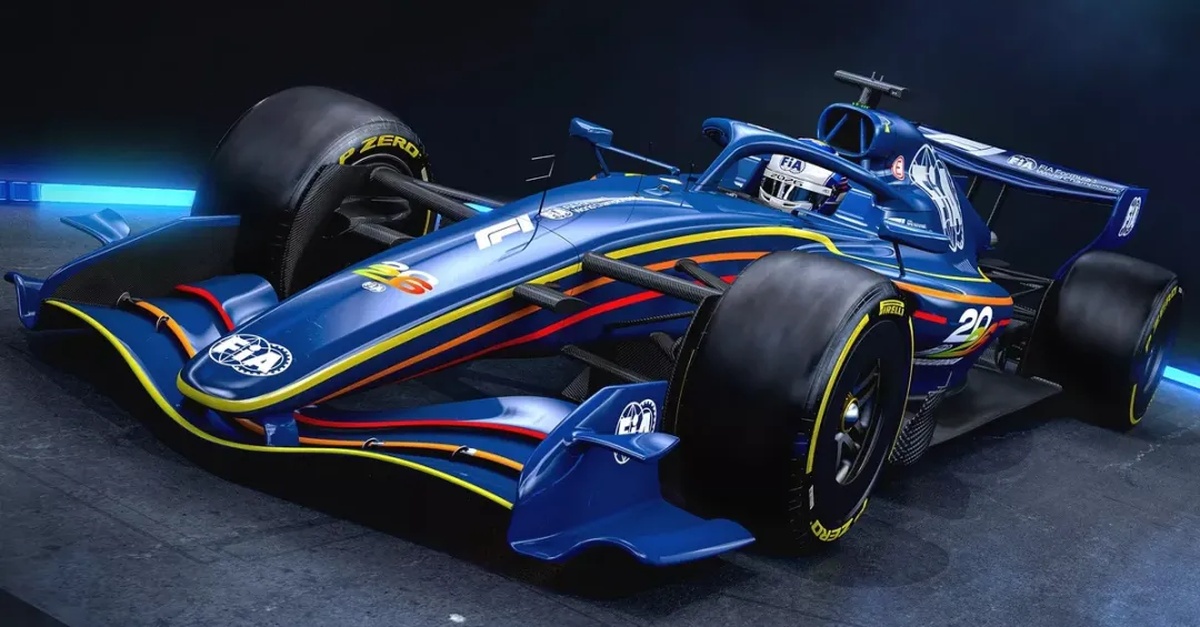


Regulations Promise to Change the Dynamics of the Category
The changes forecasted by the FIA for the 2026 season of the Formula 1 are already stirring pilots, directors, and teams.
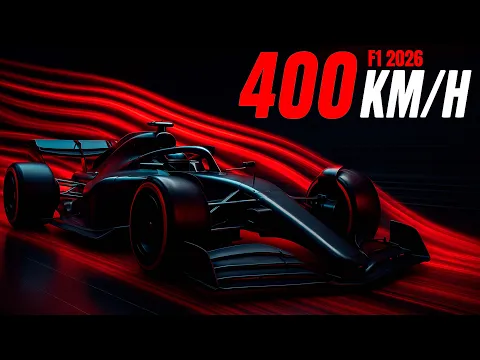
According to Toto Wolff, head of Mercedes, internal simulations indicated that, under specific conditions, the new cars could exceed the barrier of 400 km/h.
This number is unprecedented in the category. However, experts and pilots emphasize that such figures represent theoretical scenarios, not a routine expectation.
-
Sales of Brazil’s Cheapest Electric Car Halted Before First Deliveries: E-Motors Suspends Emova Easy Due to Import Tax Increase and Rising Freight Costs

-
Nissan Discontinues Qashqai SUV Amid Cost-Cutting, Chinese Competition, and Product Line Review

-
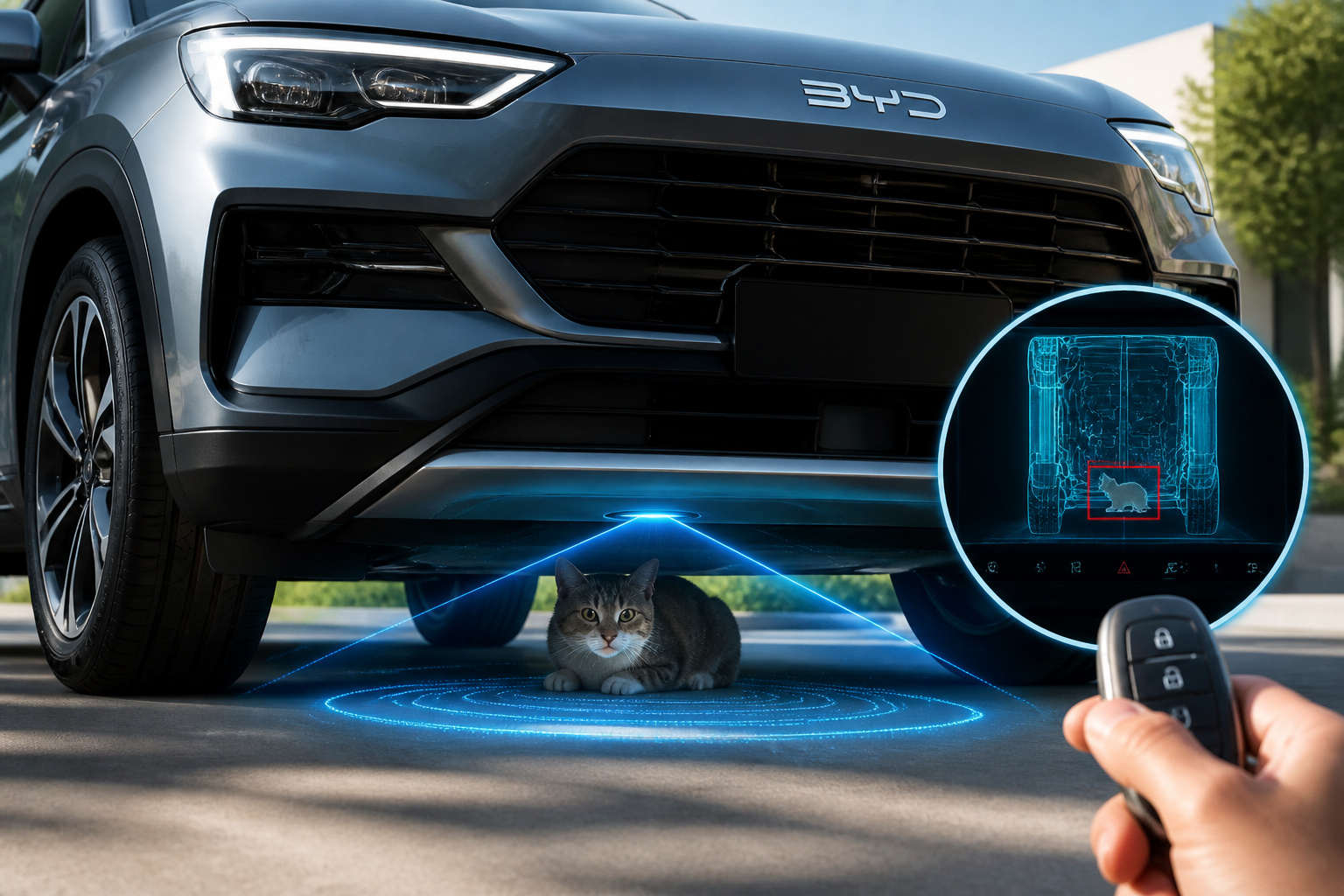
BYD Patents Revolutionary System Using Computer Vision to Detect Animals Under Cars Before Starting, Preventing Tragedies

-
Study Reveals Why Cars Are More Expensive to Produce and Buy in Brazil Compared to Mexico, Highlighting Taxes, Logistics, and Industrial Costs as Key Factors.


Regulation Changes Drive New Speeds
The 2026 regulation will bring V6 turbo hybrid engines with nearly equal distribution between combustion and electric energy.
The MGU-K system, with more powerful batteries, will be key in this balance. Additionally, there will be active aerodynamics on the front and rear wings, with lower drag and downforce, favoring higher speeds on long straight circuits.
According to Wolff, in an interview with Auto Motor und Sport in July 2024, tests showed that the total power could bring the cars to unprecedented numbers.
The current record belongs to Valtteri Bottas, who reached 378 km/h in 2016. The new generation may surpass this historic mark under certain conditions.

Drivers Exercise Caution Regarding Projections
Despite the simulations, drivers have exercised caution in their statements.
Pierre Gasly, from Alpine, highlighted that he believes in results only after experiencing the car on track.
Max Verstappen, the current four-time champion, joked that perhaps only Mercedes engines will reach such speeds.
He recalled that the FIA will hardly allow such extreme figures.
Esteban Ocon pointed out that numbers between 380 and 400 km/h are impressive, but he prefers to evaluate after the first official tests.
Similarly, Charles Leclerc, from Ferrari, who initially criticized the prototypes, softened his analysis throughout 2024.
He stated that the development of simulators is constant and may yield more balanced results by 2026.
FIA Closely Monitors Technical Advances
The FIA’s single-seater director, Nikolas Tombazis, stated in an interview with Motorsport.com in August 2024 that it is still early for predictions.
He emphasized that the entity constantly receives feedback from the teams.
The goal is to adjust the energy distribution and avoid artificial behaviors on straightaways.
According to Tombazis, the aim is for the new cars not to have lap times significantly different from the current ones, even with greater speed on straights.
FIA simulations indicate a difference of only 1 to 2.5 seconds per lap compared to the current model.
As the seasons evolve, the gains will become even more evident.
Expectations for the Future of the Category
Discussions about extreme speeds captivate the public.
They also raise concerns about safety and competitive balance.
Although the 400 km/h barrier is technically possible, all indications are that the FIA’s priority will be to maintain controlled performance.
The focus is to favor close and consistent races.
Thus, 2026 could mark one of the largest transformations ever seen in Formula 1.
However, the category will not give up the tradition of balance that sustains its global prestige.
With so many adjustments and revisions expected before the start of the season, a major question remains.


