Portuguese
  Spanish


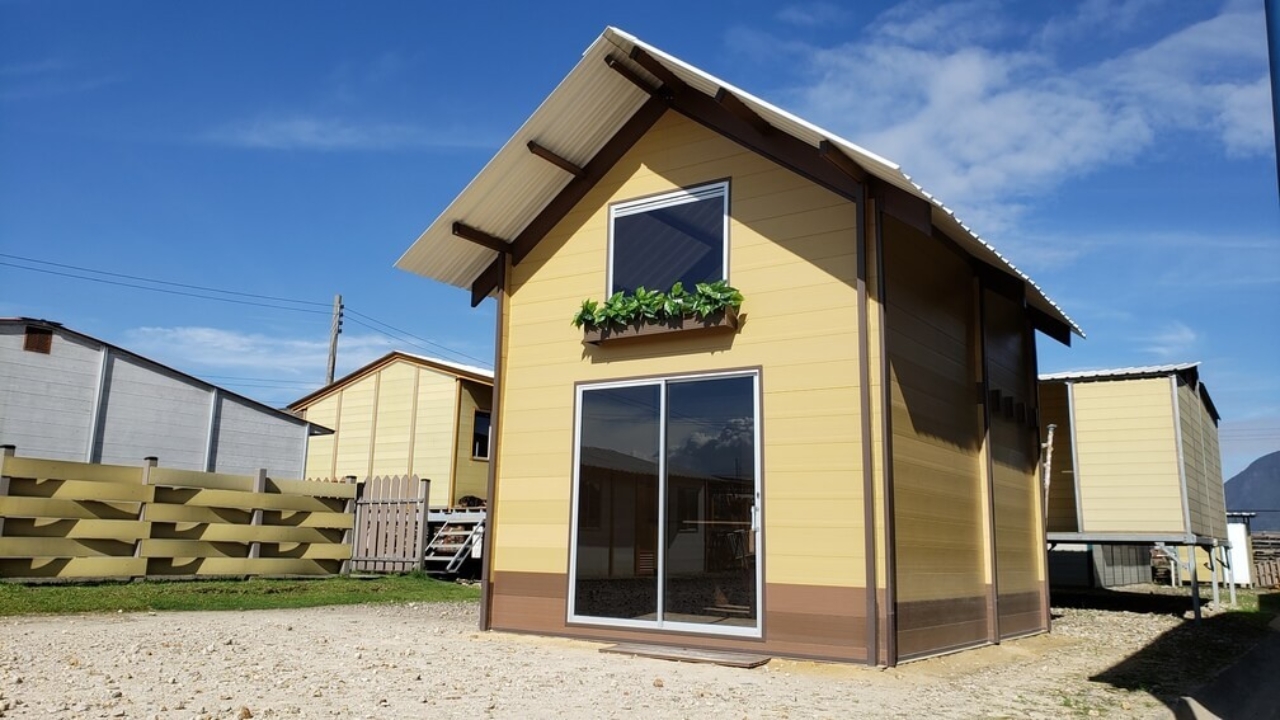


Sustainable Homes Made from Coffee Husk Gain Scale, Cross Environmental and Social Debate, and Show How Agricultural Waste Can Turn into Infrastructure in Areas with Housing Deficit
For decades, coffee husks were treated merely as agricultural waste, discarded after the roasting process of the beans. In a country like Colombia, one of the world’s largest coffee producers, this represents tons of material accumulated every year. What was once trash, however, has come to be seen as an opportunity.
The Colombian startup Woodpecker has transformed this byproduct into raw material for construction. By combining coffee husks with recycled plastic, the company developed a strong and versatile material capable of replacing traditional components used in affordable housing. The proposal unites technological innovation, environmental sustainability, and social impact.
Sustainable Technology Based on WPC
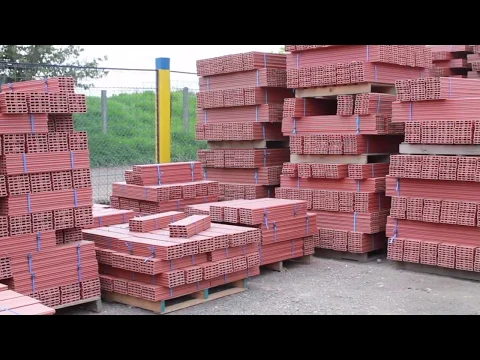

The material used is known as WPC, short for Wood Plastic Composite. It is a composite formed by mixing natural fibers and recycled polymers, resulting in lightweight, durable, and high-strength structural panels. In the case of Woodpecker, the natural fibers come precisely from coffee husks discarded by the coffee industry.
-
21-Year-Old Moves Back to Parents’ Home in Arizona, Finds New Private Apartment in Converted Garage as Families Tackle U.S. Housing Pressures

-
Innovative Container Studio in Brazilian Beach Town Thrives with High Demand and Plans for Expansion
-
30-Square-Meter Container Home with 2 Bedrooms, Living Room, Kitchen, and Bathroom Sold for $12,000 in Brazil, Tour Reveals Project Details

-
Brazilian Couple Builds Eco-Friendly Brick House, Saves 41%, and Shares Simple Test to Check Soil Suitability


According to information released by the company and by international outlets, different natural fibers were tested, such as sawdust, rice husks, and palm waste. However, coffee husks showed better structural performance, greater resistance to moisture, fire, and insects, as well as good thermal stability.
The panels produced with this composite are used in walls and floors, while the structure of the homes may include galvanized steel, aluminum for windows, PVC for roofing, and steel doors. The construction system was designed to be modular, with pieces that fit together practically, reducing the time and complexity of the work.
Affordable Homes and Assembly in a Few Days
One of the project’s biggest differentiators is the cost. Homes can be sold starting from around 4,500 dollars, excluding the value of the land. This competitive price is possible thanks to large-scale production and the use of recycled and low-cost materials.
The homes are compact, with dimensions ranging approximately from 20 to 29 square meters. Despite their small size, they offer a solid structure adequate for accommodating families in vulnerable situations. Assembly can be completed in about seven days using basic tools.

The homes are shipped in kit form, allowing them to be installed by both specialized teams and the buyers themselves. The lightweight panels facilitate transportation to rural or hard-to-reach areas, expanding the reach of the solution. This feature also makes the model particularly useful in emergency situations.
Social Impact and Emergency Response
In addition to serving as permanent housing, the structures made from coffee husks have been used to host schools, community centers, and other social infrastructures. In contexts of natural disaster, such as after Hurricane Iota in 2020, this type of structure proved to be a quick and efficient alternative for relocating affected families.
By repurposing waste that could generate methane emissions in landfills, the initiative also helps reduce environmental impact. The project creates a more sustainable production cycle, where agricultural waste is transformed into housing solutions.
With thousands of units already sold, Woodpecker demonstrates that it is possible to align circular economy and social inclusion. The model is attracting interest in other countries that produce coffee, who see in the idea an opportunity to replicate the solution in their own realities.
More than just a curious innovation, homes made from coffee husks represent a concrete example of how creativity and technology can transform an environmental problem into a response to the housing deficit. In a world seeking sustainable alternatives, initiatives like this indicate a promising path for the future of construction.