






 Portuguese
  Spanish


Brazilian Aluminum Company Acquires Stakes in Two Wind Farms in Rio Grande do Norte, with Supply Expected to Start in 2027
The Brazilian Aluminum Company (CBA) confirmed on May 23, 2025, the acquisition of stakes in two wind farms located in the state of Rio Grande do Norte. In total, the financial investment reaches R$ 158 million. The main objective is to ensure the supply of 115 megawatts average (MWm) of energy for the industrial plant located in the municipality of Alumínio, in São Paulo. This measure further strengthens the company’s commitment to clean sources and reducing environmental impacts. In addition, this move expands CBA’s self-production capacity, which directly contributes to its energy independence and industrial competitiveness. With this strategy, the company reinforces its positioning in the market as one of the leaders in the transition to a more sustainable matrix.
Partnerships with Auren and Casa dos Ventos Drive a New Energy Cycle
The operations involve CBA’s entry into two distinct wind projects: the Serra do Tigre complex by Casa dos Ventos and the Cajuína III project by Auren Energia. Together, these assets will provide renewable energy equivalent to 115 MWm for aluminum production. While Serra do Tigre is expected to contribute 60 MWm, Cajuína III will guarantee an additional 55 MWm. Both wind farms are being deployed in the state of Rio Grande do Norte, one of the main hubs for clean energy generation in the country. The responsible companies, Auren and Casa dos Ventos, will continue to operate and maintain the complexes. The forecast is that energy supply will start in 2027, with contracts signed for 15 years.
Self-Production and Sustainability Drive CBA’s Strategy
With this investment, CBA takes another firm step towards energy self-production. This model is strategic, especially for large industrial consumers seeking cost predictability and socio-environmental responsibility. The company, which consumes between 700 and 750 MWm, depends on various sources to maintain its production active in a sustainable manner. Currently, about 160 MWm are already contracted by CBA to offset the seasonality of the hydropower plants it owns. However, the expectation is that these new wind contracts will help the company fill part of the deficit left by the end of old contracts, expected to happen in 2028. Therefore, investing in renewables is not just an option, but a necessity to keep operations viable and environmentally sound.
-
Brazil filled the Northeast with wind turbines but now faces the side effect of 705 giant blades reaching the end of their lifespan by 2032 just in Rio Grande do Norte, while the world projects 43 million tons of waste by 2050.

-
Brazil has filled the Northeast with wind turbines, but now it faces the side effect of 705 giant blades reaching the end of their useful life by 2032 just in Rio Grande do Norte, while the world projects 43 million tons of waste by 2050.
-
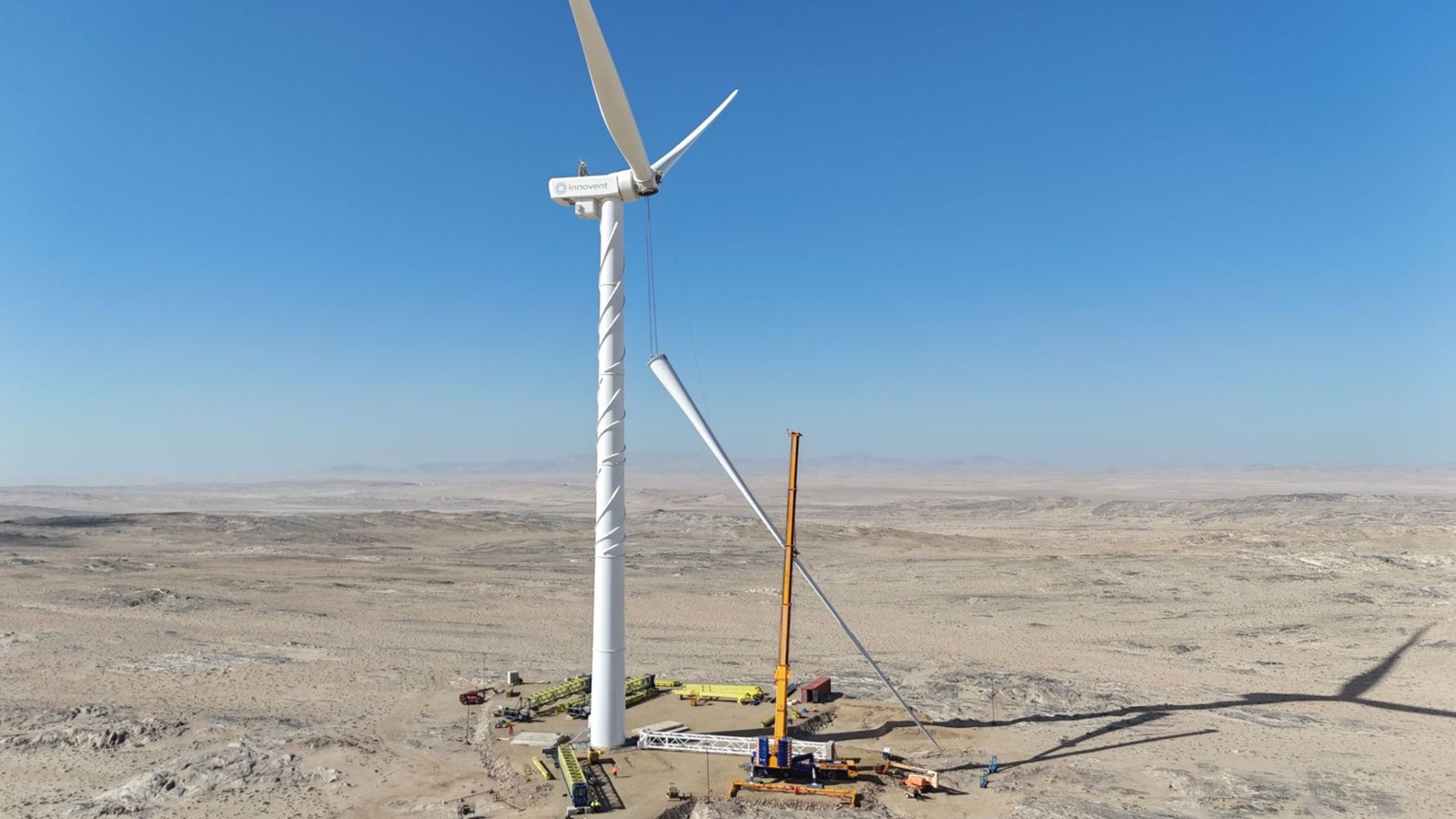
Wind farm in Namibia will have wind turbines assembled without giant cranes and is expected to avoid 200,000 tons of carbon dioxide per year when it becomes operational.

-
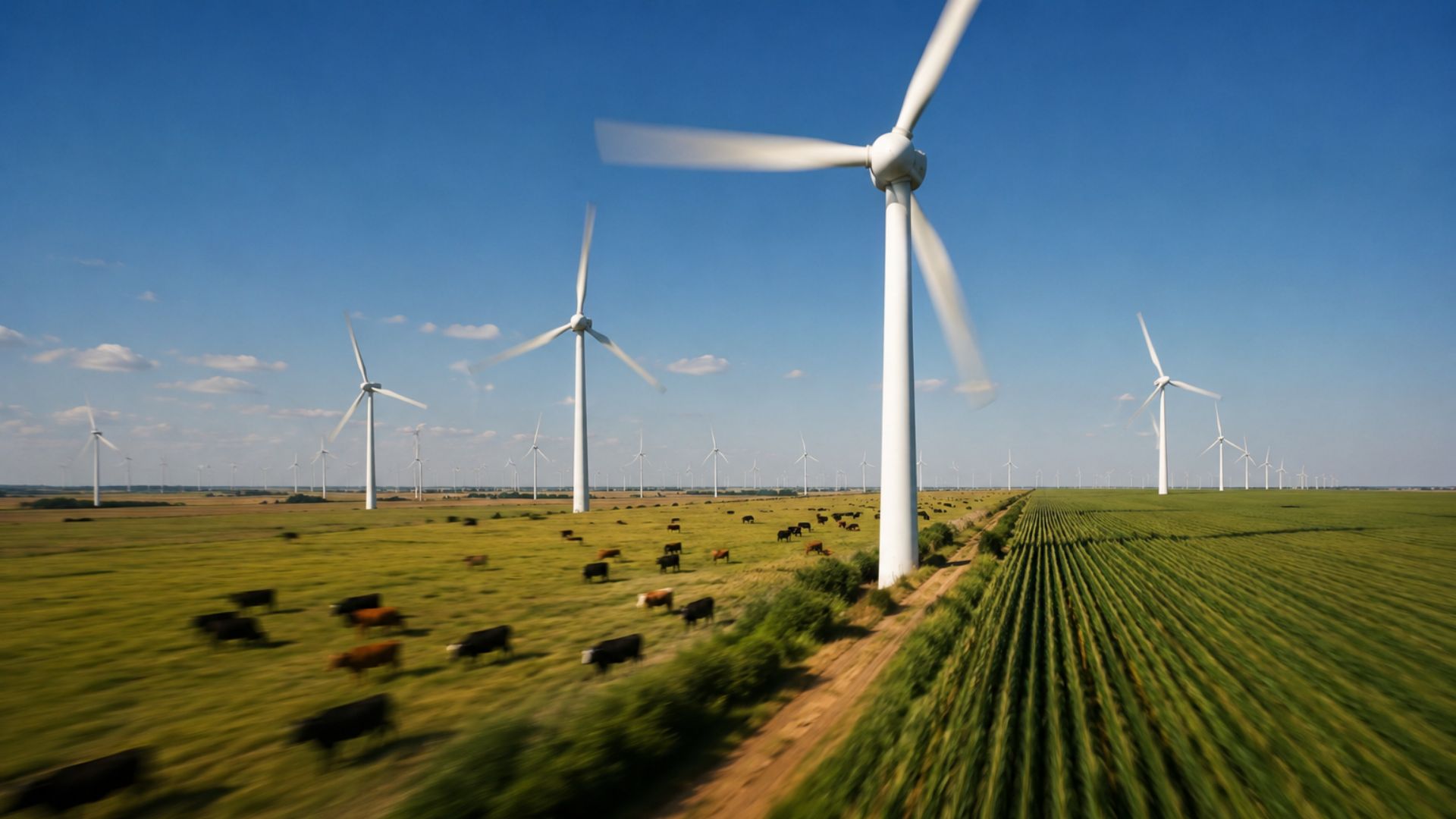
Taller than the Statue of Liberty, thousands of wind turbines are being planted in the middle of U.S. fields, creating two-story farms where corn and soybeans grow below while the wind turns into electricity above.


Casa dos Ventos and Auren Expand Market with Competitive Solutions
CBA’s entry into wind projects also marks a milestone for its partners. On one hand, Casa dos Ventos is advancing in the deployment of the Serra do Tigre complex, which has a total installed capacity of 756 MW. According to Lucas Araripe, executive director of the company, the partnership is proof of the competitiveness of the solutions offered to the market and, more than that, a concrete step towards decarbonizing energy-intensive industrial sectors. On the other hand, Auren Energia reinforces its role in the direct supply of clean energy to large corporations. This strengthens the company’s presence in a sector increasingly guided by ESG practices and internationally established climate commitments.
CBA Reaffirms Commitment to Clean Energy and Sustainable Growth
The initiative announced this Thursday is part of a broader plan by CBA, aiming to consolidate its position among Brazilian companies with greater energy responsibility. With the new stakes, the company not only ensures a consistent supply for its production unit but also enhances its image before investors and consumers who are increasingly attentive to sustainability. By investing in wind sources, CBA directly contributes to the diversification of the national energy matrix and stimulates industrial production in a cleaner way. This move aligns with global trends and, above all, with the commitments of the Brazilian productive sector towards carbon neutrality.




Your writing is like a breath of fresh air in the often stale world of online content. Your unique perspective and engaging style set you apart from the crowd. Thank you for sharing your talents with us.