






 Portuguese
  Spanish


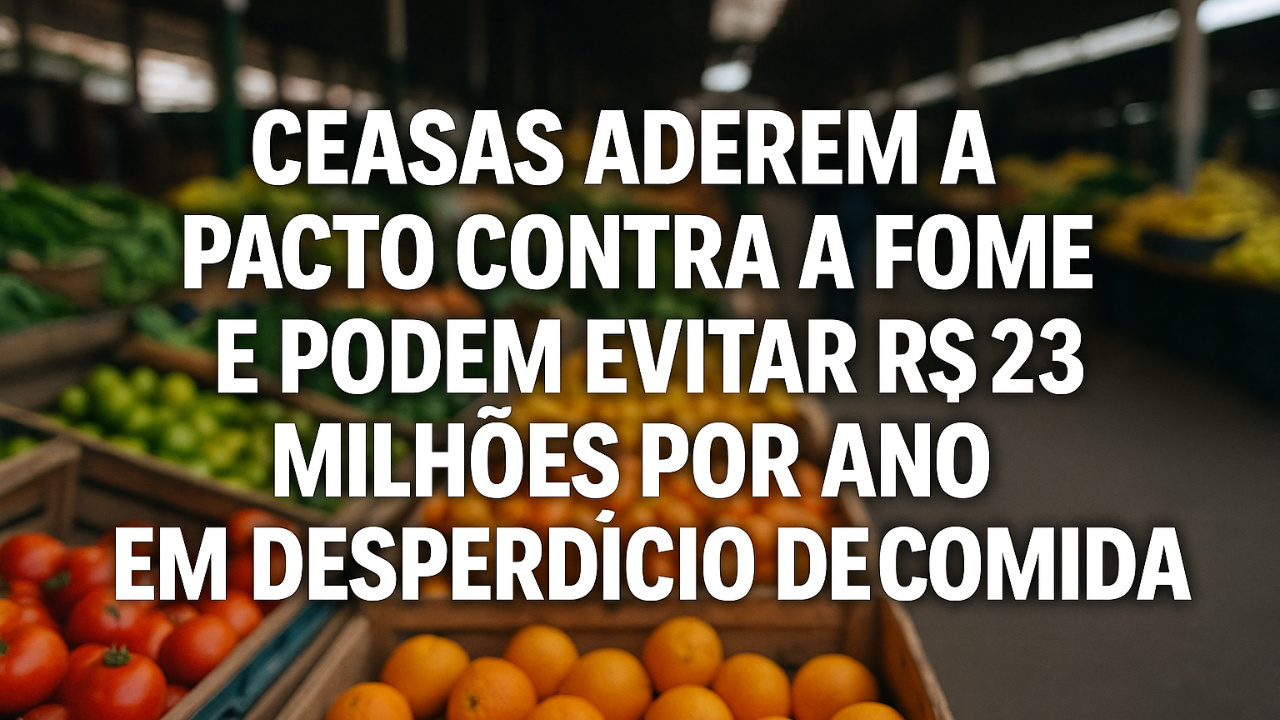

Hunger Pact Gains Support: Ceasas Join the Program and Can Reduce R$ 233 Million Per Year in Food Waste.
The Supply Centers from 15 Brazilian states announced this week their adherence to the Hunger Pact.
The initiative will involve producers, wholesale markets, and social institutions to redistribute food that would otherwise be discarded, allowing around 122,000 people to benefit daily.
The action takes place simultaneously in various states, mobilizing public and private agents because Brazil still faces high levels of food insecurity and an estimated annual waste of 55.4 million tons.
-
Green Roofs on Homes Gain Popularity for Reducing Heat, Noise, and Rain Impact in Brazil

-
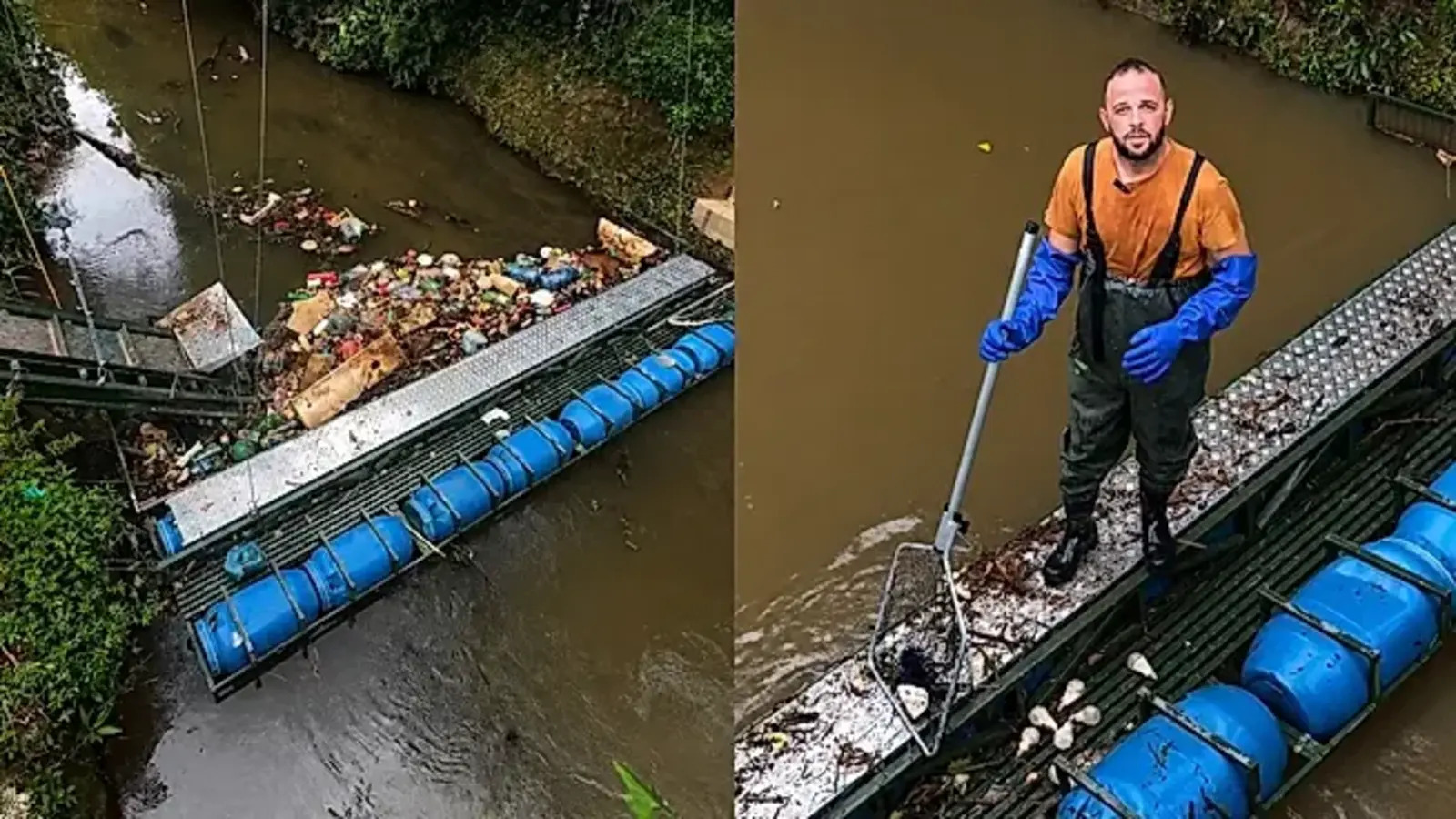
Brazilian promises his children to save a river, creates an eco-barrier in his backyard, has already removed more than 40 tons of trash from the water, and even inspires the idea in other states of the country.

-
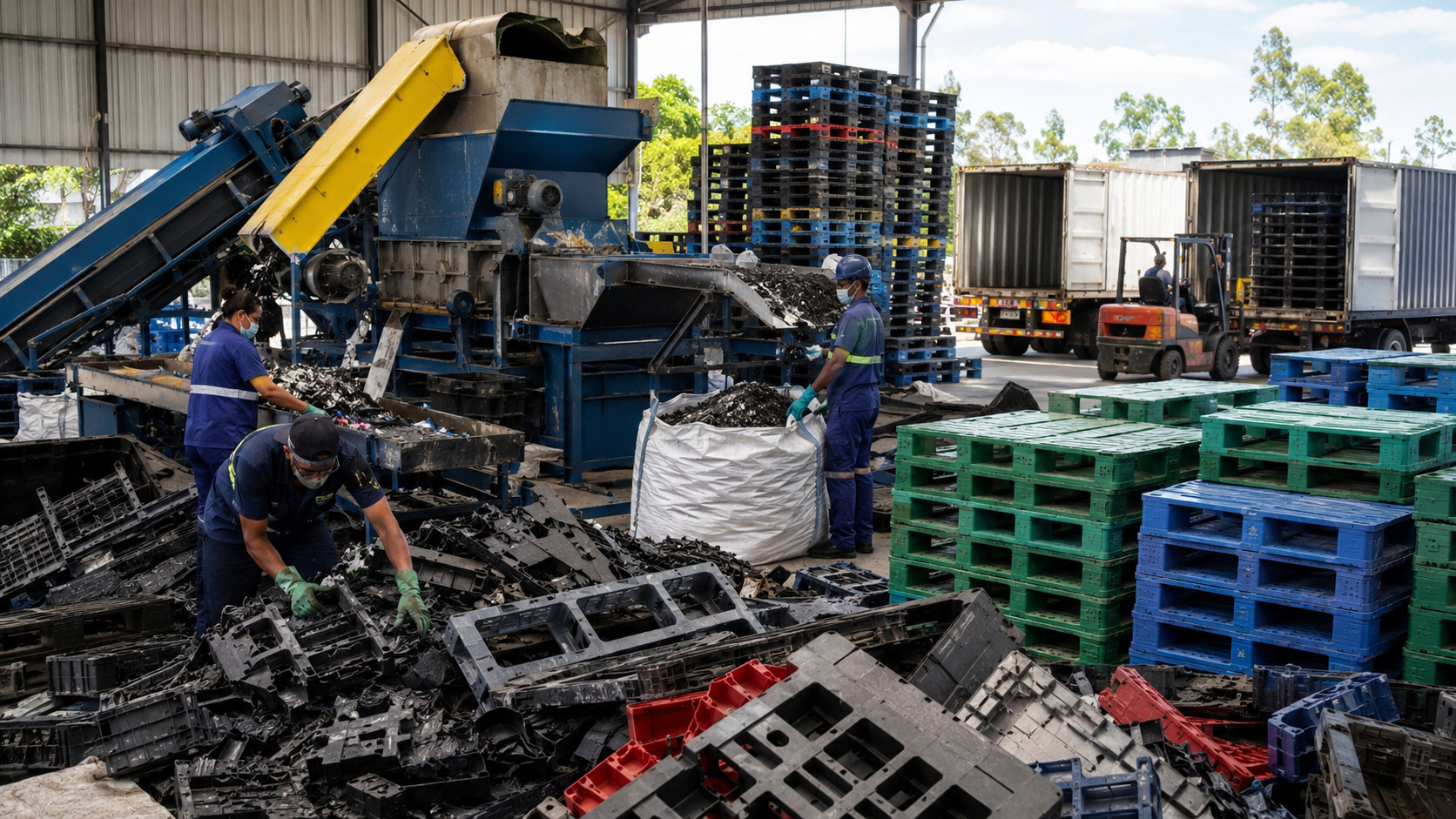
How a Brazilian company created a system that transforms broken pallets of any brand into new assets, recycles 80 tons of plastic per month, and found a profitable solution to a problem that challenges industries across the country.
-
Invasive bullfrog capable of devouring other amphibians and laying up to 20,000 eggs is found in Florianópolis, raising an alert about the threat to native fauna.


Redistribution Can Transform 53,000 Tons Into Daily Food For Thousands of Families
According to the Brazilian Association of Supply Centers (Abracen), the Ceasas participating in the program are expected to redistribute approximately 53,000 tons of food through organized donations.
This volume, in turn, will have a direct impact on the fight against hunger by ensuring that products that do not meet commercial standards are utilized.
Adherence Expands the Hunger Combat Network in 15 States
Among the signatories are Ceasaminas and the supply centers from Amapá, Campinas, Caruaru, Ceará, Federal District, Espírito Santo, Goiás, Mato Grosso do Sul, Paraná, Pernambuco, Rio Grande do Norte, Rio Grande do Sul, Salvador, and Santa Catarina.
With this, the network of solidarity distribution expands across different regions of the country, strengthening the flow of donations and increasing efficiency in connecting wholesalers and assistance institutions.
Waste in Brazil Is Still Alarming and Starts in the Fields
The national report for 2022 highlights data showing where waste occurs the most. In the fields, where much of the losses are invisible to the final consumer, 31.2% of the production is lost even before leaving rural areas.
This number reveals the impact of factors such as logistical failures, improper handling, and infrastructure limitations, especially in the distribution of family farming.
Meanwhile, 19.5% of losses occur in the manufacturing and supply stage, precisely the environment where Ceasas operate most effectively.
Thus, adherence to the Hunger Pact creates a concrete opportunity to reduce this index by transforming surpluses and products outside aesthetic standards into food for vulnerable communities.
Why Adherence of Ceasas Can Prevent R$ 233 Million in Waste
By adding the volume of losses and the market value of donated products, experts estimate that the initiative can prevent up to R$ 233 million per year in food waste.
It also represents an important advancement for the environmental agenda
As it reduces the emission of gases generated by organic waste in landfills and minimizes unnecessary use of natural resources such as water and energy.
A Decisive Step Towards a More Sustainable Food System
The entry of Ceasas into the Hunger Pact demonstrates that simple and articulated solutions can generate significant benefits for the country.
At the same time, it shows that waste reduction depends on joint actions and an organized chain, where all producers are involved.
With the potential to feed thousands of Brazilians daily, the initiative consolidates itself as a milestone in the fight for food security.
It reaffirms that Ceasas adhere to the Hunger Pact and can prevent R$ 233 million per year in food waste.










Excelente iniciativa.