






 Portuguese
  Spanish



The Reality Of Electric Vehicles: From Promising Future To Unexpected Problems
Electric vehicles were initially celebrated as the perfect solution for a sustainable and economical future. However, reality has proven to be quite different. Despite promises of minimal maintenance and savings, electric vehicle owners are finding that repairing them can be not only costly but, in many cases, impossible. Here are the six main reasons these vehicles often end up being discarded after the first failure, according to the Mobility Channel – MOCHA.
1. High Insurance Costs
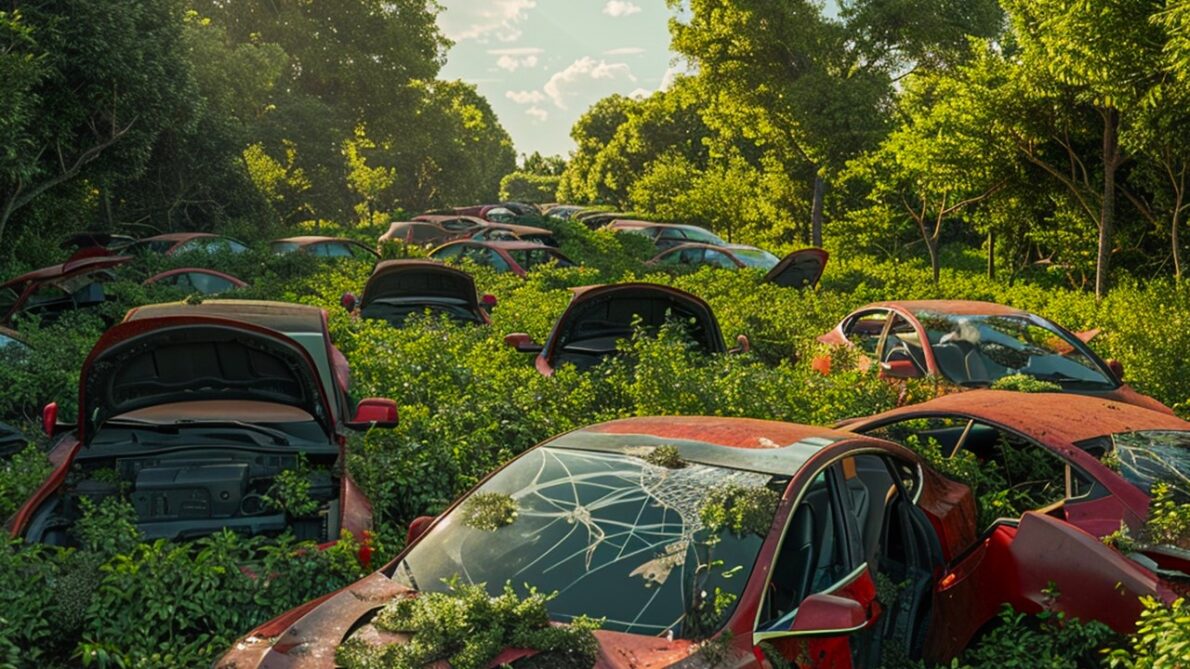
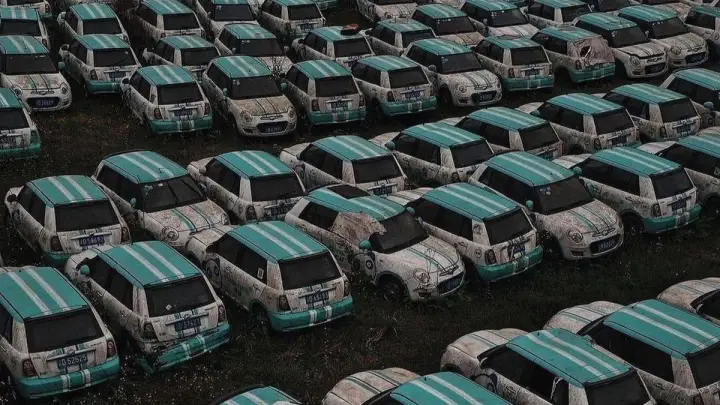
Although manufacturers offer extensive warranties for new electric vehicles, certain repairs, especially those stemming from collisions, are not covered. Insurance companies, aware of the high costs and complexity of repairs, prefer to write off damaged vehicles rather than repair them. This results in significantly higher insurance premiums compared to combustion vehicles. The presence of electric vehicles in scrapyards, often almost intact, is a clear indication that insurance companies prefer to avoid the costs and complications associated with these repairs.
2. Lack Of Trained Technicians
The maintenance of electric vehicles requires specific skills that most mechanics do not possess. In the United States, and in other markets like the UK, only a small percentage of technicians are qualified to work on these vehicles. The shortage of trained professionals not only increases wait times for repairs but also significantly raises costs, due to the complexity and risks involved in handling high-voltage systems.
-
End of an era in Brazil: beloved sedan by Brazilians is discontinued despite having a 2.0 engine with 151 hp, CVT transmission, 466-liter trunk, and up to 650 km of range.

-
New Law Proposal in Brazil Could Heavily Penalize Drivers: Dangerous Overtaking May Become a Serious Offense with Fines Increased Tenfold and a 12-Month License Suspension; Update on 2026 Progress

-
Electric Revolution: Watts W125 Motorcycle Offers 160 km Range, 90 km/h Speed, and Affordable Price Starting at $3,000
-
General Motors Replaces Over a Thousand Workers with 50 Cobots at Electric Vehicle Plant, UAW Union Criticizes Move Amid Industry’s Automation Push



3. Battery And Metal Sheet Issues
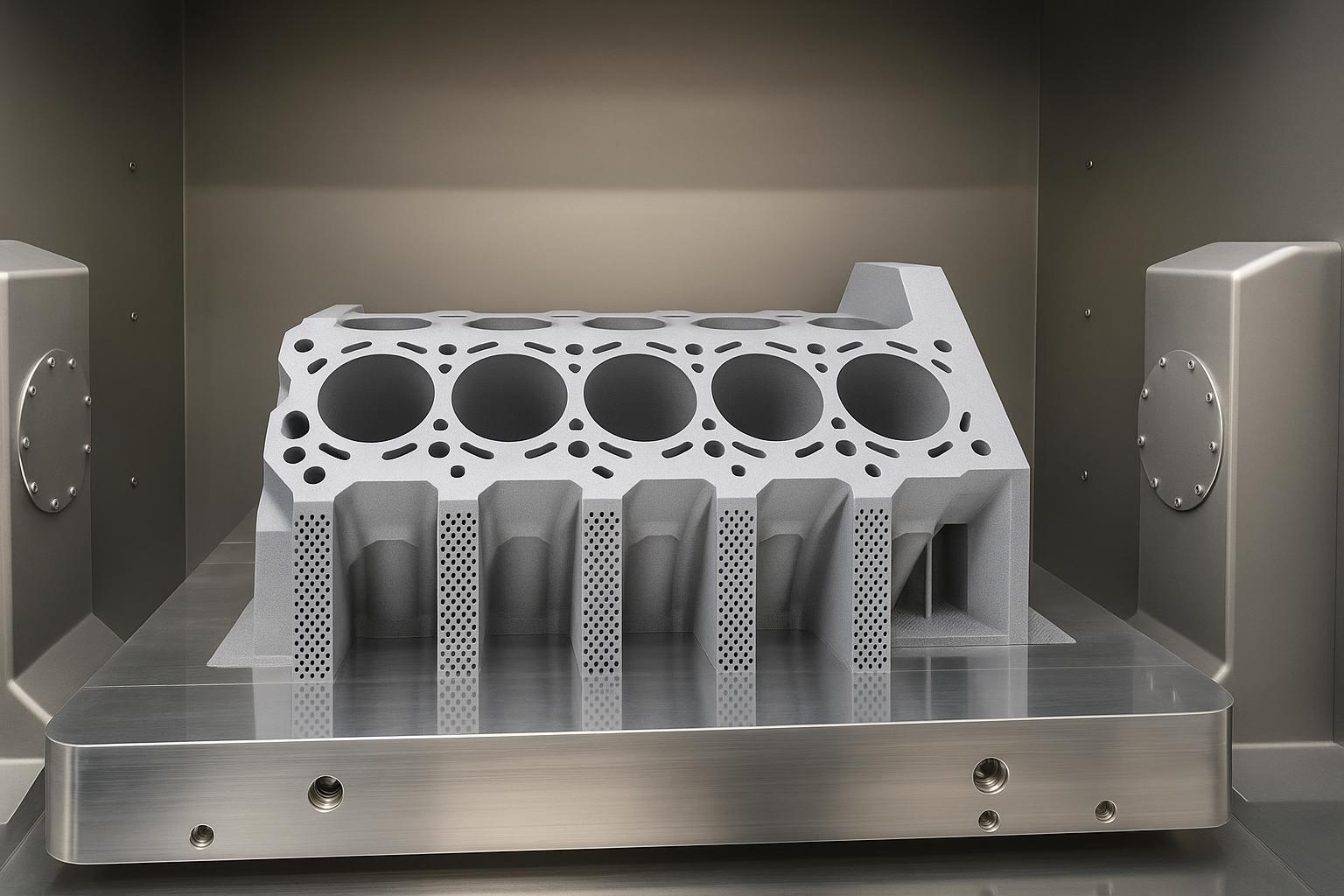
Damage to the battery casing, even if minor, is often irreparable, leading to the vehicle’s disposal. Furthermore, replacing these casings is extremely expensive and complex, something many dealerships are not prepared to undertake. The body panels of electric vehicles, made of aluminum or composite materialss, are also difficult to repair, further increasing maintenance costs.
4. Software Challenges
Electric vehicles are equipped with advanced systems that integrate batteries and electronic components. However, software problems have been a constant, especially in models from manufacturers like GM. Software updates often require trips to the dealership, where vehicles may stay for weeks waiting to be repaired. The lack of trained personnel to handle these failures exacerbates the situation.
5. Reliability Below Expectations
Although electric vehicles were expected to be more reliable and economical than combustion vehicles, reality has shown the contrary. Studies, like the one from Consumer Reports, indicate that electric vehicles experience 80% more problems than their combustion counterparts. Issues with batteries, software, and build quality are common, leading to frequent trips to the dealership and long wait times for repairs.
6. Lack Of Support
The lack of adequate support is a significant issue, especially for new companies in the electric vehicle market. Limited dealership networks and inadequate technical support mean that even minor damages can result in major problems. Many electric vehicles end up in scrapyards, even with minor damage, due to the difficulty and cost of repairs.
The Future Of Electric Vehicles
Despite current challenges, electric vehicles still represent a crucial part of the future of mobility. Continuous evolution of technologies and expansion of technical support are essential to overcoming these obstacles. In the meantime, the industry needs to urgently address cost, training, and support issues to ensure that electric vehicles can fulfill their promises of sustainability and long-term savings.








Sim, creio que não vale a pena.
Mas… já era previsto pela maioria dos brasileiros !
O meu comentário você tem que preservar é o universo o carro tá vindo aí elétrico seja bem-vindo é maravilhoso acabar com essa poluição é mataram o cara né que fez o criou o carro a água né aí agora quer acabar com os elétricos mas agora vai ser difícil vocês acabar hein
Carro elétrico para ser atrativo terá que evoluir bastante aqui no Brasil, autonomia, reabastecimento, assistência técnica e peças de reposição, enquanto isto não ficar 100%,esquece não vale o risco.