Portuguese
  Spanish



Sale of the Enseada Shipyard, Formerly Odebrecht, and Port Terminal in 2025 Promises to Move Billions. See the Implications of This Major Sale!
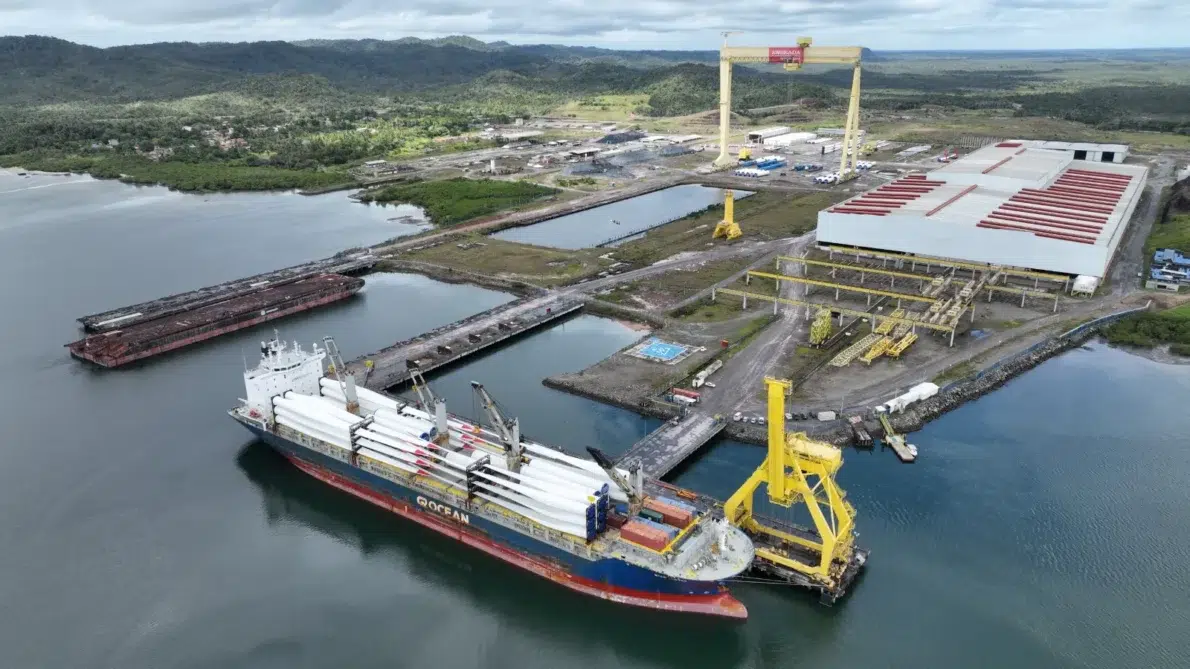
The Enseada Shipyard, located in Maragogipe and owned by the Novonor group (andformerly Odebrecht), will be sold. The information was confirmed by the company’s president, Ricardo Ricardi. According to him, all assets will be put up for sale in 2025, including the port terminal, which is already in operation.
The announcement should be published soon, with a bidding forecast for the first half of next year.
Company Has Been Facing a Bankruptcy Restructuring Process Since 2019 and Needs to Liquidate About R$ 3 Billion in Debts
The company, which has been facing a bankruptcy restructuring process since 2019, is seeking to liquidate about R$ 3 billion in debts. The crisis began in 2014, when the incentive policy for the shipbuilding industry ended. To attract buyers, the sale will be divided into three parts: the Private Use Terminal (TUP), the shipyard, which recently resumed operations, and an area designated for the renewable energy industry.
-
The U.S. Navy Conducts Submarine Tests in Idaho Lake to Detect Underwater Noises Hidden by the Ocean

-
72-Year-Old Man Spends Six Years Building a Rotating House for His Wife, Completing a Full Turn in 22 Seconds

-
Chinese Residential Building Surrounded by Circular Overpass After Residents Reject Compensation

-
After 79 Months and $145 Million Investment, Nepal Set to Open First 2.7 km Road Tunnel to Ease Traffic in Kathmandu Valley



Furthermore, the Private Use Terminal (TUP), which already handles mineral and vegetable bulk, is considered the most attractive and viable asset for sale. If the assets do not find buyers that meet the requirements of the main creditors — Caixa Econômica Federal and Banco do Brasil — the company will continue to operate the business, with the expectation of selling the assets in a new opportunity.
Shipyard Will Return to Activity with the Construction of 80 Barges and Is Already Bidding for Tenders That Promise to Generate 3 Thousand Jobs
Another important point is that the shipyard will return to activity with the construction of 80 barges, each capable of carrying 2,900 tons. These barges will be destined for LHG Mining, a company of the J&F group, in a contract valued at R$ 500 million. For this project, Enseada formed a consortium with Tenenge, which holds 25% of the business, while the shipyard participates with 75%.
This contract signals the resumption of operations at the Enseada Shipyard and could open doors for new projects. The expectation is that this movement will dispel doubts about the shipyard’s mobilization capacity for larger enterprises. According to Ricardi, the company is already bidding for tenders that could involve up to 3,000 workers.
Enseada Is Participating in Tenders for Shipowners of Petrobras Support Vessels
Moreover, Enseada is also participating in tenders for shipowners of Petrobras support vessels. However, the president highlighted that the current volume of operations at the port terminal is still below its true potential. With the reactivation and new contracts in sight, the company hopes to improve these numbers and attract new business.
These actions are seen as crucial for the recovery of the company and to ensure that it continues to operate, should the sale process not proceed as planned. The outlook is positive, but the sale depends on market interest and creditor acceptance.