Portuguese
  Spanish



The Sailing Freighter That Saves Fuel Represents a Milestone in Maritime Sustainability With an Expected Return to Asia With 63,000 Tons of Soy
On Friday, September 15, 2023, Brazil marks a historic achievement by receiving the world’s first sailing freighter that saves fuel, the Pyxis Ocean. Coming directly from Shanghai, China, this innovative vessel will dock at the Port of Paranaguá, Paraná, to be loaded with 63,000 tons of soybean meal and return to Asia. This achievement results from a charter by the grain and commodity giant Cargill, which opted for the Mitsubishi Corporation ship, according to Poder 360.
The operation of the Pyxis Ocean will take place in the eastern export corridor of the Port of Paranaguá, an area that saw the movement of 15.3 million tons of grains, including soybeans, corn, and soybean meal, during the first eight months of this year. This innovative vessel arrives to revolutionize the way agricultural products are transported, providing significant environmental benefits.
The Technology Behind the Sailing Ship That Uses Little Fuel Pyxis Ocean
The operation of the Pyxis Ocean is remarkable for its eco-friendly and efficient approach, using little fuel. This pioneering ship is equipped with two windwings, metal sails made from a material similar to that of wind turbines, making them more durable. These giant sails, also known as wings, have an impressive height of 37.5 meters.
-
Eni Acquires 25% Stake in Chilean Lithium Project, Plans to Invest Up to $225 Million in Eco-Friendly Extraction Method

-
French Brand Transforms 6 Million Brazilian PET Bottles into Sustainable Sneakers for Global Fashion Market
-
Abandoned Factory in Rio’s North Zone Becomes Urban Hazard with Standing Water and Debris

-
The U.S. Navy Conducts Submarine Tests in Idaho Lake to Detect Underwater Noises Hidden by the Ocean
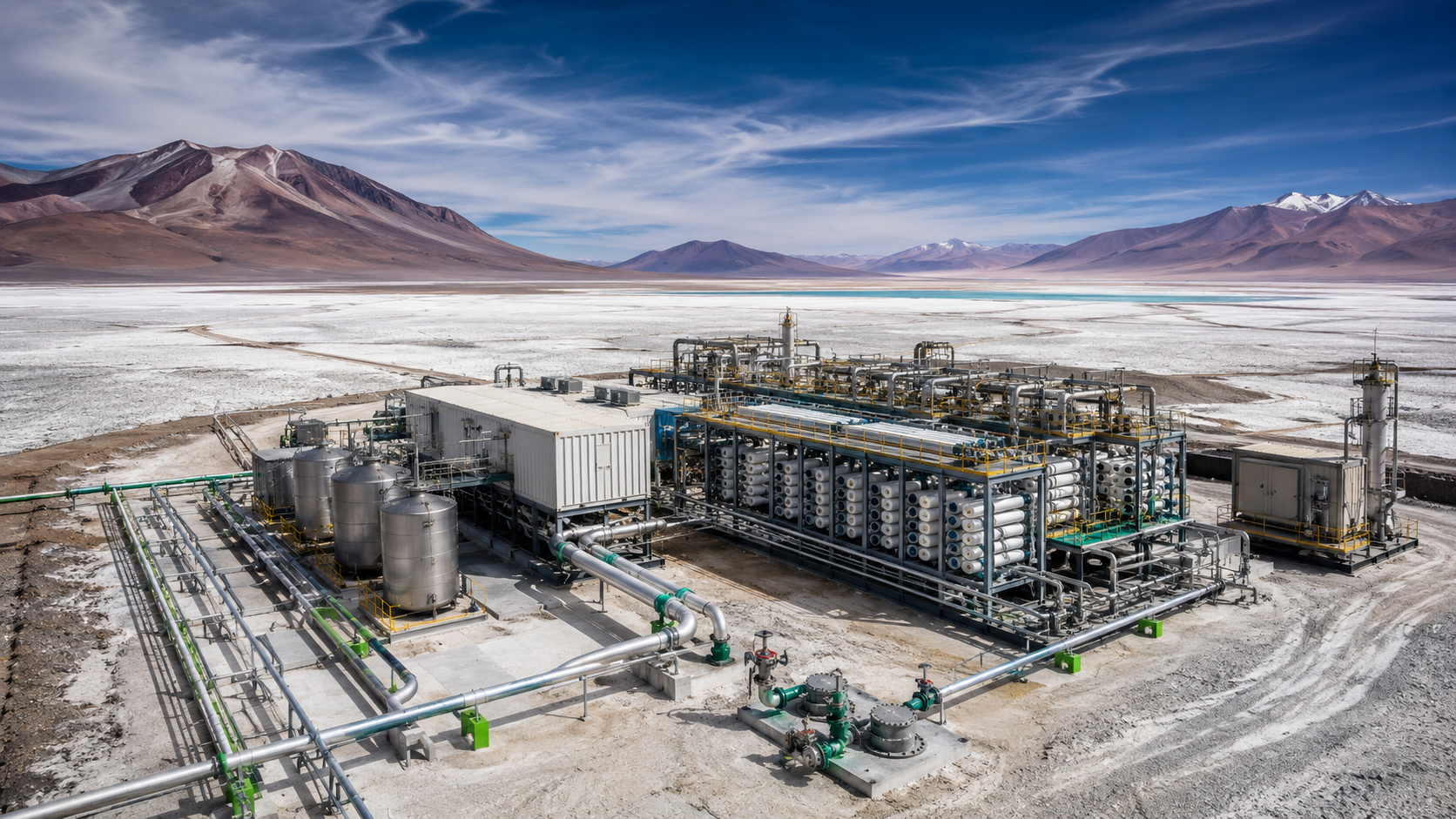


During the time the ship is docked at the port, the sails remain folded, being opened only after navigation begins. The technology, called BAR Tech WindWings, has the capacity to save fuel by reducing dependence on the conventional engine, harnessing the power of the winds to propel the ship.
Thanks to the use of the sails, carbon dioxide (CO2) emissions are reduced by up to 30%, with potential for further reductions if the vessel opts for renewable fuels. This fuel-saving technology was developed by BAR Technologies, in collaboration with Yara Marine Technologies, with support from the European Union. Its main objective is to promote innovation, reduce operational costs, and minimize pollutant emissions.
The implementation of these sails on a single ship results in a daily savings of approximately 1.5 tons of fuel. Unlike the cloth sails used in the past, the material used in this system offers greater durability and reliability. This signals great potential for this system in the future of commercial navigation.
Data on the Pyxis Ocean: A Revolution in Navigation
The Pyxis Ocean, owned by Mitsubishi Corporation, flies the flag of Singapore and specializes in the transport of bulk solids, such as grains. Its construction was completed in 2017, and its value is estimated at US$ 29 million. With a length of 229 meters, the ship is powered by two metal sails that work in conjunction with an auxiliary engine to facilitate navigation. Each of these sails impresses with its 37.5 meters of height, developed with British technology, using the same material found in wind turbines.
This achievement marks a significant step toward maritime sustainability and underscores Brazil’s commitment to adopting innovative technologies to reduce carbon footprints in the transport industry. The arrival of the Pyxis Ocean at the Port of Paranaguá is a historic milestone that is expected to inspire further advances towards a cleaner and more ecological future for global navigation.