






 Portuguese
  Spanish


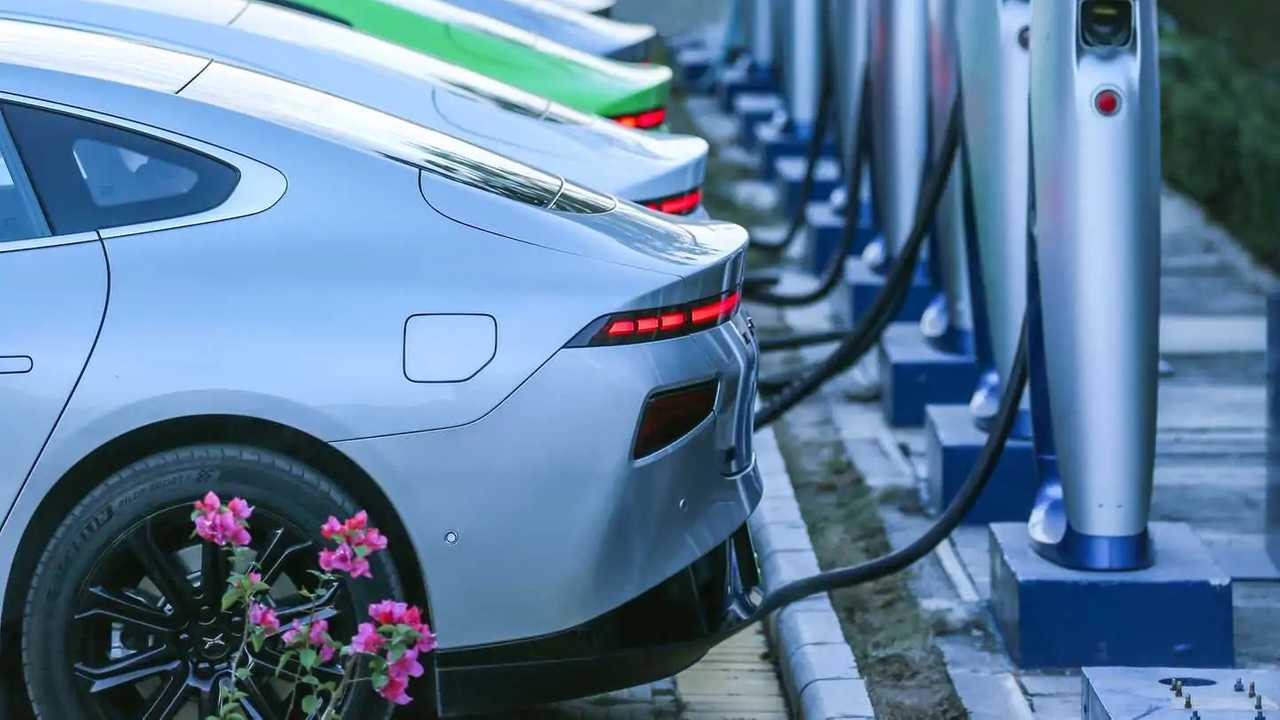

Seen in the Recent Past as Something Futuristic, Electric Cars Are Becoming Increasingly Popular Among Brazilians. Thus, the Question Arises for the General Public: Has the Time Come to Buy an Electric Car?
According to a survey by Bain & Company, today, one in every four Brazilians is already considering the possibility of acquiring an electric car.
Thus, with the introduction of more affordable models in recent months and the anticipated increase in tax rates in the coming years, the question arises whether this is the ideal time to invest in a 100% electric vehicle.
With the increase in electric car sales, the import tax rate on these models, often manufactured in China, has also risen.
-
Brazil’s Federal Revenue Auction: iPhone 13 for $95, PlayStation 4 for $80, and Volkswagen Jetta for $2,600 Among 232 Lots Available

-
Tech Giant Oracle Lays Off 21,000 Employees and Invests $70 Billion in Artificial Intelligence

-
Chilean Giant Acquires St. Marche, Expanding from Discount to Premium Supermarkets in São Paulo’s High-End Retail Market
-
After 60 Years of Selling Cheap Milk, Brazilian Family Invests in $4,000 Equipment to Transform Farm’s Milk into Premium Sweets, Producing 2 Tons Daily and Aiming for $6.4 Million


In January, electric cars were subjected to an import tax of 10%. In July, this rate will increase to 18%, reaching 25% in July 2025 and 35% in July 2026.
The most affordable electric car in Brazil is the Renault Kwid E-Tech, available from R$ 99,990, almost double the price of the combustion engine version.
In an interview with the IG portal, Eduardo Rocha, CEO of Klubi, the only fintech authorized by the Central Bank to operate consortia in the country, stated that, in his view, the consortia can be a prudent way to acquire an electric vehicle.
“In the consortia for an electric vehicle, the interested party can even offer the value of their combustion car as a bid to accelerate the plan to drive a battery-powered vehicle,” explains the executive.
With plans of up to 100 months, this can be an interesting, albeit risky, alternative considering the Brazilian market.
The expectation is that battery technologies will continue to evolve in the coming years, providing greater range and shorter charging times for electric cars.
In Brazil, BYD is finalizing the adaptation of its factory in Camaçari, Bahia, and plans to begin national production of hybrid and 100% electric models later this year.
Toyota, which already produces hybrids in the country, plans to nationalize the production of batteries, which are one of the most expensive parts of these vehicles. These initiatives may reduce the prices of electric cars in the coming years and make the investment even more attractive.





Bom dia!!!
A realidade do carro elétrico é indubitavelmente certa, porém paira dezenas de dúvidas na hora de adquirir, a bateria é o principal quesito, visto que custa quase o preço do carro, e as montadoras só dão 8 anos de garantia, pergunto?? Daqui alguns anos teremos montanhas de sucatas elétricas, o preço ainda não atrai, um carrinho como o kwid, o do JAC e outros se fossem vendidos entre 50 e 70 mil acredito que teríamos mais unidades vendidas. Um aspecto em particular que me intriga, é a capacidade de arrasto desses carros, não encontrei ainda em suas especificações esse item, falo da questão de rebocar um reboque tipo carrocinha que seja. Vc não pode usar um carrinho desses para ir pra roça, seria interessante um suv compacto com estrutura para arrastar um reboque e enfrentar estrada de chão, talvez aquele suv vietnamita melhorado fosse uma solução interessante!!!!
Abraços!!!