






 Portuguese
  Spanish


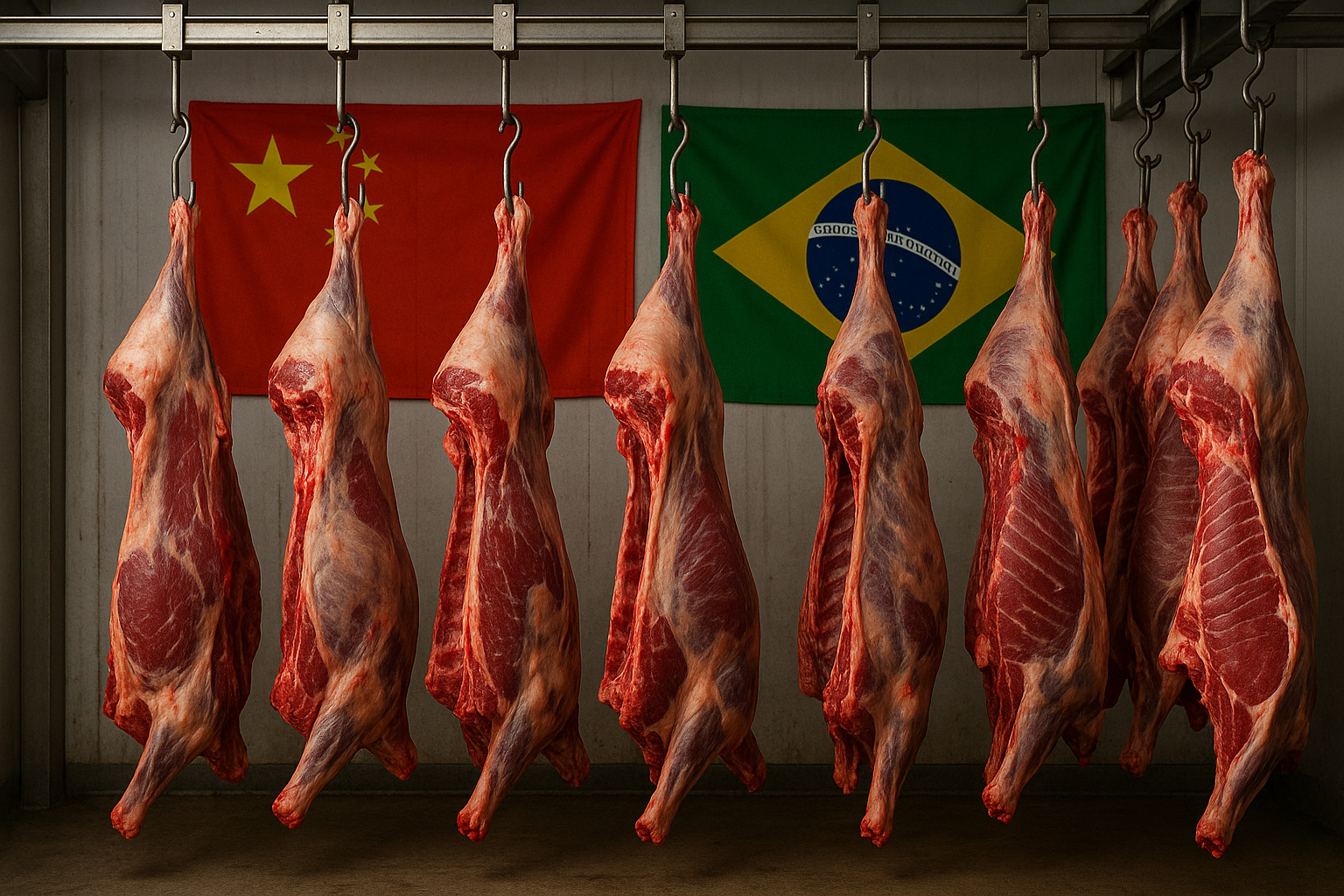


China Reduces Total Volume But Opens More Space For Brazilian Beef
China, the world’s largest importer of beef, purchased 505 thousand tons of the product in August, a volume 5.3% lower compared to July, according to data from the country’s General Administration of Customs.
From January to August, purchases totaled 4.24 million tons, a decline of 3.6% compared to the same period in 2024, according to Canal Rural.
Despite this retraction in total imports, Brazil gained more space in the Chinese market. Brazilian beef exports to the Asian country jumped from 106 thousand tons in August 2024 to 158 thousand tons in August this year. This represents a significant growth of 50% in shipments, according to data from the Ministry of Development, Industry, Commerce and Services.
Losses in the United States and Russia’s Advance Balance the Scenario
While China drove demand, the United States went in the opposite direction. Brazilian beef sales to the North American market fell from 15 thousand tons in August 2024 to about 6.4 thousand tons this year, a retraction of 58%.
-
Brazilian Farmers with Basic Education Create Backyard Machines That Win National Invention Contest, Beating 242 Projects

-
Brazilian Farm Innovates with Cage-Free Chickens, Producing 3,300 Odorless Eggs Daily

-
From Selling Unsold Saplings to Creating Brazil’s Most Awarded Olive Oil Brand with 330 Accolades and a $12 Million Goal by 2026
-
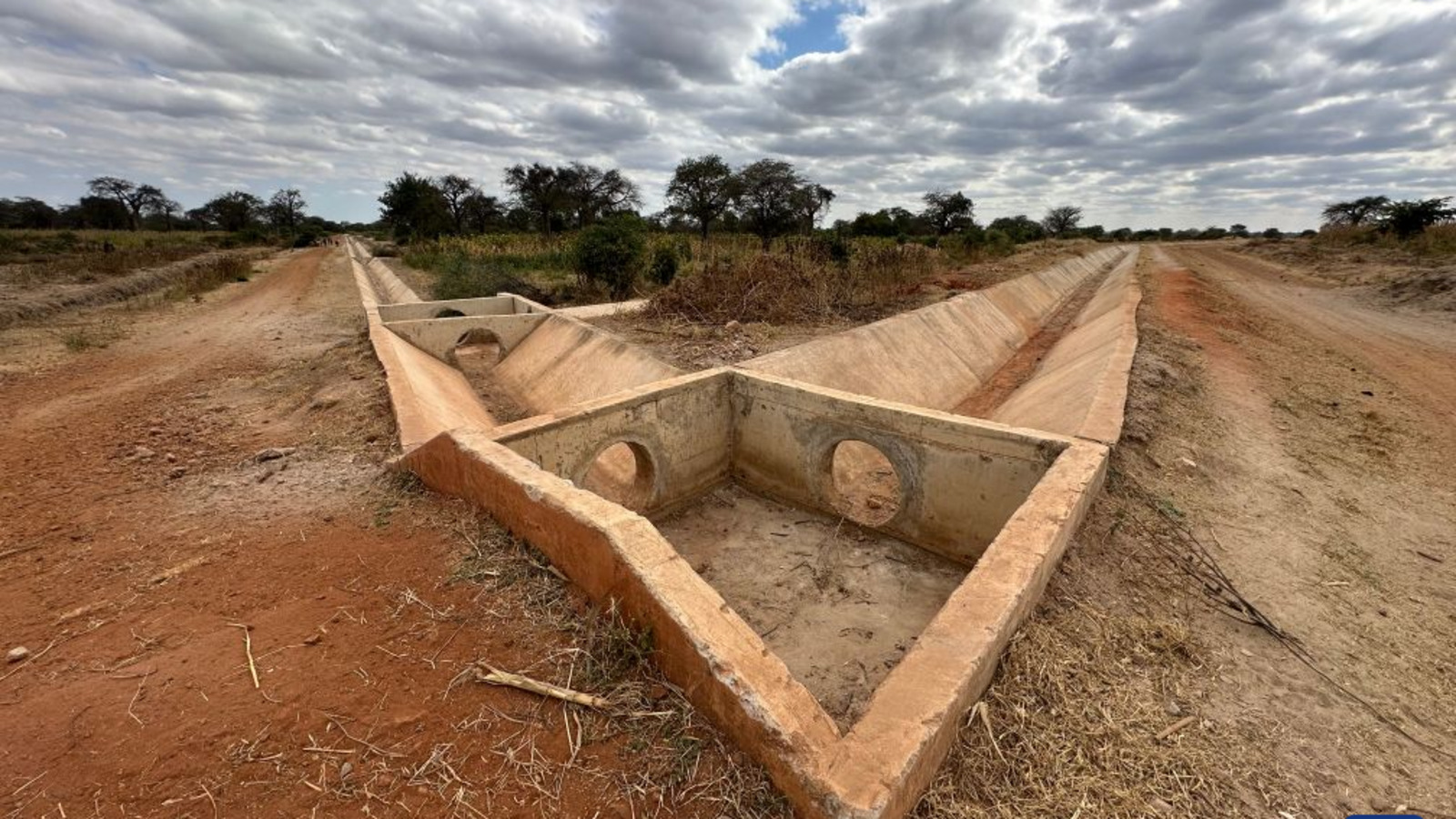
China Builds 400-Hectare Irrigation System in Tanzania to Aid 1,000 Families Dependent on Rainfall


Meanwhile, Russia showed strong buying power, increasing its purchases: there were 7.5 thousand tons in 2024 compared to 12.4 thousand tons this year. This movement helped offset some of the losses in the U.S., keeping the sector in balance.
In practice, the increased demand from China and Russia neutralized the negative impact of the drop in exports to North Americans.
Brazil Reinforces Its Role in the International Beef Market
Even in a global scenario of adjustments and trade disputes, Brazil remains consolidated as one of the main suppliers of beef to the international market.
The highlight is China, which has firmly assumed the role of main client, ensuring volume and stability for Brazilian slaughterhouses and exporters.
This prominence is not just numerical: it reveals the strength of Brazilian agribusiness and its ability to adapt to regional fluctuations. The growth of Chinese and Russian purchases demonstrates that the country has managed to maintain competitiveness in an increasingly contested market.
With the United States reducing demand and China increasingly ramping up purchases, could Brazil be becoming too dependent on a single market?
Leave your opinion in the comments.








Sou produtor rural tenho que ficar antenado