






 Portuguese
  Spanish


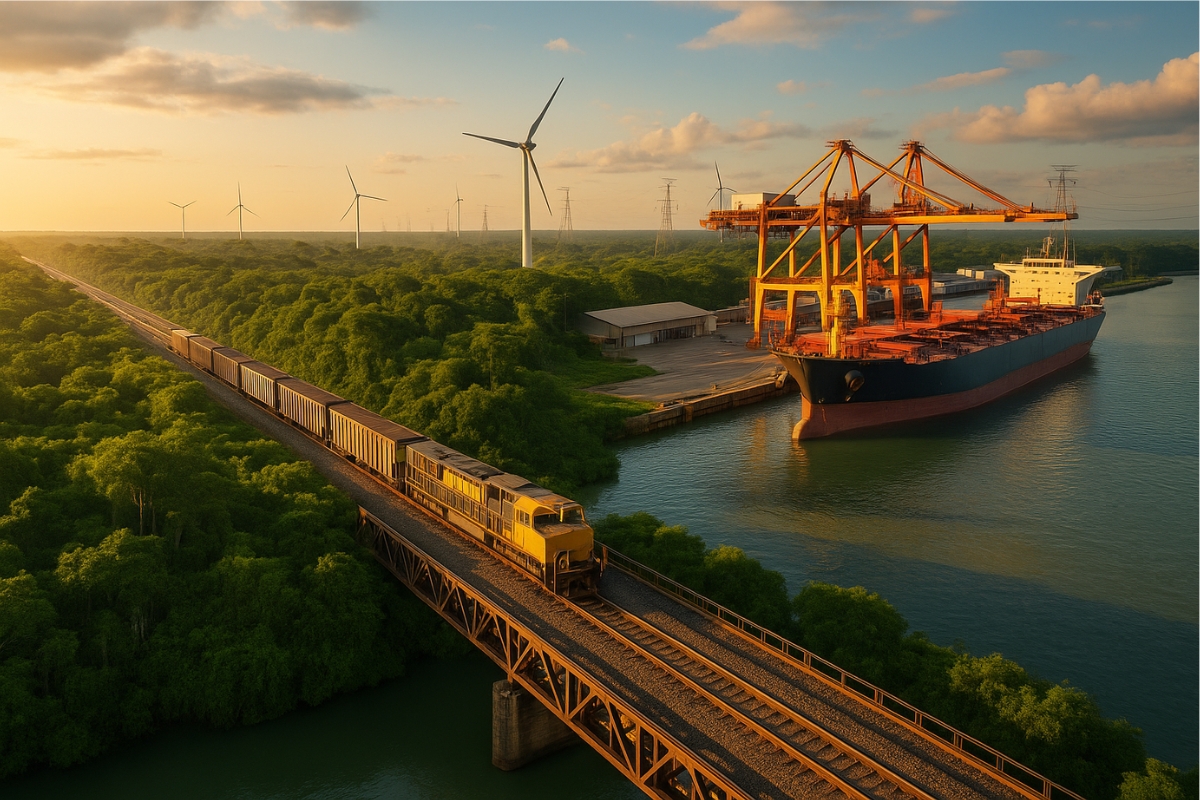


China Intensifies Its Presence in Brazil with Billion-Dollar Megaprojects in Railways, Ports, and Energy, Transforming the Country into a Key Player in the New Silk Road and at the Center of Global Logistical Dispute
In a move that strengthens China’s presence in South America, a new logistical agreement could change Brazil’s economic landscape in the coming years. The Asian country signed, in July 2025, a memorandum of understanding with the Brazilian government to develop studies on an integrated multimodal transportation system, connecting railways, highways, ports, and waterways throughout the national territory.
The initiative is part of a larger strategy from Beijing: to consolidate secure trade routes outside the traditional axis controlled by the United States and Europe, at a time when the global competition for energy, minerals, and food intensifies.
The Corridor That Will Connect the Atlantic to the Pacific
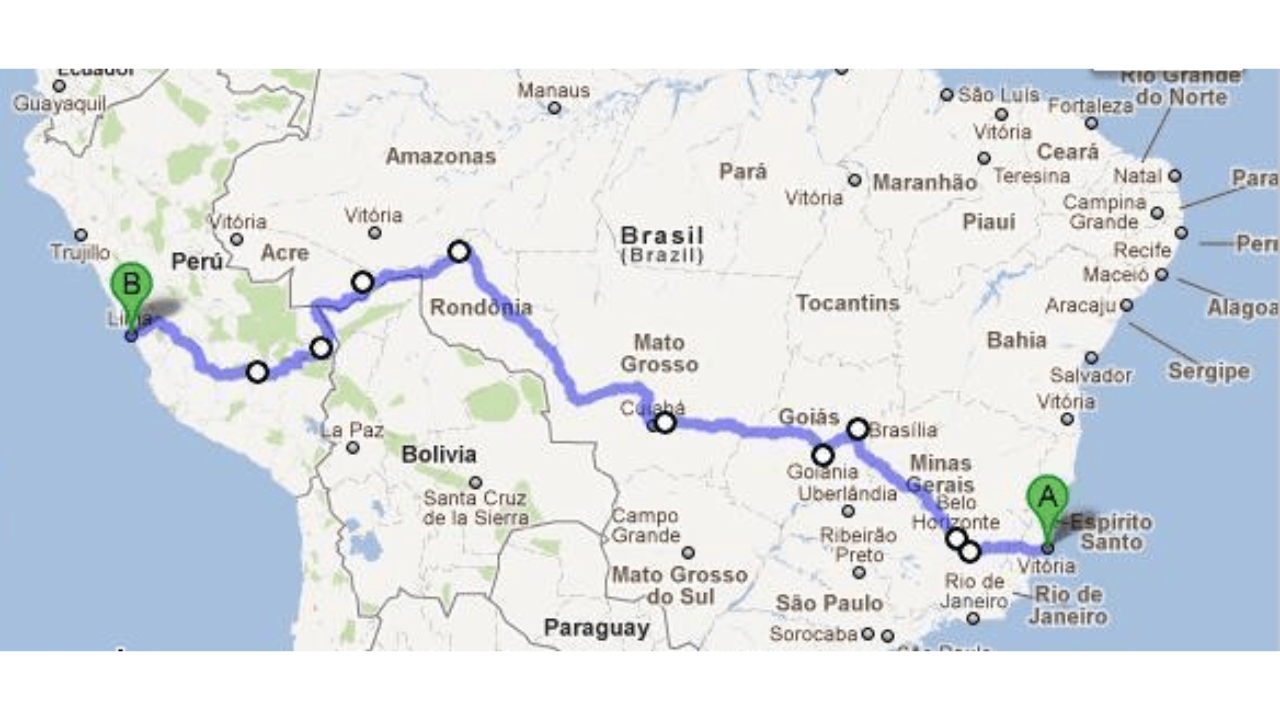
The most emblematic project is the so-called Bioceanic Railway Brazil–Peru, which aims to connect Brazil’s Midwest to the Pacific Ocean, passing through the Andes and reaching the port of Chancay in Peru. This megaproject, estimated to cost billions of dollars, would shorten the route for Brazilian exports and reduce dependence on the Panama Canal and Atlantic routes.
-
China’s Engineered Bamboo: The “Material of the Future” Stronger Than Steel and a Sustainable Wood Alternative

-
Egypt’s “New Nile”: 170 km Artificial River Aims to Turn Desert into Farmland, but Water Supply Concerns Loom
-
Unable to secure a mortgage as a self-employed single mother, she designed her own floating home from a 20-meter boat and now lives “off-grid” with her two children and solar panels on an English canal.
-
Man Transforms Rusty Shipping Container into Luxury Home with Insulated Walls, Large Windows, and Drywall Finish, Surprising Onlookers



According to the federal government, the agreement was signed between Infra S.A., linked to the Ministry of Transport, and the China Railway Economic and Planning Research Institute, responsible for the technical part. The partnership is in the initial phase of feasibility studies, but is already seen as one of the main logistical bets of the new PAC and a central axis of South American integration policy.
A New Era of Chinese Influence in Brazil
In recent years, China’s presence in Brazil’s infrastructure sector has been growing rapidly. State-owned enterprises and investment funds from the Asian country are already involved in projects in energy, ports, and railways, including concessions and public-private partnerships in states such as Bahia, Mato Grosso, and Pará.
Analysts see this expansion as a strategic repositioning of Brazil within the so-called New Silk Road, the global infrastructure initiative launched by Xi Jinping in 2013. The proposal is to transform South America into a secure corridor for exporting agricultural commodities, minerals, and energy, as well as to create space for new technological and industrial routes.
However, this approach also raises alarms. Economists point out that, although Chinese investments bring resources and jobs, they could increase dependence on external capital and reduce national logistical autonomy if control over export corridors remains in foreign companies’ hands.
The Game of Interests and Environmental Challenges
The Bioceanic Railway will cross environmentally sensitive areas, including regions near the Amazon and international borders. This raises concerns about the environmental and social impact of such a large-scale project. Environmentalists are calling for guarantees that the route will not affect indigenous communities or fragile biomes.
The Brazilian government states that the project will follow sustainability criteria and that the goal is to reduce the cost and impact of road transport, which is currently responsible for most of the CO₂ emissions in the country. Nevertheless, experts emphasize that licensing and financing remain critical points that could delay execution.
In addition to the environmental component, there is a strong geopolitical element: while China expands its influence in Latin America, the United States seeks to counterbalance this advance with its own infrastructure programs, such as the Partnership for the Americas for Economic Prosperity.
Brazil at the Center of the Global Dispute for Logistics and Energy
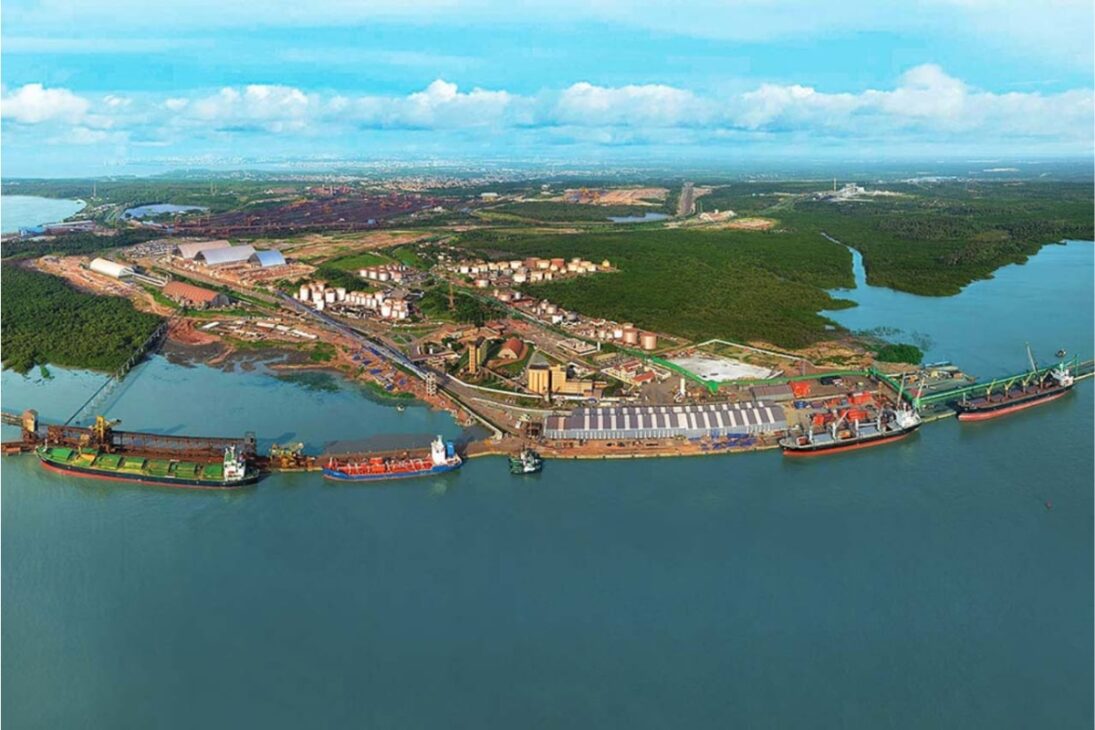
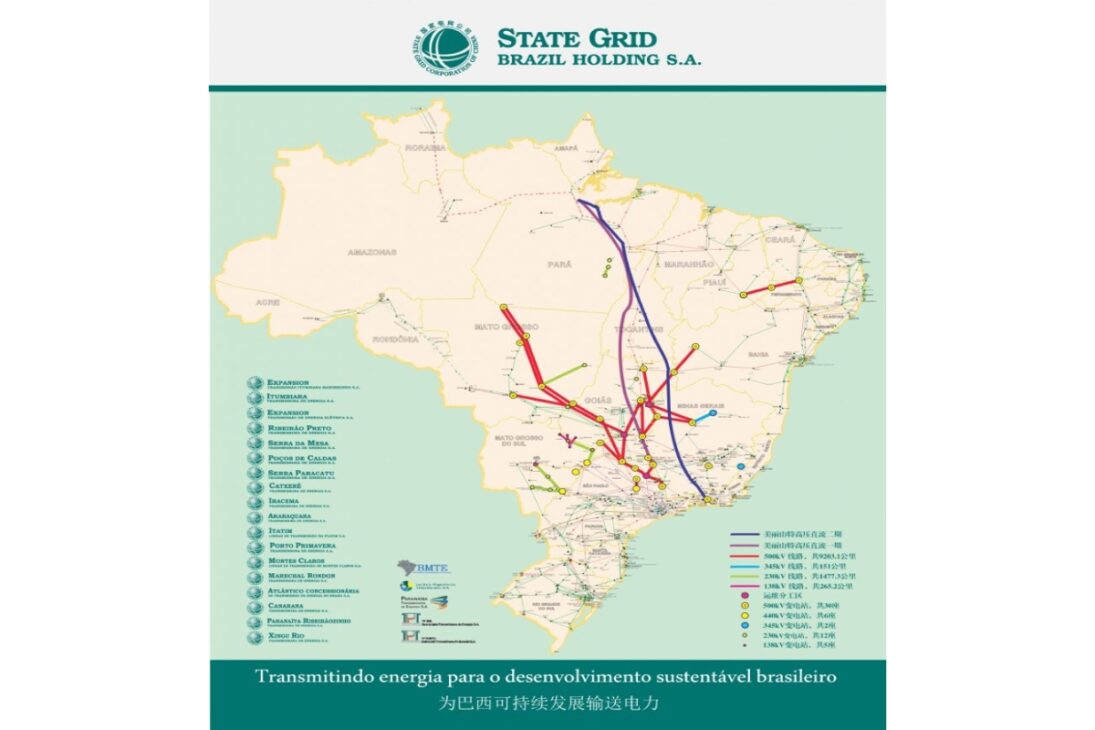
The new wave of Chinese investments in Brazil goes beyond railways. Beijing is also involved in projects for solar, wind energy, and smart ports, such as the one in São Luís (MA) and the megacomplex of the port of Suape (PE). In parallel, the state-owned State Grid has expanded its operations in the electrical sector, connecting transmission lines that cross the country from north to south.
For the Lula government, these partnerships are strategic to accelerate development and meet the goals of the Ecological Transformation Plan and the New Brazil Industry. For international observers, it represents a game of economic chess that could reposition the country among the world’s largest logistical powers.
If successful, the bioceanic railway could be the cornerstone of a new era of continental integration. However, if it fails, it will leave behind a legacy of a warning about the risk of relying too much on a single economic partner.







