






 Portuguese
  Spanish


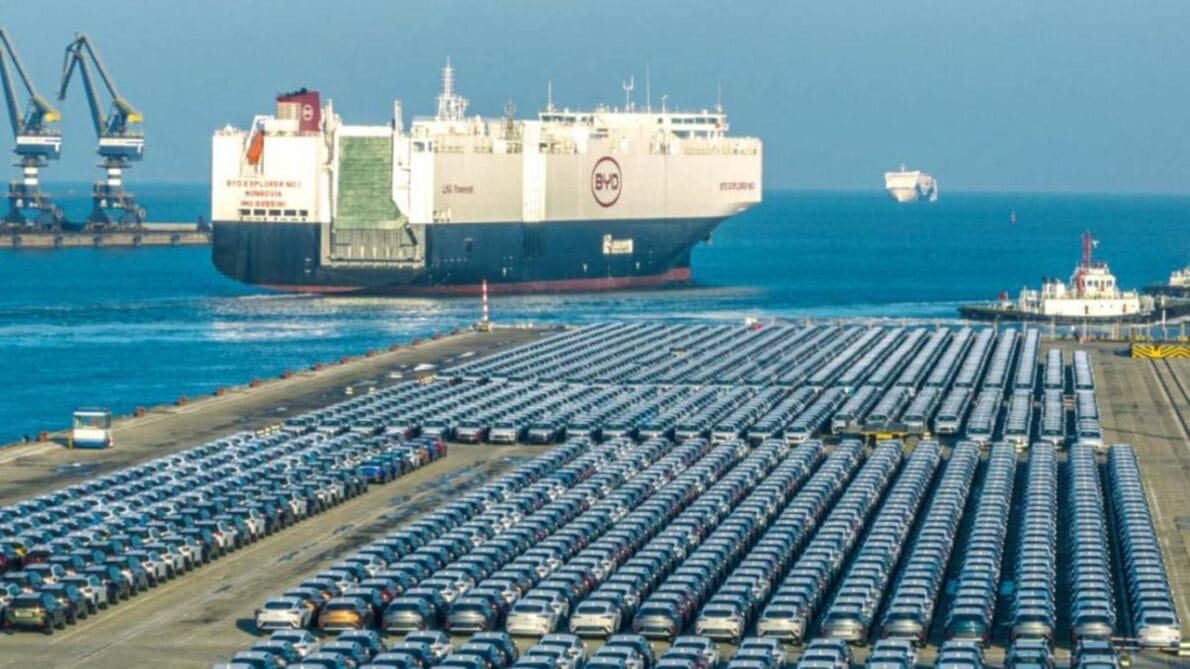

Increase in Chinese Electric Vehicle Exports and Its Global Impact. Discover the Challenges and Opportunities!
Currently recognized as the largest automobile exporter in the world, China faces significant challenges in its ambition to dominate the global market for electric vehicles.
With an aggressive export plan, Chinese manufacturers like BYD have notably increased their production, but this has resulted in a series of logistical and political complications, especially in Europe.
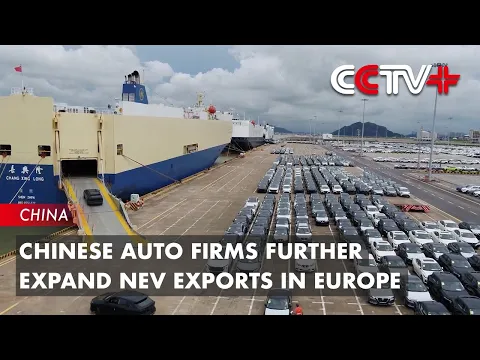

Export Peak and Logistical Challenges
Fleet Growth and Need for Ships
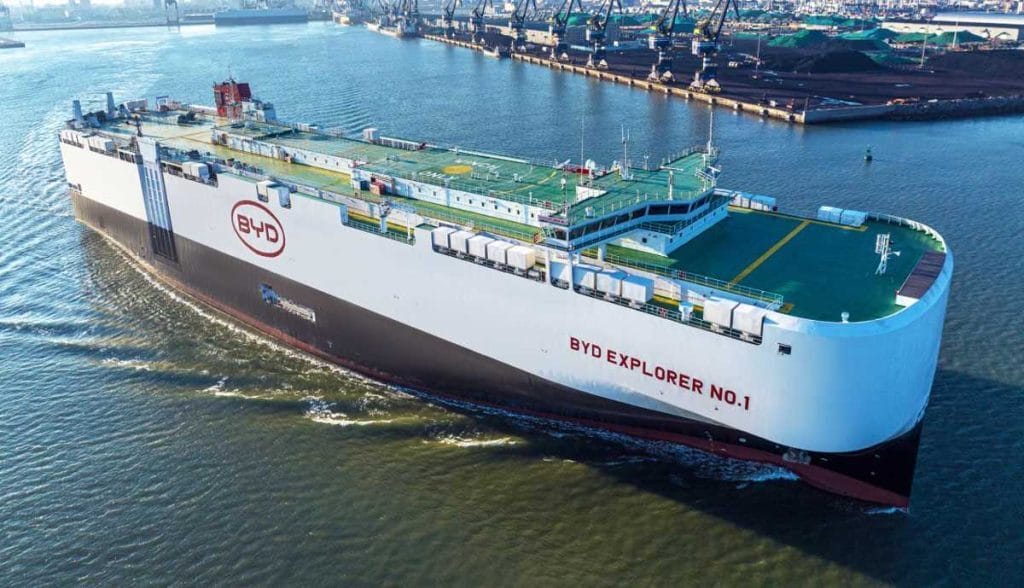
Chinese automobile manufacturers are in a phase of rapid expansion, seeking to export hundreds of thousands of electric vehicles worldwide. According to data from Veson Nautical cited by Reuters, China currently has the eighth largest merchant fleet in the world, with 33 ships. However, to meet the growing demand, companies have ordered 47 additional ships, representing a quarter of all global orders.
-
Chevrolet’s Parent Company to Invest Billions in Brazil to Modernize Factories, Update Cars, and Accelerate Hybrid Launch by 2028

-
Practical Driving Tests in Brazil Surge by 23.5%, Exceeding 2.2 Million by 2026, as New Rules Make the Process Cheaper and Simpler
-
Brazil’s Lula Government Allocates $463 Million Quota for Electric Car Parts, Waives Import Tax Until December, Sparking Competition Among BYD, Automakers, and Unions as Consumers Question Impact on Prices and Local Industry

-
Thinking of Installing LED Headlights? Why Replacing Halogen Bulbs is Still Banned, the Glare Risks Authorities Worry About, and How a New Proposal Could Allow Certified, Safe Installations


These efforts will position China as a power in vehicle transport, elevating its fleet from the current 2.4% to 8.7% of the global market.
Distribution Strategies for Electric Vehicles and Challenges in Europe
Despite their dominance in production and export, Chinese manufacturers face significant issues upon arrival at European ports. Reports indicate that vehicles are piling up at port facilities, affecting other port operations and turning these spaces into what some call “parking lots” for newly arrived cars.
This is partly due to a lack of planning for internal transportation from the ports to dealers or end buyers.
Reactions and Regulatory Measures
Tariffs and Trade Barriers
In response to the influx of Chinese electric vehicles, some countries are considering protectionist measures. The United States, for instance, maintains a 27.5% tariff on Chinese electric vehicles, a barrier that has kept most Chinese electric cars out of the American market.
In contrast, Europe has yet to establish comparable tariff barriers, although the European Commission is assessing how to respond to the expected influx of affordable Chinese electric vehicles.
Future Perspectives
Lessons and Opportunities
The massive entry of Chinese electric vehicles into foreign markets underscores the need for more robust prior planning by manufacturers. Creating effective distribution networks and collaborating with local companies could mitigate many of the current logistical problems.
Moreover, adapting to environmental and market regulations in different regions will be crucial for the continued success of Chinese manufacturers in the global landscape.
Electric Vehicles: Innovation and Sustainability
In the long term, continuous innovation and commitment to sustainability will play key roles in maintaining China’s leadership in the electric automotive industry. As the global market evolves, export and distribution strategies must also adapt to ensure not only expansion but also acceptance in an increasingly competitive and regulated international market.







Se entendi a matéria, parece que estão comentando sobre o mercado Europeu e Americano! Pois a logística desses países estão deixando a desejar.
Continuando….novo tudo bom,quero ver reposiçao de peças e revenda destes carros com a garantia das Bateria no final,Tesla mostra isso aos seus consumidores,portanto modismo de imediato é perda no futuro,sucatas dentro da garagem poderá ser sua alegria de hoje.
Basicamente brasileiro não aprendi com os ensinamento do passado e fanáticos ao modismo imediato,carro elétrico serve somente para centro urbano à primeiro momento,nosso país não tem uma rede abastecimento do Oiapoque à Chuí,portanto quando deparar numa estrada onde não tem ponto de recarga sentirão sdd do velho e bom combustão,AQUI é será hibrido melhor opção