






 Portuguese
  Spanish


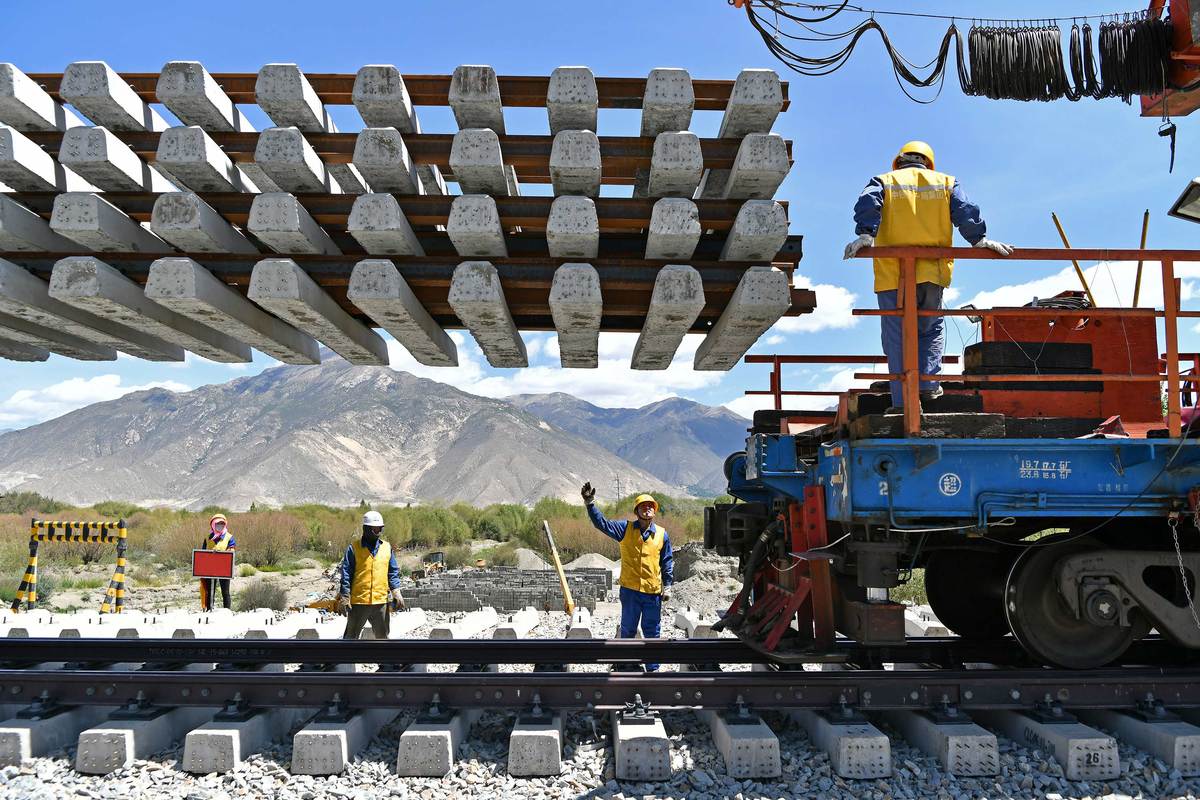


China Digs Tunnels More Than 1,500 Meters Deep, Builds Gigantic Bridges, and Attempts to Integrate Tibet with 1,800 km of Railway at Extreme Altitude.
The Sichuan–Tibet Railway is one of the most challenging engineering projects of modern times. Expected to be approximately 1,800 km long, the railway traverses some of the planet’s most rugged and geologically complex terrains, challenging steep mountains, deep valleys, and high-altitude climates. When completed, it will establish a continuous railway connection between Sichuan Province and Lhasa, the capital of the Tibet Autonomous Region, drastically reducing travel times and integrating remote areas into the rest of the Chinese railway network.
Extent, Terrain, and Colossal Challenges
With about 1,838 km, most of the line must be built in an extreme terrain with altitudes exceeding 4,000 meters above sea level, with altitude fluctuations exceeding 3,000 meters along the route.
More than 90% of the railway will consist of bridges and tunnels, including six tunnels over 30 km in length, with the longest reaching about 42 km. Some of these tunnels will be drilled more than 1,500 meters below the tops of mountain ranges, facing enormous geological pressure and constant risks of collapse.
-
Cost of Installing Electric Fences in 2026: Price Per Meter and Factors Affecting Installation

-
Retired Builder Constructs House Using Over 4,000 Milk Cartons in Brazil, Engineer Estimates Structure Could Last 100 Years

-
Concrete-filled PVC homes could be cheaper than traditional masonry, UPF research finds; with ready modular panels, less waste, and faster construction, the Concrete-PVC system aims to cut costs and transform affordable housing in Brazil.
-
Brazilian House Built with 32.8 Tons of Construction Debris Offers Affordable Housing Solution






In terms of bridges, the highlight is the structure planned over the Nujiang River, designed to reach approximately 610 meters high, nearly the same height as the Shanghai Tower, the tallest building in China.
Hostile Terrain: Altitude, Climate, and Natural Risk
The section between Ya’an and Lhasa crosses conditions that defy the standard of any traditional railway construction. Tibetan geography imposes a combination of challenges that include:
• hypoxia (thin air)
• extreme low temperatures
• large temperature fluctuations
• risk of avalanches and landslides
• tectonic instability
• environmental and water protection zones
At each segment, teams face logistical and biological conditions that require acclimatization, adapted machinery, and specific construction methods for fragile rocks, overheated or frozen tunnels, and valleys prone to sudden erosion.

Additionally, more than 75 environmentally sensitive areas need to be crossed with special protocols to minimize impacts, requiring detours, continuous monitoring of fauna and flora, and real-time route changes during drilling.
Segments, Integration, and Time Savings
The project is divided into phases. Two sections are already operational:
• Chengdu–Ya’an, inaugurated in 2018
• Lhasa–Nyingchi, recently inaugurated
The most complex segment, between Ya’an and Nyingchi, began around 2020 and concentrates the greatest geotechnical challenges. Its completion is expected by the 2030s.
When fully operational, the railway will reduce the journey between Sichuan and Lhasa from about 48 hours by road to only approximately 13 hours by train, integrating regional and tourism economies that previously relied almost exclusively on road transport.
Geopolitical, Economic, and Social Impact
The Sichuan–Tibet Railway has strategic importance that goes beyond engineering. The project integrates low-density demographic regions into the industrial and urban heart of China, allowing:
• greater circulation of supplies and manufactured goods
• Tibetan agricultural output
• expansion of tourism in remote areas
• reduction of logistical isolation
• decrease in regional inequalities
• reinforcement of security and territorial integration

At the same time, the project is part of a long-term policy that aims to expand the Chinese railway network to over 60,000 km of high-speed rail by 2030, linking major urban centers, borders, and remote plateaus.
A Project That Redefines Limits
The Sichuan–Tibet Railway symbolizes a shift in the scope of what is considered possible in land transportation infrastructure. The combination of:
• extreme altitude
• severe climate
• unstable geology
• deep tunnels
• dizzying bridges
• complex socio-environmental impacts
makes this railway a unique case.
While other countries discuss megaprojects in urban rail, China is literally crossing mountains and frozen deserts, mobilizing thousands of engineers and forging pathways where, until decades ago, there were only trails and mule routes.







Super Intellect combined with strict societal commitment produces both scientific and technological wonders.
This was old news, published 20 years ago
Iniciativa exemplar.Semore imaginei que os chineses desenvolveram tecnologia para alcançar está iniciativa exemplar.Viva….