Portuguese
  Spanish


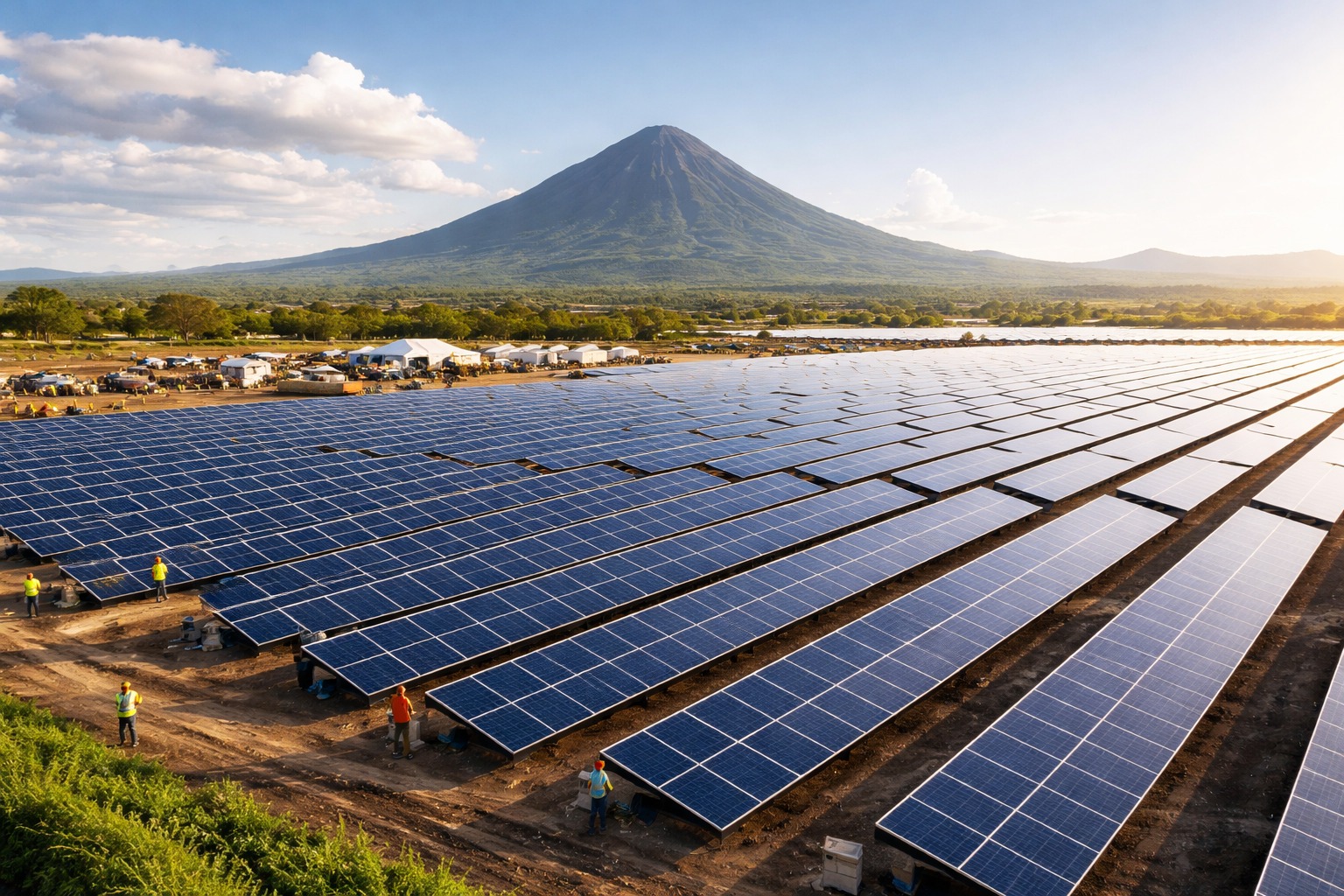


With an Investment of US$ 83 Million, the New 70 Megawatt Solar Plant in Nindirí Expands Solar Power Generation and Strengthens Strategic Ties Between Nicaragua and China
Nicaragua started, in June 2025, the construction of its largest solar plant in the municipality of Nindirí, in Masaya, with an investment of US$ 83 million and a capacity of 70 megawatts, expanding the generation of solar energy and deepening its partnership with China.
Solar Energy Drives a New Phase in the Energy Matrix
The project is being developed in partnership with China Communications Construction Company Limited CCCC and represents a milestone for solar energy in the country.
The expectation is that the work will be completed by the end of this year, consolidating a significant advancement in the production of renewable sources.
-
Brazil to Hold First Auction for Batteries to Store Solar and Wind Energy from the Northeast

-
Brazilian scientists are simultaneously advancing two research projects on clean hydrogen and driving solutions that could transform the energy matrix, enhance industrial competitiveness, and accelerate large-scale emission reduction targets.

-
Advancement in renewable energy: A R$ 150 million project launched by Petrobras and Finep aims to create state-of-the-art electrolyzers for green hydrogen, strengthening national research and preparing Brazil to compete in a billion-dollar energy market.
-
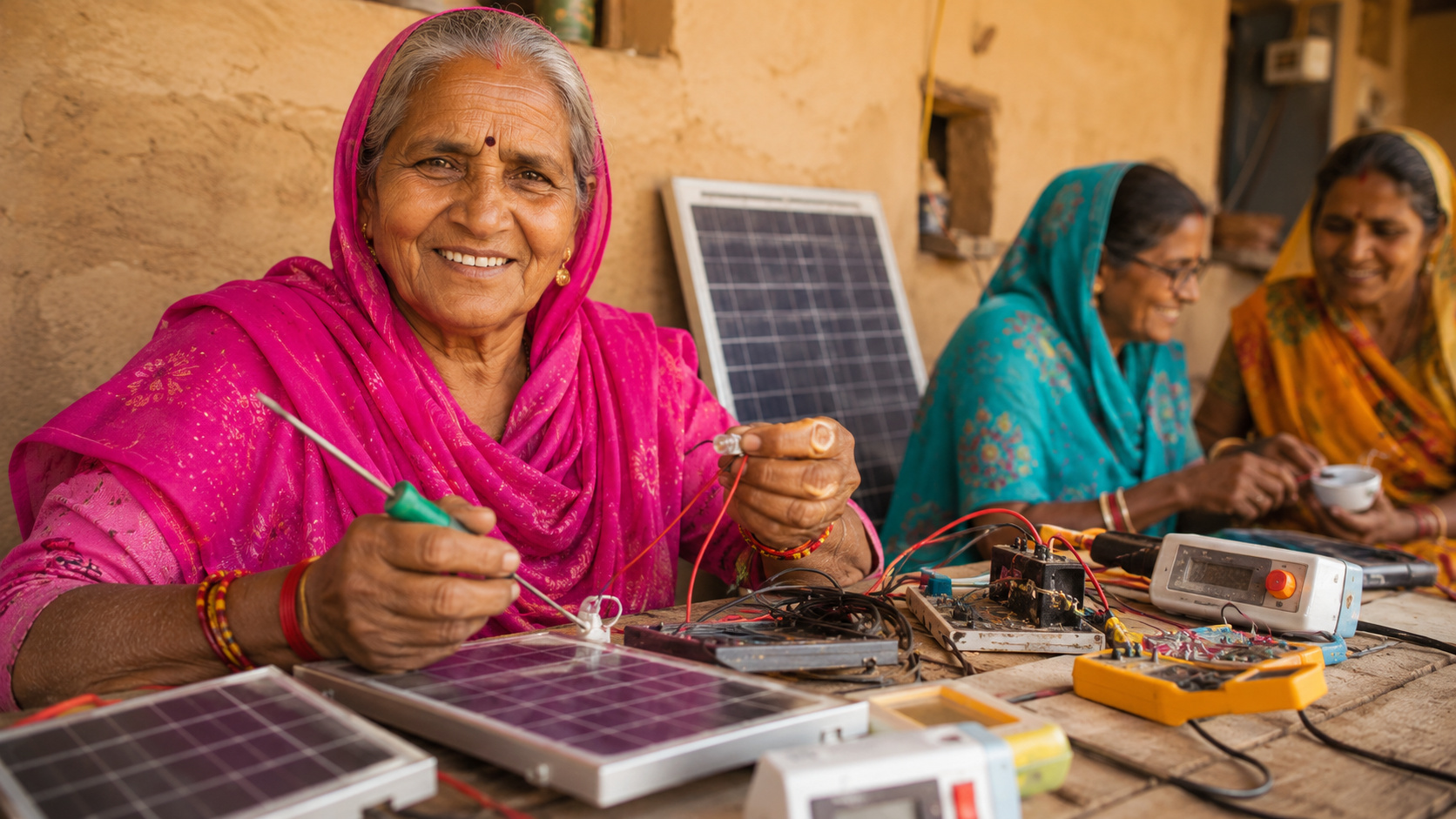
Illiterate or semi-literate grandmothers were trained to repair solar systems, open rural workshops, and light up homes that still depended on kerosene.

With an installed capacity of 70 megawatts, the structure will feature 112,700 photovoltaic panels. The initiative aims to increase the share of clean energy in the national matrix while also reducing operational costs in the electricity sector.
The expansion of solar energy is seen as strategic for diversifying generation and easing pressures on the system.
Partnership with China Advances Amid Criticism
The construction of the plant occurs at a time of strengthening diplomatic relations between Nicaragua and China, recently reactivated.
In addition to solar energy, bilateral cooperation extends to areas such as mining, transportation, and health.
However, the project is being developed in a context of criticism and sanctions against the government of Daniel Ortega.
Analysts point out that the partnership highlights a strategic geopolitical alignment between the two countries, increasing Chinese presence in Central America.
Sustainable Benefits and Financial Concerns
Although the new solar plant promises environmental and economic benefits, there are concerns regarding dependence on Chinese financing.
Nicaragua’s external debt continues on an upward trajectory, raising alarms about fiscal sustainability in the medium and long term.
The financing contracts signed with China feature shorter grace periods and higher interest rates compared to institutions like the World Bank.
This context raises questions about the financial conditions associated with the project.
As the solar plant approaches completion, expectations grow regarding its impacts on the economy and national politics at a decisive moment for the energy sector and the country’s international relations.
With information from Crusoe.