





 Portuguese
  English
  Spanish
  3 min of reading
  0 comments


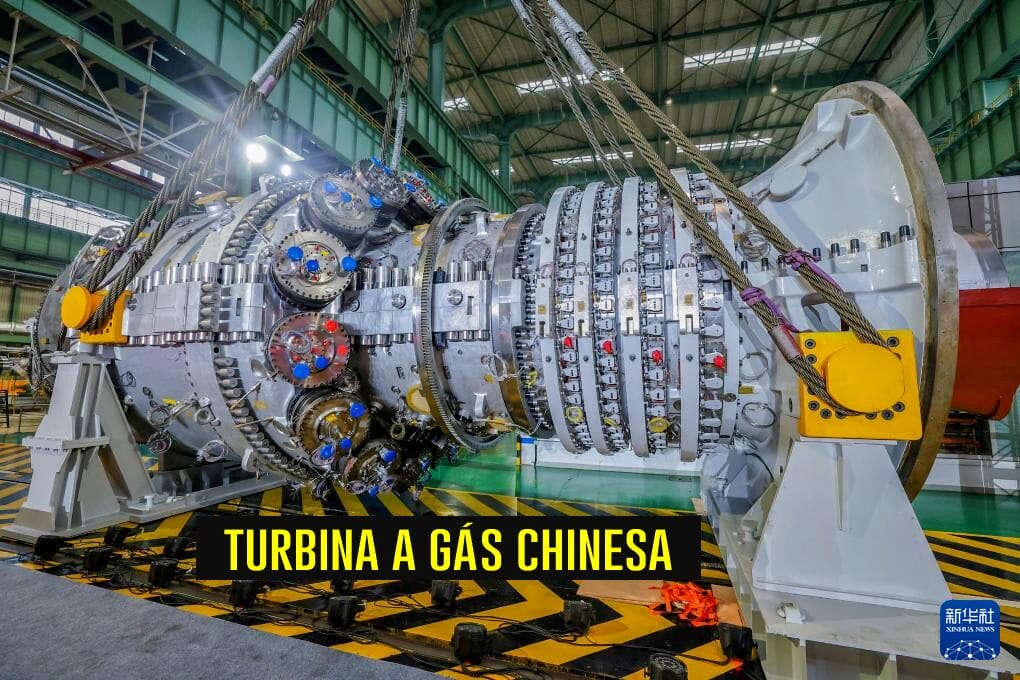
The High-Resistance Class F Gas Turbine, Rated at 300 Megawatts and Produced in China, Successfully Completed Its Ignition Test in Shanghai
China has reached an important milestone in the energy sector by successfully completing the first ignition test of the 300-megawatt high-resistance Class F gas turbine, independently developed in the country.
The test was conducted last Monday in the Lingang area of Shanghai and reflects China’s technological advancements toward energy security and sustainable development.
This achievement highlights China’s effort to reduce its dependence on foreign technologies and increase its industrial capacity in strategic sectors.
-
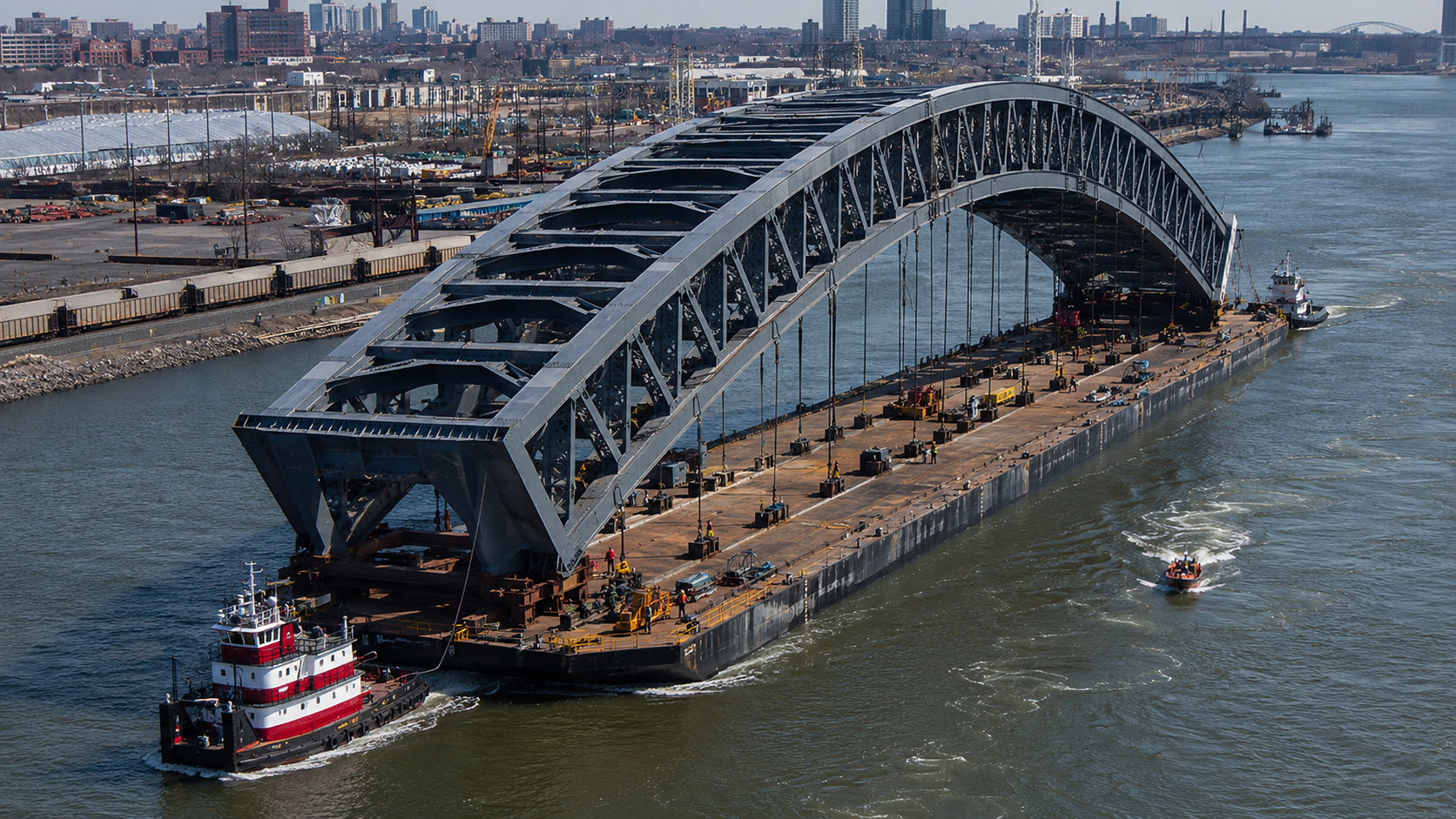
While old bridges still span railways around the world, in the United States a 2,300-ton structure was assembled off-site and transported by barge along the Hudson River to replace a century-old bridge.

-
Egypt builds a $5.5 billion monorail over Cairo with beams weighing 80 to 100 tons lifted by mobile cranes, while streets need to be blocked to erect nearly 100 km of suspended train.
-
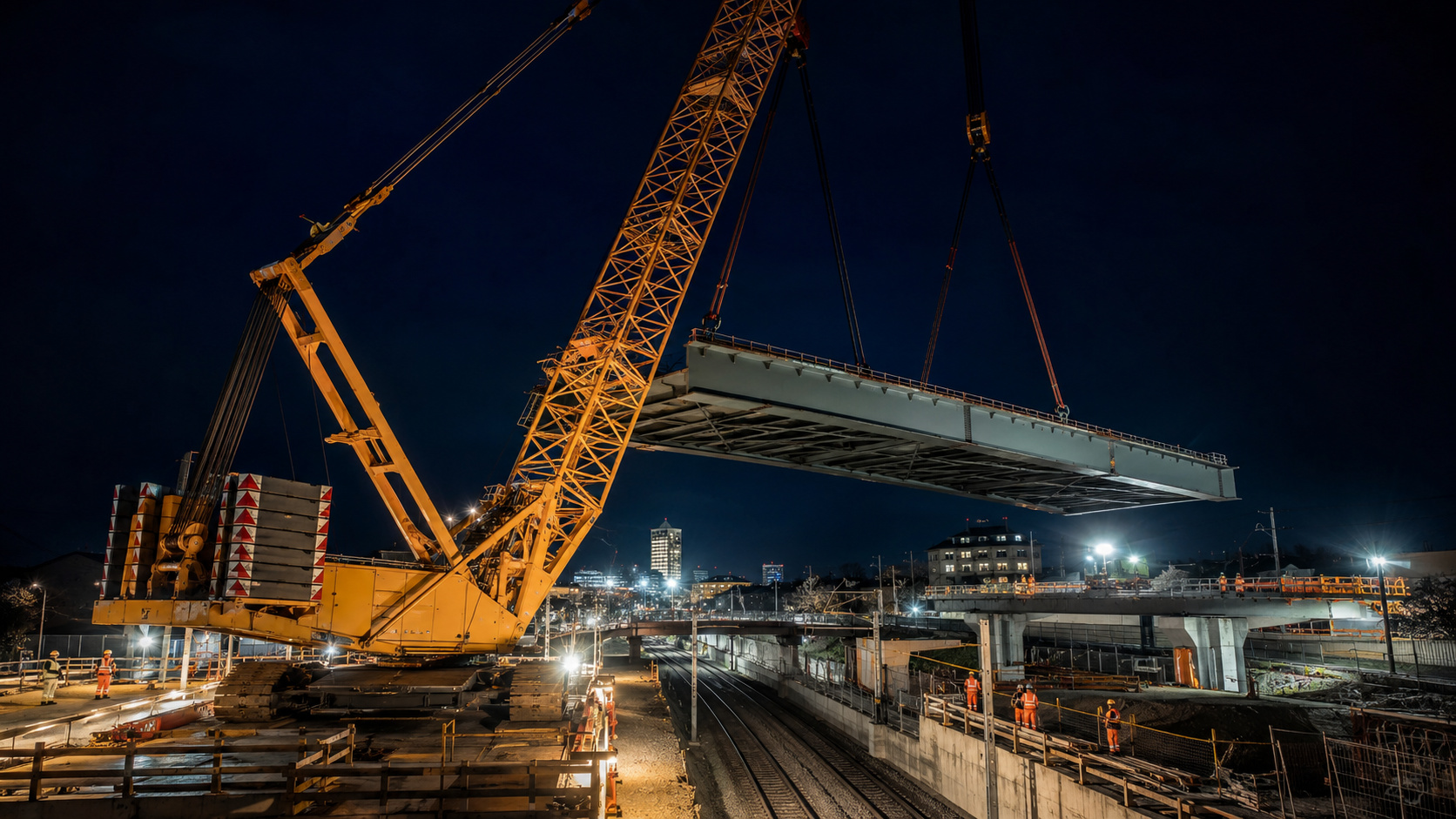
While the city slept in Switzerland, a 255-ton bridge was lifted in the dark by a 1,000-ton crane in a nighttime operation with millimeter precision.
-
Near Amsterdam, a construction project next to the A9 highway placed 19 concrete beams in sequence on the same day, with pieces up to 31.5 meters and 60.5 tons.


The Development of the Class F Turbine
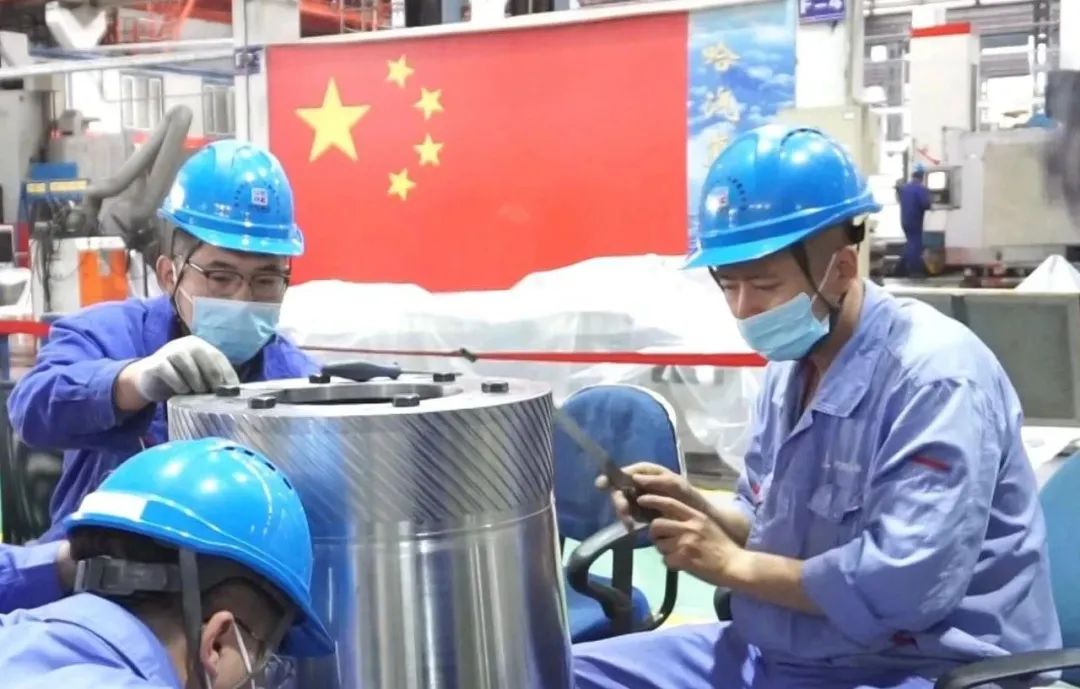
Produced by China United Gas Turbine Technology Co., the 300-megawatt turbine is the largest and most advanced ever developed entirely by domestic efforts in China.
Its technical indicators are comparable to those of leading Class F turbines operating globally, according to the Ministry of Industry and Information Technology.
This model represents a milestone not only in technical capacity but also in the country’s quest for more efficient and environmentally responsible solutions for energy generation.
The Class F gas turbine operates at temperatures reaching 1,400°C and can withstand extreme stress and corrosion conditions.
This makes it a centerpiece for power plants, especially those aiming to reduce pollutant emissions, such as natural gas-fired power plants.
Compared to traditional coal-fired plants, gas turbines emit approximately half the carbon dioxide, making them essential to China’s efforts to meet its environmental targets.
A Chinese Advancement
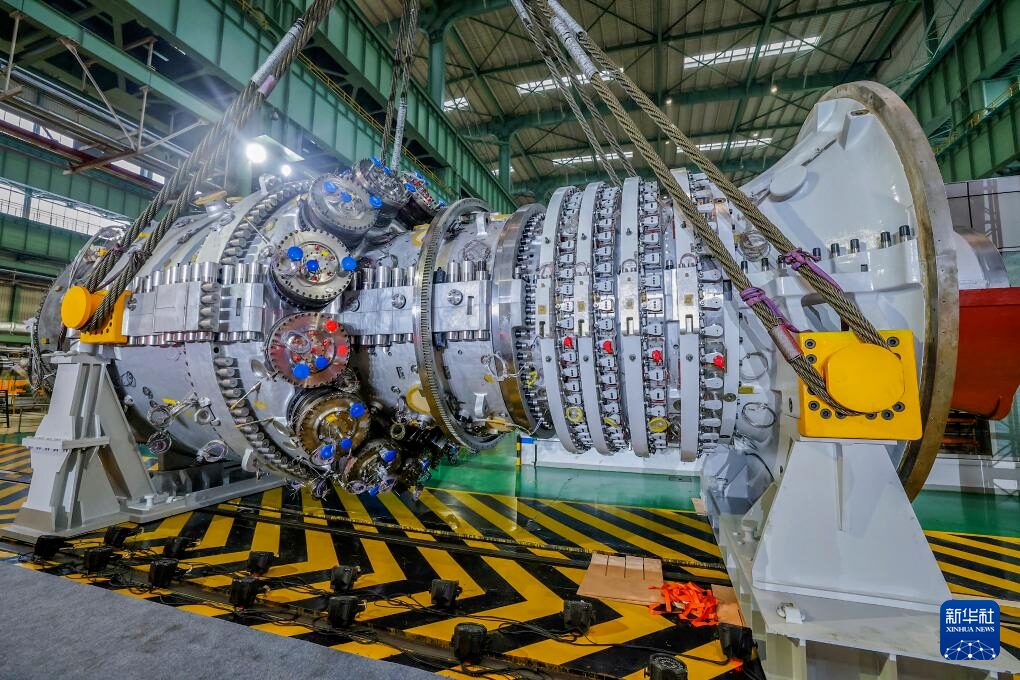
The success of the ignition test is the result of over eight years of research and development. The Minister of Industry and Information Technology, Jin Zhuanglong, celebrated the achievement as a milestone following the launch of the first prototype in February.
This advancement represents a significant leap for China in validating the complete machine, paving the way for new tests and optimizations in the future.
Mo Jingfei, director of the science and technology management department at China United Gas Turbine Technology, explained that, in a combined cycle configuration, this turbine could generate approximately 450,000 kilowatts per hour.
This demonstrates the turbine’s potential to meet large energy demands more efficiently.
The Combined Cycle and Energy Efficiency
The efficiency of combined cycle plants can reach 55%, compared to the 35-46% range of conventional thermal plants.
This type of plant combines the use of gas turbines and steam turbines to maximize energy utilization and reduce heat waste.
Additionally, combined cycle turbines can be integrated with renewable energy sources, such as wind and solar power, making them a more versatile choice aligned with the peak demand adjustment needs of power grids.
This capacity for greater energy efficiency and integration with clean energies makes gas turbines a key technology for the future of power generation in China and worldwide.
As the country seeks to reduce its carbon footprint and adopt more sustainable solutions, the role of these turbines will become increasingly important.
The Challenge of Developing Gas Turbines
Developing high-power gas turbines with ultra-high operating temperatures is considered one of the greatest engineering challenges.
For many decades, the global gas turbine market has been dominated by companies from the US, Germany, and Japan. China faced significant barriers to achieving the necessary technical level, including limited access to proprietary technologies from other countries.
However, the landscape began to change in 2012 when the State Council of China launched a national strategic program focused on aircraft engines and gas turbines.
Large Chinese companies, such as the former China Power Investment Corporation, joined forces to form China United Gas Turbine Technology Co. in 2017. Since then, this company has led national research and development efforts, culminating in the recent successful ignition test.





Be the first to react!