






 Portuguese
  Spanish





With Irrigation Projects on the São Francisco River, Petrolina Transformed the Economy, Integrated Exports, Diversified Activities, Attracted Population and Consolidated Itself as the Main Urban and Productive Pole of the Contemporary Brazilian Northeastern Semiarid
On the banks of the São Francisco River, Petrolina consolidated itself as an urban pole of the semiarid by attracting residents, investments, and jobs related to irrigated fruit cultivation, transforming the local economic landscape and altering historical patterns of regional development.
The Economic Turnaround with Irrigation
The transformation of Petrolina occurred with irrigation projects along the São Francisco River, enabling intensive and continuous agriculture in a region marked by water scarcity.
The adoption of irrigation made it possible to cultivate fruits like grapes and mangoes on a commercial scale, repositioning the municipality as a productive reference in the Brazilian semiarid.
-
Brazilian Startup Turns Coffee Grounds into Plant-Based Leather, Cutting Water Use by Over 50 Times for High-Impact Sustainable Fashion

-
Eco Invest Auction Aims to Unlock $10 Billion in Investments, Focusing on Green Fertilizers, Critical Minerals, Batteries, and AI for Clean Industry in Brazil

-
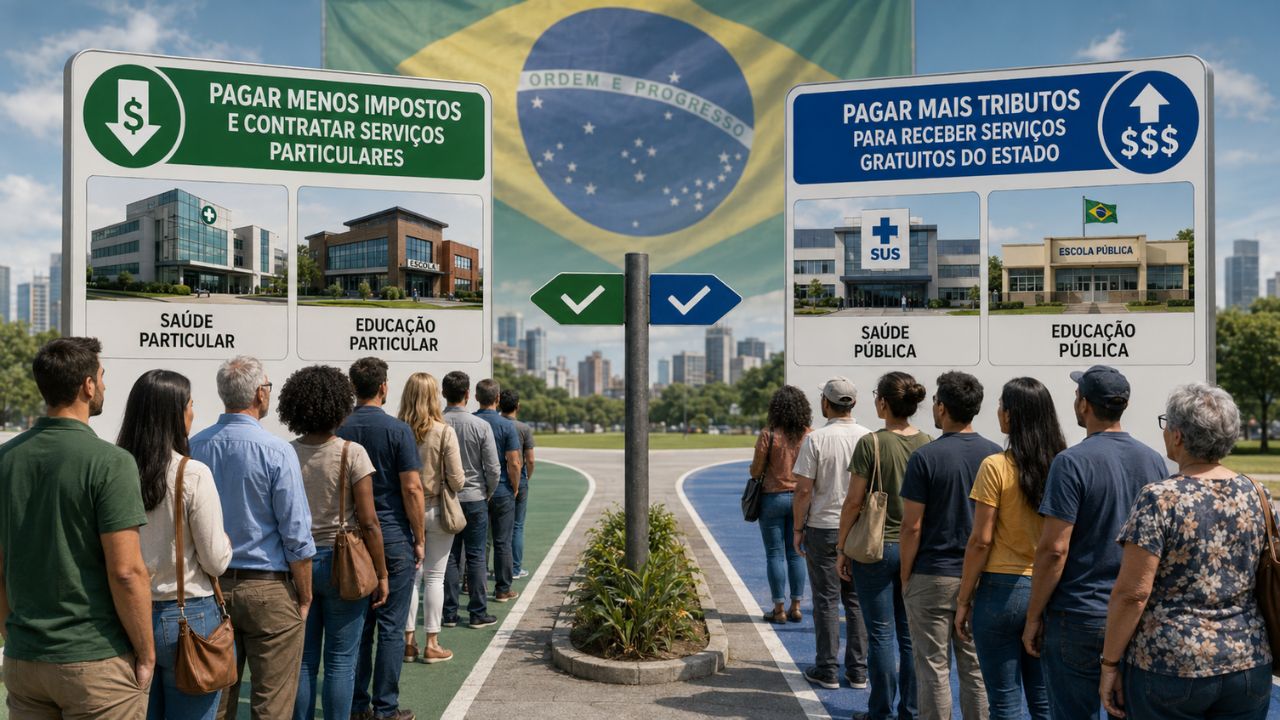
Half of Brazilians Prefer Lower Taxes with Private Health and Education, While 44% Opt for Higher Taxes for State-Provided Services, Datafolha Survey Reveals

-
Brazil’s Most Expensive Toll Rises to R$ 40.60 on Route from São Paulo to the Coast, Nearly Matching Bus Fare to Santos



With regular production, Petrolina began to integrate fruit export routes, connecting the northeastern interior to external markets and expanding the city’s economic visibility.
This structural change generated thousands of direct and indirect jobs, stimulating private investment and strengthening sectors such as transportation, storage, research, and technical services.
The model consolidated Petrolina as a concrete case of technological application in the field, frequently cited as an example of productive transformation in the northeastern sertão.
Diversification Beyond Agrobusiness
Although agrobusiness is the main economic engine, Petrolina diversified activities and built an educational hub that attracts students from different regions.
Institutions such as the Federal University of the Vale do São Francisco expanded technical and academic training, supporting research related to regional development.
The commerce and service sectors grew in line with population growth, creating new job opportunities and expanding the urban offer for long-time residents and newcomers.
The city also stands out in wine production, taking advantage of specific climatic conditions that allow for differentiated cycles and result in nationally recognized labels.
This combination of agribusiness, education, and services sustains a dynamic economic environment, with multiple fronts for generating local income and employment.
Quality of Life and Urban Organization in Petrolina
Petrolina offers a cost of living lower than that of northeastern capitals, a factor that influences families and workers’ decisions to relocate.
The waterfront of the São Francisco River concentrates leisure areas, parks, and restaurants, serving as the main urban gathering space and enhancing the landscape value.
Central neighborhoods and areas near the waterfront cater to those seeking convenience, while more distant residential regions offer tranquility and suitable family structures.
This urban organization contributes to the perception of quality of life, even in the face of the semiarid climate, creating a balance between work and daily leisure.
Integration with Juazeiro and Regional Context
Petrolina forms a conurbation with Juazeiro, separated only by the São Francisco River and connected by the Presidente Dutra Bridge.
The integration creates a significant daily flow of people, goods, and services between Pernambuco and Bahia, consolidating the largest urban agglomeration in the semiarid region.
This regional dynamic strengthens markets, expands employment opportunities, and reinforces the strategic importance of the Petrolina-Juazeiro axis for the northeastern interior.
Data organized by IBGE contextualize this urban growth, while historical precedents help explain the current centrality of the region in the sertão.
With information from BMC News.








