






 Portuguese
  Spanish


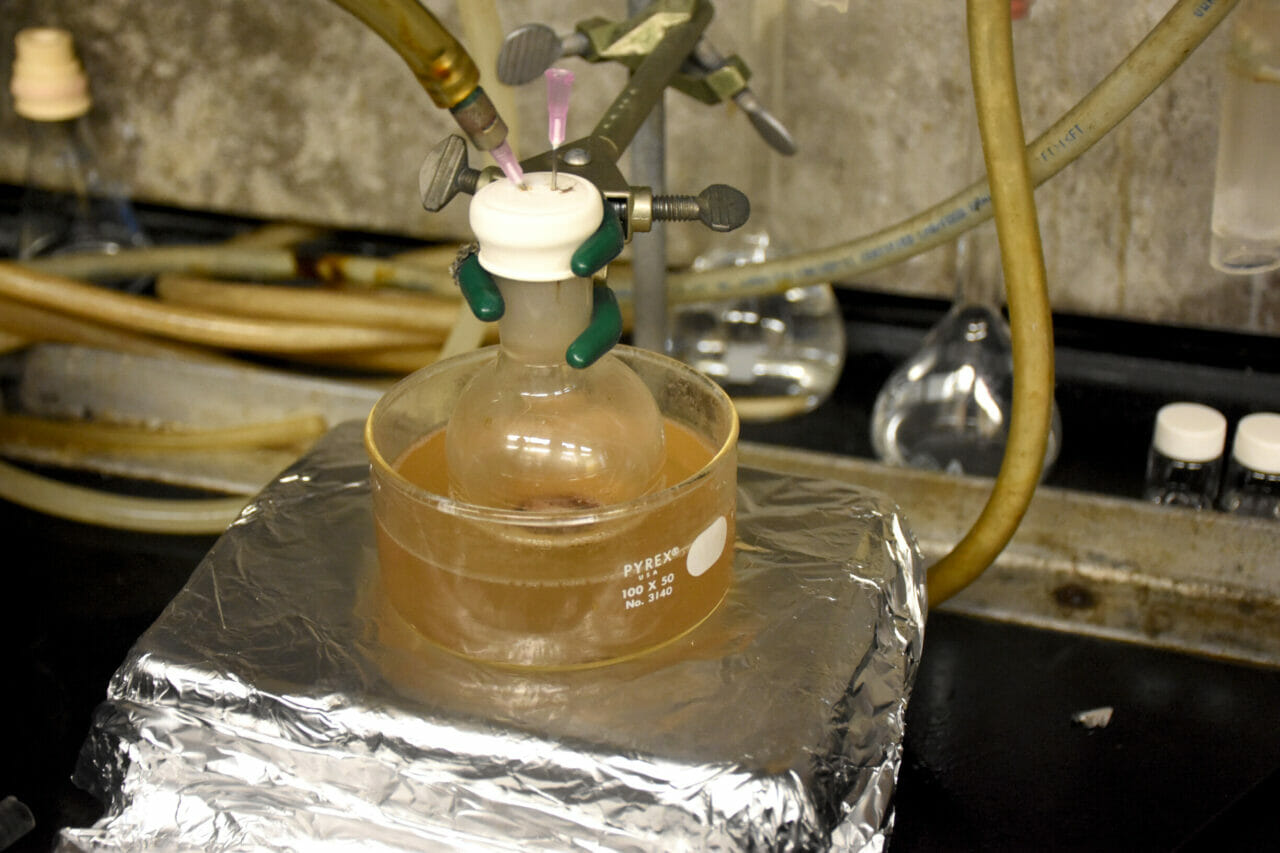

Scientists Are Working Hard Toward Sustainability and This Time They Have Discovered an Innovative Way to Recycle Plastic, Turning It Into Soap.
A group of scientists from North America has discovered a way to give new life to worn-out plastic by transforming it into soap. Guoliang Liu, a chemistry professor at Virginia Tech in the USA and author of the study, stated that he observed and researched the similarity between plastic and fatty acids and that he could, in this way, carry out the transformation of polyethylene into soap.
Difficulties Encountered in the Process of Transforming Plastic into Soap
The problem for scientists, initially, was the size at the molecular level, as plastics are large, having about 3,000 carbon atoms, while fatty acids are much smaller, according to the professor.
Liu pointed out that plastics are chemically similar to fatty acids, which are part of the constitution of fats, one of the main ingredients of soap.
-
Anti-poaching patrol in Thailand accidentally discovers hidden cave with 2,000-year-old petroglyphs, geometric engravings, and mysterious three-finger patterns on sandstone walls.

-
Russia Deploys Largest Nuclear Icebreaker in Arctic Capable of Breaking Through Three-Meter-Thick Ice

-
TCL Launches Energy-Efficient Refrigerator in Brazil, Promising 70% Less Consumption Than Competitors

-
Project Daedalus: The 190-Meter Spacecraft Aiming to Reach Another Star with Nuclear Fusion and a 50-Year Fuel Supply





To illustrate this, the scientist made an analogy with firewood, which when burned releases smoke composed of much smaller particles, and thus questioned whether the same would occur with burning plastic.
According to the professor, firewood is predominantly made of polymers like cellulose. The combustion of firewood breaks down these polymers into short chains and then into small gaseous molecules before complete oxidation into carbon dioxide.
If synthetic polyethylene molecules could be decomposed in a similar manner, but the process was stopped before they fully decomposed into small gaseous molecules, then short-chain molecules similar to polyethylene should be obtained.
Understand How Plastic Was Transformed Into Soap
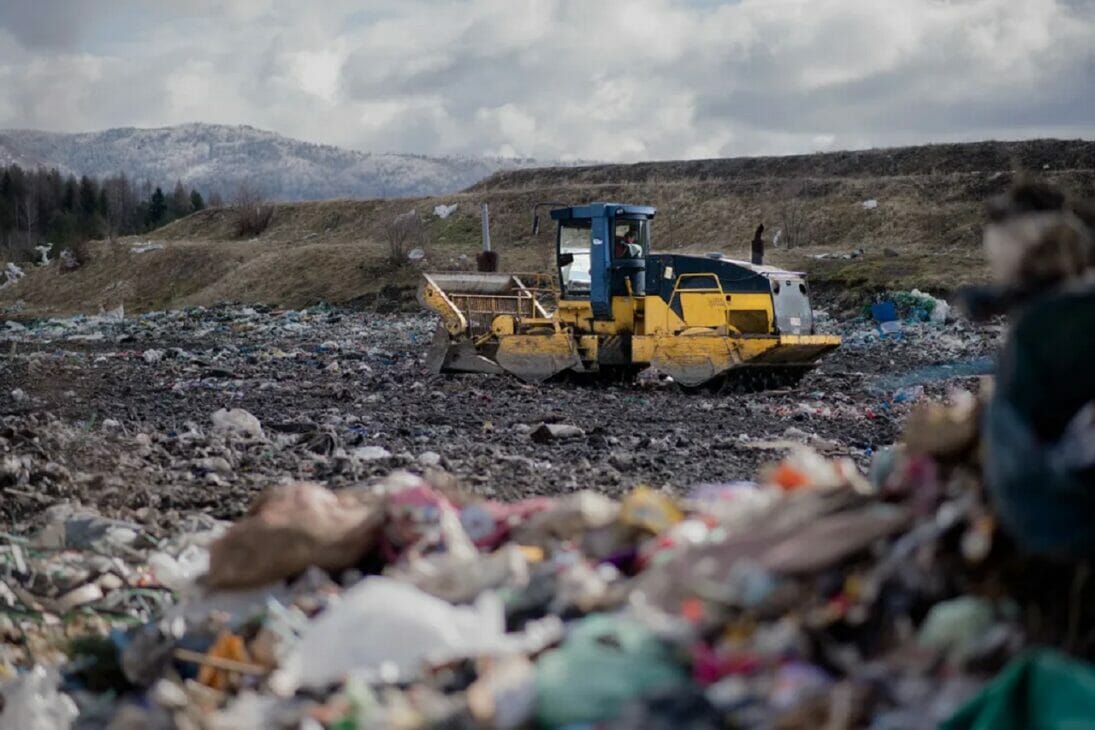
The pioneering method works with polyethylene and polypropylene, the two most common types of plastics. More than 80% of plastic waste is deposited in landfills, where less than 10% is recycled.
Thus, the great advantage of this discovery is that it operates on used plastics that cannot be recycled through conventional means. Liu emphasizes that plastic pollution is a global challenge, being one of the main problems our society faces, and this is a piece of a larger puzzle.
A joint effort between science and industrial communities is necessary. And the best way to avoid plastic pollution is to reduce its use.
To burn plastic with a certain degree of safety, the team of scientists developed a reactor similar to an oven, with the bottom part hot enough to break the polymer chains and the top part cooled enough to prevent them from breaking too much.
The scientists tested the oven and when they collected the residues, they found that the product generated was short-chain polyethylene, a type of wax, which was then transformed into soap. Liu points out that this is the world’s first soap made from plastic. It has a different color than conventional soap, but it works.
Another Sustainable Way to Recycle Plastic
In January, scientists developed a method capable of recycling plastic into solar energy. In a study published in the scientific journal Nature Synthesis, researchers from the University of Cambridge in the UK reported the development of a solar reactor that transforms these materials into various useful chemicals.
Researchers have already developed machines that generate materials into fuels, oils, and other chemicals. However, the new research has successfully advanced with the first reactor that can carry out the transformation of CO2 and plastic waste simultaneously.
The researchers use the materials in various compartments that, through a copper-palladium catalyst, transform these materials into something more useful.


