Portuguese
  Spanish


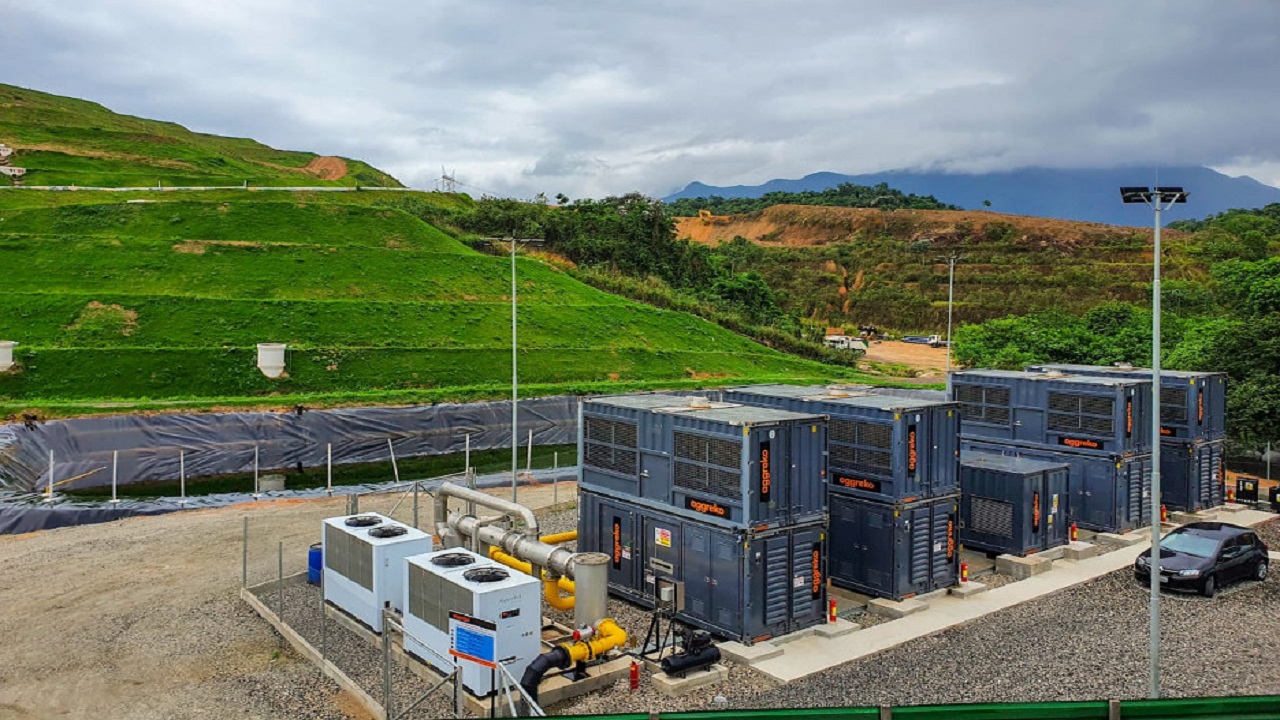

Contributing to Sustainability, Claro Inaugurated the Largest Biogas Plant, Located in Nova Iguaçu (RJ), That Has the Capacity to Produce 4.65 MW of Energy.
Claro inaugurated the largest operating plant in the Distributed Generation (GD) modality in the country, in Nova Iguaçu (RJ). The plant is powered by biogas and has the capacity to generate about 4.65 MW of energy.
Read Also
Get to Know Claro’s Biogas Plant
Built by RZK Energia, a company of the Rezek Group, the plant aims to supply 2,991 Claro units, including data centers, communication towers, and other operational structures of the operator. Covering 700 square meters and with a low noise emission, the biogas plant has a generation center formed by a set of four electric motors, which are connected to the city’s municipal landfill through pipes.
The Nova Iguaçu landfill receives 4,500 tons of waste daily from various municipalities in the Baixada Fluminense. In addition to reducing waste recycling costs, Claro’s biogas plant will prevent gases from being emitted into the atmosphere.
-
Engie Secures 10-Year Use of 625 MWh in Batteries to Store Excess Solar and Wind Energy in Spain by 2028

-
Giant Batteries Take Center Stage in Chile Auction as Company Offers 960 GWh of Solar Energy for Nighttime Use, Aiming to Stabilize Solar Power Supply
-
After a Year of Success in Switzerland, Solar Railway Attracts Italy’s Interest for Clean Energy Transformation
-
Robots Clean Solar Panels in Desert Power Plants Without Water, Preventing Energy Losses


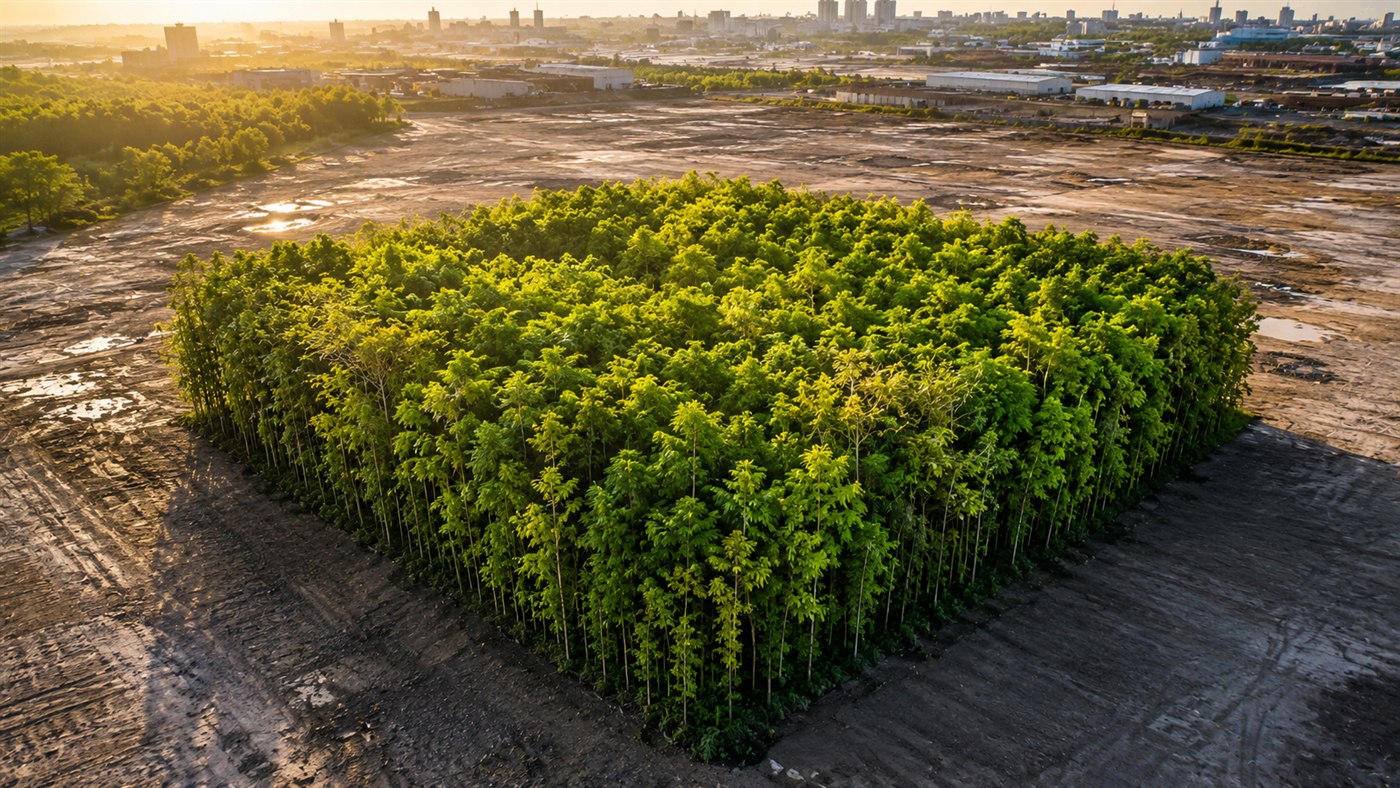
The estimate is that, during the burning operations of biogas performed by the plant, more than 15,000 tons of CO2 will be reduced annually, equivalent to the planting of 122 trees.
The Claro Plant Reduces Costs and Further Diminishes the CO2 Index
The Nova Iguaçu unit will operate under the Distributed Generation (GD) format. In this model, energy production is done close to where it will be consumed, reducing costs and avoiding losses that would be caused by transmission lines, making the final bill cheaper for consumers.
Claro’s investment also contributed to job creation and income generation. In total, more than 100 people were directly or indirectly involved in the design, construction, and operation of the biogas unit.
Claro’s Energy Program
The investment is part of Claro’s Energy Program, which was launched in 2017. The program proposes the use of renewable energy sources and environmental protection actions in all the operator’s activities and facilities in Brazil.
Last year, the program achieved 40% self-generated energy in low-voltage units. In addition to using biogas, the projects also aim to utilize solar energy, hydroelectric power, and qualified cogeneration in all electric utility companies, and also include actions related to electric vehicles.
Hamilton Ricardo Pereira da Silva, Claro’s Infrastructure Director, stated in a statement that the operator is committed to reducing gas emissions and fighting climate change. He emphasizes that the company is focused on becoming self-sufficient in energy that comes from a clean source.