Portuguese
  Spanish


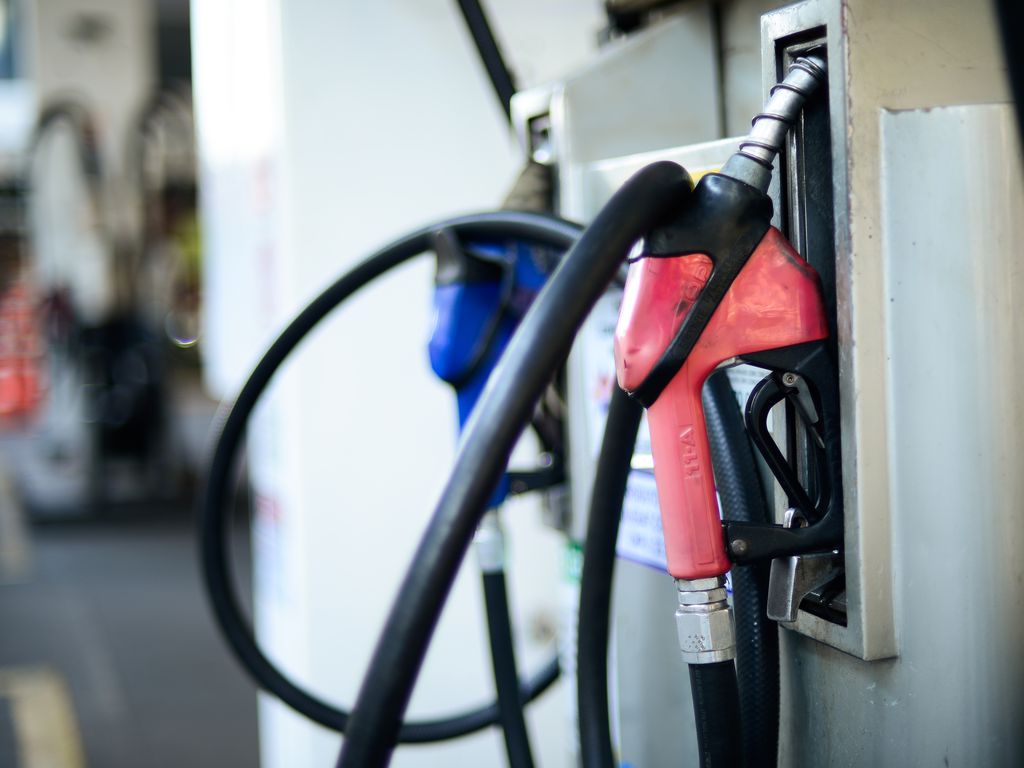

A Bill That Aims to Set ICMS in the Country Is Quite Controversial and Has Been Generating a Lot of Debates. The CNM Highlights the Risk of Municipalities Losing Revenues If Approved
Last Thursday, Arthur Lira, the President of the Chamber of Deputies, stated that he would put to vote on next Tuesday, the 24th, the bill that classifies fuels, electricity, telecommunications, and transportation as essential goods and services. This means that the ICMS rate will be capped at 17%.
Even with Brazil suffering greatly from the prices of fuels and electricity bills, the measure aimed at limiting ICMS is quite controversial, generating many debates on the topic in recent weeks.
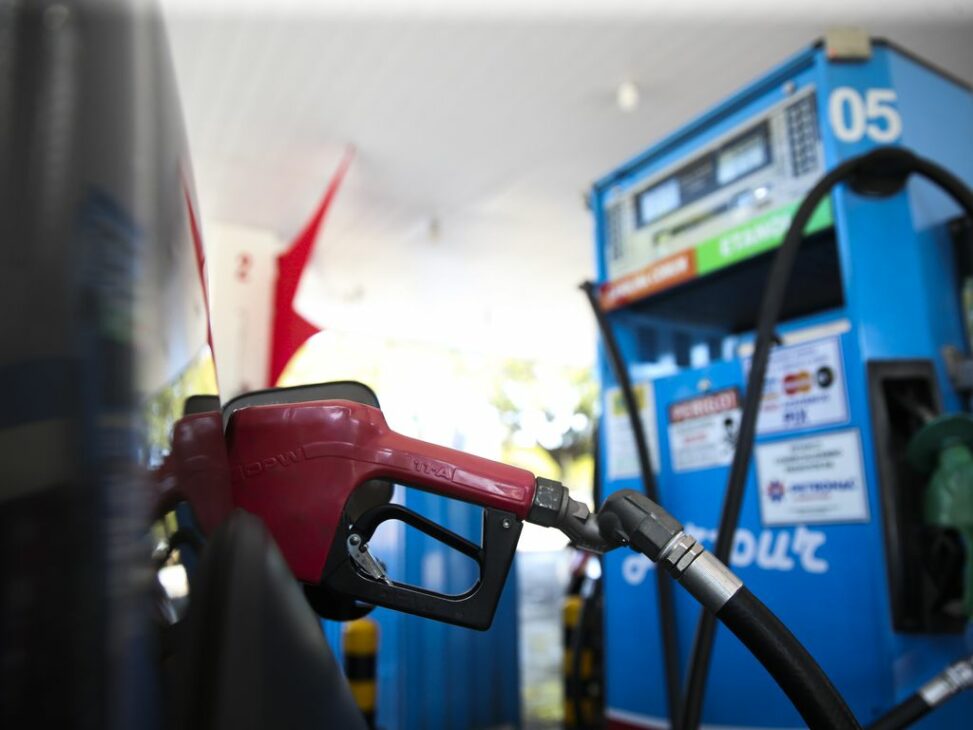
The CNM (National Confederation of Municipalities) released a note strongly criticizing the bill. The official note criticizes and warns about the consequences of a potential approval of the project. According to the entity, if approved, the project could cause a loss of 15 billion to municipalities.
-
Brazilian Startup Turns Coffee Grounds into Plant-Based Leather, Cutting Water Use by Over 50 Times for High-Impact Sustainable Fashion

-
Eco Invest Auction Aims to Unlock $10 Billion in Investments, Focusing on Green Fertilizers, Critical Minerals, Batteries, and AI for Clean Industry in Brazil

-
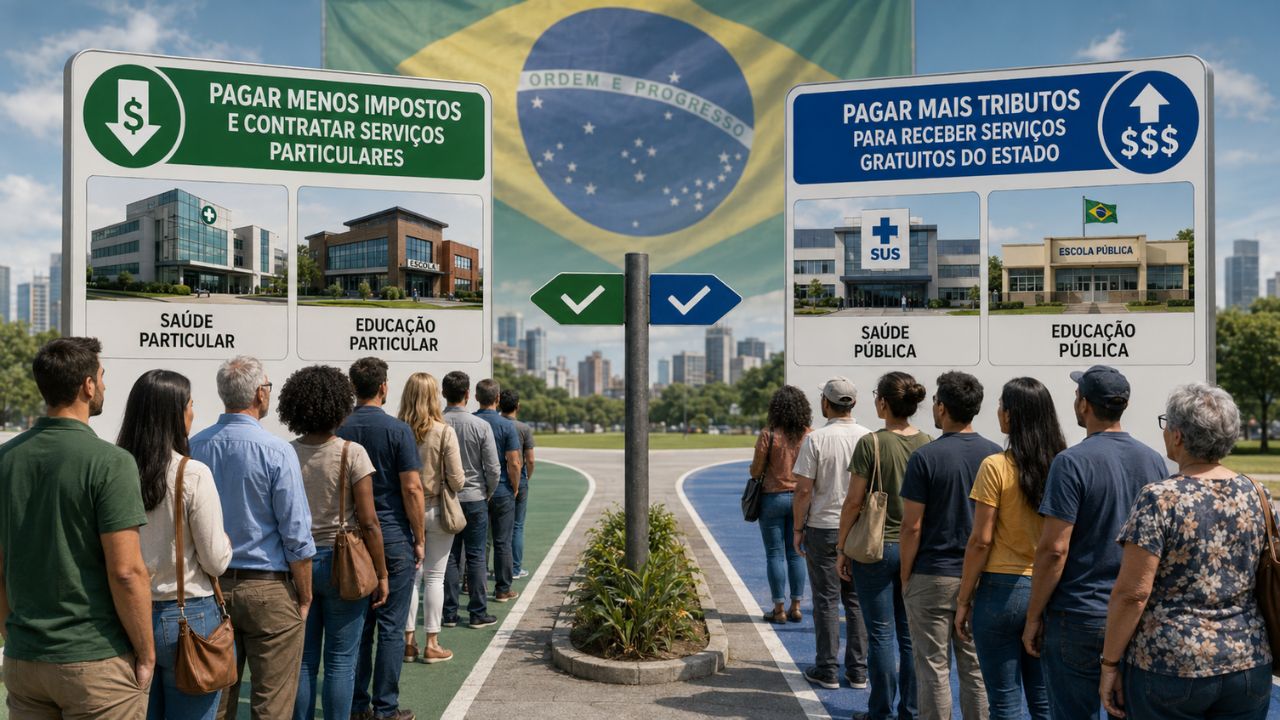
Half of Brazilians Prefer Lower Taxes with Private Health and Education, While 44% Opt for Higher Taxes for State-Provided Services, Datafolha Survey Reveals

-
Brazil’s Most Expensive Toll Rises to R$ 40.60 on Route from São Paulo to the Coast, Nearly Matching Bus Fare to Santos



“The change of category represents an incentive for the consumption of non-renewable energies while significantly impacting the main tax collected in Brazil, reducing the scope of executing public policies. In the last 12 months, the total ICMS collection exceeded R$ 673 billion, of which R$ 168 billion was transferred to municipalities via their share,” the note highlights.
Limiting ICMS Is Not the Only Alternative
Paulo Ziulkoski, President of the CNM, admitted that the ICMS rate charged to Brazilians is indeed high; however, there are other solutions with less impact than approving the bill.
“There are other solutions that can be adopted by the authorities and the National Congress, as this project proposes once again to take resources away from States and Municipalities, significantly harming the provision of services to the population… It is argued that instead of this measure, there should be an increase in taxes on oil companies, which today are the ones making the highest profits and can bear these costs for the benefit of our society,” he said.
Understand All the Controversy Surrounding ICMS
The STF, Federal Supreme Court, decided last year that any ICMS charge above 17% on the supply of electricity and telecommunications services is unconstitutional. Even after the Supreme Court’s decision, data from Aneel (National Electric Energy Agency) shows that, on average, 21.3% of the electricity bill is represented by ICMS.
The high price of fuels is one of the main reasons for high inflation in the country. Due to the price of oil in the international market and rising inflation, this number has been continuously increasing in recent months.