






 Portuguese
  Spanish


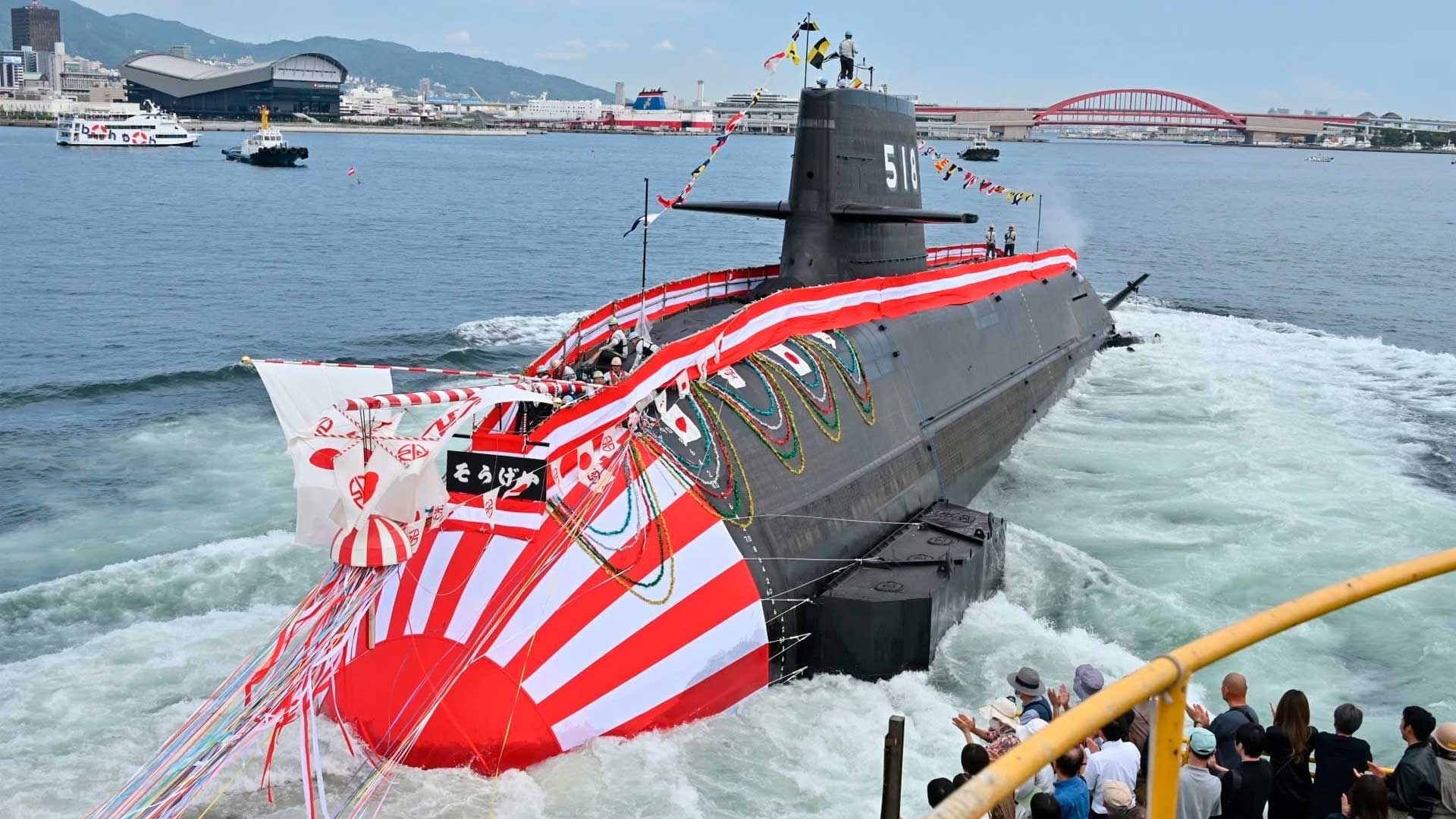


Ceremony in Kobe Marks the Sixth Submarine of the Taigei Class and Reinforces Japan’s Bet on More Submerged Autonomy and Reduced Acoustic Signature
Japan launched in October 2025 the JS Sōgei, sixth submarine of the Taigei Class, in a ceremony at the Kobe shipyard operated by Kawasaki Heavy Industries. According to Kawasaki itself, the vessel was built for the Ministry of Defense of Japan and is now entering the post-launch phase before the planned delivery in March 2027.
The highlight of the JS Sōgei is the use of lithium-ion batteries, a choice aimed at extending the time submerged and reducing the need for exposure on the surface. Kawasaki states that the battery system and stealth and sensor improvements are part of the class’s modernization package.
The ceremony also gains weight as it occurs in a more tense regional context, where Tokyo has been reinforcing naval surveillance and deterrence capabilities. International reports and analyses indicate that maritime competition in the Indo-Pacific continues to pressure countries to accelerate defense programs, especially in the vicinity of the East China Sea and Western Pacific routes.
-
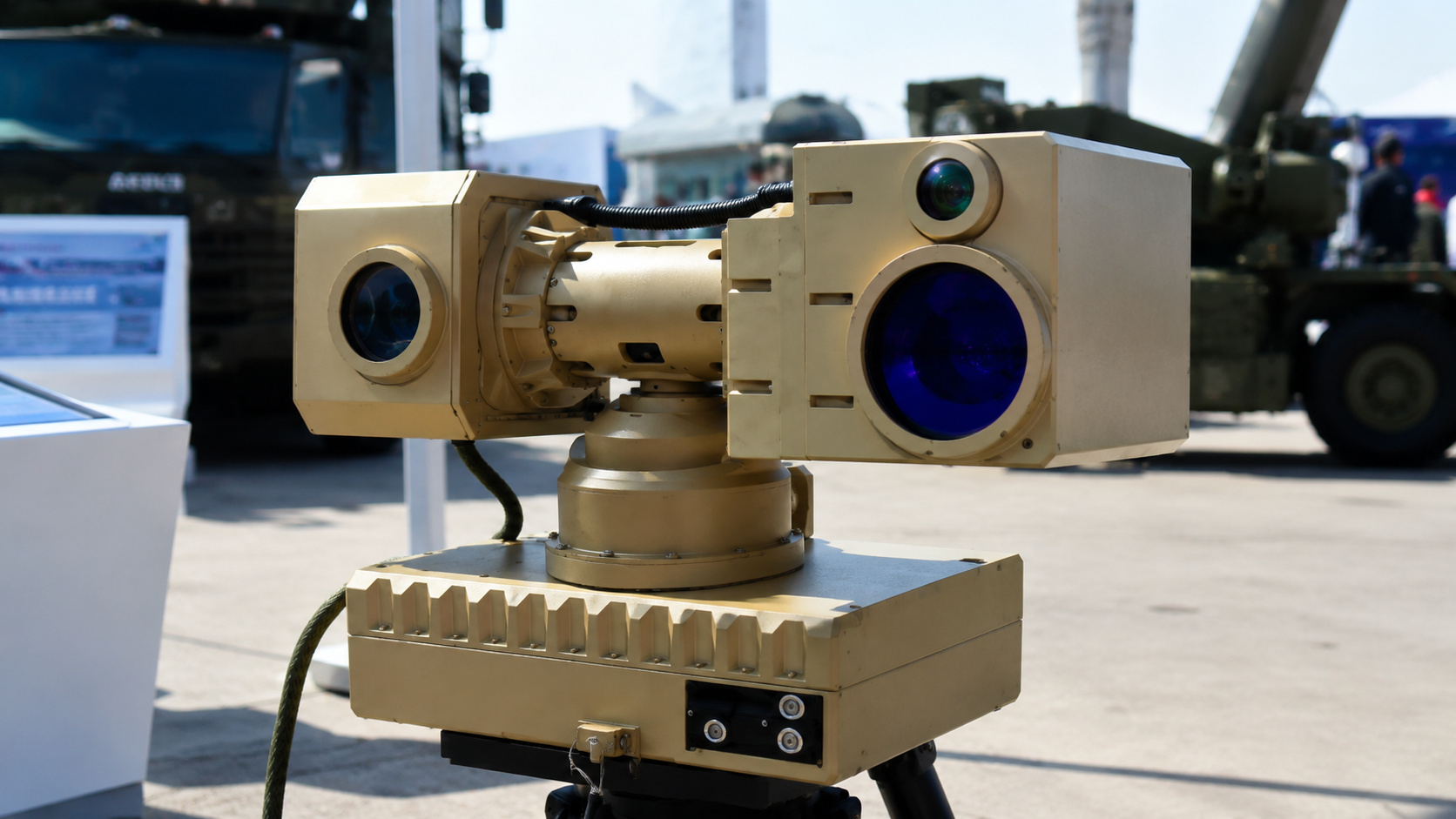
China Unveils Laser Weapon Capable of Instantly Neutralizing Military Drones, Marking a Significant Advancement in Air Defense Technology

-
U.S. Navy’s Ticonderoga-class Cruiser Becomes a 9,800-Ton Missile Fortress with Advanced Aegis System Capable of Tracking Hundreds of Targets

-
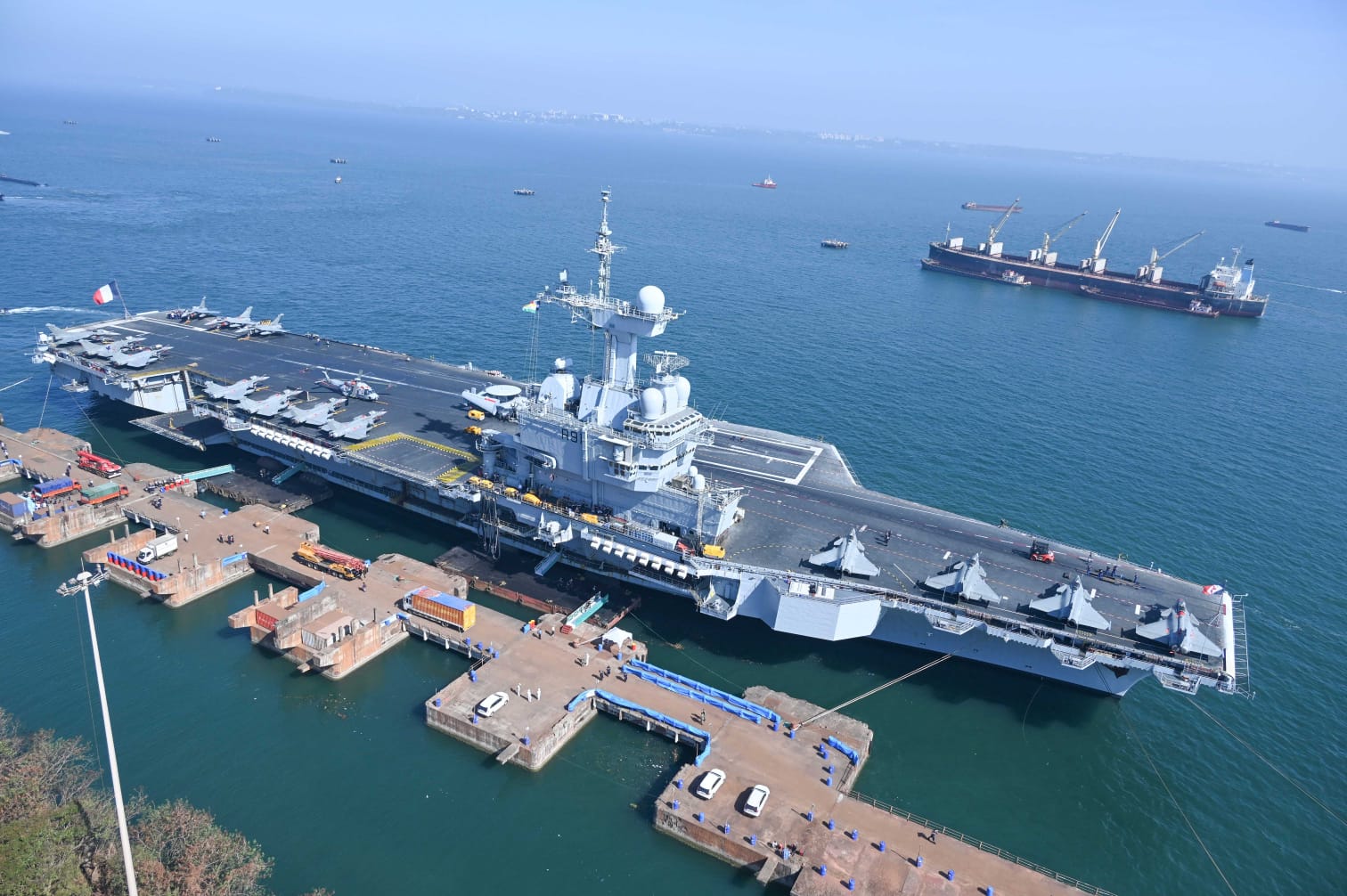
France’s Charles de Gaulle: The Sole Nuclear-Powered Aircraft Carrier Outside the US, Weighing 42,500 Tons and Equipped with Two Atomic Reactors

-
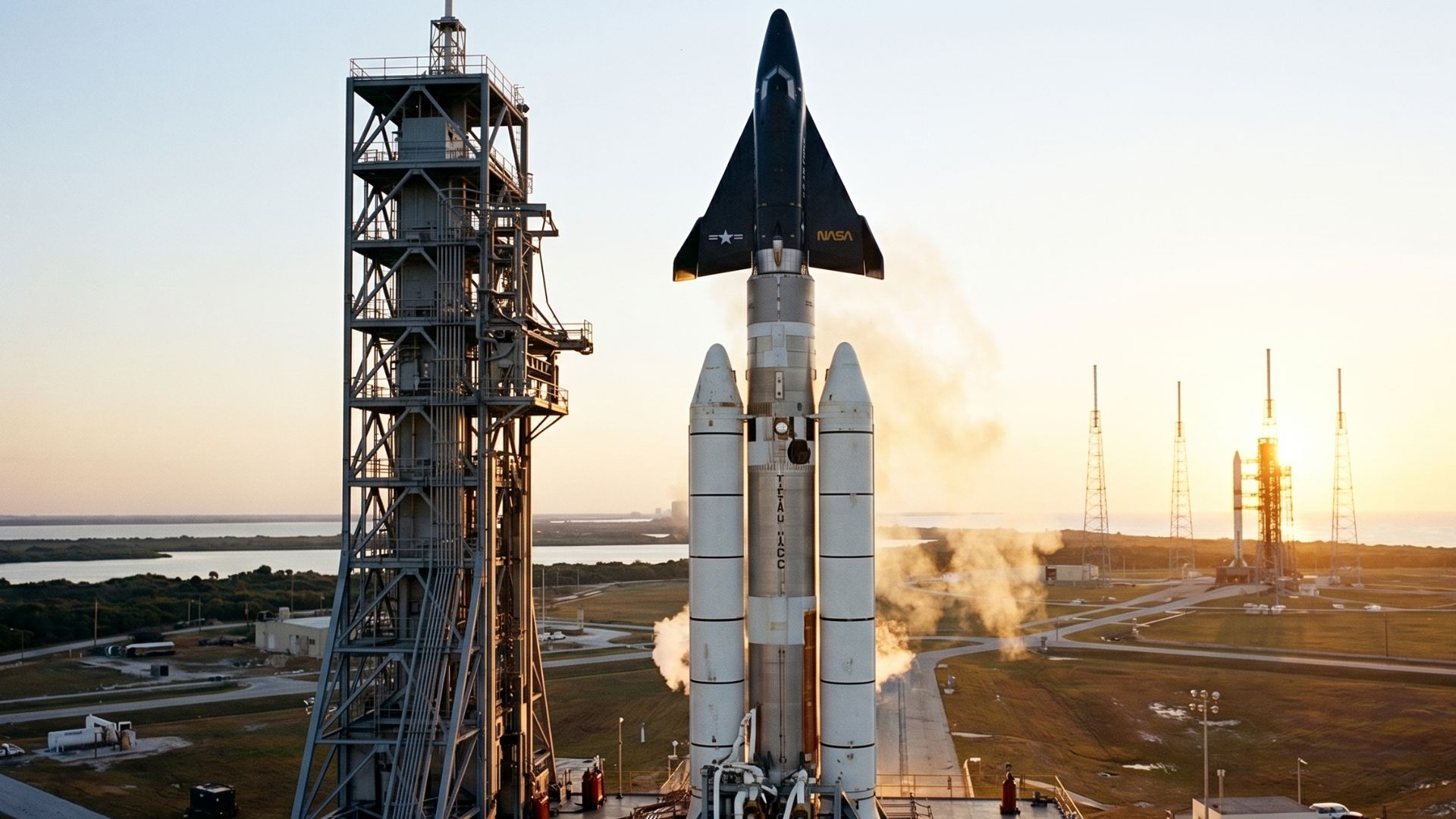
The military spaceplane that almost took the Cold War into orbit: Boeing X-20 Dyna-Soar was designed to re-enter above Mach 20, fly for up to 40 hours, land like a plane, and transform Titan rockets into a gateway to a new era of orbital warfare.

Next, what is known in a verifiable way about the new Japanese submarine and why lithium-ion technology has become central to this strategy.
Launch in Kobe Reinforces the Schedule of the Taigei Class and Leads the Sōgei to the Commissioning Path
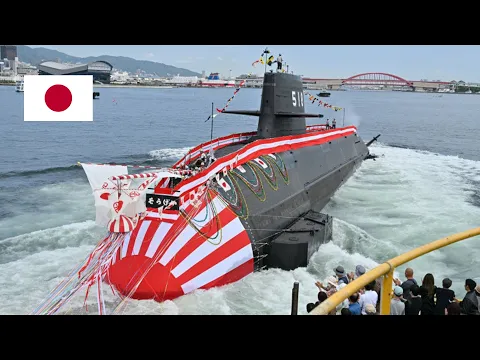

Kawasaki states that the construction of the JS Sōgei began on March 28, 2023 and that the launch took place on October 14, 2025, at the Kobe shipyard. The company adds that this is the sixth submarine of the Taigei Class and the 32nd submarine built at the Kobe shipyard since the post-war period.
In numbers, the submarine is 84.0 m long and displaces 3,000 tons, with a beam of 9.1 m and a draft reported at 10.4 m. The technical data released by Kawasaki also mentions two Kawasaki 12V 25/31 diesel engines and one electric propulsion motor.
Meanwhile, specialized coverage indicates that the Sōgei is expected to enter service in March 2027 and highlights the significance of the name, associated with blue whale. Naval News further reports that the designation follows the JMSDF’s recent tradition of using names referencing whales in the Taigei Class.
What Changes with Lithium-Ion Batteries in Diesel-Electric Submarines and Why Japan Insists on This Path
Kawasaki states that the Sōgei has received lithium-ion battery systems to enhance submerged endurance, along with automation and improved surveillance with higher performance sonar. The same note mentions enhancements in stealth and security measures, indicating a direct focus on reducing signatures and increasing operational efficiency.

Defense sources and specialized press describe the logic behind the choice, as lithium-ion batteries tend to offer better energy density than lead-acid batteries in equivalent applications. Naval News notes that the JMSDF itself reports the replacement of lead-acid with lithium-ion in the class, associating the supply of batteries with the company GS Yuasa, based in Kyoto.
There is also an aspect of technological precedence. Naval News points out that Japan is currently the only known country to have installed lithium-ion batteries in conventional submarines in operation, although other countries plan to follow a similar path.
This movement did not start from scratch. A previous analysis by The Diplomat on the emergence of the Taigei Class described the project as a quieter successor to previous submarines and cited the use of an advanced lithium battery system as a means for greater autonomy and discreet operation.
Less Signature and More Sensors Are Included in the Package and the Promise Goes Beyond the Battery
Kawasaki lists, in addition to the batteries, a combination of automation, high-performance sonar, and greater stealth capability. The company also highlights facilities aimed at integrating female crew members, signaling adjustments for habitability and longer operations.
In technical coverage, complementary details appear, such as the adoption of an enhanced snorkel to reduce signatures and the evolution of the sensor suite and combat management system. Naval News attributes these points to information from the Japanese Ministry of Defense and the JMSDF, treating the Sōgei as part of an incremental evolution of the class.
Why the News Grows in Importance in the Indo-Pacific and What This Says About Japanese Naval Strategy
The launch of the Sōgei occurs against a backdrop where Japan has been urged to expand patrol, surveillance, and deterrence missions around its islands and maritime lines. The Diplomat notes that the JMSDF tends to be pressured by movements from China, North Korea, and Russia, and cites the possibility of increased Japanese involvement in crisis scenarios involving Taiwan.
On the Chinese side, public estimates vary but point to a large fleet. A survey by NTI records 59 submarines as the total in fleet and mentions growth projections based on U.S. government reports.
This reading connects to formal force planning. A report from the International Crisis Group mentions a desired structure of 22 submarines in the Japanese inventory in planning documents, indicating that the size of the fleet remains a consistent goal.
In practice, what changes with each new hull is the ability to maintain a discreet presence for longer, gather information, and react quickly, especially in maritime chokepoints and transit areas. This is why improvements in submerged autonomy, stealth, and sensors tend to have a disproportionate strategic effect, even without visible changes for the public.
At the same time, the pace of modernization tends to fuel regional debate about arms races and escalated risks, as each side’s advancements are often met with equivalent programs from the other. This is one of the reasons why launches like the JS Sōgei are often interpreted as both technology and political messaging.


