





 Portuguese
  English
  Spanish
  5 min of reading
  0 comments


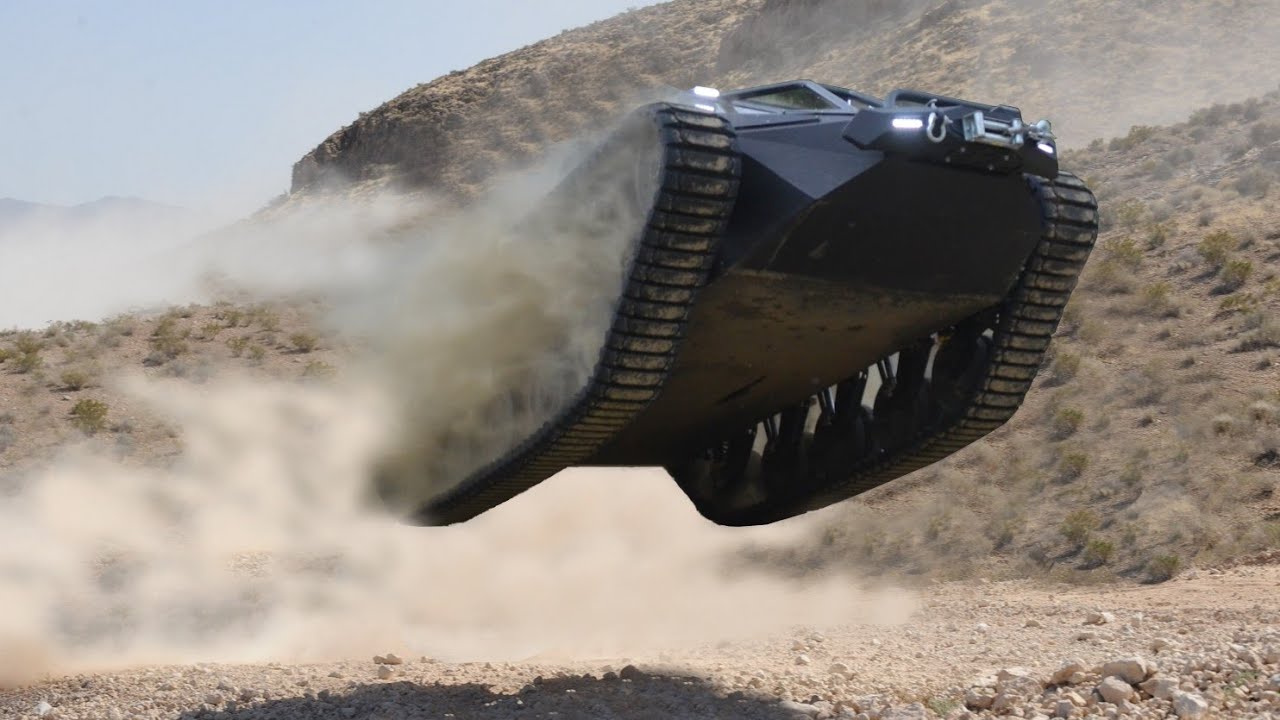
Ripsaw EV2 Combines Up to 1,500 HP, Nearly 100 km/h Off-Road, and Consumption Over 100 Liters Per Hour, Merging Extreme Performance with Military Armor.
When it comes to supercars, the most common image involves a low body, wide tires, and refined aerodynamics. But there is a machine that completely defies that definition. The Ripsaw EV2 is a tracked vehicle that delivers performance comparable to exotic sports cars — except it’s off-road, with armor and a structure inspired by military applications.
With power that can exceed four digits in some configurations, speeds close to 100 km/h on rough terrains, and consumption worthy of a heavy truck, the Ripsaw EV2 is not a toy. It’s an extreme demonstration of what happens when military engineering meets bespoke luxury.
What Is the Ripsaw EV2 and Where Did It Come From?
The Ripsaw was born from military projects developed by Howe & Howe Technologies, a company specialized in special vehicles. The initial proposal was to create a high-mobility tracked platform for tactical applications.
-
Hyundai launches a 7-seater “premium van” cheaper than Jeep Commander, Toyota SW4, and Chevrolet Trailblazer in Brazil; for around R$ 76,000 in conversion without taxes, Hyundai Alcazar features a turbo engine, diesel option, manual, automatic or DCT transmission, 6 airbags, and a family package that Brazilians don’t have yet, but India does.

-
Cheap car, expensive repair: Renault Kwid 2020/2021 with 127,000 km requires a new engine costing R$ 11,500, and the final bill exceeds R$ 16,000.

-
Renault 4 electric gets Plein Sud version with a fabric roof that opens 92 cm, starting at €37,290 and featuring 28 driving assistants in a nostalgic bid to drive in the open air without sacrificing interior space.

-
Used Renault Logan surprises with its space, giant 510-liter trunk, and affordable maintenance.


The EV2 (Extreme Vehicle 2) version emerged as a luxury civilian adaptation. It retains the robust structural concept but adds a customized interior, premium finishes, and tailored specifications for each buyer.
This is not mass production. Each unit is practically handcrafted, which explains the price exceeding US$ 300,000, potentially reaching even higher values depending on the specification.
Power and Performance: Numbers That Seem Unreal for a Tracked Vehicle
Depending on the configuration chosen by the client, the Ripsaw EV2 can use supercharged V8 engines based on high-performance blocks, with power ranging from about 600 HP to figures close to 1,000 or more horsepower in extreme versions. Some promotional disclosures mention even larger figures in special projects.
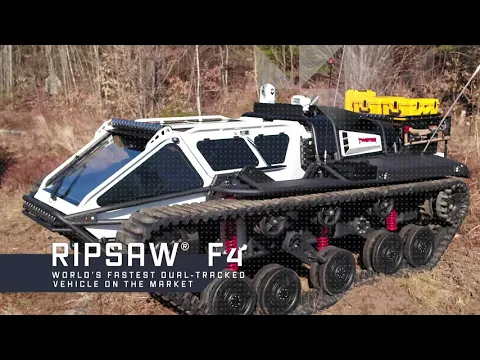

Weighing approximately between 3,500 and 4,000 kg, the vehicle can accelerate with surprising intensity. Estimates indicate that it can reach 0 to 100 km/h in about 3 to 4 seconds, performance comparable to that of traditional supercars.
The declared maximum speed hovers around 97 km/h (60 mph). It may seem modest for a conventional sports car, but reaching nearly 100 km/h on tracks, in rough terrain, is extraordinary from a mechanical standpoint.
Why Tracks Completely Change Dynamic Behavior
Unlike tires, tracks distribute weight over a larger contact area with the ground. This allows for superior traction in mud, sand, snow, or deep gravel. However, this advantage comes with significant mechanical losses.
The track system generates higher rolling resistance, more internal friction, and greater effort on the transmission. The energy required to maintain movement is substantially greater than that of a conventional wheeled vehicle.

This explains why the Ripsaw EV2 requires high power just to compensate for the structural losses of its locomotion system.
Fuel Consumption: The Price of Extreme Performance
The manufacturer does not officially disclose a fixed consumption number, as the vehicle is configurable and depends on usage patterns. However, based on high-performance V8 engines and considering the high weight and losses from the track system, it is estimated that consumption in intense use can vary between 80 and 150 liters per hour.
Under maximum acceleration or aggressive off-road operation, this number can easily exceed 100 liters per hour, placing the Ripsaw in a bracket similar to that of light military vehicles.
Translating to practical use, this could mean something close to 2 to 4 km per liter under moderate conditions, and even lower values in extreme driving. It’s not a vehicle designed for economy. It’s a machine built for raw performance.
Armor and Structure: Engineering Inspired by the Military Sector
The Ripsaw EV2’s structure utilizes a reinforced tubular chassis, long-travel suspension, and components sized to withstand severe impacts. Some versions may include additional armor, reinforced glass, and specific safety systems.
Internally, the contrast is striking. Despite its military base, the interior can feature leather finishes, sophisticated multimedia systems, and full customization.
This combination of structural brutality with internal luxury is an essential part of the vehicle’s proposition.
Comparison with Traditional Supercars
While a conventional supercar like a European coupe seeks aerodynamic efficiency, lightness, and precision on asphalt, the Ripsaw EV2 pursues a different goal. It delivers comparable acceleration, but on terrain where a common sports car simply cannot advance.
The power-to-weight ratio may even seem unfavorable when compared to a lightweight hypercar, but the decisive factor is the near-unlimited traction in hostile environments.
In terms of consumption, however, the Ripsaw is in another universe. Few street supercars consume more than 50 liters per hour in intense use. The EV2 can easily double that figure.
Who Buys a Ripsaw EV2?
This is not a conventional utility vehicle. Buyers are often enthusiasts of extreme engineering, collectors, or clients looking for something absolutely unique.
The Ripsaw is not practical for urban commuting, nor efficient for long trips. It is a mechanical demonstration, almost a piece of performance engineering.
With power that can exceed 1,000 horsepower, speeds approaching 100 km/h off-road, and consumption that can top 100 liters per hour, the Ripsaw EV2 completely redefines the concept of a supercar.
It proves that extreme performance doesn’t have to be limited to asphalt. At the same time, it shows that every advancement in traction and robustness comes at a price and that price is paid in fuel.
The Ripsaw EV2 was not created to be rational. It was created to be impressive. And in that regard, few vehicles in the world can compete with it.








-

-

-

-

-

-

73 people reacted to this.