






 Portuguese
  Spanish


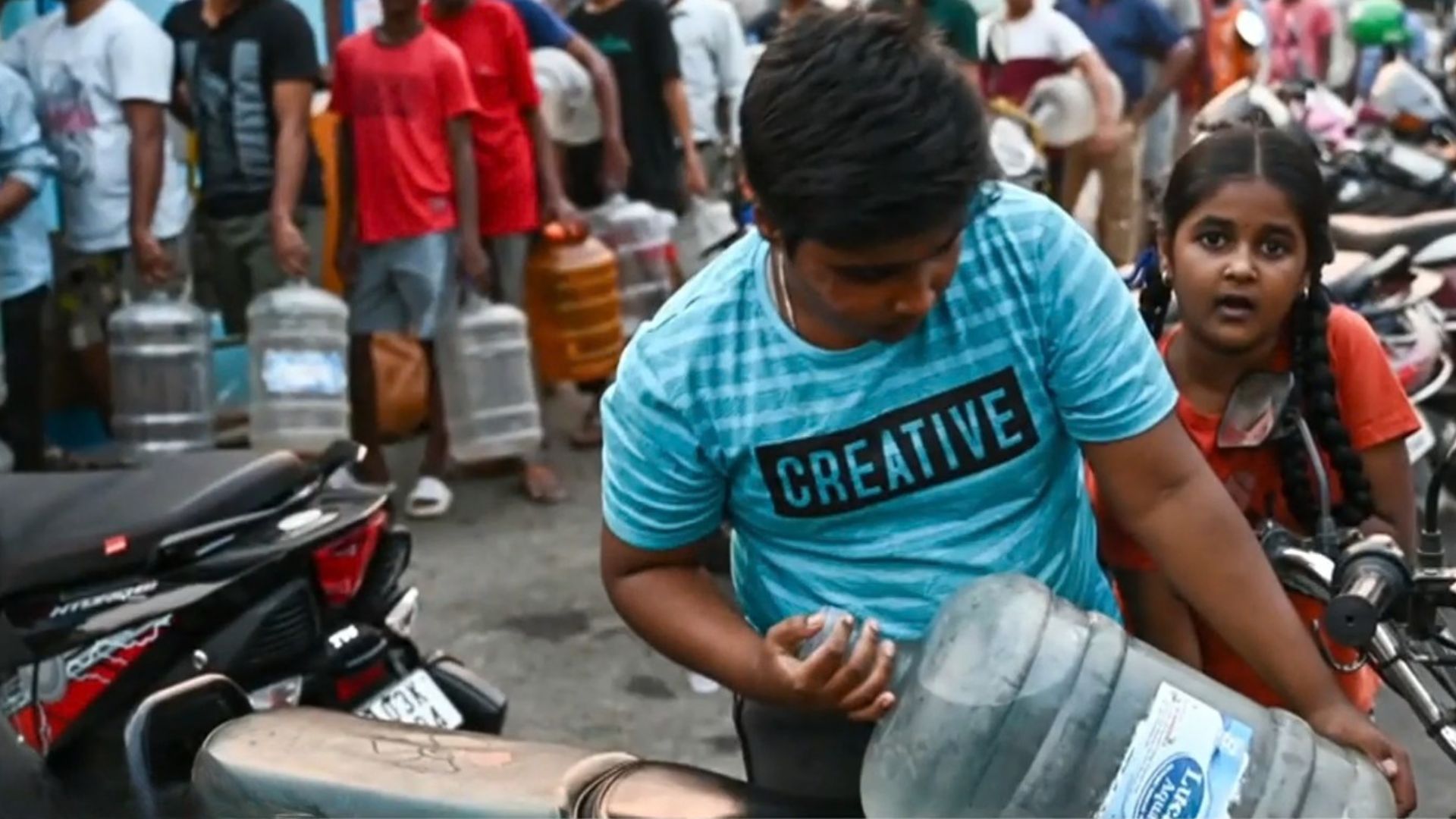


City That Concentrates Technology and Urban Expansion Lives With Drying Wells, Growing Use of Groundwater and Dependence on Water Tankers, While Official Numbers and International Reports Expose the Pressure on Supply and Costs for Families and Entire Neighborhoods.
Bengaluru, one of the largest urban and economic hubs in India, has started to deal with clear signs of stress on water supply, in a scenario where entire neighborhoods turn to alternative sources to maintain basic consumption at home.
In the metropolis known for concentrating technology companies and an estimated population of around 13 million inhabitants, the weakening access to water has been associated with a combination of intense heat, irregular rains, environmental degradation, and historical dependence on local solutions, such as well drilling.
In one of the most cited indicators by authorities and international vehicles, the municipal administration itself reported that 6,900 of the 13,900 wells drilled in the city had dried up, even as some reached great depths, which made the data an immediate portrait of the advance of scarcity in areas that rely on groundwater.
-
She bought a used motorhome at 23, refused an expensive renovation, dismantled furniture from the old apartment, and created a home on wheels with compact carpentry and repurposed pieces.

-
At 7 years old, boy swaps toy cars for raising bantams, dreams of becoming a veterinarian, and conquers the internet with his routine in the countryside of Santa Catarina; meet Luiz Miguel, the “Piá do Garnizé”

-
New York removed the tracks from over 2,500 subway cars and dumped everything at the bottom of the Atlantic, and what seemed like trash turned into an artificial reef teeming with fish and divers.

-
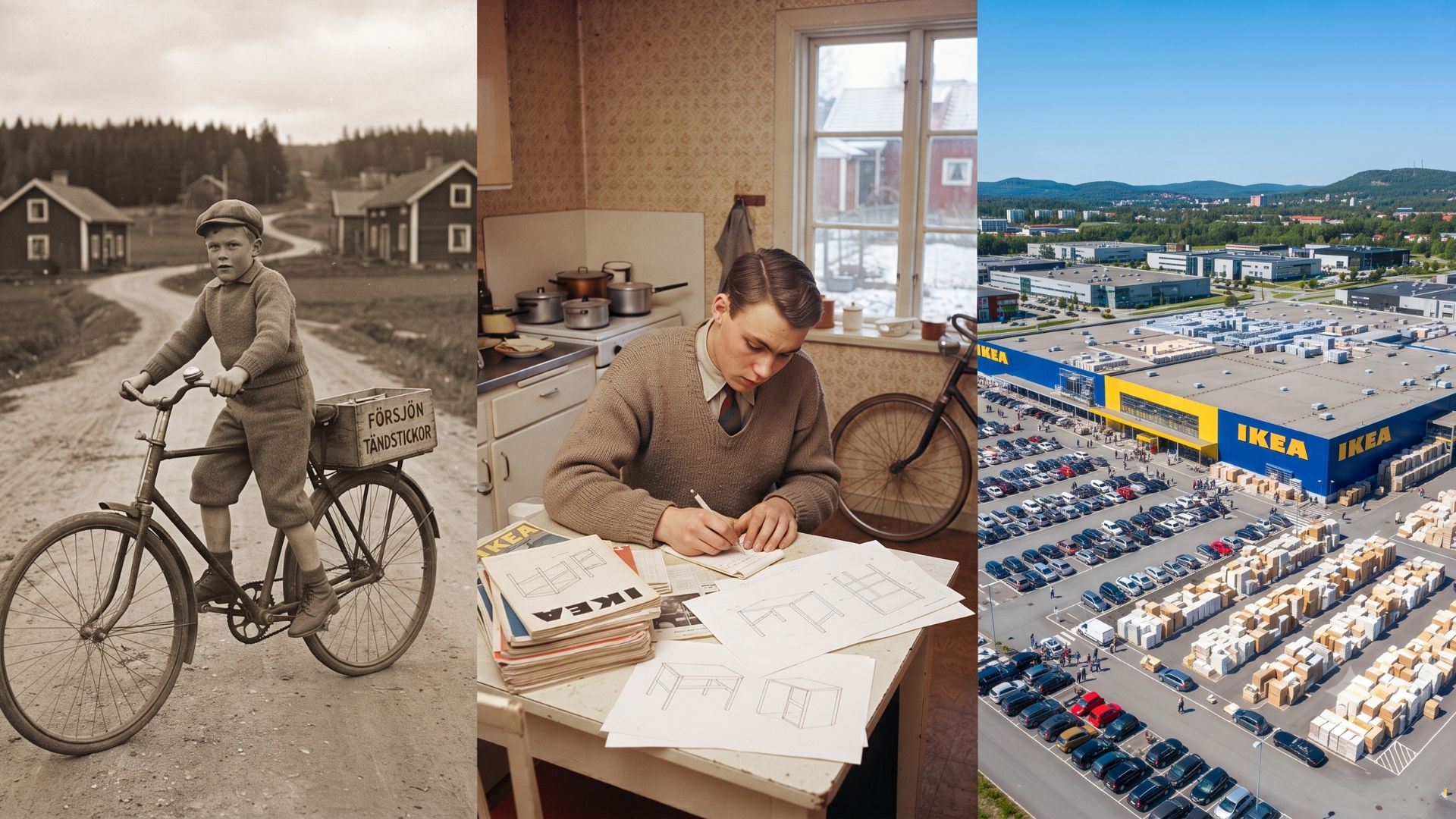
From matches sold by bicycle at age 5 to a global furniture empire: the lumberjack’s son founded IKEA at 17 in his uncle’s kitchen and transformed a small company into the largest furniture retailer on the planet.


The weight of this dependence appears in another estimate reproduced in news reports: more than one-third of residents use groundwater as their primary supply, whether due to the absence of a regular network in certain regions or due to insufficient volume available at limited times, which pushes families to seek alternatives when wells lose flow.


Water Tankers, Costs and Price Control
With the decline of the water table and the reduction of local supply, the use of water tankers has become part of daily life in several neighborhoods, functioning as a bridge between communities and water sources outside the usual domestic circuit.
In some areas, water comes through private suppliers and, in others, through trucks linked to public initiatives, creating a dynamic where availability can vary quickly as per demand, distance to collection points, and operational capacity during hot periods.
The pressure on this parallel system has led the government to discuss emergency measures aimed at controlling the water tanker market, including price ceilings for services contracted by public authorities, as reported by a Reuters article that also described the impact of scarcity on businesses and work routines.
In the same context, Reuters reported that the government allocated 5.56 billion rupees to tackle the crisis, while administrative decisions sought to curb the escalation of costs and ensure minimum distribution in the hardest-hit regions.
Domestic Routine, Storage and Impact on Neighborhoods
The crisis has also gained visibility through the contrast between the image of a highly dynamic economic city and the reality observed in residential neighborhoods, where residents have started to organize water use in shifts, prioritizing showers, laundry, and toilet flushing at specific times of the day.
Reports published by the Associated Press describe families storing water in containers and adjusting domestic habits to get through hours without regular flow, especially in settlements and areas with weaker infrastructure, where buying water becomes an important part of the monthly budget.
At the same time that domestic consumption adapts, the city maintains an intense routine of construction, expansion of neighborhoods, and growth of enterprises, which increases the demand for water and further pressures a system that needs to reconcile urban supply, commercial use, and maintenance of essential services.
Urbanization, Aquifer Recharge and Urban Heat

The relationship between urbanization and aquifer recharge appears directly in evaluations by experts cited by AP, including the observation that paved surfaces cover nearly 90% of the city, reducing the infiltration of rainwater into the soil and limiting the natural replenishment of the water table.
In this set of changes, urban greenery has also entered the debate as an environmental balancing factor, as researchers mentioned in the coverage relate the loss of vegetation cover over decades with the reduction of water retention and infiltration capacity, in addition to the increase in urban heat.
The recent history of Bengaluru includes transformations that affect water availability, such as the reduction of water bodies, lakes, and natural drainage areas, a theme that appears in reports from Reuters describing the accumulated environmental degradation and its reflections in the increasing dependence on supply by tankers.
The crisis in Bengaluru expresses itself, therefore, not only in the lack of water in taps but in the reorganization of an entire urban ecosystem, with impacts on housing, mobility, productivity, and public health, especially when irregular supply hampers basic hygiene and cleaning practices.
Another point that often comes up in discussions about the city is the distance from external supply sources, as part of the piped water depends on rivers outside the urban area, and experts point out that projects and network expansions do not always keep pace with the population and real estate growth.
Official Numbers and the Warning for Megacities
In international reports, this combination of dependence on aquifers, accelerated urban expansion, and climate irregularity has been presented as a concrete example of how a metropolis can quickly approach an operational limit, even with economic resources and the presence of highly productive sectors.
An estimate cited by AP, attributed to the Indian government, added a layer of concern by indicating that in 2018, over 40% of Bengaluru residents could be left without access to drinking water by the end of the decade, a fact that reinforces the debate on urban planning and water security in large cities.
In daily life, the response from communities and condominiums has also been described as a practical adaptation to the restriction, with internal control of supply hours and encouragement for storage, in an attempt to prevent scarcity from transforming into a complete halt of domestic routines and services.
The situation in Bengaluru has thus become an emblematic case of water vulnerability in megacities, not only because of the population scale but also due to the speed at which wells are drying up, prices are rising, and alternative networks are stepping in to meet a basic need.
If a metropolis the size of Bengaluru has had to resort to water tankers and price controls to maintain minimum supply, what signals indicate that a large city is about to enter the same path of scarcity?





Do jeito que esse país está com a sua população crescimento, logo vamos ver esse povão passando fome e sede. O governo desse país índia tem que tomar uma providência em botar em prática um controle rígido de nascimento de crianças para melhorar o meio ambiente tb