Portuguese
  Spanish


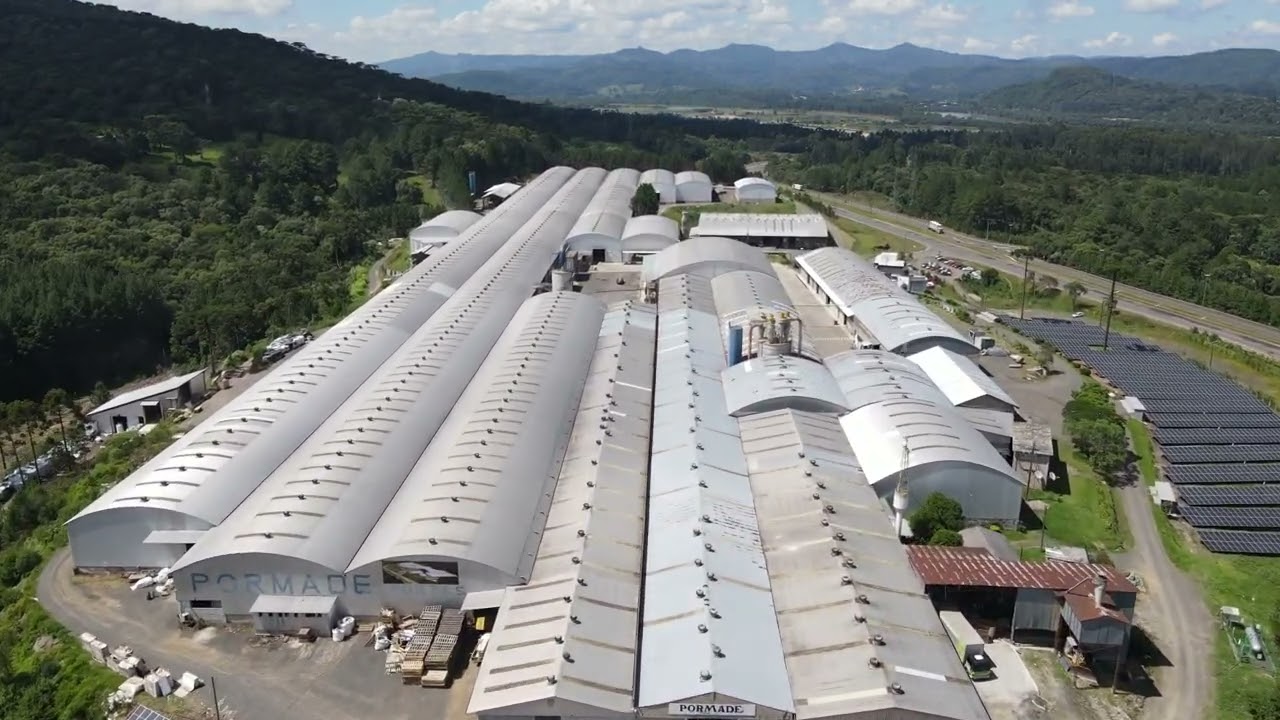

Pormade, The Largest Door Company in Brazil’s Construction Industry, Invested in Renewable Energy for Its Operations. With This, The Company Aims to Transform Its Entire Industry into 100% Sustainable, Contributing to the Environment and Business Economy.
On Tuesday, (07/26), the industry Pormade announced that it will invest in clean energy for its operations, aiming to transform the entire company into a fully sustainable entity. The company directed a significant amount towards the application of its entire renewable energy plant in its industry.
Pormade Aims to Reduce Its Greenhouse Gas Emissions
In this sense, Pormade, the largest door manufacturing industry in the country, has not used any type of wood that is not sourced from renewable forests since the year 2000, which is why all the raw materials used by the company come from mechanically processed sheets.
Pormade has a planted area of 520 hectares for this purpose, and it has now decided to heavily invest in clean energy generation to make the company ever more sustainable and reduce its greenhouse gas emissions.
-
Affordable Housing Project in Brazil’s Mato Grosso Aims for 700 Deliveries and $34 Million in 2026, Outpacing Major Developers in High-Demand Areas

-
Brazil’s Largest Port to Accommodate Bigger Ships by October as Ibama Approves Non-Explosive Removal of Hidden Rocks and Sediments
-
Mexico Develops 3D-Printed Concrete from Corn Waste, Cutting Emissions by 70% and Reducing Construction Waste by 90%
-
Traditional Mortar to Decline by 2026: ACIII-E Solution for Large Porcelain Tiles Offers Better Adhesion and Reduces Risk of Loose Pieces in Floors and Facades


According to an introductory study by Pormade, it was confirmed that the initial installation of just 2,400 solar panels would already be able to generate 20% of the factory’s daily consumption, with the excess generated on Saturdays and Sundays, when the industry does not operate, thus relieving the pressure on hydroelectric plants. Currently, around 3,200 panels have already been installed, and the expectation is to end the year with a total of 10,000 photovoltaic panels in operation.
“The solar panels will be present throughout the complex, covering both manufacturing and administrative areas. Our project includes the installation of a plant with a generation capacity of 5 MW,” says Claudio Zini, CEO of Pormade. The total investment made for the realization of the project was R$ 24 million and aims to transform Pormade into a 100% sustainable company by the end of the decade.
Being a Fully Digitized and Sustainable Industry Is The Main Focus
Thus, in order for this to happen, the company continues to invest in several fronts, such as the purchase of a new painting line. The new line allows for the manufacture of doors with wood-like finishes, but without using wood veneers, aiming even further at the sustainability and digitalization of the company.
Moreover, there is a concern to avoid processes where the paint is sprayed, preferring application processes with roller brushes to avoid product dispersion into the environment.
Additionally, to further enhance the digital transformation process, the industry will also have, in the coming months, a software development team with more than 50 programmers and will also invest in new painting equipment: “Technology, innovation, and sustainability go hand in hand. Our investments are directed towards equipment, but above all, towards people,” emphasizes Zini.
Pormade Portas is one of the largest door manufacturing companies in the country and has been in the market for years, ensuring sustainability and quality in all its operations. The company has large areas of planted forests and also a complete industrial park with 102,000 m² constructed, and it controls all its production. It is this structure that allows the company to have one of the best quality standards in South America.
With a revenue of R$ 300 million in 2021, Pormade also invests in people and products as a competitive strategy. For 2022, the company projects to end the year with an increase of about 25% in business.