





 Portuguese
  English
  Spanish
  4 min of reading
  21 comments


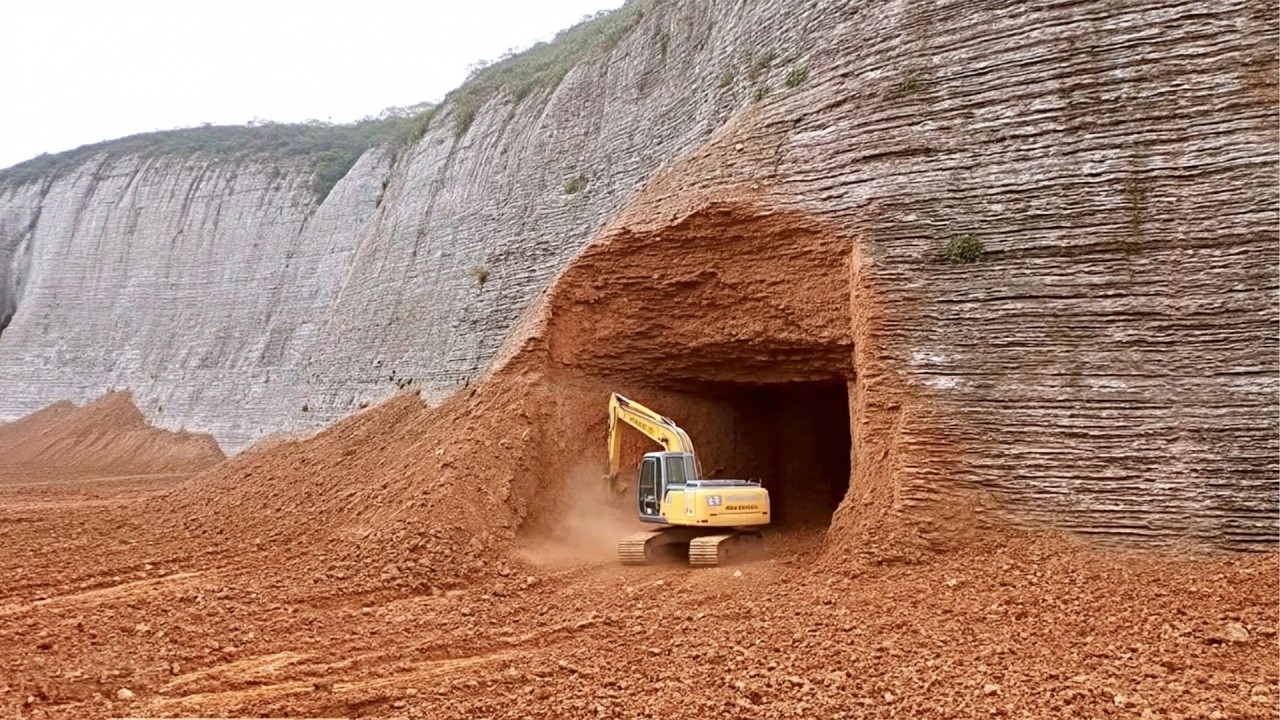


Man Buys An Entire Mountain And Digs House, Farm, And Habitable Structure From Scratch Using Heavy Machinery And Soil Engineering In A Colossal Project.
Buying a plot of land to build a house is already a challenge. Buying an entire mountain and deciding to excavate it from the inside to turn it into a residence, farm, and functional structure is something that completely goes beyond the normal. This is exactly what a rural resident in China decided to do by investing all his savings in a project that today draws attention for its size, complexity, and bold engineering involved.
What was once just a massive slope of compacted soil began to be transformed into a habitable complex excavated directly into the terrain, using heavy machinery, skilled labor, and traditional soil construction techniques, very common in regions of the Loess Plateau in the northern part of the country.
The Beginning Of The Project: Leveling The Mountain And Controlled Excavation
The transformation began with the most critical stage of the entire project: lowering and leveling the slope. Large excavators were used to remove entire layers of the mountain, creating flat surfaces and reducing the slope of the terrain.
-
Family builds natural pool without chlorine and without mud; the water is so crystal clear that fish and shrimp clean the bottom by themselves and guests get a free “fish manicure.”

-
Without cement, glue, or a single screw, interlocking wooden blocks promise to erect the skeleton of a house in about seven days, with one worker assembling one square meter of wall in less than a minute.
-
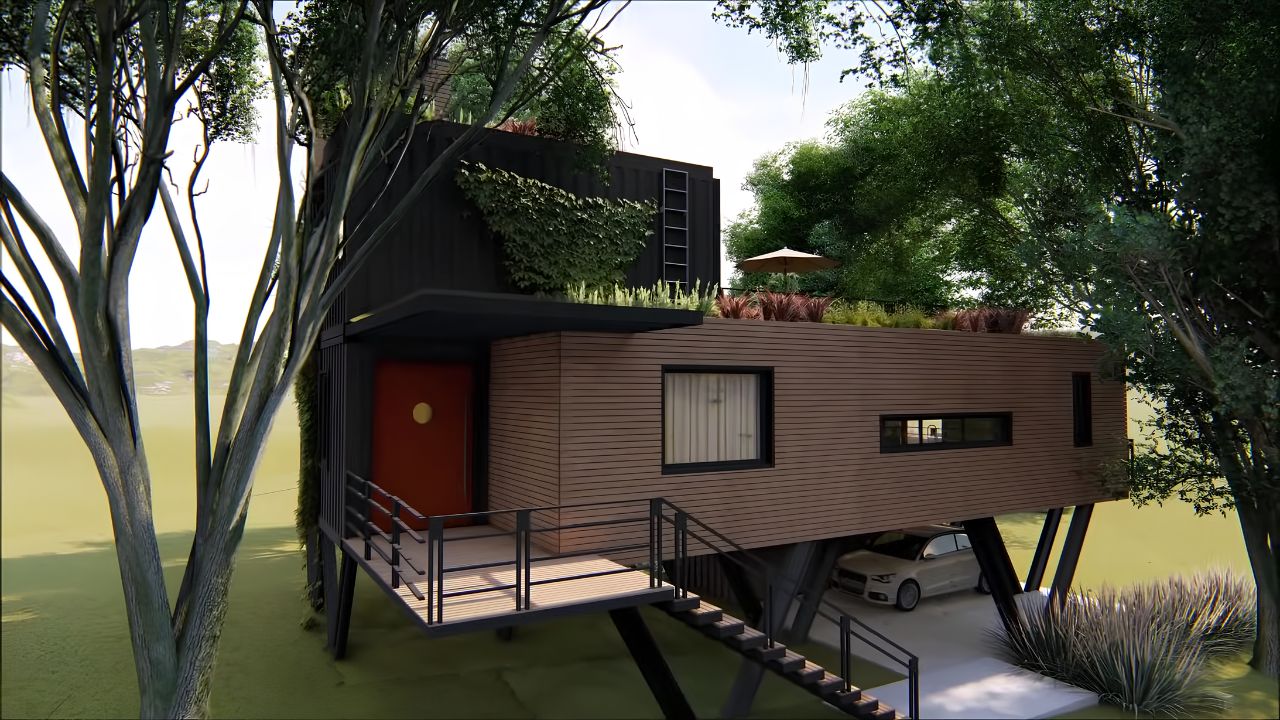
Suspended house made with reused containers, wood, and steel, does not have a television or Wi-Fi system and was designed to operate without air conditioning; the residence was built among trees in the interior of São Paulo and relies on natural ventilation and a green roof.

-
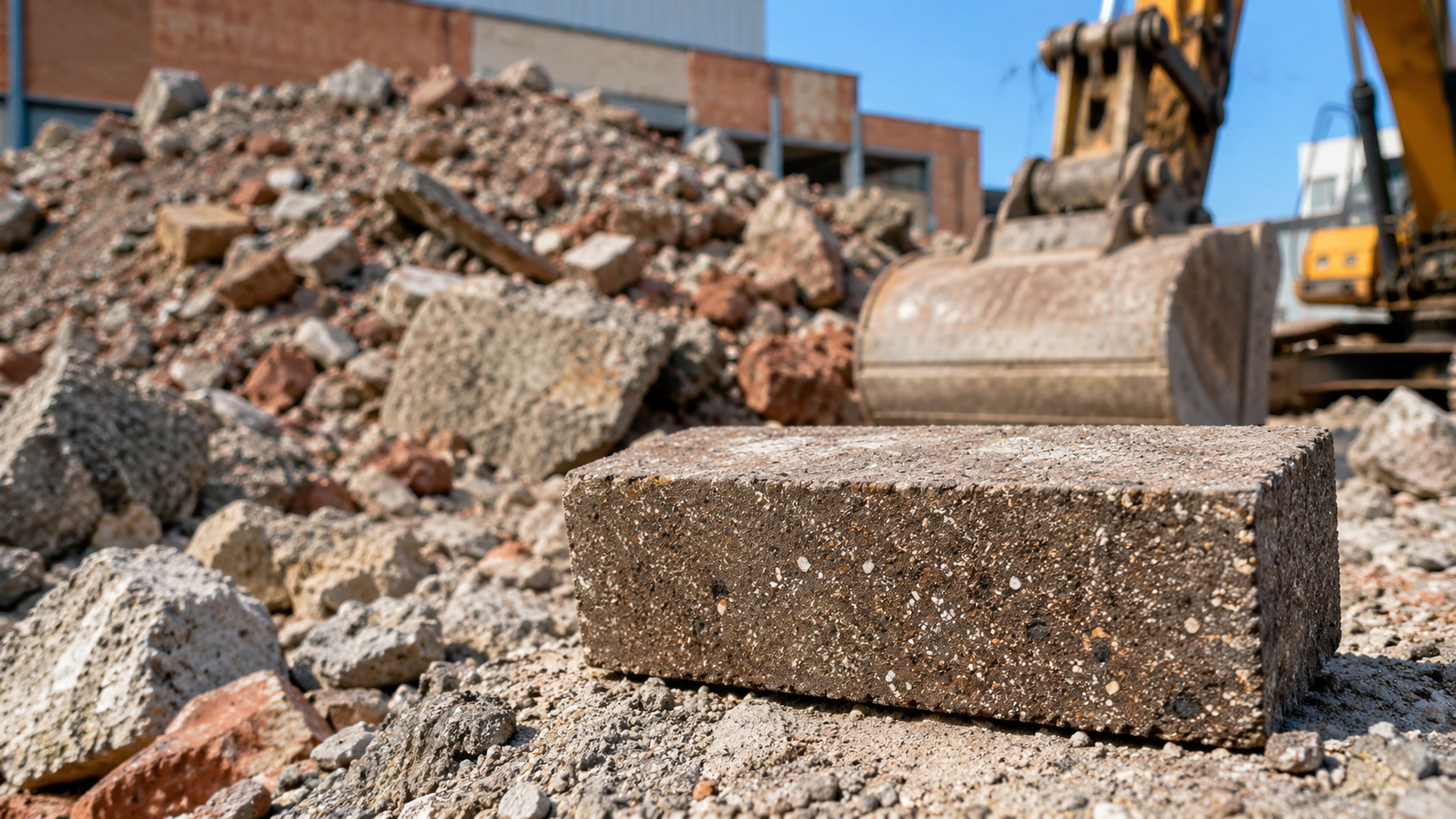
Scotland creates a brick made with over 95% recycled debris, eliminates kiln firing, and attempts to reinvent a piece used in construction for almost a thousand years.


This process is not just visual—it is fundamental to prevent landslides, redistribute the weight of the soil, and allow safe internal excavations.

Unlike a conventional project, here the soil was not completely removed. It began to function as the main structure.
Each cut was made respecting the natural resistance of loess, a type of fine, highly compact soil that allows for the excavation of large cavities without immediate collapse when well planned.
Excavated Cavities Become Apartments And Functional Areas
With the slope prepared, the first caves began to appear. The arched openings, visible on the mountain’s facade, were not chosen for aesthetics. This shape better distributes the pressure of the soil above, reducing the risk of cracks and increasing the structural stability of the cavities.

According to the project planning, part of these caves was designated for the creation of habitable apartments, while others became functional areas for storage, agricultural support, and technical spaces.
The internal walls received finishing with manually laid bricks, reinforcing the structure and creating an additional barrier against moisture and erosion.
Internal Reinforcement, Masonry, And Structure Consolidation
After the rough excavation, the project entered a slower and more technical phase. The interiors of the caves were reinforced with layers of masonry, creating double walls between the soil and the interior environments.
This method is common in traditional underground constructions in China as it increases the structure’s durability and improves thermal comfort.

At the same time, access points were extended and internal tunnels were widened. Part of the soil removed was reused to reinforce external areas and create platforms around the mountain, reducing waste and maintaining the balance of the original terrain.
Embedded Infrastructure And Long-Term Solutions
One of the most notable points of the project is the attention given to infrastructure. Unlike makeshift constructions, the electrical wiring and plumbing systems were installed during the structural phase, embedded in the internal walls. This avoids cable exposure, reduces risks, and increases the lifespan of the installation.
The drainage was also planned from the beginning. Trenches and underground channels conduct rainwater and waste in a controlled manner, preventing infiltrations that could compromise the mountain over the years. In regions of fine soil, this care is decisive for the survival of the construction.
Mountain Becomes House, Farm, And Natural Thermal Shelter
With the structure consolidated, the slope began to play a role that no conventional house can offer: natural thermal insulation.
The mass of earth maintains a stable internal temperature throughout the year, protecting the residents from the intense cold in winter and the extreme heat in summer.
In addition to the residence, the project incorporated agricultural areas and support spaces for rural production. The mountain ceased to be merely a geographical obstacle and began to function as a shelter, storage, home, and productive base in a single integrated system.

A Non-Traditional Project That Challenges Conventional Construction
The final result is not just an excavated house but a clear demonstration of how soil engineering, traditional architecture, and planning can transform an entire slope into a habitable structure. Instead of fighting against the terrain, the project used the mountain itself as foundation, wall, and protection.
This type of construction draws attention not only for its scale but for raising an important question: in a world where flat and urban land is becoming increasingly expensive, extreme solutions like this may cease to be exceptions and start to inspire new models of rural housing.
In the end, the project proves that with planning and technique, even an entire mountain can cease to be just a landscape and transform into a home.








O bom é que tem as imagens, o portal 6 não tem 😮💨
Excellent, will these workers build one for me?
sᴇ ᴘʀᴇᴘᴀʀᴀɴᴅᴏ ᴘᴀʀᴀ ᴀʟɢᴏ ᴘɪᴏʀ.
ᴇᴍ ɢᴜᴇʀʀᴀ ɴᴜᴄʟᴇᴀʀ ᴇsᴛᴀ́ ᴘʀᴏᴛᴇɢɪᴅᴏ.