






 Portuguese
  Spanish


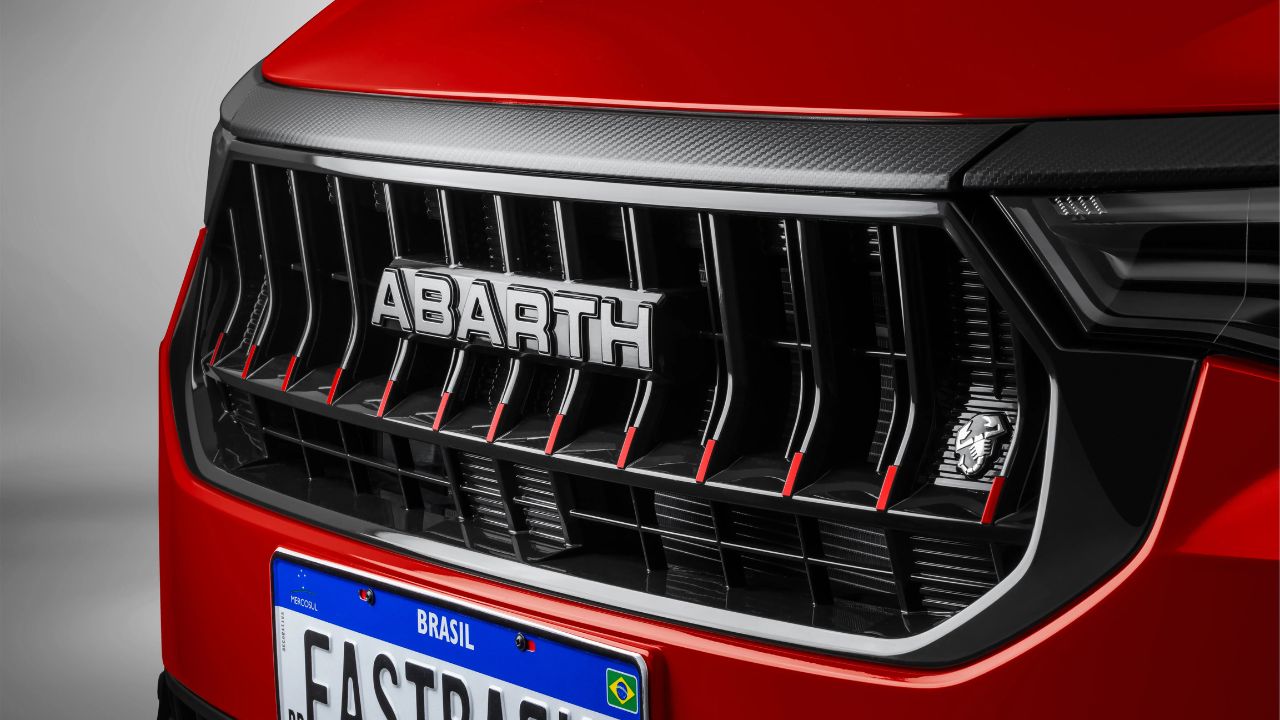

By R$ 178 thousand, SUV Coupé gains equipment and keeps the 185 hp engine, but still lacks essential safety items, such as curtain airbags and rear drum brakes.
The new Abarth Fastback 2026 arrives on the market with important news. The model incorporates items such as a panoramic roof and seats with electric adjustment. It retains its powerful 1.3 Turbo engine with 185 horsepower, standing out against the rival Nivus GTS. However, the price increase to R$ 178,000 raises questions about its cost-benefit ratio, especially concerning a critical point: safety.
What Is New in the Abarth Sport SUV for 2026?
The main novelty of the Fastback Abarth 2026 is the inclusion of the panoramic roof. This item, which does not open, adds aesthetic value and a sense of greater interior space, being a differential that its direct competitor does not offer.
Moreover, the seats have been updated. Now, they feature a design that better hugs the body, with electric adjustment for the driver. The Abarth brand reinforces its identity by removing almost all Fiat logos, except for one detail on the blind spot alert system, which is also a novelty in the model.
-
Chevrolet Unveils Onix Log 2027: A Hatchback Without Rear Seats, Featuring 1.0 Engine and 1,045 Liters of Cargo Space, Perfect for Businesses and Delivery Workers

-
Suzuki Jimny Nomade 5-Door: A Rugged Family SUV with 1.5L Engine and 4WD, Priced Around $18,000 in Brazil

-
Suzuki XL6: Affordable Premium Minivan in India Offers Seating for Six, Hybrid Engine, and Impressive Fuel Efficiency

-
Banco do Brasil and Uber Launch Cashback Program Offering Up to 3.5 Loan Installments Back, Drivers Gain Access to New Cars Worth Up to $30,000 Through Move Brasil Initiative




Engine 1.3 Turbo: Maintained Power and Pleasing Performance

The heart of the Abarth Fastback is the 1.3 Turbo Flex engine with direct injection. Unlike other models in the group, it has retained its power. It delivers 185 hp on ethanol and 180 hp on gasoline, with a torque of 27.5 kgfm on both fuels.
With a weight of 1,310 kg, the SUV has an excellent power-to-weight ratio. The transmission is six-speed conventional automatic, not the CVT used in other versions. According to Abarth, it accelerates from 0 to 100 km/h in 7.6 seconds and reaches a top speed of 220 km/h. The sound of the exhaust with real pops is also a highlight, reinforcing its sportiness.
Design, Internal Space, and a Huge Trunk of 516 Liters
The design of the Abarth Fastback is marked by the front grille with the brand name and the scorpion. The headlight set is all LED. At the rear, the pronounced slope of the roof divides opinions, but contributes to its visual identity.
The trunk is one of the major highlights. It has a capacity of 516 liters, an impressive volume for the category. With the seats folded, the space increases to 1,087 liters. The rear interior space is good for legroom, but the sloping roof slightly limits headroom for taller passengers.
The Weak Points: Safety and Brakes Continue to Lack


Despite its qualities, the Fastback Abarth 2026 fails in crucial areas. The main issue is safety. The vehicle has only front and side airbags. There are no curtain airbags, an essential item for a car that costs R$ 178,000.
Another downside is the braking system. At the rear, the system is drum, while the direct competitor, Nivus GTS, offers disc brakes on all four wheels. The model also lacks adaptive cruise control, having only the conventional system and lane-keeping assist.
Is It Worth Paying More for the Fastback Abarth 2026?
The Fastback Abarth 2026 is undoubtedly a fun car to drive, fast and very practical, thanks to its huge trunk. The updates make it more attractive than its rival in certain aspects.
However, the high price is not justified when analyzing the safety package. The buying decision will depend on the consumer’s priorities: for those purely seeking performance and space, it may be an option. However, for those who value safety as a primary factor, the absences are too serious to be ignored.


