Portuguese
  Spanish


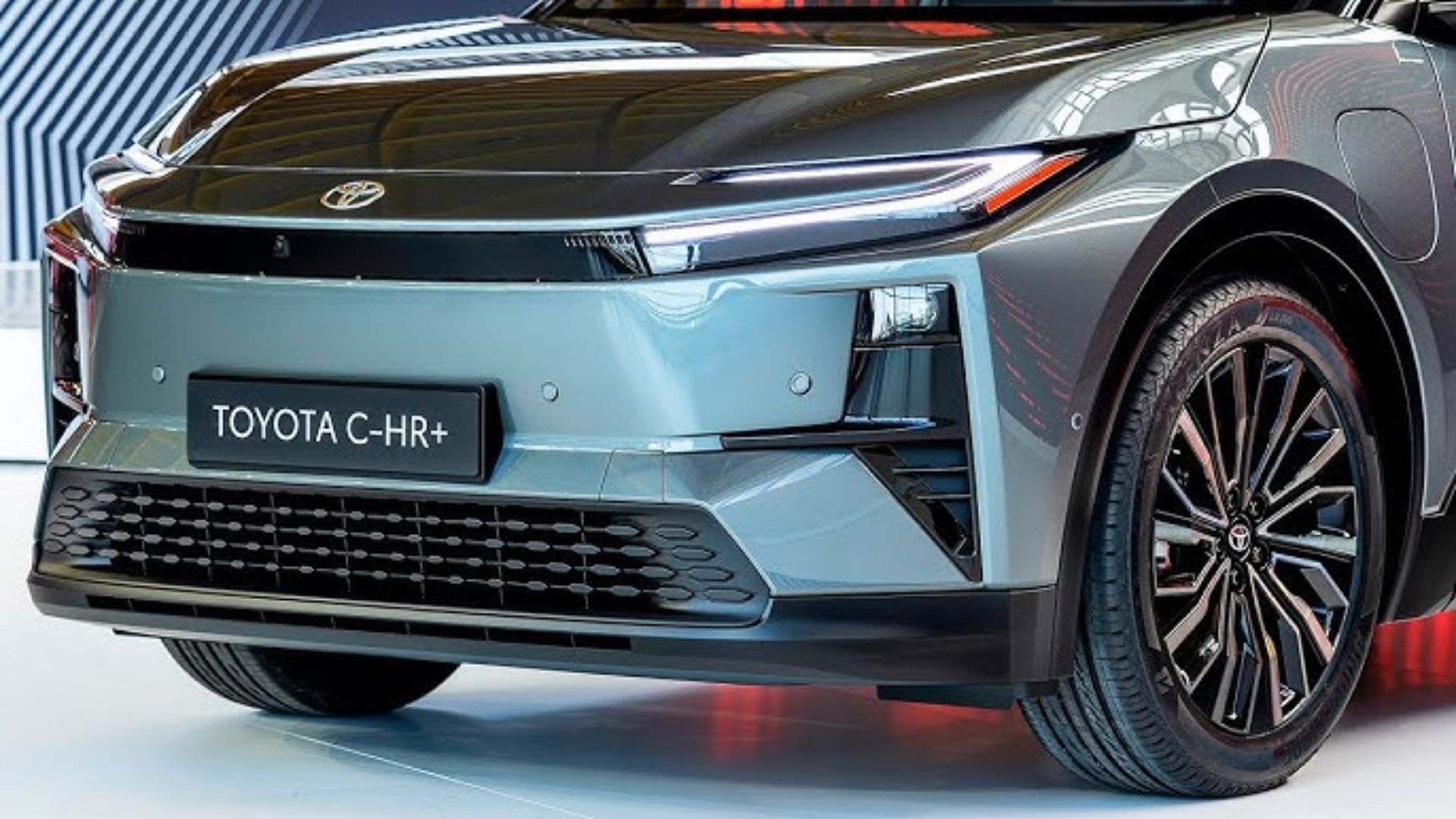


Toyota’s Premium Compact SUV Debuts in 2026 in Europe with Up to 340 HP, 525 km Range, Charging in Under 30 Minutes, Embedded Artificial Intelligence, and JBL Sound with Spatial Audio, Targeting Urban Consumers and Global Rivals.
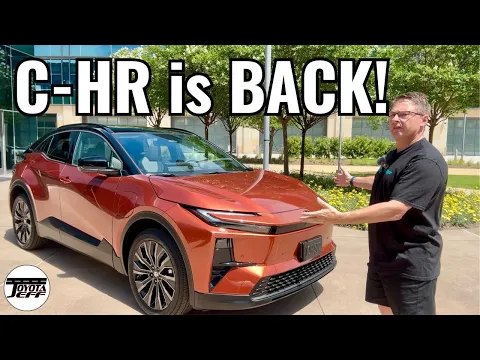
Toyota expands its presence among electric SUVs by announcing the C-HR+ 2026, a premium compact aimed initially at Europe, promising up to 340 HP, 525 km range (EPA cycle), and fast charging from 10% to 80% in under 30 minutes.
The model targets rivals such as the Volvo EX30 and Kia EV5 and features embedded AI and JBL audio with spatialization, elements that reinforce the brand’s global strategy for innovation and connectivity.
The debut is scheduled for 2026, with potential repercussions in other markets, including Brazil.
-
Chevrolet’s Parent Company to Invest Billions in Brazil to Modernize Factories, Update Cars, and Accelerate Hybrid Launch by 2028

-
Practical Driving Tests in Brazil Surge by 23.5%, Exceeding 2.2 Million by 2026, as New Rules Make the Process Cheaper and Simpler
-
Brazil’s Lula Government Allocates $463 Million Quota for Electric Car Parts, Waives Import Tax Until December, Sparking Competition Among BYD, Automakers, and Unions as Consumers Question Impact on Prices and Local Industry

-
Thinking of Installing LED Headlights? Why Replacing Halogen Bulbs is Still Banned, the Glare Risks Authorities Worry About, and How a New Proposal Could Allow Certified, Safe Installations


Growing Electric SUV Market
The segment of compact electric utility vehicles is consistently growing in Europe and Asia, and Toyota is targeting exactly this niche.
Designed to operate in the accessible premium segment, the C-HR+ combines appealing sporty design with a broad technological package.
While Volvo, Kia, and other brands accelerate their EV lines, the Japanese automaker relies on its reputation for reliability and a dedicated electric platform to attract urban consumers seeking efficiency, style, and advanced features.
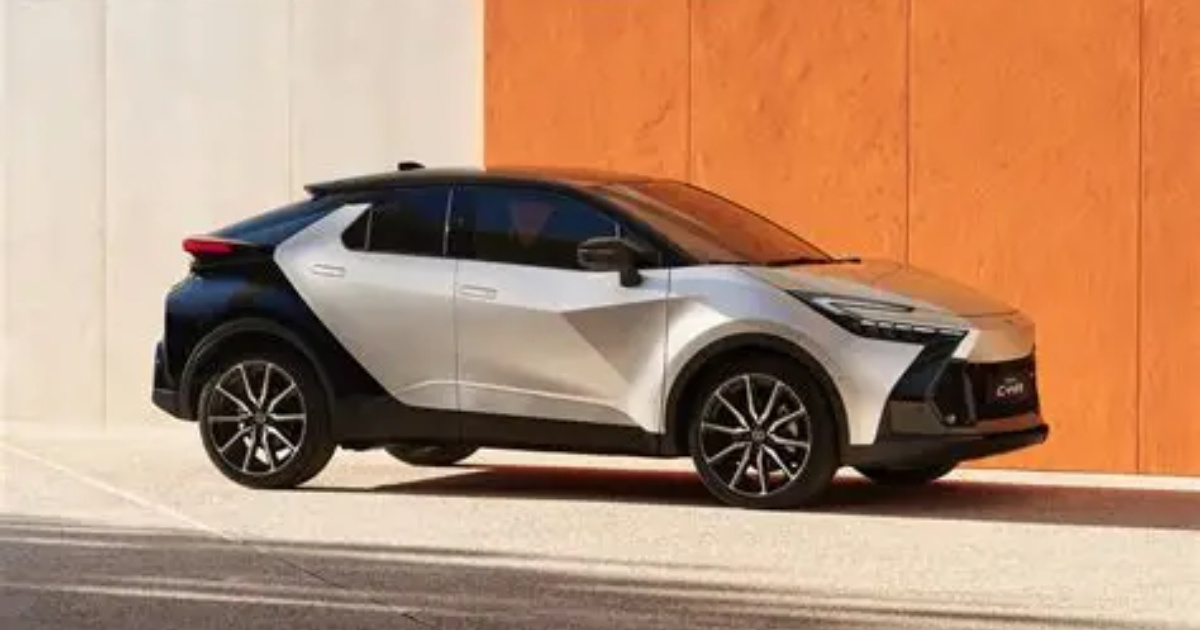
e-TNGA Platform and Coupe Design
Under the body, the e-TNGA platform was designed for 100% electric vehicles, focusing on a low center of gravity and optimized weight distribution.
According to the brand, this results in stability in curves and comfort without sacrificing interior space.
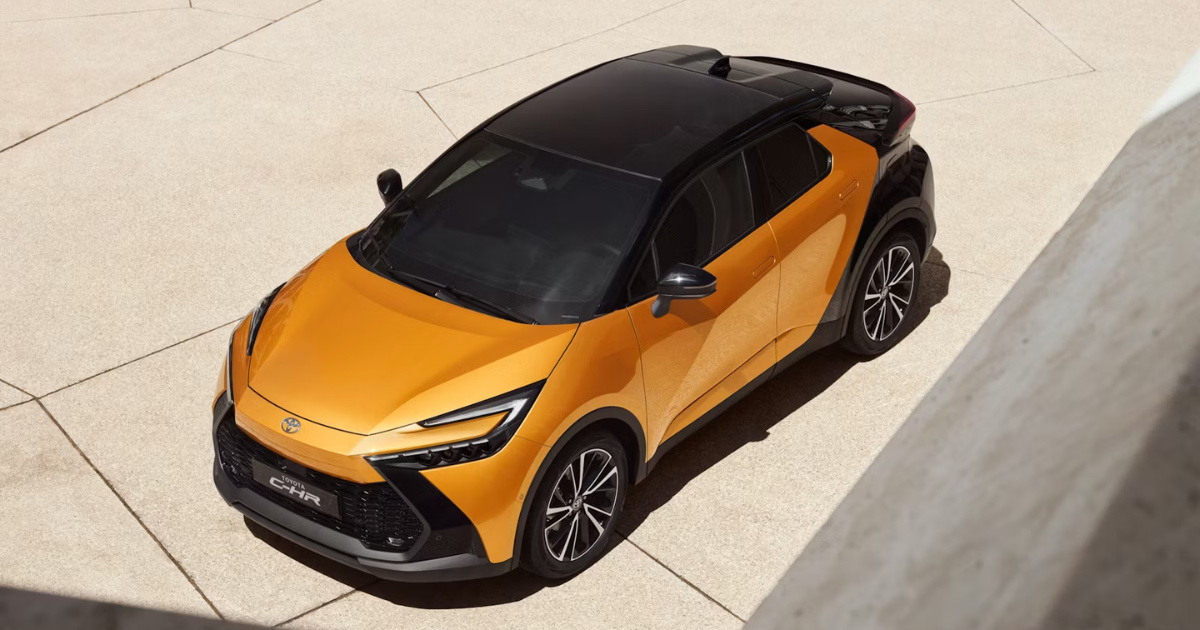
Visually, the C-HR+ adopts coupe lines in 4.3 meters of length, with pronounced shoulders and a high hood.
The front features LED headlights with integrated daytime running lights; at the rear, interconnected taillights and the spoiler highlight its dynamic vocation.
Compared to competitors like the EX30 and e-2008, the proposal is to balance bold aesthetics and urban functionality.
Minimalist Interior with Recycled Materials
Inside, the cabin prioritizes the essentials.
The finish uses recyclable materials, including PET fabric derived from bottles, to reinforce environmental commitments.
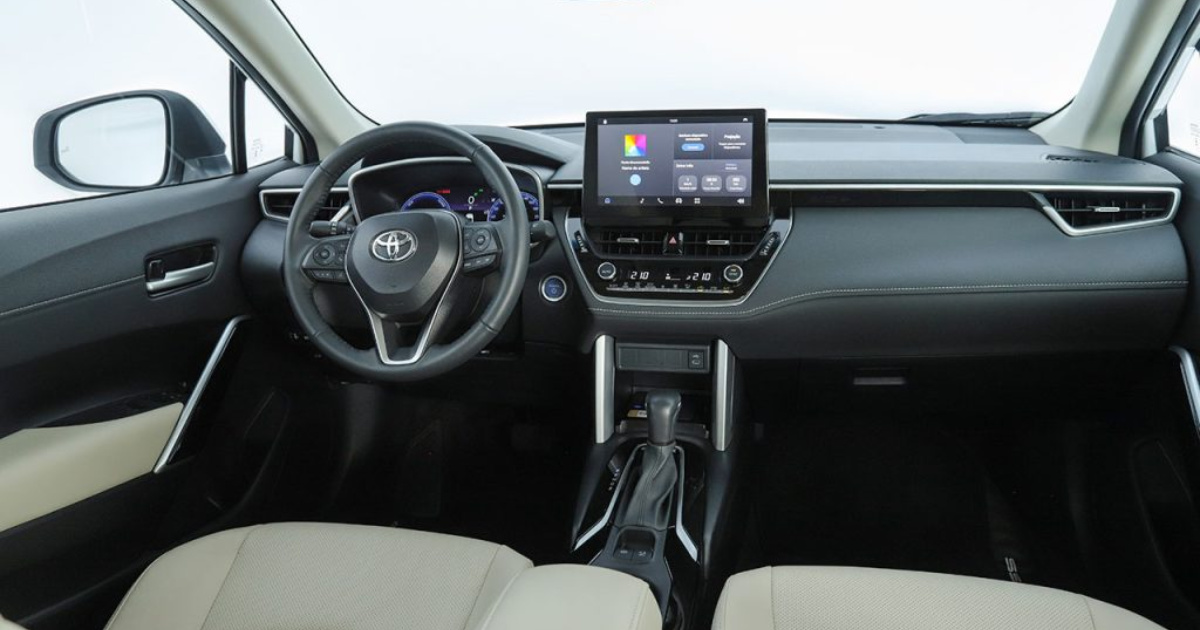
The 12.3-inch multimedia center consolidates controls and integrates voice features, as well as smartphone mirroring.
The digital instrument panel and the head-up display with augmented reality comprise a user-friendly and safety-oriented setup.
Urban and Sporty Performance
The range includes two engine options.
In front-wheel drive (FWD), it delivers 168 HP, suitable for daily commutes and optimized consumption.
The AWD option raises the level to 340 HP, accelerating from 0 to 100 km/h in under 5 seconds, a performance level close to sporty models in the segment.
The suspension is independent at all four wheels, and the regenerative brakes offer adjustable levels to recover energy during deceleration.
The Sport+ mode tightens the suspension calibration and makes the throttle response more immediate, favoring dynamic driving.
To maintain performance in cold climates, Toyota claims thermal optimization in the 91 kWh lithium-ion battery system.
Range and Fast Charging
In terms of efficiency, the C-HR+ offers up to 525 km in the EPA cycle and up to 600 km in the WLTP, figures that position it alongside the best in compact electric vehicles.
On highways or in heavy city use, the 150 kW fast charging promises to restore 10% to 80% in under 30 minutes, a boon for those alternating between short trips and longer commutes.
Arene Technology with Artificial Intelligence
The technology package highlights the Arene platform, a software system with artificial intelligence to personalize the onboard experience.
The 12.3” center accepts voice commands, integrates Google Assistant and Amazon Alexa, and receives over-the-air updates.
Included features are real-time traffic forecasting, automatic adjustments for urban routines, and remote control of compatible smart home devices.
The “smart vehicle” mode analyzes usage patterns to suggest routes and optimize energy efficiency.
In the safety and convenience package, the brand mentions an autonomous parking assistant activated by an app, along with configurable driving modes and dynamically adjustable interior lighting.
JBL Audio with Immersive Experience
For entertainment, the JBL system with spatial audio aims to deliver a wider sound stage and channel distribution with greater immersion.
The integration with the multimedia platform allows for fine-tuning of equalization, user profiles, and synchronization with compatible content.
This feature specifically targets audiences that value sound quality and connectivity.
Price in Europe and Direct Rivals
In Europe, Toyota is working with a range of € 39,000 for the FWD version and € 47,000 for the AWD.
These prices position the SUV to directly compete against Volvo EX30 and Kia EV5.
The package of range, performance, and embedded features also places the C-HR+ face-to-face with Smart #1 and Mercedes EQA, especially in the base versions of these models.
Prospects for Brazil
Toyota has not confirmed a launch in Brazil.
Nonetheless, the positive history of hybrids in the country, such as the Corolla Cross, opens room to consider future local production.
The charging infrastructure is evolving but still poses obstacles in various capitals and highway corridors.
Potential tax incentives and local production agreements could reduce costs and accelerate adoption.
Toyota’s Electric Strategy
The C-HR+ fits into the electrification strategy that gained traction after the leadership in hybrids.
With the e-TNGA and the bZ family, the automaker aims to expand its portfolio, reduce costs through scale, and incorporate remote updates and AI as competitive differentiators.
The adoption of recycled materials in the interior reinforces environmental commitments without sacrificing finishing standards.

Launch in 2026
The arrival of the C-HR+ in Europe in 2026 has the potential to expand Toyota’s presence in the compact electric segment.
If prices remain competitive and the technological offerings meet expectations, the model is likely to attract urban audiences prioritizing efficiency, connectivity, and sporty design.
It remains to be seen how the package will perform against direct competitors and whether the brand will decide to invest in Brazil through local production or targeted imports, a scenario that could redefine access to the product in the national market.
Considering this set of attributes and the promise of debuting in 2026, the C-HR+ 2026 could find a place among compact electric vehicles sold in Brazil, or would price and infrastructure still hinder adoption?