Portuguese
  Spanish




A 257-Meter Wind Tower Will Be Built in Ceará and Could Change the Standard for Renewable Energy in the Country. Understand How the Project Works and Why It Attracts So Much Attention.
Brazil may be on the brink of entering a new era of renewable energy. On the Ceará coast, a company plans to erect the tallest wind tower ever seen in the country.
The structure promises to capture stronger winds, generate more electricity, and at the same time, position the state in the spotlight of the global energy sector.
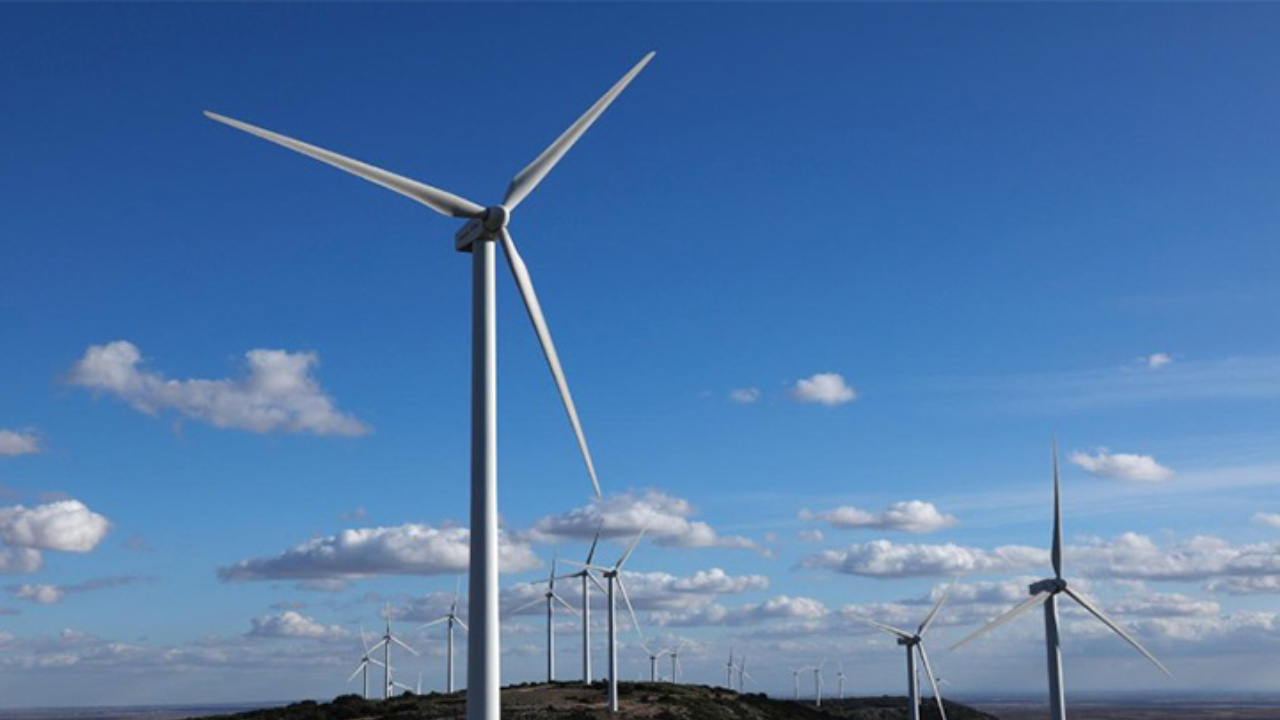
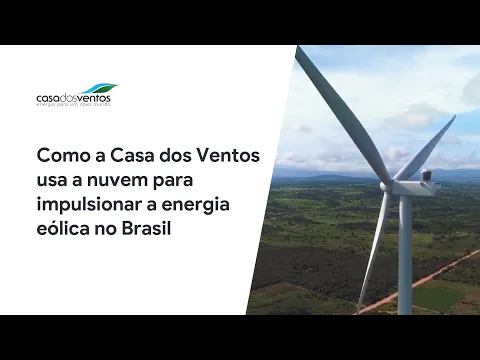
The initiative is from Casa dos Ventos, one of Brazil’s largest renewable energy companies. The project, dubbed Project Everest, includes the construction of a wind tower that will reach 257 meters from the ground to the tip of the blade — the equivalent of almost seven stacked Christ the Redeemer statues.
-
Billion-Dollar Winds Propel Wind Energy Growth in Brazil, Boosting Unprecedented Technical Workforce Development

-
Brazil filled the Northeast with wind turbines but now faces the side effect of 705 giant blades reaching the end of their lifespan by 2032 just in Rio Grande do Norte, while the world projects 43 million tons of waste by 2050.
-
Brazil has filled the Northeast with wind turbines, but now it faces the side effect of 705 giant blades reaching the end of their useful life by 2032 just in Rio Grande do Norte, while the world projects 43 million tons of waste by 2050.
-
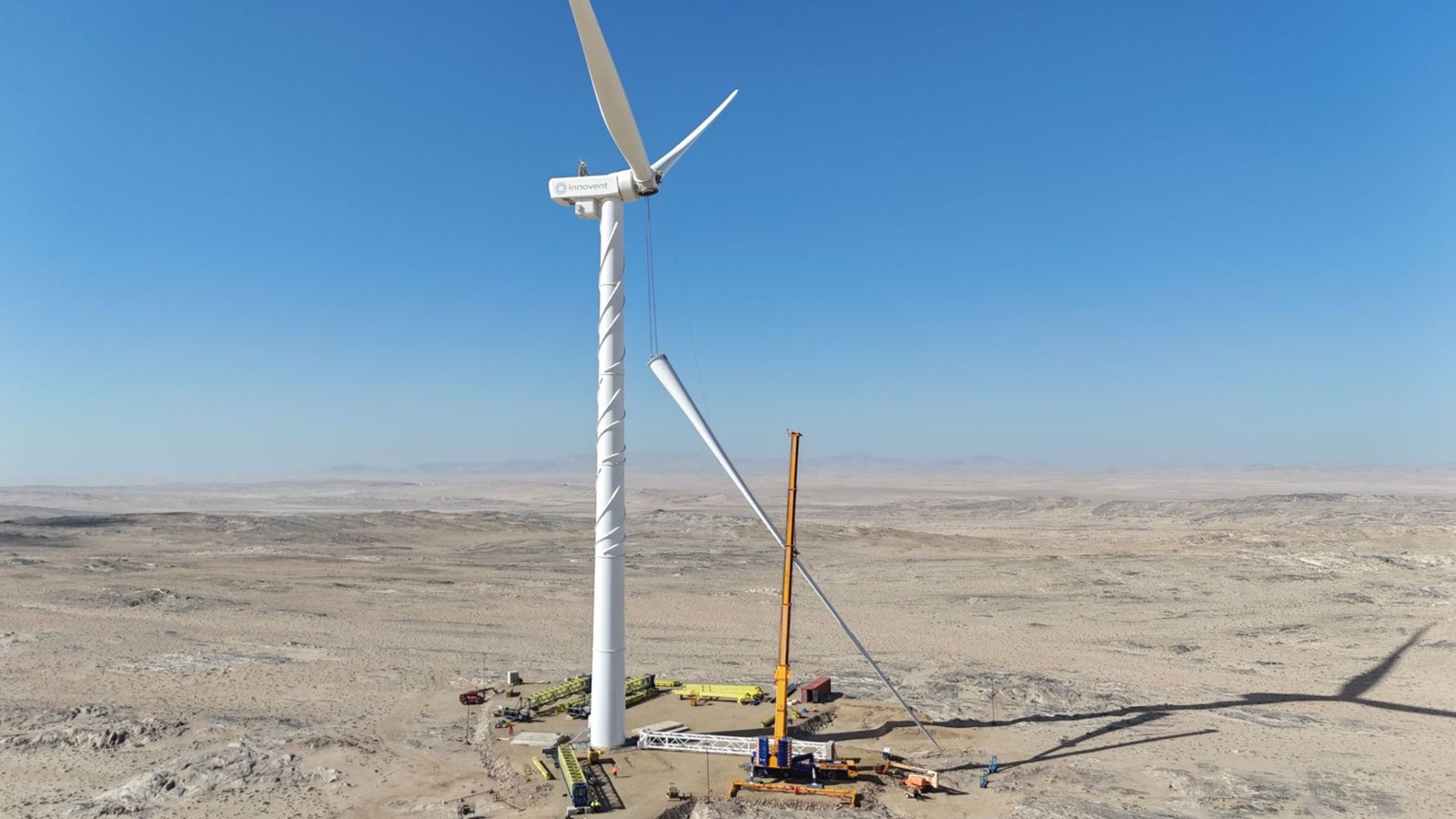
Wind farm in Namibia will have wind turbines assembled without giant cranes and is expected to avoid 200,000 tons of carbon dioxide per year when it becomes operational.


Where the Megatower Will Be Installed and When Construction Starts
According to exclusive information, the tower will be installed in the municipality of São Gonçalo do Amarante, in the Fortaleza Metropolitan Region. The area is strategic, as it houses part of the Ceará Export Processing Zone (ZPE), close to the Port of Pecém.
Construction is expected to start in the second half of 2027. By then, the company should complete engineering, licensing, and structural testing stages.
Currently, wind towers in Brazil range from 80 to 120 meters in height, according to data from the Ministry of Mines and Energy. The new structure will more than double this standard.
Excluding the blade, the tower will have a height of 166 meters. When combined with the length of the blades, the total reaches 257 meters. This difference is not just aesthetic. The taller the tower, the greater the chances of capturing stronger and more consistent winds, which increases energy generation capacity.

Thus, the wind tower will begin to access layers of the atmosphere where the wind is more stable, reducing variations and increasing system efficiency.
How a Wind Tower Works in Practice
The operation is simple yet highly technological. The blades are moved by the force of the wind. This rotation activates the turbines, which convert mechanical energy into electrical energy through a generator.
The more constant the wind, the more predictable the production will be. For this reason, taller towers represent a strategic advantage for the sector.

The prototype of the megatower will be developed in partnership with Goldwind, responsible for the turbines and generators, and with Cortez Engenharia, which will be in charge of construction.
The estimated cost of the wind tower is R$ 94.4 million. Part of the funding will come from an innovation fund from Finep, a public company linked to the Ministry of Science, Technology, and Innovations.
The expectation is that the project will serve as a model for a new generation of wind towers in Brazil.
Unprecedented Technology Reduces Costs and Eliminates Giant Cranes
The megatower will be built with self-lifting precast concrete. This system allows the structure to “rise” during assembly, eliminating the need for large cranes — equipment that does not exist in Brazil for heights exceeding 135 meters.
The tower will be pre-assembled in two semi-towers of approximately 80 meters each. After lifting, they will be joined with tensioning cables. Subsequently, the internal spaces will receive grout, a high-strength mortar that ensures the stability of the structure.
São Gonçalo do Amarante is also linked to another billion-dollar project: the construction of a complex of five data centers by the Chinese giant ByteDance, the parent company of TikTok, in a nearby area, in the municipality of Caucaia.
The planned investment exceeds R$ 580 billion. For the project to be approved, the federal government required that the data centers use renewable energy.
Casa dos Ventos is also involved in this plan, being responsible for developing clean energy parks to supply the complex.
However, the company clarified that the wind tower of Project Everest is not part of the data center, as the main goal is to test the technical and economic feasibility of this new technology.
For you, what are the main benefits and drawbacks involved in constructing a project of this scale?