Portuguese
  Spanish



Hiring Biodiesel Plants Concerns Importers and May Directly Impact Drivers’ Wallets
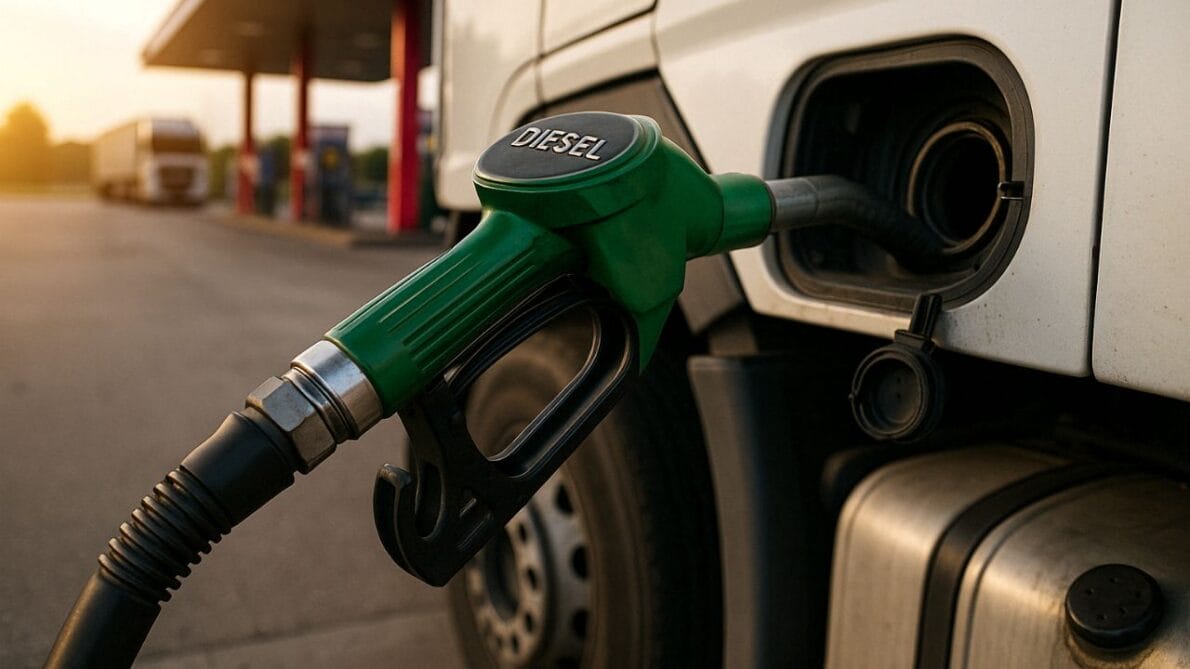
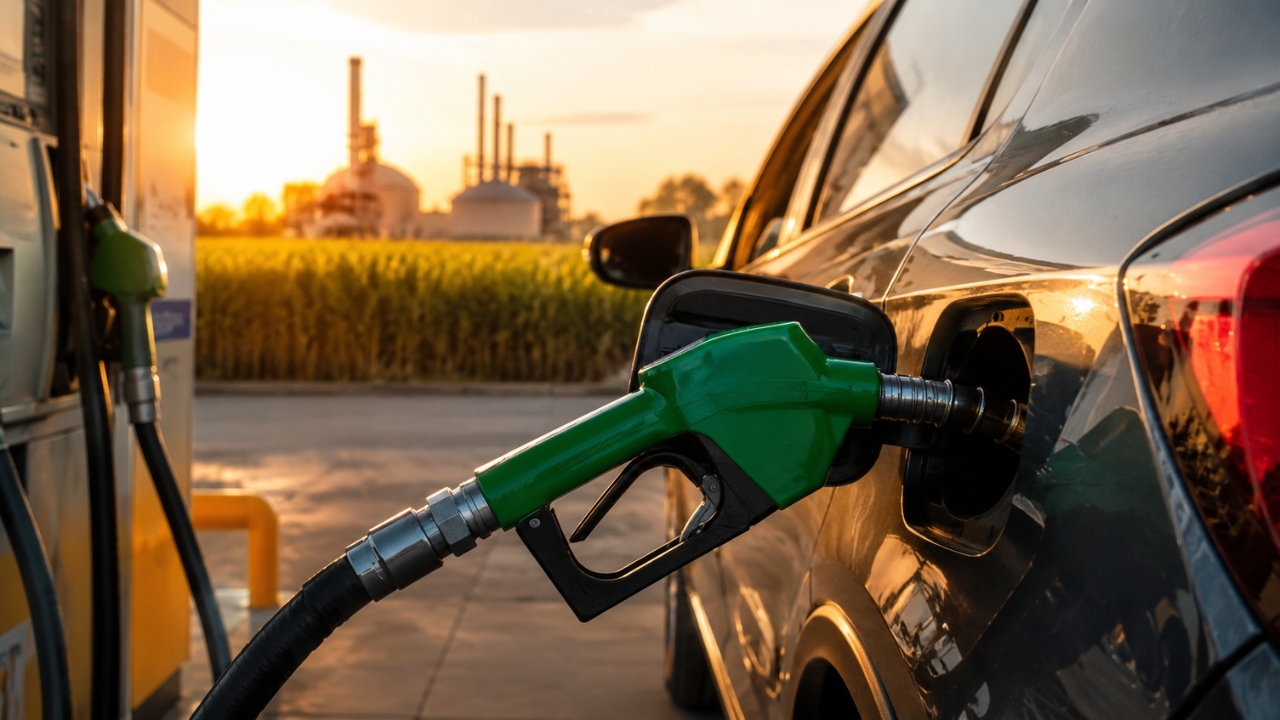
The new round of the Capacity Reservation Auction (LRCAP), promoted by the Ministry of Mines and Energy, lit a warning signal in the fuel sector. The Brazilian Association of Fuel Importers (Abicom) fears that the increase in demand for biodiesel to supply thermoelectric plants will lead to a rise in diesel prices at gas stations. Since Brazil prohibits the importation of biodiesel, this scenario could directly affect the end consumer.
Thermoelectric Plants Contracted with Biodiesel Concern the Sector
The federal government opened a new phase of the Auction for Capacity Reservation with the aim of ensuring energy security for the country, especially during peak demand periods. However, the inclusion of thermoelectric plants powered by biodiesel has raised concerns among fuel sector players. According to Abicom, this measure could put strong pressure on the market, given that domestically produced biodiesel is close to its production limit.
According to the portal Eixos, Abicom warned that the hiring of these plants, even with good intentions, may worsen the supply of diesel in Brazil, as the country does not allow the import of biodiesel. As a result, domestic production would have to cover the road transport market and now also the energy sector, which is not considered viable in the short term.
-
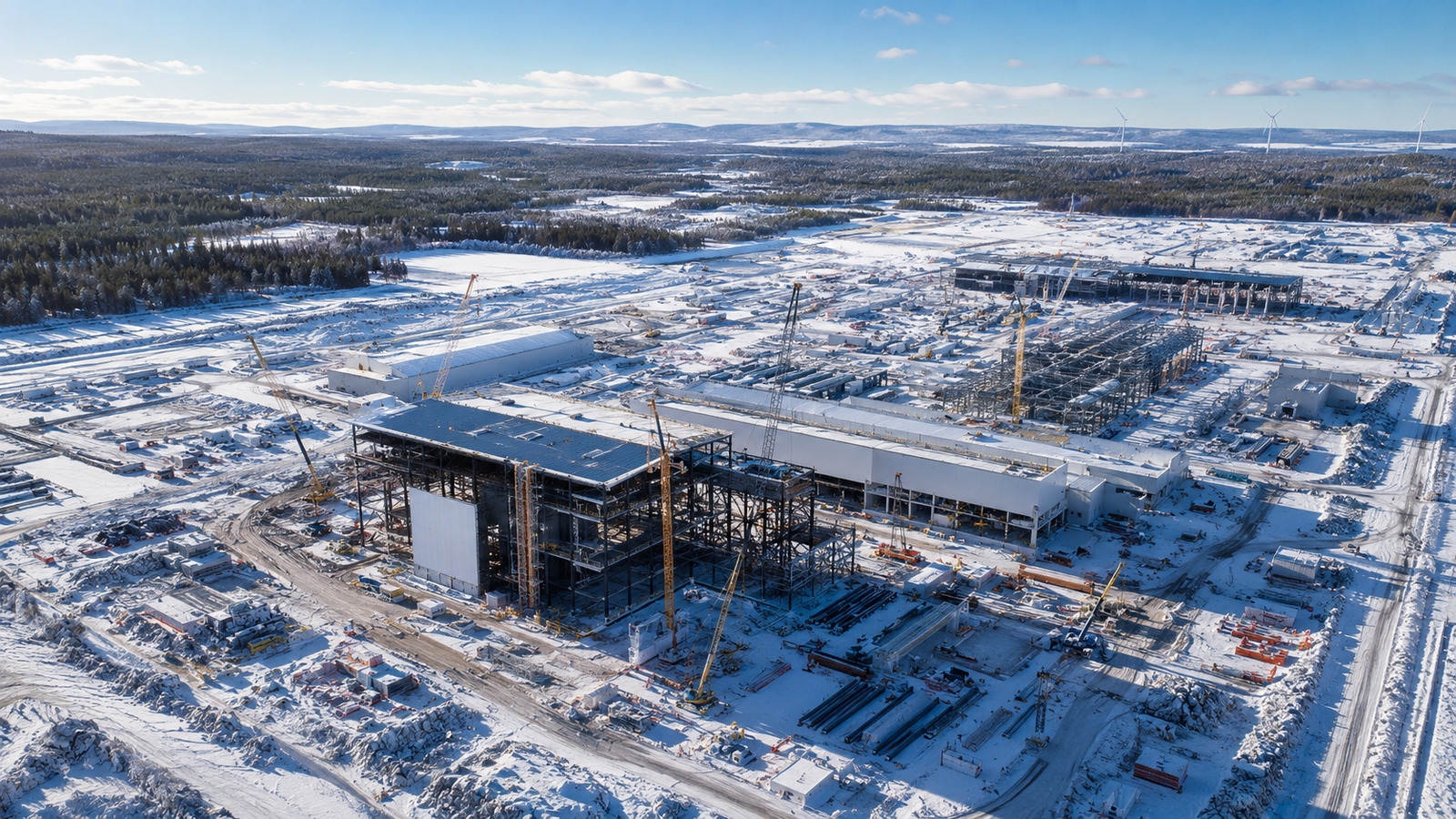
US$ 7 billion, green hydrogen, and steel with up to 95% less CO₂: the first green steel plant on the planet emerges in Sweden and targets Brazil as the next chapter

-
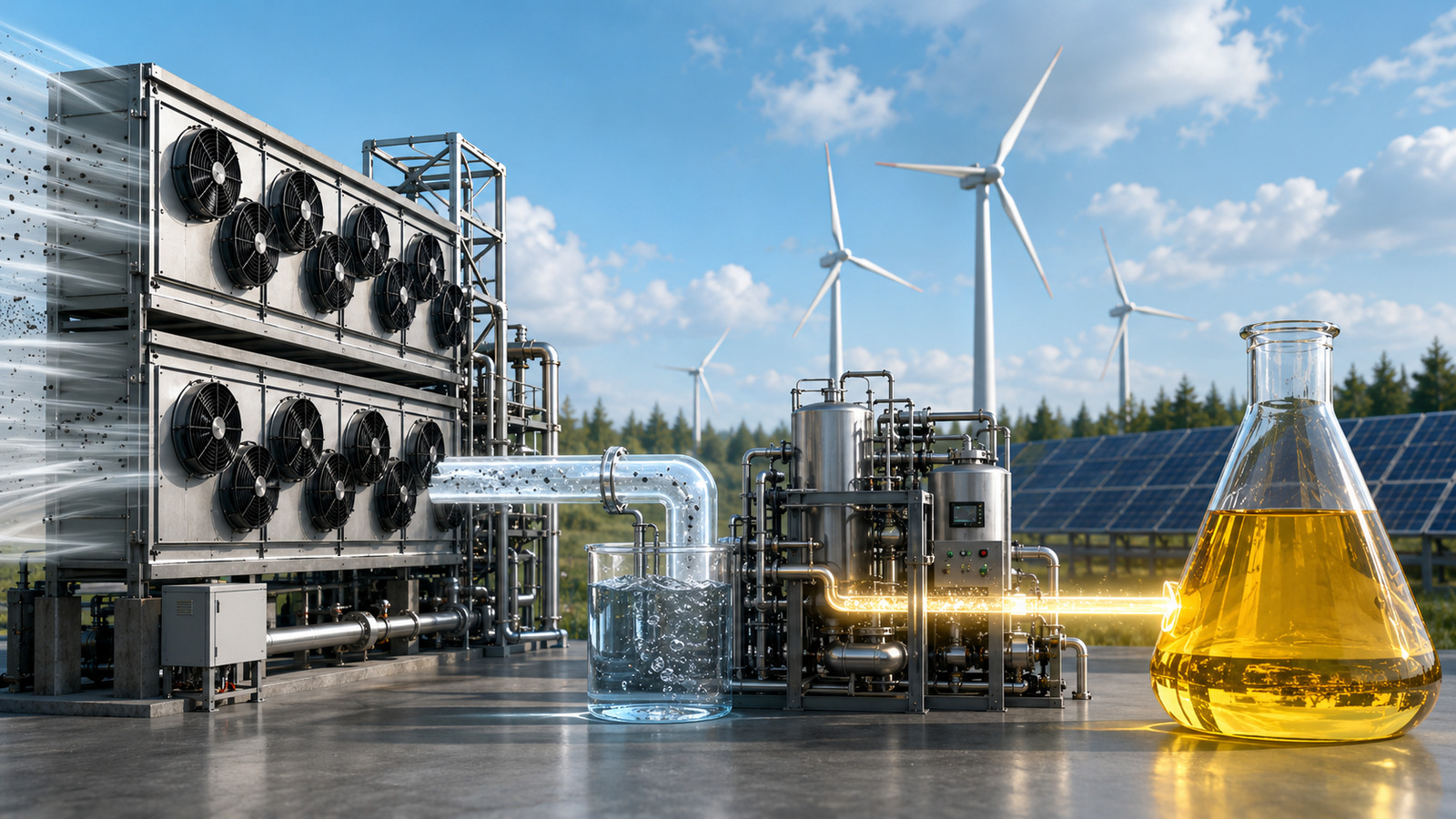
Swedes manage to create synthetic fuel with CO₂, water, and renewable energy, compatible with current engines, but face a huge problem: the energy expenditure is still double the return.
-
Brazil begins to transform wheat, residues, sweet potatoes, and soy molasses into ethanol, in a new phase of biofuels that seeks to utilize leftovers from the field and industry to fuel flex-fuel cars.

-
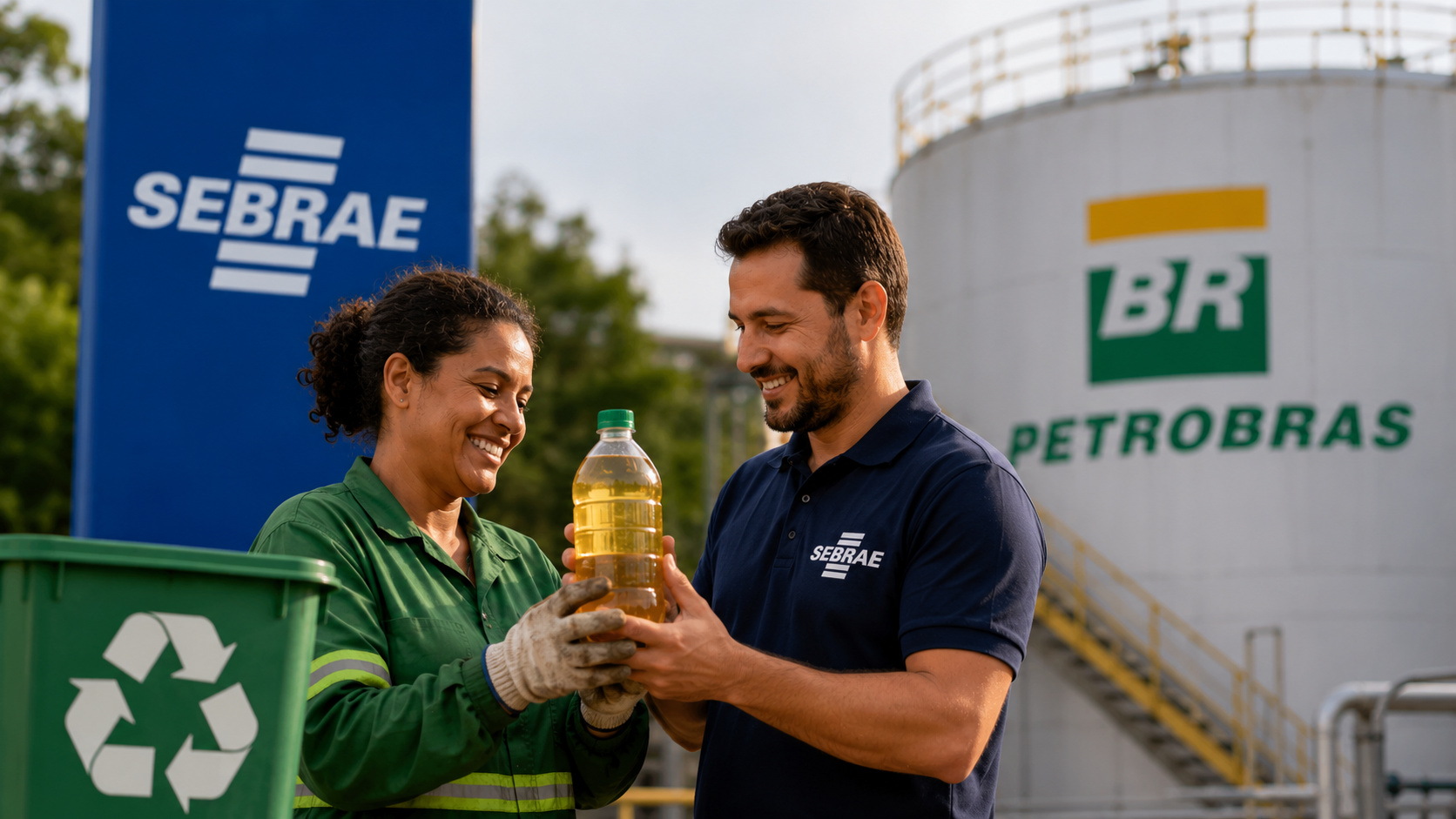
Sebrae and Petrobras join forces in Ceará to include waste pickers in the circular economy and strengthen the biofuel chain, creating new income opportunities and expanding the sustainable use of waste with a direct impact on regional development.

Logistics and Limits of Domestic Production Increase Risks
Currently, biodiesel plants are concentrated in the Central-West and Southern regions of Brazil, while the highest consumption occurs in other locations. This logistical mismatch is an additional concern, as the transportation and storage of biodiesel require specific care, the product easily oxidizes and has low stability, which limits its storage time.
In addition, as highlighted by Abicom in their coverage of Eixos Energia, the infrastructure of the plants may be insufficient to meet all demand if the use of biodiesel is intensified due to the auction requirements. The mandatory blending of biodiesel with fossil diesel, currently at 14% and set to increase to 15% in April, would already pressure production to about 91% of installed capacity, even without considering the additional demand from the energy sector.
Direct Impact on the Consumer and Expected Measures
With the increased competition for the same input, experts point out that diesel prices tend to rise, which may have an immediate impact on cargo transportation and, consequently, on the entire logistics chain in the country. Abicom suggests that the government consider the possibility of importing biodiesel as an emergency measure to balance supply and demand, preventing prices from spiraling out of control.
The proposal to incentivize renewable energies is welcome, but it needs to be accompanied by detailed planning regarding infrastructure and supply. The expectation is that new technical discussions between sector representatives and the Ministry of Mines and Energy will occur in the coming days, aiming to find a balance between energy sustainability and economic viability.