Portuguese
  Spanish


New Volkswagen Pickup To Be Produced In Paraná And Promises To Combine Performance, Technology And Style To Replace The Veteran Saveiro In The Brazilian Market.
The Volkswagen Udara Will Be The Next Major Launch Of The Brand In Brazil And Promises To Stir Up The Competitive Mid-size Pickup Market. Expected To Arrive In Mid-2026, The Model Emerges As The Successor To The Veteran Saveiro And Directly Targets Established Rivals Such As The Fiat Toro And The Chevrolet Montana, In Addition To The Upcoming Renault Niagara.
The Pickup Is Being Developed On The MQB A0 Platform, The Same One Used By Polo, Virtus, Nivus, T-Cross, And The Recently Announced Tera.
The Choice Of This Base Allows For Reduced Costs And Shortened Production Times, In Addition To Enabling A Monocoque Architecture Aimed At Both Light Work And Urban Use.
-
Chevrolet Unveils Onix Log 2027: A Hatchback Without Rear Seats, Featuring 1.0 Engine and 1,045 Liters of Cargo Space, Perfect for Businesses and Delivery Workers

-
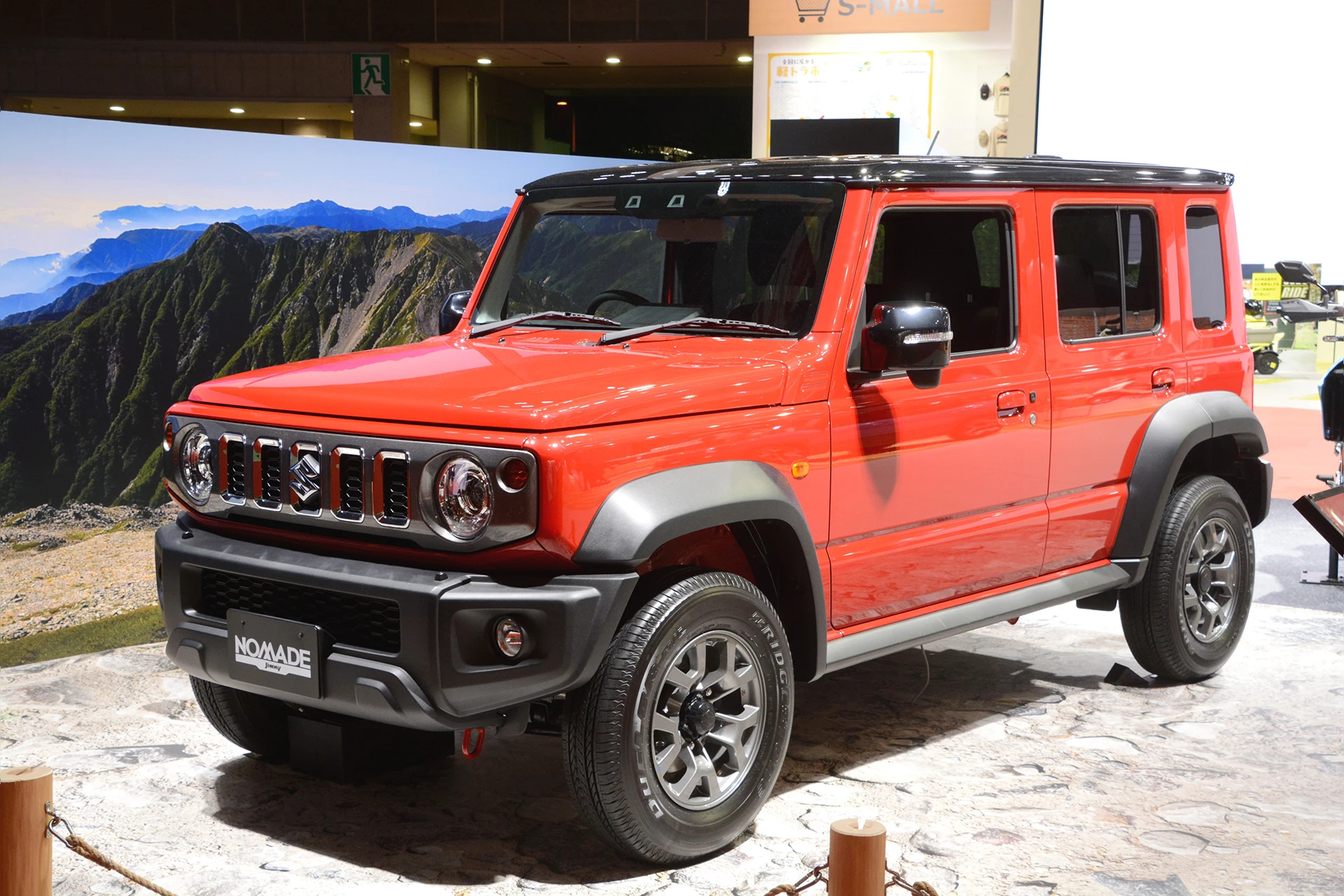
Suzuki Jimny Nomade 5-Door: A Rugged Family SUV with 1.5L Engine and 4WD, Priced Around $18,000 in Brazil

-
Suzuki XL6: Affordable Premium Minivan in India Offers Seating for Six, Hybrid Engine, and Impressive Fuel Efficiency

-
Banco do Brasil and Uber Launch Cashback Program Offering Up to 3.5 Loan Installments Back, Drivers Gain Access to New Cars Worth Up to $30,000 Through Move Brasil Initiative




Dimensions And Positioning To Face Rivals
According To Volkswagen, The Udara Will Be About 4.75 Meters Long And 2.80 M In Wheelbase — Measurements Close To Those Of The Montana And Lower Than Those Of The Toro.
Despite Its Mid-size, It Is Expected To Have Narrower Track Widths And A Width Of Around 1.76 M, As It Uses Front Components From The T-Cross.
The Model Will Feature Rear Suspension With A Rigid Axle And Semi-Elliptical Springs, Similar To The Fiat Strada. This Indicates That The Brand Aims To Deliver Robustness And Load Capacity In The Entry Versions, Without Losing The Comfort Necessary For The Audience Seeking A Personal Vehicle.
Prices, Engine, And National Production
Volkswagen Aims To Position The Udara Between R$ 120 Thousand And R$ 180 Thousand, A Range That Will Put It Face To Face With The More Affordable Versions Of The Toro And The Upcoming Niagara.
This Strategy Aims To Attract Individual Consumers Looking For Versatility, Yet Still Needing Bed Space And Capability For Work.
The Mechanical Set Is Expected To Be The New 1.5 TSI Evo2 Flex Engine With 150 Hp And 25.5 Kgfm, Combined With An Eight-Speed Automatic Transmission And Possibly A 48-Volt Mild Hybrid System. With This, The Udara Could Become The First Electrified Vehicle By Volkswagen Produced In Brazil.
Manufacturing Will Take Place In São José Dos Pinhais (PR), Alongside The T-Cross And Virtus, Within A R$ 3 Billion Investment Planned For The Paraná Complex. This Initiative Is Part Of A R$ 20 Billion Cycle And 17 New Products That The Automaker Will Launch In The Country By 2028.
Replacement Of The Saveiro And New Role In The Portfolio
The Udara Arrives To Fill The Gap Left By The Saveiro, Which Will No Longer Be Produced After Years Of Good Results.
With The New Pickup, Volkswagen Aims To Maintain Its Presence In The Entry Market While Also Advancing In The Lucrative Mid-size Pickup Segment.
According To Thomas Schäfer, The Brand’s Global CEO, Brazil Has A Unique Market For Pickup Trucks And Demands A Product That Combines Practicality And Style. The Udara Emerges Precisely To Meet This Demand, Positioning Volkswagen To Compete In One Of The Most Promising Niches Of The National Automotive Sector.