Portuguese
  Spanish



Company Initiative Has Reused More Than 10 Thousand Tons of Waste and Strengthens the Bioeconomy in the Amazon Region
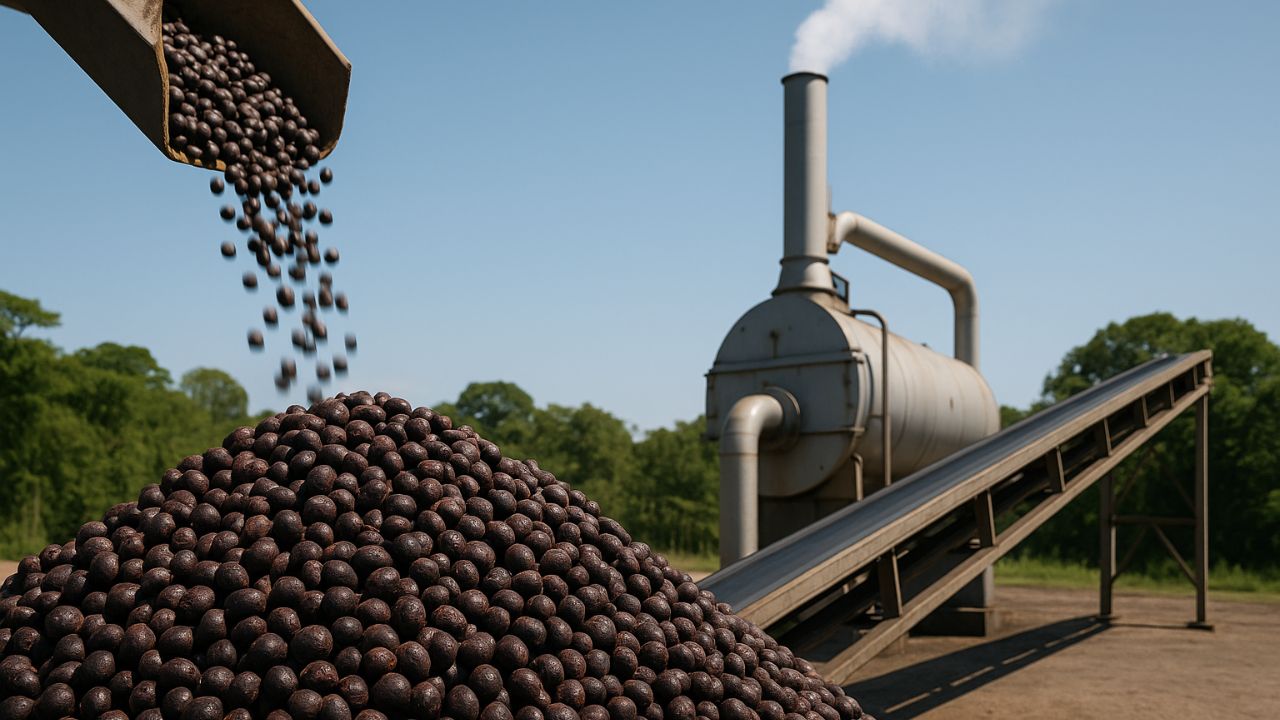
Solar Coca-Cola has taken a bold step toward sustainability by transforming açai pits, which were previously discarded as waste, into biomass for renewable energy generation at its industrial units in Pará. The project has reused more than 10 thousand tons of waste since 2020.
Renewable Energy from Açai Pits
The innovative initiative by Solar Coca-Cola in the state of Pará has generated real impacts on the use of renewable energy within the industry. The company, which operates two factories in the region, uses açai pits as biomass to fuel its industrial boilers. According to a report from Exame, more than 10 thousand tons of this waste have been reused since the project began in 2020, replacing the use of wood and natural gas. In 2024 alone, more than 2,040 tons of pits were recovered, which would otherwise have been discarded as urban waste in the Metropolitan Region of Belém.
Sustainability, Renewable Energy, and Social Inclusion in the Same Project
In addition to environmental benefits, the project has a strong social component. Since 2021, the company has started purchasing açai pits from local suppliers, creating a new source of income for small producers, collectors, and cooperatives. According to Luciano de Oliveira Gomes, regional director of Solar Coca-Cola, this action has generated jobs, boosted the regional economy, and expanded the network for valuing organic waste. This approach combines technological innovation with social justice, enhancing the role of renewable energy as a driver of economic transformation.
-
Brazilian scientists are simultaneously advancing two research projects on clean hydrogen and driving solutions that could transform the energy matrix, enhance industrial competitiveness, and accelerate large-scale emission reduction targets.

-
Advancement in renewable energy: A R$ 150 million project launched by Petrobras and Finep aims to create state-of-the-art electrolyzers for green hydrogen, strengthening national research and preparing Brazil to compete in a billion-dollar energy market.
-
Illiterate or semi-literate grandmothers were trained to repair solar systems, open rural workshops, and light up homes that still depended on kerosene.
-
The world has bet on green hydrogen as the fuel of the future, but now faces the side effect: producing 1 kilogram requires about 9 liters of ultrapure water, and the largest projects on the planet are precisely in the driest regions of the Earth, where water is already scarce for people.





Renewable Energy and Environmental Certifications
The company’s units in Pará also stand out for adopting nationally recognized practices focused on sustainability and the use of renewable energy. The factories have certifications such as Zero Waste, AWS (for water management), and ISO 50001 (focused on energy management). In 2023, Solar Coca-Cola received a nationally significant award for its environmental performance and for boosting the bioeconomy in the Amazon region. With over 1,300 direct jobs created in the state, the company demonstrates that it is possible to reconcile industrial production with ecological responsibility.
Recycle Solar Expands Sustainable Impact in Pará
In 2024, the company launched the Recycle Solar program, aimed at strengthening recycling cooperatives in the state. The idea is to promote integration between waste gatherers and cooperatives, ensuring better working conditions for collectors and expanding the reuse of materials, including for renewable energy use. This action complements the use of açai pits as biomass, creating a sustainable chain and strengthening the circular economy.