






 Portuguese
  Spanish


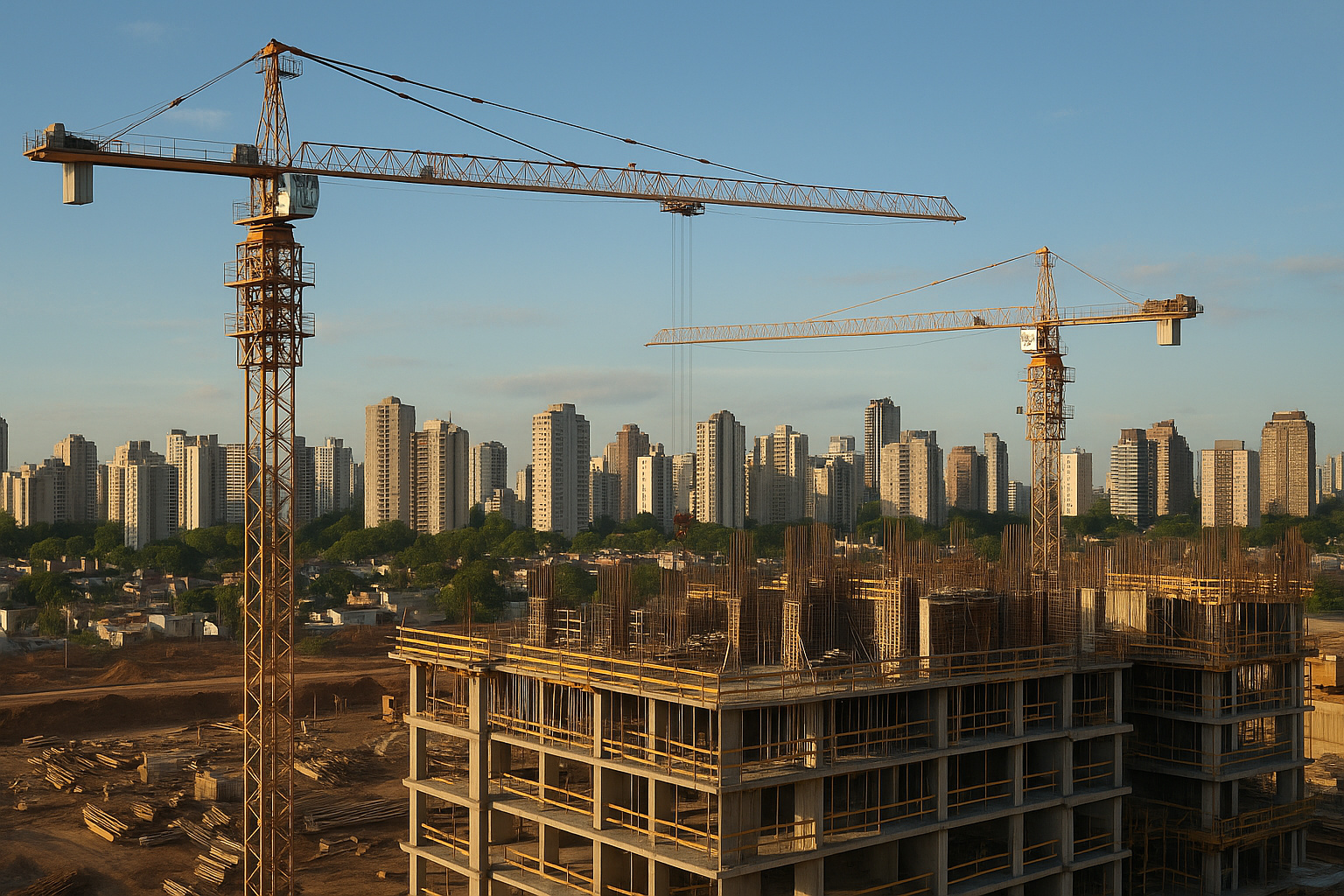
Discover How the Main Construction Companies in Brazil Shape the Country, Boost the Real Estate Sector, and Stand Out for Their Innovation, Quality, and Influence on Urban Life.
Before anything else, understanding who the main construction companies in Brazil are is essential for anyone looking to operate in the construction sector, invest in real estate, or simply follow the urban and economic development of the country.
Indeed, large construction companies directly influence the growth of cities, create jobs, expand infrastructure, and impact the cost of living in the regions where they operate.
Therefore, in this guide, you will get to know this universe better, with a simple and direct approach, also exploring historical and semantic aspects that contextualize this market.
-
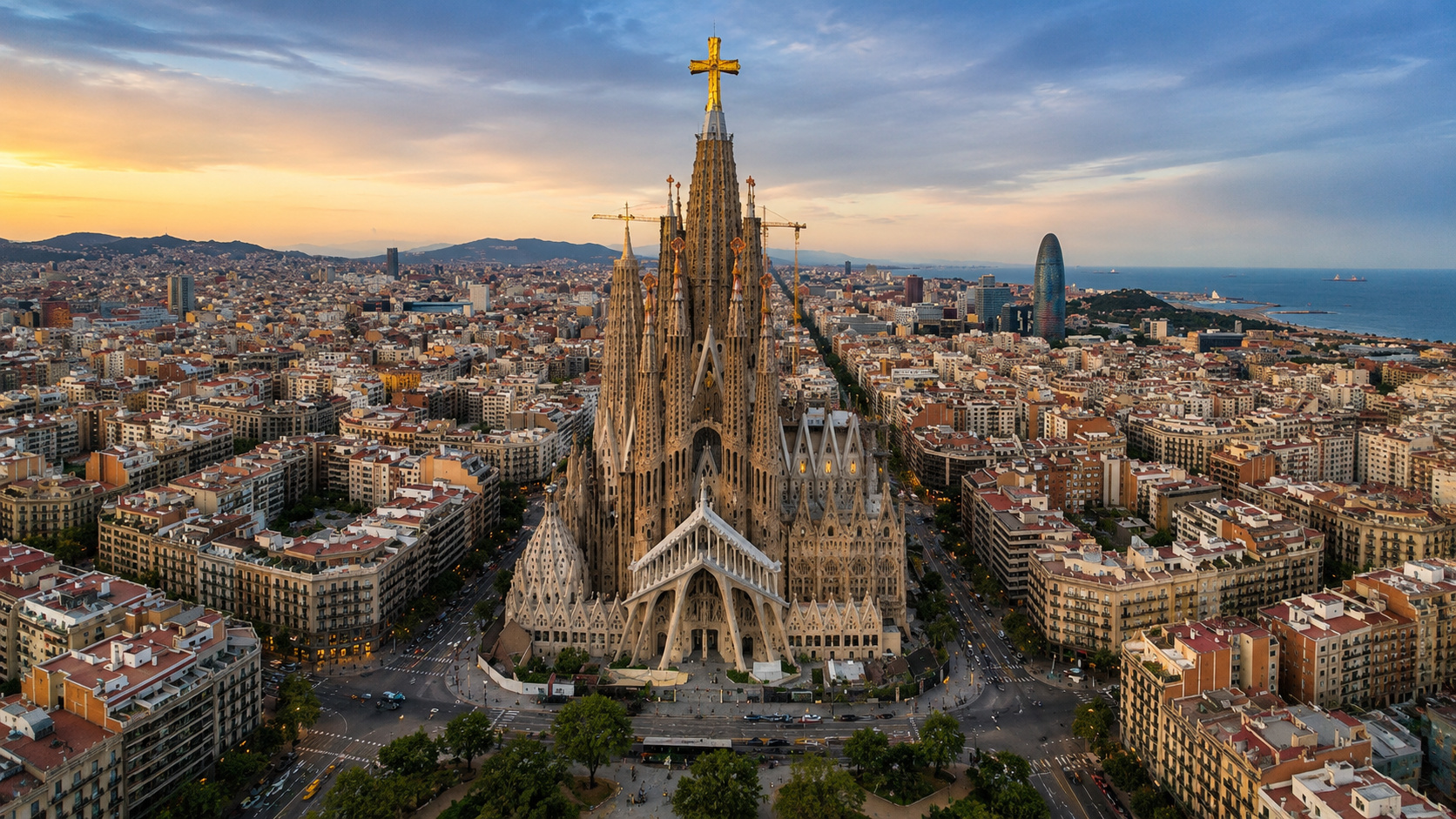
Sagrada Família Becomes World’s Tallest Church at 172.5 Meters, Surpassing German Church with Gaudí’s Design

-
Inspired by São Paulo’s Vila Reencontro, Rio Grande do Sul invests $8 million to provide 18 m² micro-homes for homeless families in four cities, offering amenities and up to two years of housing.

-
Brazil’s Piauí State Invests Over $2 Million in Road Restoration and Urban Asphalt Projects
-
Affordable Rainwater Harvesting: Simple PVC System Collects Up to 5,000 Liters for Under $100, Offering a Cost-Effective Alternative to Expensive Installations



Additionally, the construction sector employs millions of Brazilians and serves as a barometer of the economy.
According to the Brazilian Institute of Geography and Statistics (IBGE), the sector accounted for about 7% of the Brazilian Gross Domestic Product (GDP) in 2022, highlighting its importance for the country’s growth.
When construction companies invest, whether in infrastructure or real estate, they move the entire production chain: from raw material extraction to local commerce.
Therefore, understanding the main construction companies in Brazil helps to comprehend the pace of growth and development of Brazilian cities.
The Origin of Major Brazilian Construction Companies
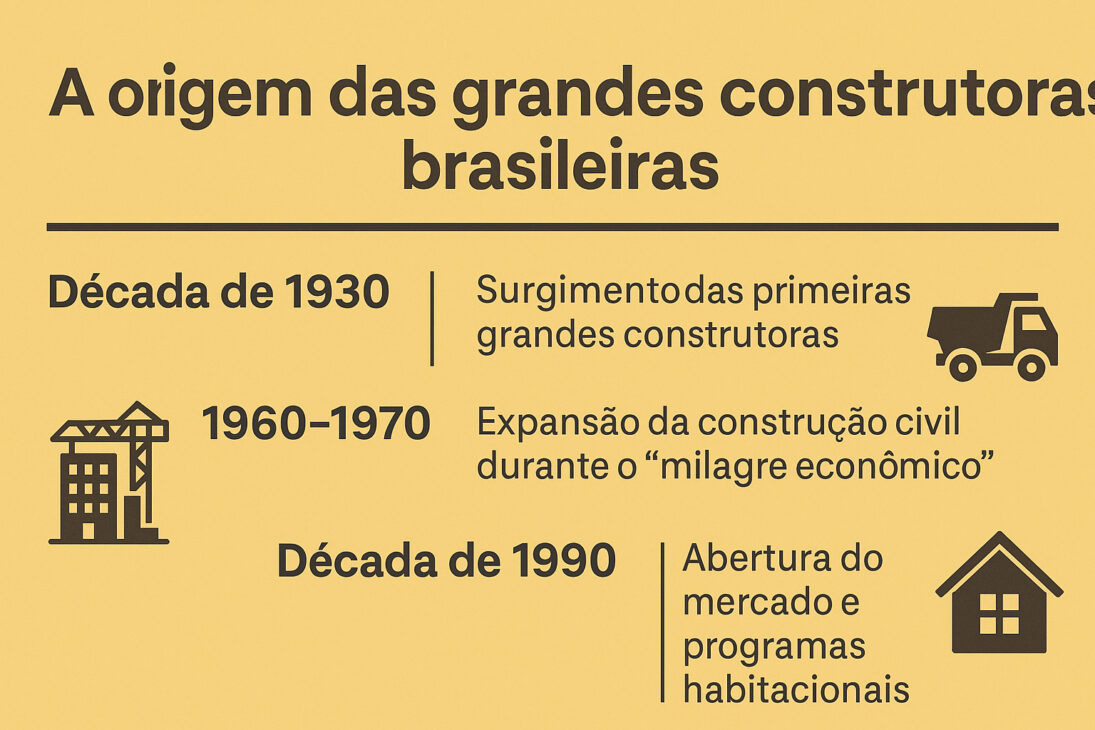
Historically, the first major Brazilian construction companies emerged during the country’s industrialization period, starting in the 1930s.
As reported by the Institute of Engineering, the government of Getúlio Vargas, through public policies of the Vargas Era,
boosted the demand for large infrastructure works, such as roads, railways, and public buildings.
It was in this scenario that the first large construction companies began to consolidate, seeking to meet the needs of a country undergoing modernization.
Later, during the Brazilian “economic miracle,” between the 1960s and 1970s, the construction sector underwent a period of expansion.
According to data from the Central Bank, Brazil’s GDP grew on average over 10% per year, which stimulated massive investments in public and private works.
During this period, companies like Odebrecht, Andrade Gutierrez, Camargo Corrêa, and Queiroz Galvão strengthened and took part in iconic projects such as the construction of the Itaipu Hydroelectric Plant and several highways.
Moreover, the rapid development of cities and industrialization created a growing demand for housing, with family-owned construction companies growing and gaining space in the national market, according to the Getúlio Vargas Foundation (FGV).
The Transformation Within the Real Estate Sector
In the 1990s, the economic landscape changed with the opening of the Brazilian market, which allowed for greater entry of foreign investors and a new orientation for the real estate sector.
According to the Ministry of Regional Development, government housing programs, such as:
Minha Casa, Minha Vida — launched in 2009 — were crucial to stimulate the construction of popular housing on a large scale.
Consequently, construction companies such as MRV Engenharia, Cyrela, Tenda, and Direcional expanded their operations to meet this growing demand.
In the 2000s, the real estate sector experienced a boom, with an increase in real estate credit and a reduction in interest rates.
Factors mentioned by the Caixa Econômica Federal as decisive for market growth.
Furthermore, vertical development in large and medium cities became a notable trend, driven by the scarcity of land and the quest for greater urban density.
This led construction companies to invest in new technologies and processes to ensure quality and agility in delivering developments.
The Main Construction Companies in Brazil Today
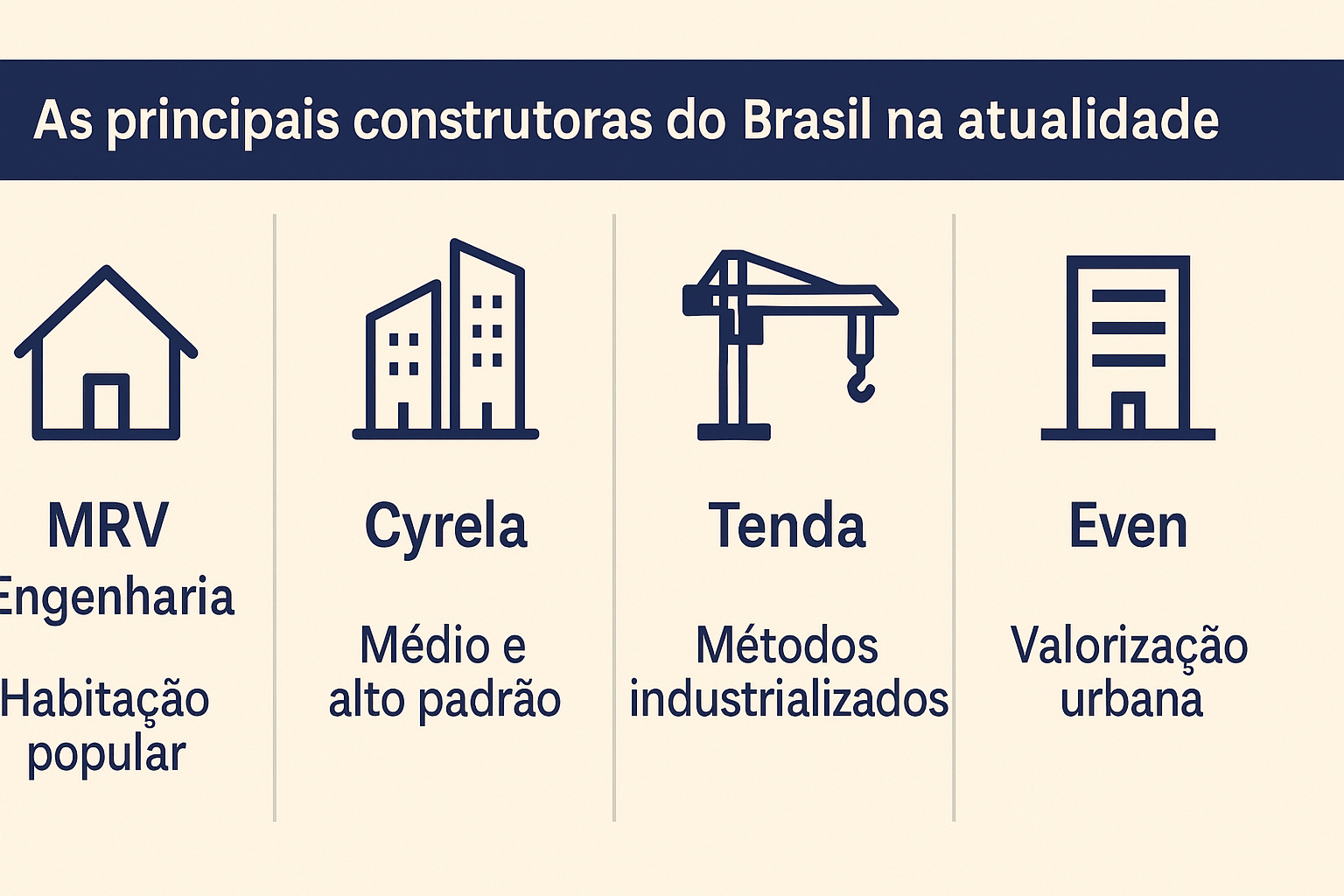
Currently, Brazil is home to construction companies that stand out both for the number of developments and for their financial solidity and technological innovation.
For example, MRV Engenharia, recognized by its company website as the largest residential construction company in Latin America.
It focuses on popular housing and utilizes standardization to deliver properties at reduced costs.
Cyrela, founded in the 1960s, primarily operates in the medium and high-end segments, with a strong presence in capitals and sophisticated projects, as highlighted on its official website.
Tenda is another prominent company, betting on the entry-level market and investing in industrialized construction methods to reduce costs, according to reports from the Brazilian Association of Real Estate Developers (ABRAINC).
In addition to these, Even, Eztec, and Trisul appear as important construction companies, focusing on specific niches and urban enhancement.
Another important aspect is the growth of mixed-use projects, which combine residences, commerce, and leisure in the same space.
Promoting greater convenience and economic dynamism, as per analysis by the Union of the Construction Industry of the State of São Paulo (SindusCon-SP).
The Role of Construction Companies in Urban Transformation
Brazilian construction companies have a decisive influence on the transformation of cities.
When a large company invests in a neighborhood or region, it generally stimulates local commerce, improves urban mobility, and attracts new residents.
Additionally, many construction companies engage in heavy infrastructure works, such as hospitals, schools, and basic sanitation, as highlighted by the Institute of Applied Economic Research (IPEA).
This multidisciplinary work amplifies the social impact of construction companies, creating direct and indirect jobs during the construction phases and also after the completion of the works.
Thus, they contribute to regional development and the improvement of quality of life.
Innovation and Sustainability in Construction
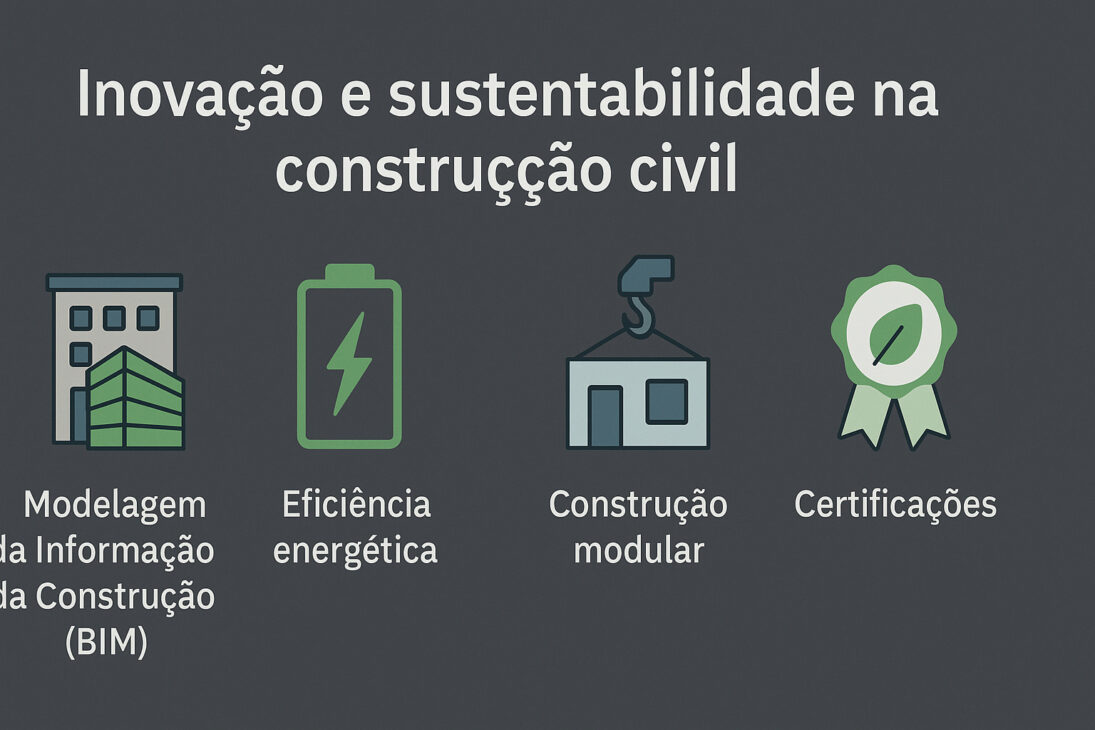
In recent years, sustainability has gained relevance in the construction sector.
According to the Green Building Council Brazil, construction companies such as Tecnisa and Gafisa invest in projects certified by systems like LEED and AQUA, which guarantee energy efficiency and responsible resource use.
Additionally, the adoption of technologies such as Building Information Modeling (BIM), augmented reality, and modular construction has become increasingly common.
These innovations optimize planning, reduce errors, and increase cost and timeline accuracy, according to publications from the Brazilian Association of Technical Standards (ABNT).
Other technologies, like prefabricated construction and the use of drones for monitoring, promise to accelerate and make the sector more sustainable.
Challenges Faced by Brazilian Construction Companies
Despite the advancements, Brazilian construction companies face complex challenges.
According to the National Confederation of Industry (CNI), excessive bureaucracy for project approvals, rising input prices, and a shortage of skilled labor are obstacles that hinder growth.
Additionally, the Operation Car Wash exposed illicit practices in large construction companies, resulting in restructuring and loss of public contracts, as reported by the Federal Court of Accounts (TCU).
In light of this, many companies are adopting new management models focused on governance and transparency, seeking to strengthen their operations in the private market.
Another important challenge is the need to adapt to climate change, which requires safer constructions against floods and landslides, according to a warning from the Ministry of the Environment.
Why Know the Main Construction Companies in Brazil?
Knowing the main Brazilian construction companies is fundamental for those who intend to invest in the real estate market safely.
Established companies deliver developments with higher quality, lower risk of delays, and greater appreciation potential.
For engineering and architecture professionals, following the trends of major construction companies signals career opportunities and expanding areas.
Students and researchers also benefit by understanding the historical and economic role of these companies in urban and social development in Brazil.
Furthermore, consumers gain confidence when choosing properties built by companies with consolidated reputations and transparency, avoiding future problems.
Mastering the universe of Brazil’s main construction companies goes beyond knowing names:
It is about understanding how these companies shape the urban landscape, influence public policies, and transform the lives of millions of Brazilians.
From the founding of the first construction companies in the 20th century to current technological innovations and sustainable practices, this sector remains one of the pillars of national growth.
Therefore, for those who wish to stand out or make informed decisions in this market, in-depth knowledge is the first step.






Be the first to react!