






 Portuguese
  Spanish


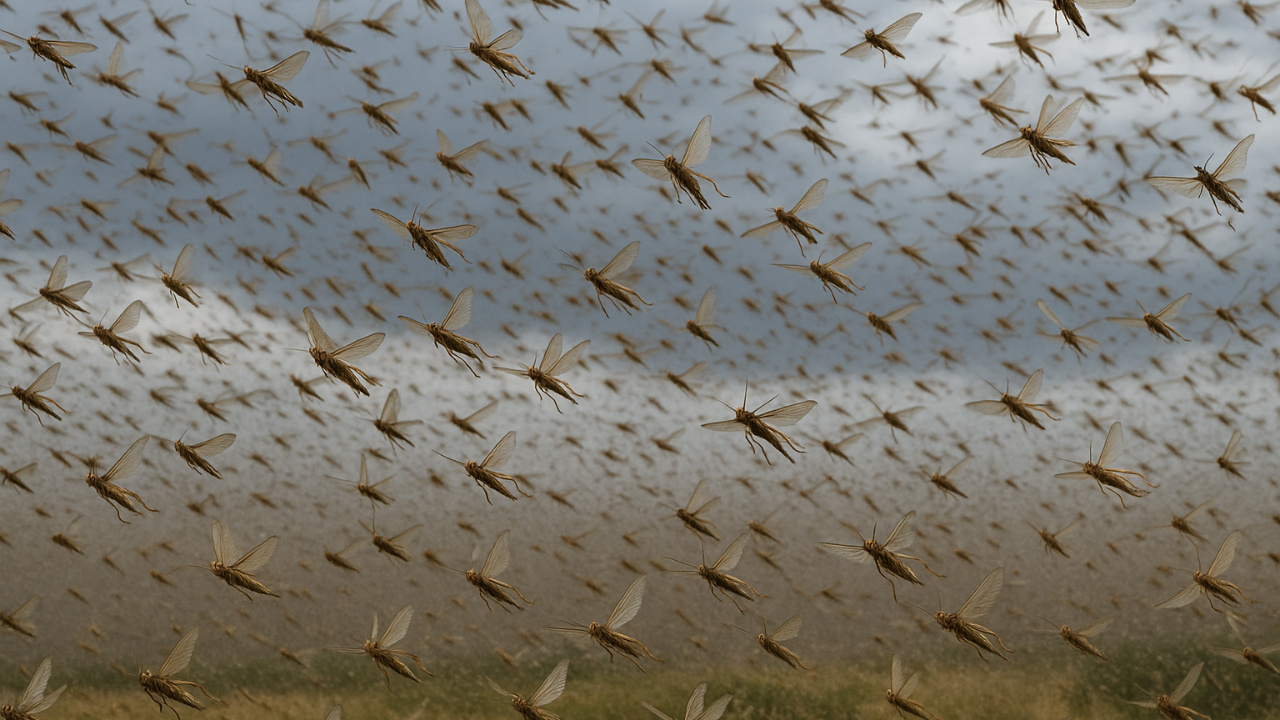
Locusts Pose a Threat to Brazilian Agriculture. Understand How Integrated Management with Biological, Cultural, and Chemical Control Can Protect Crops Against Severe Infestations.
A silent threat hangs over the Brazilian countryside. Locusts, known for their voracity, have the potential to devastate entire plantations in just a few days. The national agriculture needs to act quickly and strategically, employing different control techniques.
Understanding Locust Behavior Is the First Step to Control
In 2020, the approach of a locust swarm at the border with Rio Grande do Sul raised alarm bells. Covering about 10 km², the swarm remained stationed in Argentina, but the risk to Brazilian producers was real.
These insects are not like others that live solitary lives. According to Embrapa, migratory locusts gather in large groups, feeding on over 400 types of vegetation. They can travel up to 150 km a day, driven by the wind.
-
Low-Demand Brazilian Beef Offal Gains Popularity Abroad: Indonesia Purchases $19.5 Million, Boosting Revenue and Reducing Waste

-
Soy Expansion in Former Brazilian Savanna Sparks Water and Land Conflicts in Major Agricultural Frontier
-
Mexican Pest Threatens U.S. Cattle Herds at Historic Lows, Potentially Boosting Brazilian Beef Exports as Burger Prices Soar

-
Avocado Boom for European and U.S. Markets Fuels Water Crisis in Drought-Stricken Chilean Region


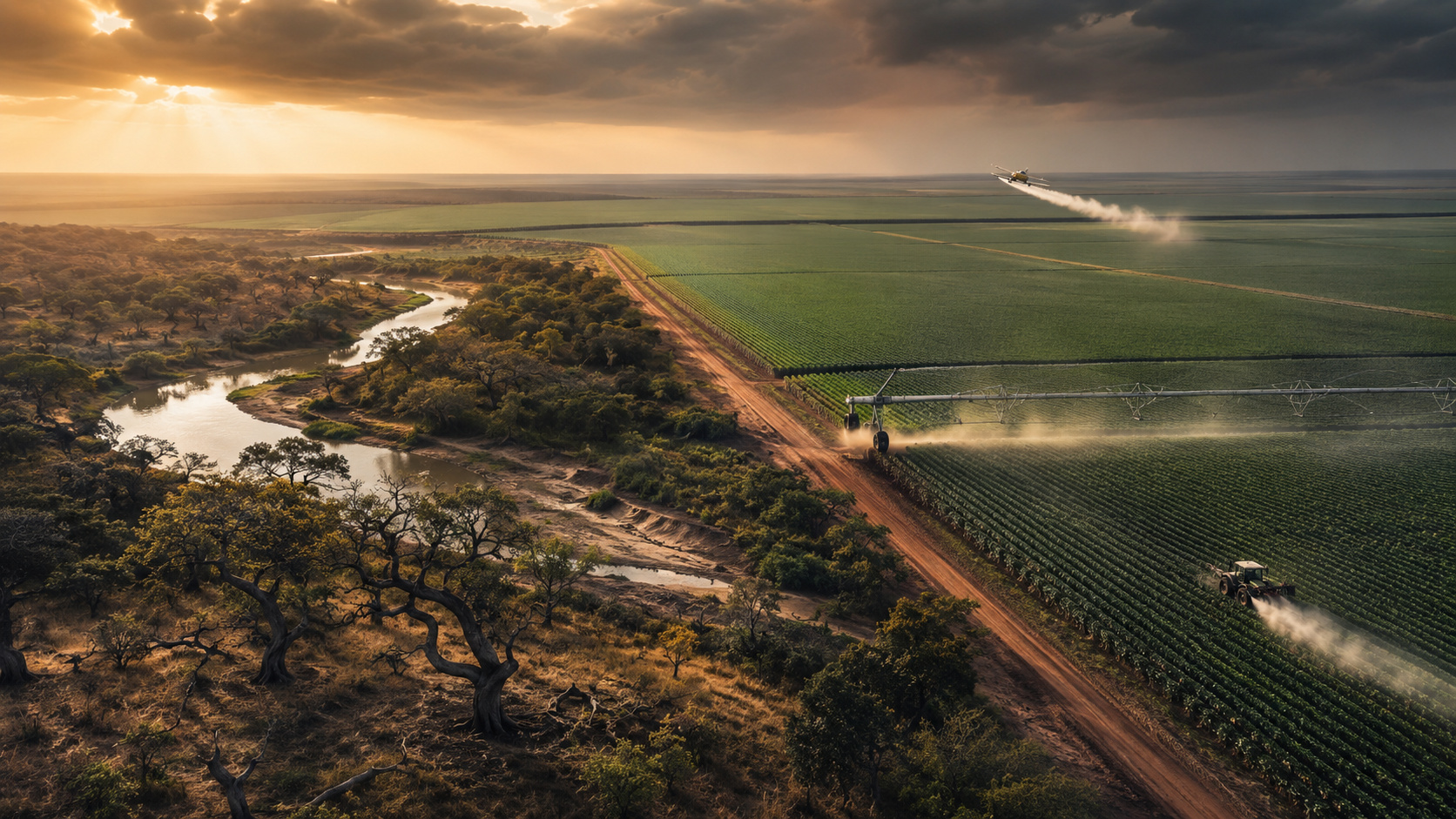


The life cycle of locusts goes through three stages: egg, nymph, and adult. They prefer grasses and legumes. High temperatures and dry periods favor their reproduction.
Knowing these characteristics allows producers to anticipate. Prevention begins with constant monitoring of the crops.
Monitoring and Early Identification Help Avoid Losses
Detecting the presence of locusts early on is critical. Frequent visual inspections reveal signs such as chewed leaves, nymphs walking on the ground, or eggs deposited in damp areas.
Soil traps assist in surveillance. Additionally, exchanging information with neighbors and agricultural defense agencies strengthens regional control.
Cultural and Mechanical Control Is an Environmentally Friendly Alternative
Some simple practices already significantly reduce infestations. Soil preparation, through plowing and harrowing, exposes eggs and nymphs to natural predators. Crop rotation also disrupts the life cycle of the insects.
Other techniques include planting trap crops, which attract locusts to specific areas where they can be controlled. Physical barriers and manual removal are viable alternatives, especially in small properties.
Biological Control Proves Effective and Sustainable Against Locusts
The use of natural enemies is a way to maintain environmental balance. Chickens, ducks, spiders, and beetles help reduce locust populations in the field.
Additionally, parasitoids such as certain flies and wasps attack eggs and adults. The fungus Metarhizium anisopliae has proven effective in various crops.
These measures need to be encouraged alongside the preservation of local biodiversity, ensuring sustainable management.
Chemical Control Should Be a Last Resort in Fighting Locusts
When all previous methods are insufficient, chemical control may be necessary. However, it should be used with caution. The main insecticides used are pyrethroids and organophosphates.
It is essential to follow current legislation and use registered products, applying them at the most vulnerable stage of locusts. The proper use of Personal Protective Equipment (PPE) is mandatory.
Proper disposal of containers is another essential step. Excessive use of insecticides can eliminate natural predators and make locusts resistant, complicating future control efforts.
Integrated Management Is the Safest and Most Effective Path
Combining different strategies is the key to dealing with locusts sustainably. Integrated Pest Management (IPM) brings together cultural practices, biological control, and targeted chemical actions.
This approach protects crops and promotes the sustainability of agriculture. The future of Brazilian production depends on the awareness and coordinated action of producers.
With information from Agro Estadão.





-

1 person reacted to this.