Portuguese
  Spanish


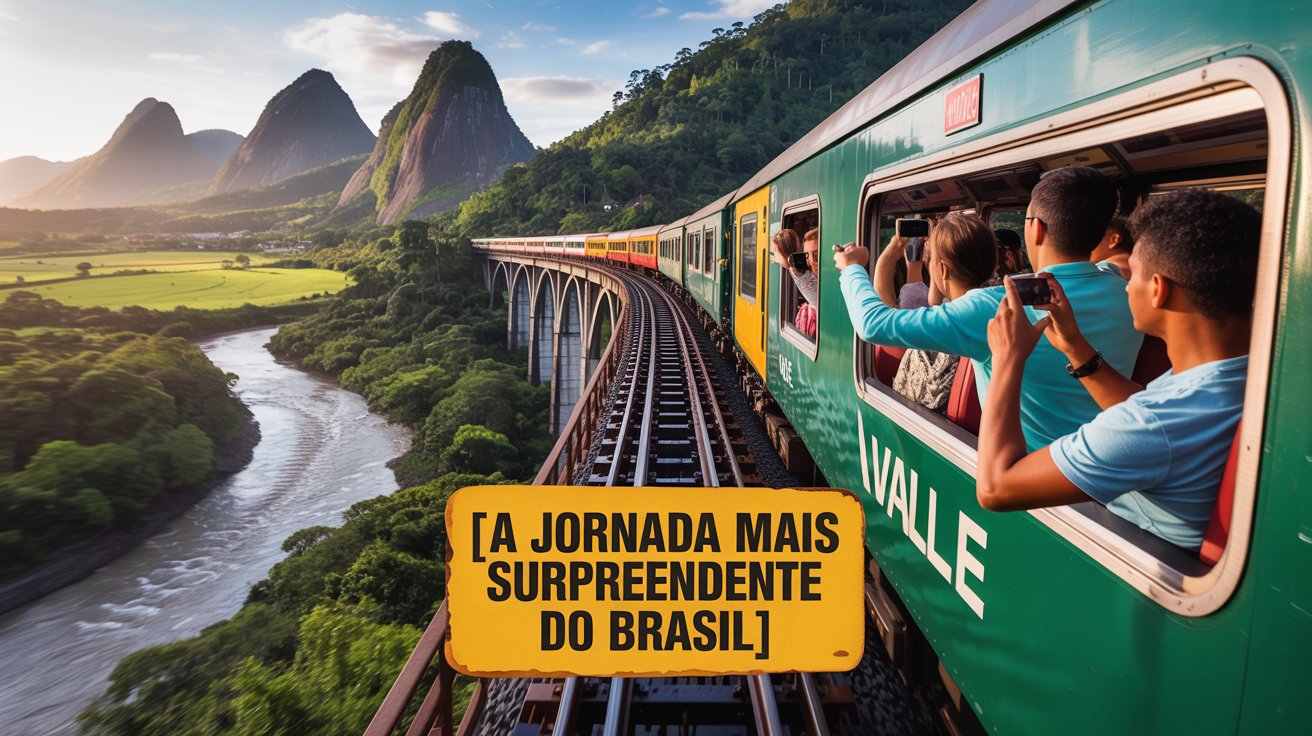

One Of The Most Extensive Railways In The Country Reveals Unique Landscapes, Railway Tradition, And Modern Service, Uniting Convenience, Accessibility, And History For Thousands Of Passengers In The North And Northeast.
The Carajás Railway, operated by Vale, spans 892 km between Pará and Maranhão, connecting Parauapebas (PA) to São Luís (MA) in about 16 hours.
Inaugurated in 1985, the line crosses 27 municipalities, connects five main stations, and makes 10 stops along the route.
The train carries about 1,500 passengers daily and set a record of 423,000 travelers in 2024 – 28% more than in 2019.
-
Brazil Plans $160 Billion Investment to Revitalize Railways and Reduce Reliance on Long-Distance Trucking

-
Retired Railway Workers in Brazil Preserve Locomotive for 52 Years, Now See It Donated by the Government

-
Railway returns to prominence in Brazil after STF approval: a R$ 25.2 billion project promises to save R$ 9 billion in freight, transport 50 million tons per year, and transform Sinop into a logistics powerhouse for agribusiness.
-
Retired trains leave European tracks and become tons of steel, aluminum, and copper in dismantling yards where recycling exceeds 90%, but batteries, composites, and electronics create a new frontier of railway waste.


Carajás Railway: Operation And Accessibility
The railway operates on alternate days.
It departs São Luís on Mondays, Thursdays, and Saturdays, returning from Pará on Tuesdays, Fridays, and Sundays.
On Wednesdays, the line is closed for maintenance.
Starting in 2027, daily operation in both directions is expected.

All carriages offer air conditioning, upholstered seats, and onboard service.
There is a snack bar, restaurant, and a car specifically for wheelchair users.
Brazilian law guarantees two free seats per train for elderly passengers with an income of up to two minimum wages, with a 50% discount if they exceed that.
Children under 5 travel for free if they sit on the lap of their guardians, with a free ticket.
Vale Train: Infrastructure And Rail Integration
With a broad gauge, the Carajás is integrated into the North-South Railway network and the São Luís–Teresina line, facilitating the transportation of goods such as ore and grains via the Port of Itaqui.
The railway transports over 120 million tons of ore per year, along with an average of 350,000 annual passengers.
Environmental Impact And Economy Of Rail Transport
In 2024, rail transport was up to 50% cheaper than road transport on some sections, according to research by Vale itself.
Besides the cost savings, the railway reduces CO₂ emissions: if the same number of passengers were transported by bus, 9,409 vehicles would be needed, with a negative impact on traffic and the environment.
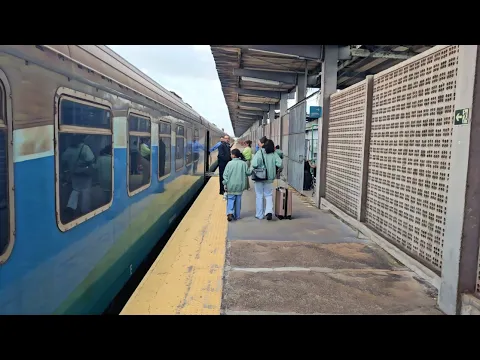

Passenger Experience: Comfort And Landscapes Along The Way
The 16-hour journey reveals a diverse landscape: alternating patches of forest, savanna, and rivers, typical of the border between Pará and Maranhão.
The average speed of 70 km/h allows for a privileged contemplation.
Users praise the safety, accessibility, and comfort provided by air conditioning maintained at 23 °C.
Modern Carriages And Onboard Services
The carriages were replaced in the early last decade — most imported from Romania — with modernization in shells, air conditioning, automatic doors, and configurations that vary between economy and executive classes.
Video monitors, individual sound, and luggage racks are available, but the train does not accept checked baggage.
Practical Tips For Boarding The Carajás Railway
Tickets can be purchased online via Vale’s website or directly at participating stations: São Luís, Santa Inês, Açailândia, Marabá, and Parauapebas.
Reservations are recommended at least 45 days in advance.
The train requires early arrival: passengers must board about 30 minutes prior.
No transport of alcoholic beverages or perishable foods is permitted.
Onboard service accepts only cash payments.
History And National Role Of The Carajás Railway
Inaugurated in 1985, a year after being opened to freight traffic, the Carajás Railway is the largest continuously operating passenger railway in the country.
Its maintenance reflects Vale’s compliance with state concessions, following contractual requirements with the government.
Vale Train: Highlighting In Brazilian Rail Transport
This route is a rare example of passenger rail transport in Brazil, alongside the Vitória-Minas Railway, also operated by Vale.
With ambitious goals starting in 2027 and indicators of growing demand, the train reaffirms its strategic role in regional transport, sustainable mobility, and the tourism valorization of the areas crossed by the tracks.
What do you consider essential in a train journey like this: the reduced environmental impact, ease of access to underserved regions, or the experience of enjoying the landscape for 16 hours on tracks?