






 Portuguese
  Spanish


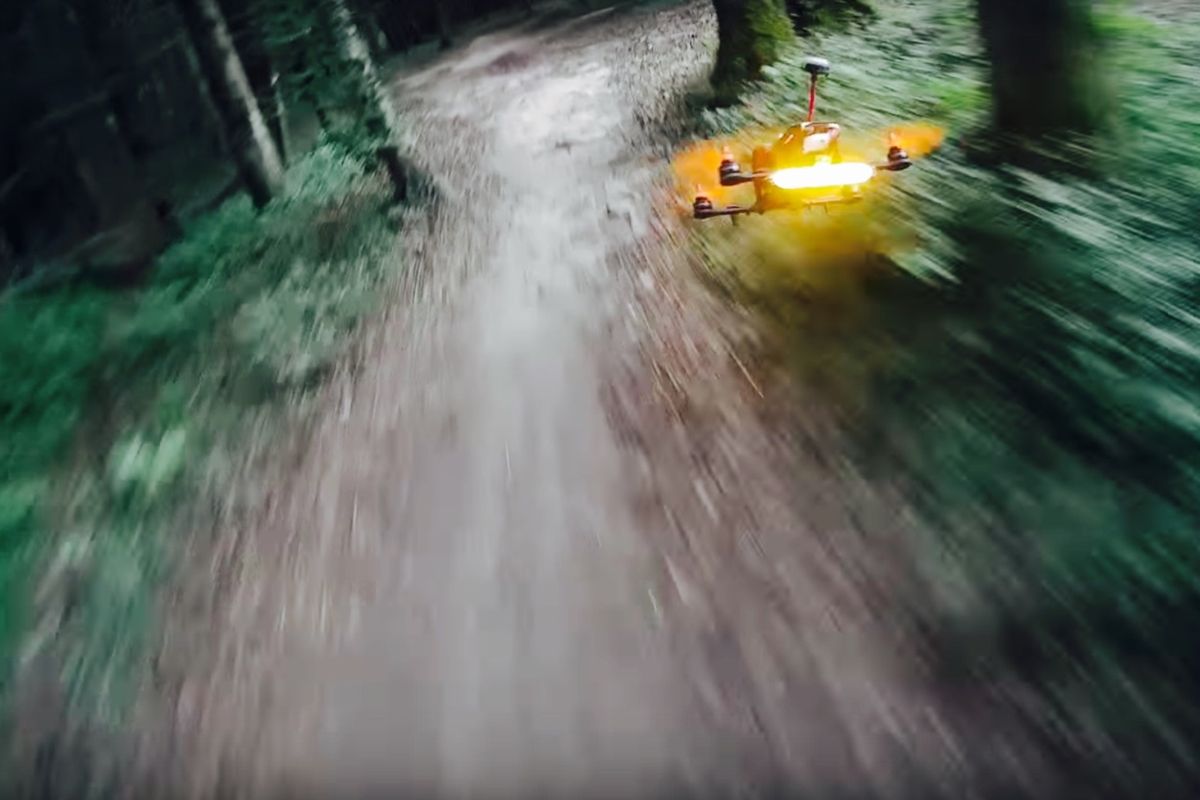

Know The Technology Behind FPV Drones That Reach Sports Car Speeds And How They Generate Videos That Defy Gravity.
Unlike conventional filming drones, which prioritize stability, these devices are built with a single purpose: agility and maximum speed. Below, discover 5 racing drones that are notable examples of this technology and understand how they can fly so fast while capturing spectacular videos.
According to Guinness World Records, which in April 2024 recorded a customized drone reaching the incredible mark of 480 km/h, the pursuit of speed in the world of unmanned aerial vehicles is constant. In the commercial market, racing drones, also known as FPV (First Person View) drones, represent the pinnacle of this performance, with models capable of exceeding 200 km/h in seconds and producing breathtaking images.
What Is An FPV Racing Drone?
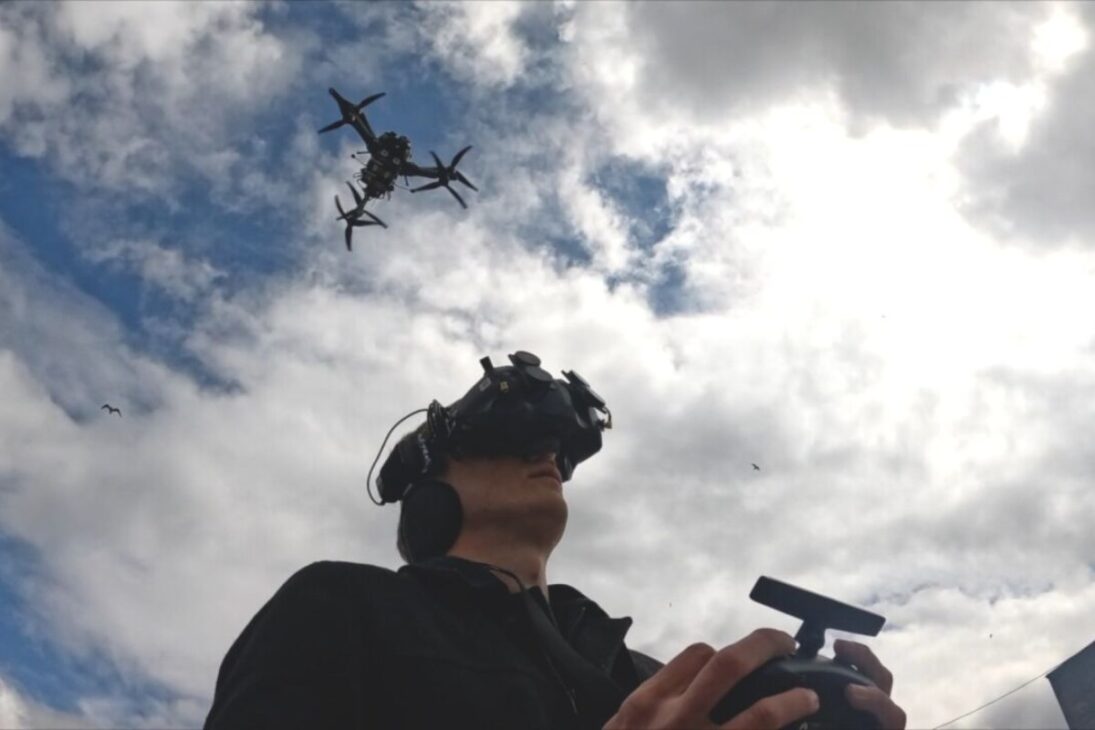
FPV stands for First Person View. This means that the pilot controls the drone using special goggles that receive a real-time video signal directly from a camera installed at the “nose” of the device. The experience is fully immersive, as if the pilot were inside the cockpit, allowing for precise maneuvers at extremely high speeds.
-
2,500-Year-Old Bronze Artifacts Unearthed by Detectorist in Eastern Poland

-
Over 5,000 Families Join Brazilian Network Providing 3D-Printed Prosthetics, Founded by Teacher Inspired by Daughter’s Limb Difference
-
Over 1,060 Wheelchairs Created from 102 Tons of Aluminum Tabs Collected Across Brazil, Turning Waste into Mobility Nationwide
-
Explore the History, Architecture, and Unique Features of Arena Fonte Nova, One of Brazil’s Most Iconic and Modern Football Stadiums


The 5 Racing Drones That Lead High-Speed Flight
Although the maximum speed depends greatly on the setup and the pilot’s skill, these five models are recognized platforms in the FPV community, capable of reaching or approaching the mark of 200 km/h.
iFlight Mach R5 6S: this is one of the few commercial models that openly claims the ability to reach 200 km/h. Designed by iFlight, a renowned manufacturer of FPV components, the Mach R5 is optimized for maximum performance.
Eachine Wizard X220S: a classic in the community, the Wizard X220S is famous for being an excellent and customizable platform. Although its factory speed is lower, enthusiasts demonstrate that, with the right components, it can exceed 200 km/h.
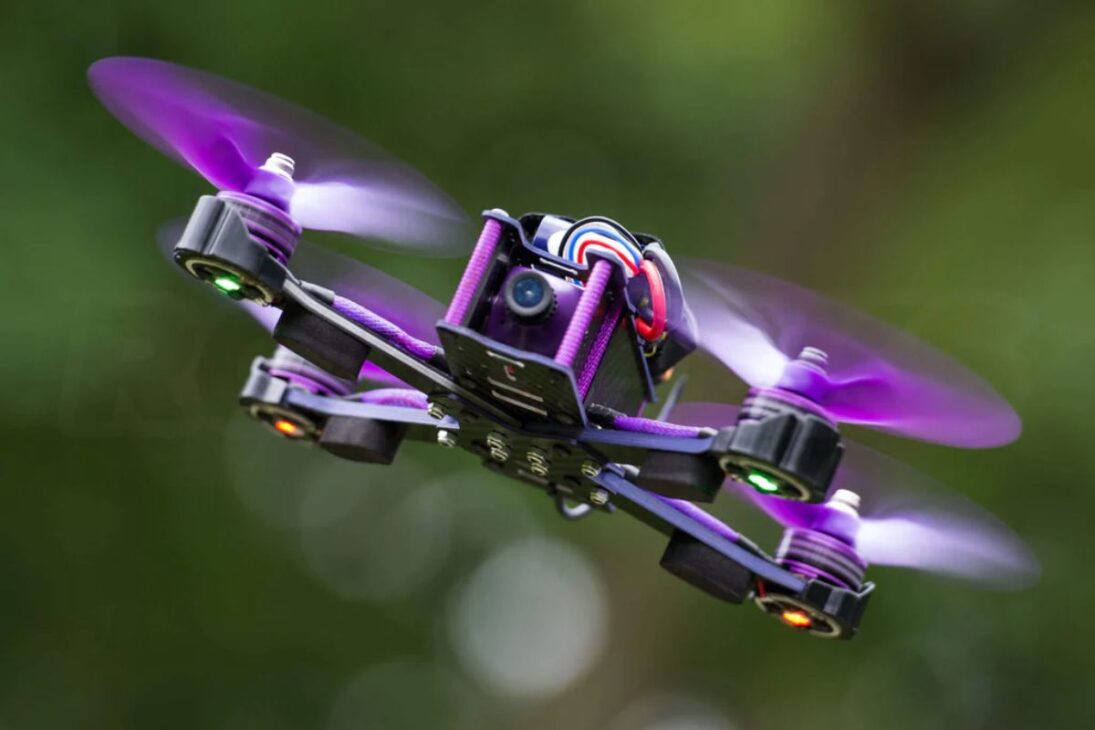
iFlight Nazgul Evoque F5/F6 V2: extremely popular, the Nazgul Evoque is an example of design and efficiency. With speeds frequently reaching 190 km/h in its 6S configuration, it is a reliable choice for pilots seeking high performance.
Emax Hawk Sport/Pro: Emax is another leading brand in the market, and the Hawk line is its bet for racing. Designed to be lightweight and aerodynamic, these drones easily exceed 160 km/h, with potential for more, depending on the setup.
GEPRC Mark5 Pro: regarded as one of the best frames for freestyle maneuvers, the Mark5 also has qualities that make it a high-speed competitor, capable of reaching speeds near 190 km/h.
The Technology Behind Amazing Images: How Are The Videos Made?
Producing high-quality videos in an environment of extreme vibration and speed is a challenge resolved with a dual camera approach.
FPV Camera (Pilot’s View): the main camera, used for flight, transmits a low-latency video signal to the pilot’s goggles. Brands like Caddx and RunCam develop cameras that prioritize high frame rates to ensure the pilot reacts instantly.
HD Camera (Recording): for the spectacular images we see online, a second high-resolution camera is mounted on the drone. The GoPro HERO10 Black Bones, released in 2022, was a game changer: it offers the quality of a GoPro (5.3K video) in a body of only 54 grams, designed specifically for FPV drones.
How Is The Speed Of 200 Km/h Achieved?
The extreme performance of the 5 racing drones listed and other top models results from a combination of engineering and high-performance components.
Lightweight Frame: the frames are primarily made of carbon fiber, an extremely lightweight and durable material, essential for ensuring agility and absorbing impacts.
Powerful Motors: high-rotation brushless motors are used, designed to deliver maximum thrust with minimal weight.
High Voltage Batteries: the power source is crucial. The fastest drones use high-voltage Lipo (lithium polymer) batteries, such as 6S (22.2 volts), which provide the “burst” of energy necessary for brutal accelerations.
This combination of components, along with the pilot’s skill, is what allows these small vehicles to defy gravity and produce images that seem straight out of an action movie.


